Footsteps Through Time: From Alpine Trails to Energy Futures
Hiya, from across the pond!
I am writing this from London, a city that hums with motion even in the quiet of morning. Buses rumble, footsteps scatter across pavements, the Underground sighs beneath the streets. I am here only briefly, a pause in transit, but in this fleeting stillness my thoughts turn back to Switzerland: to Brigels, to Sorënberg, to Bellinzona, to Ascona. The bells of cows, the silence of forests, the echo of stone walls all seem to sound louder against London’s restless noise.
The Scargada: Coming Home of the Cows
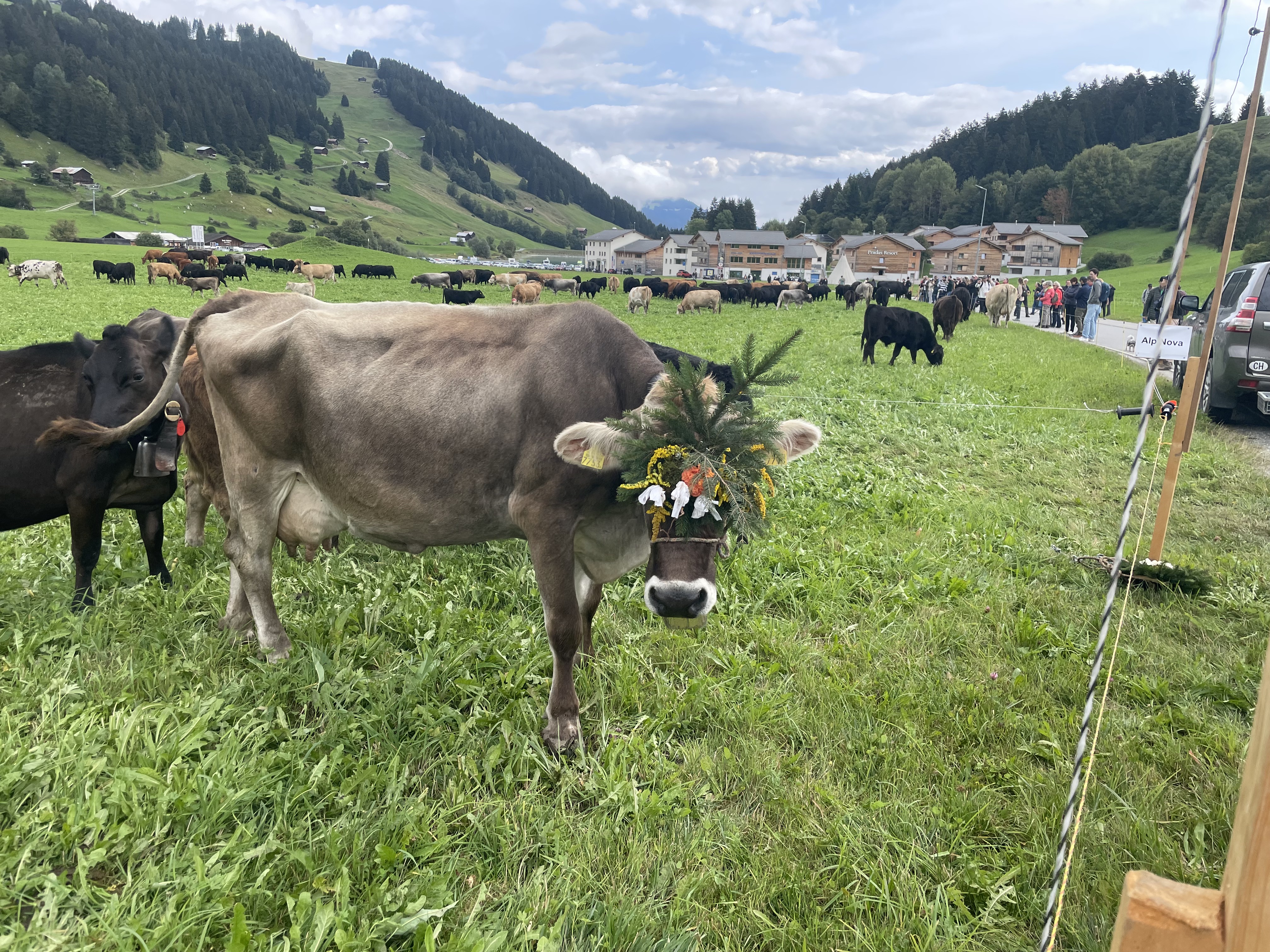
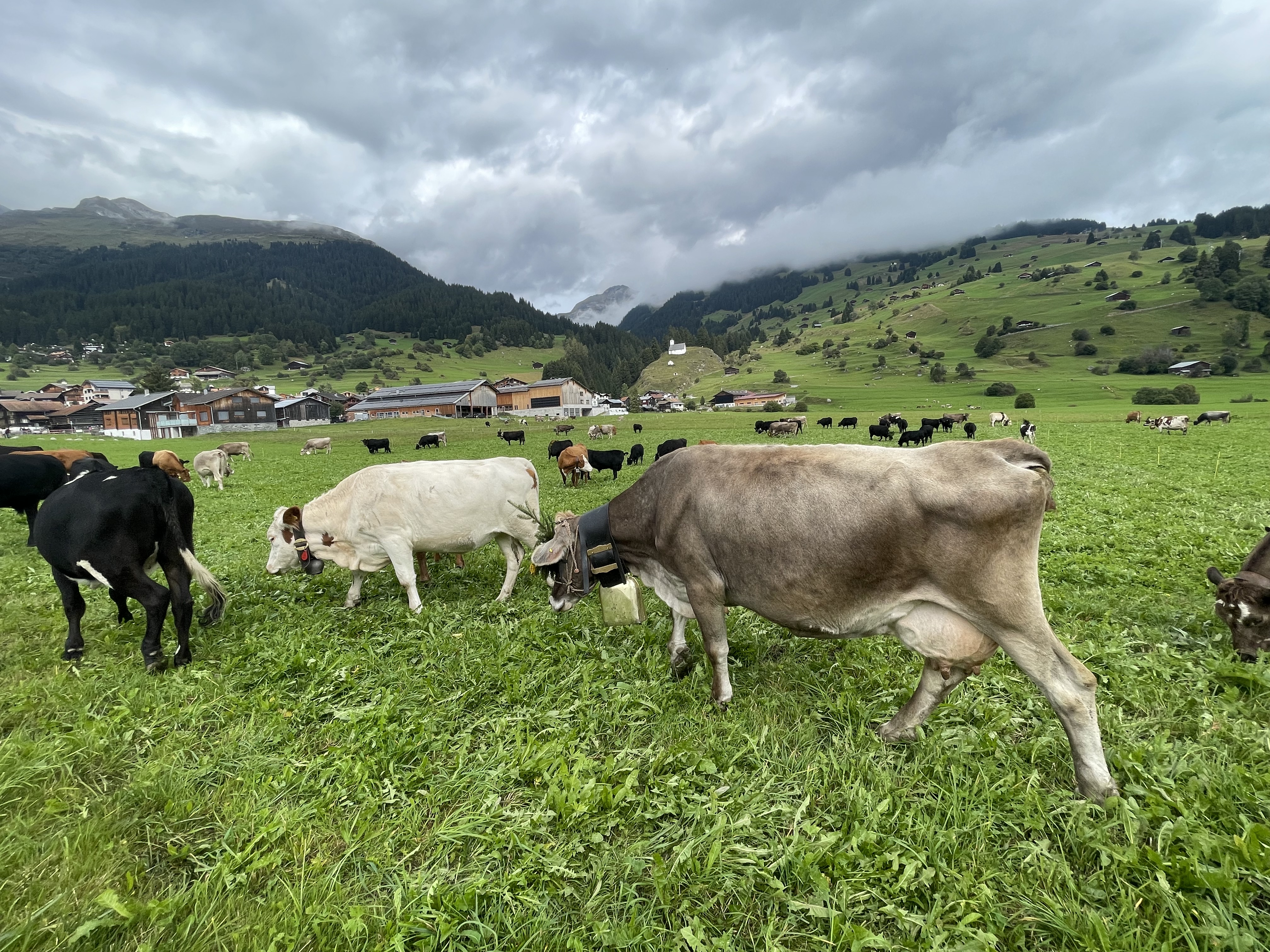
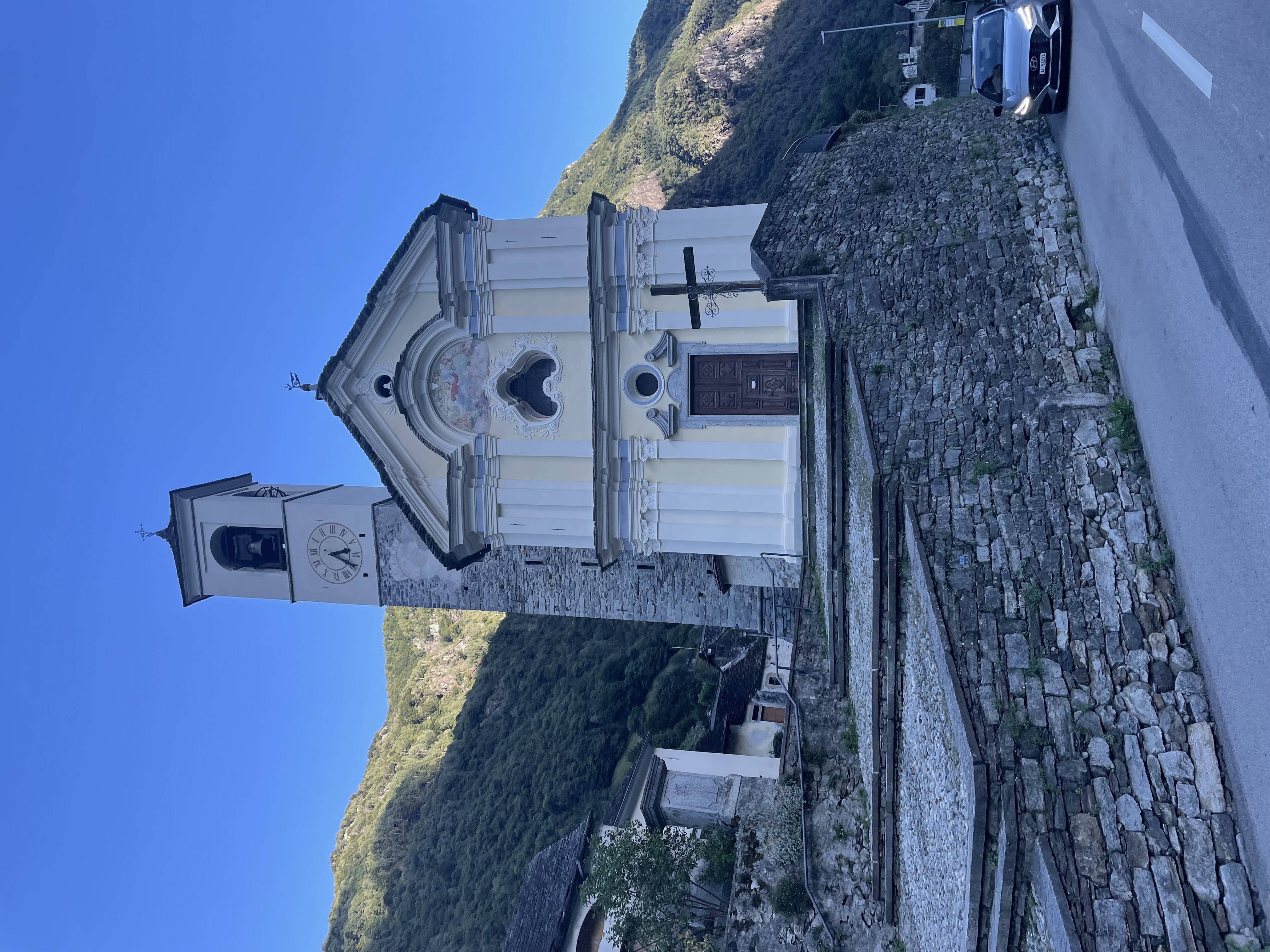
In Brigels, high in Graubünden, I woke one autumn morning to crisp air tugging at my skin, the smell of dew on grass, and the distant tolling of cowbells. I laced my shoes and ran into the hills, feet pressing into loamy earth, mist rising from valleys, granite cliffs bending the path of light.
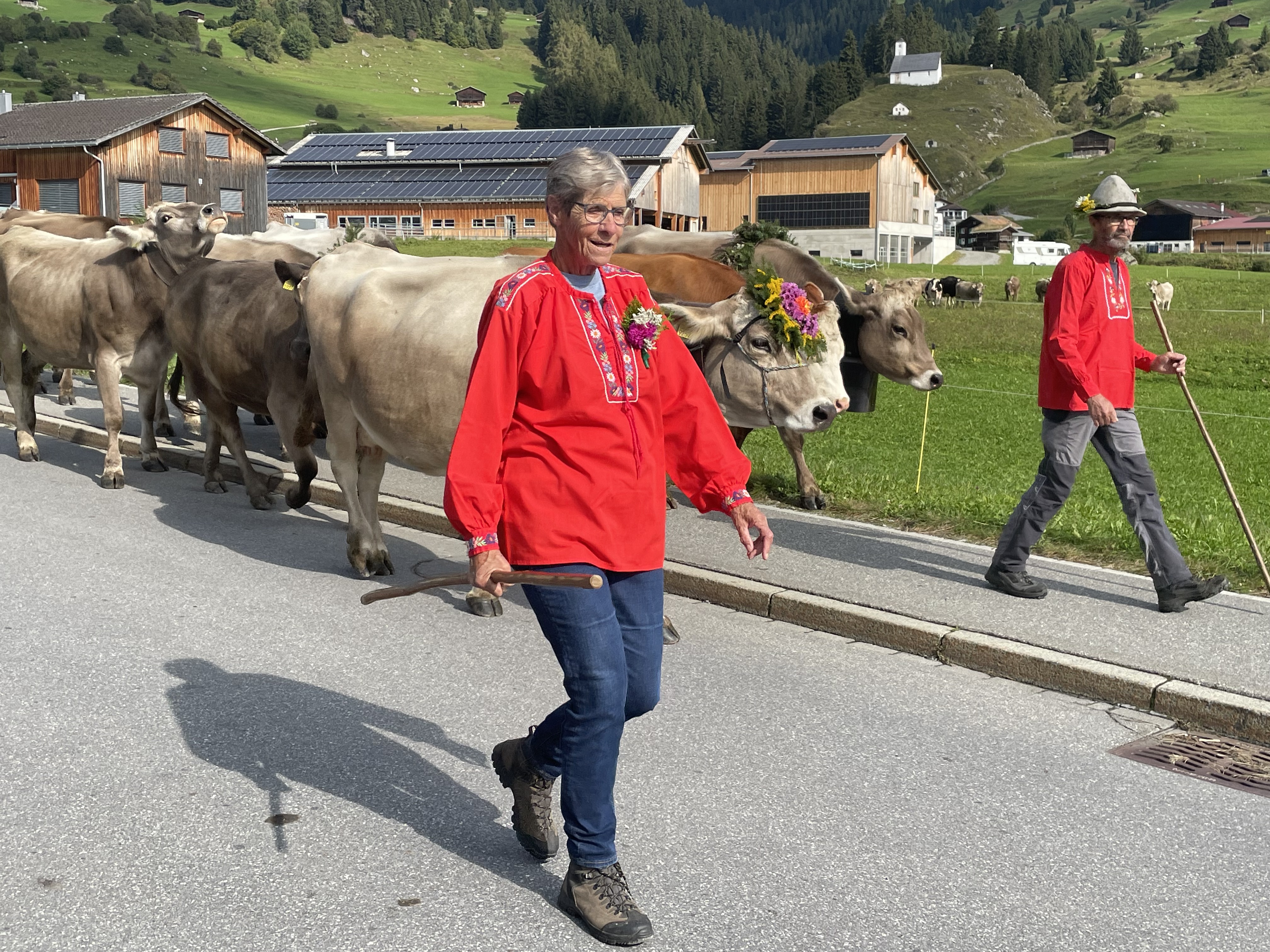
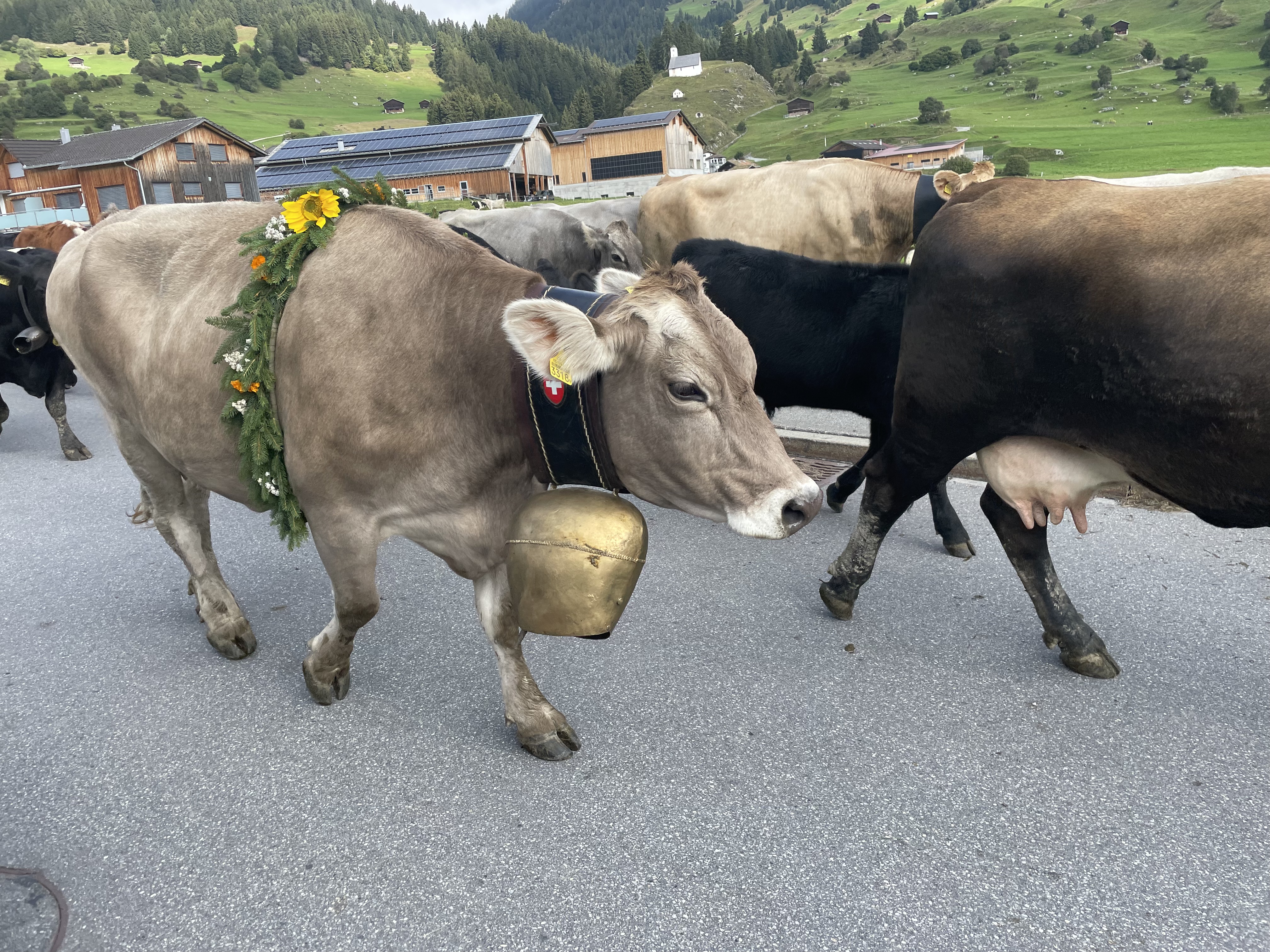
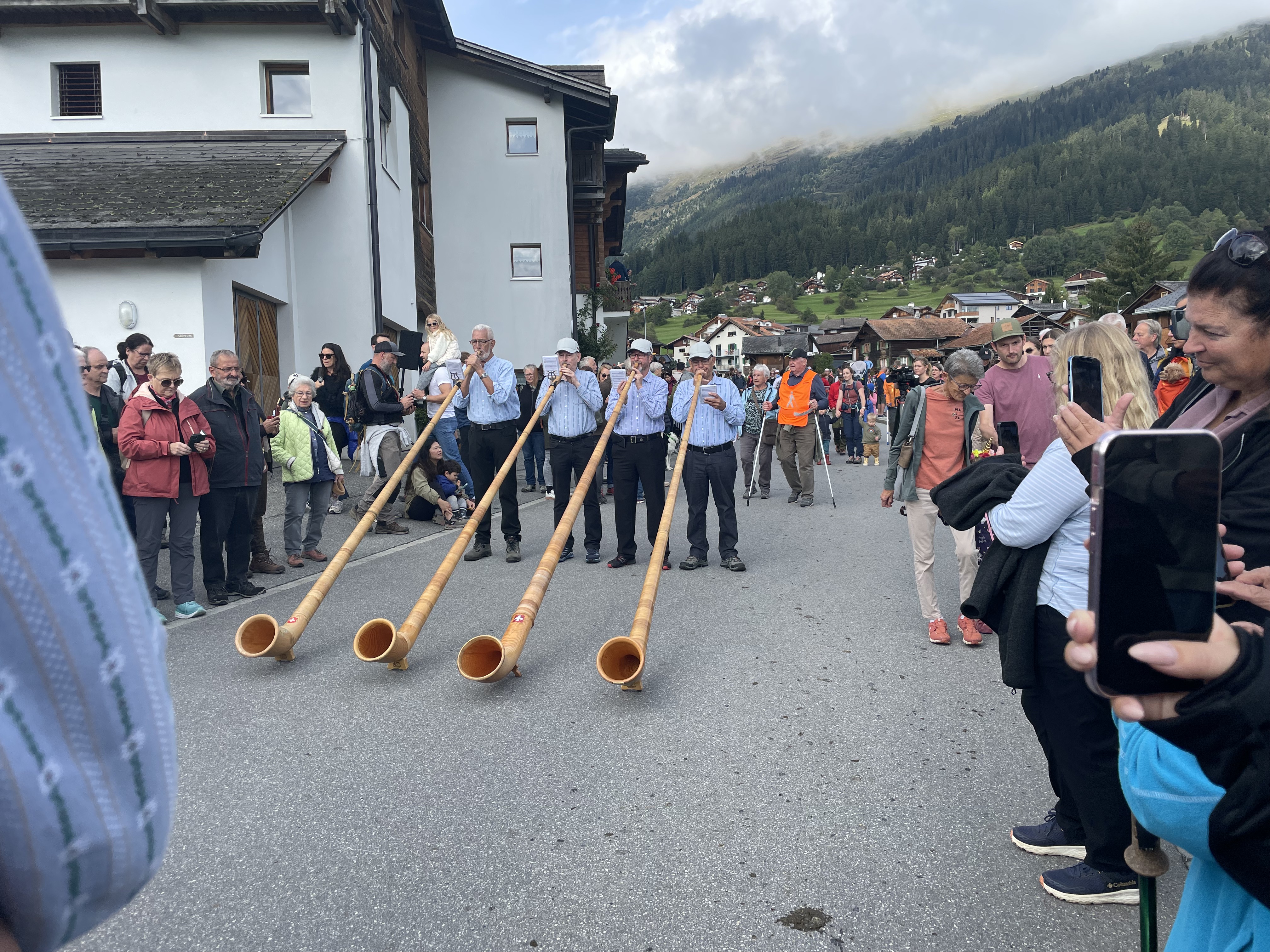
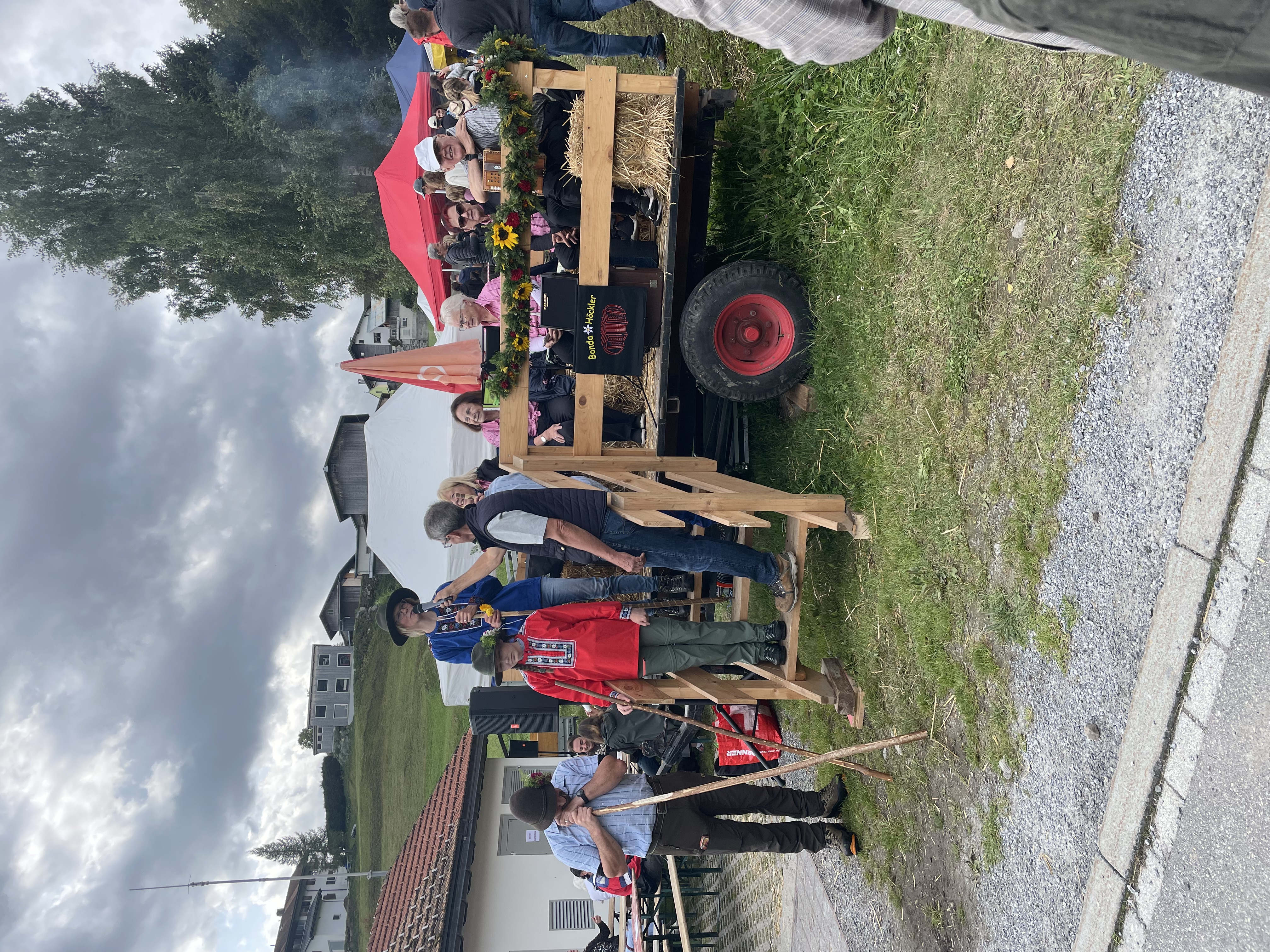
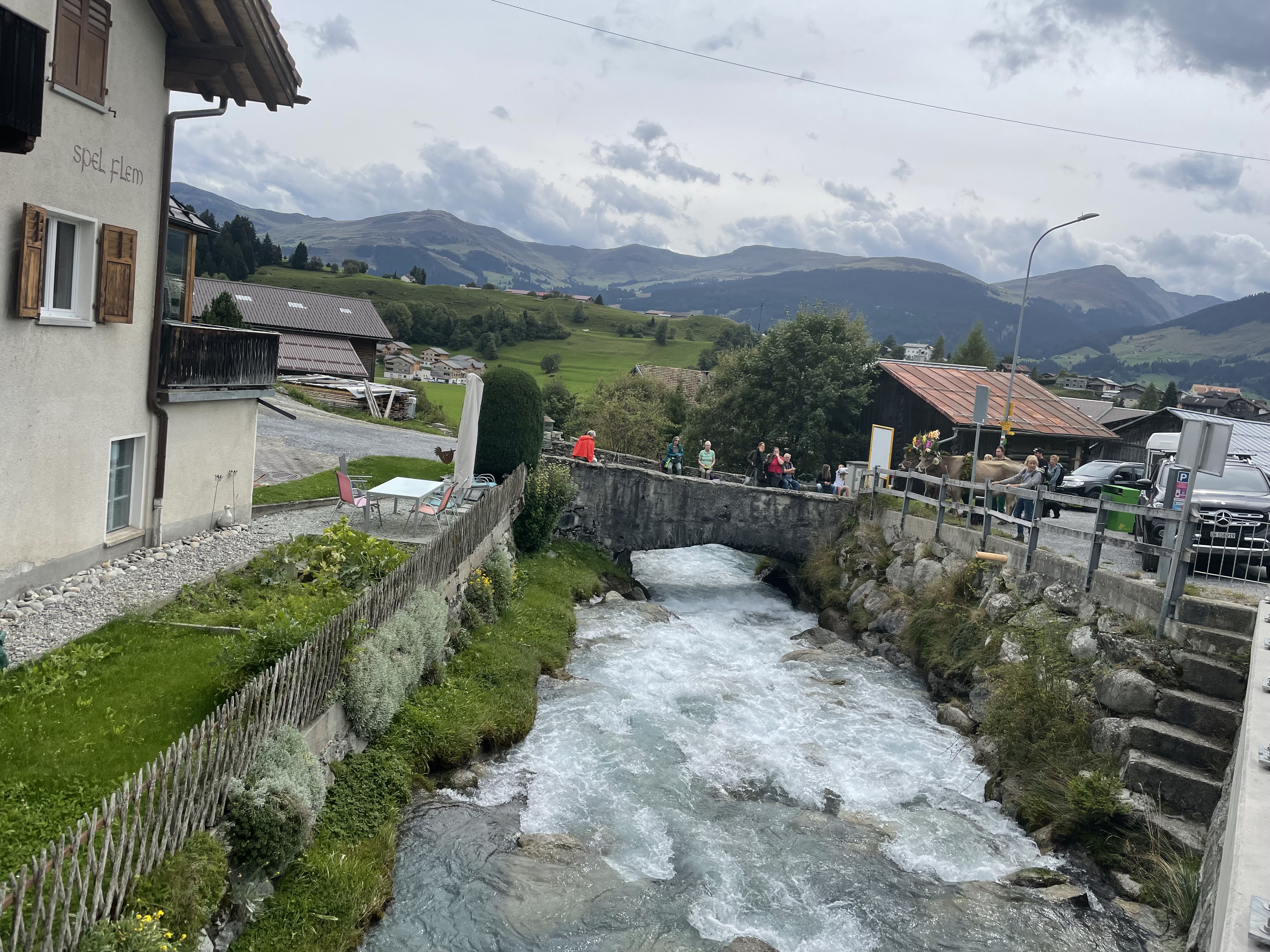
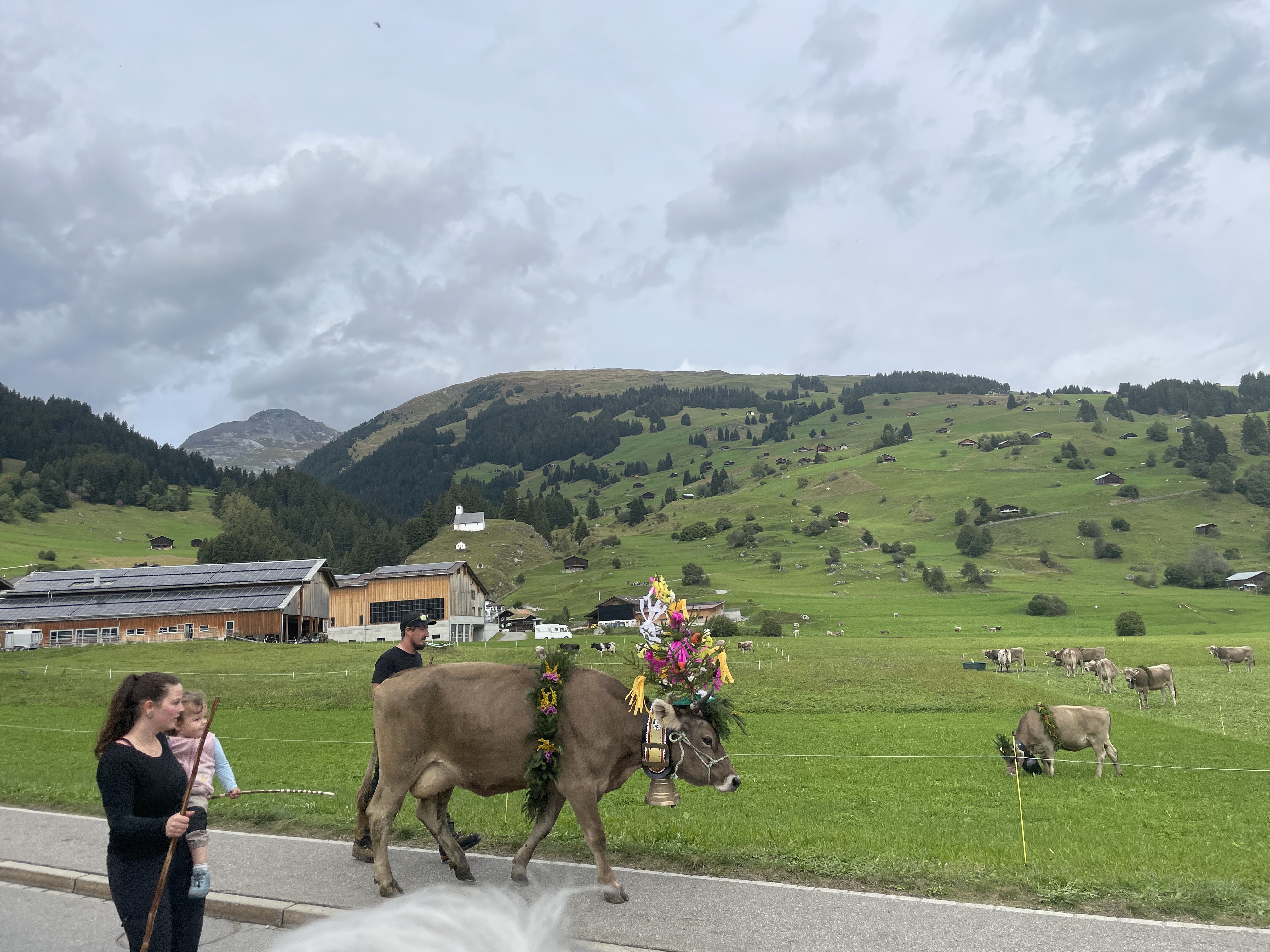
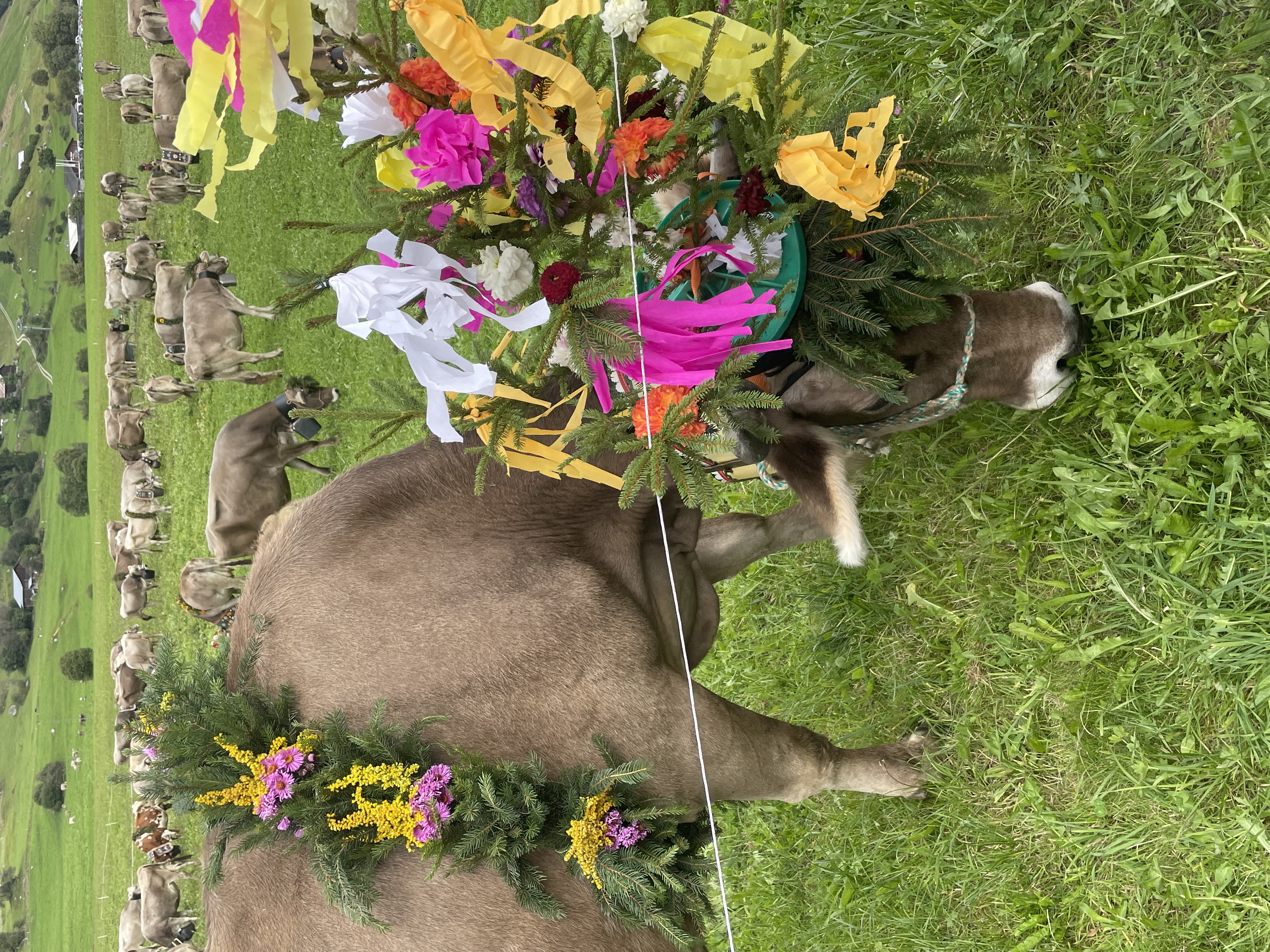
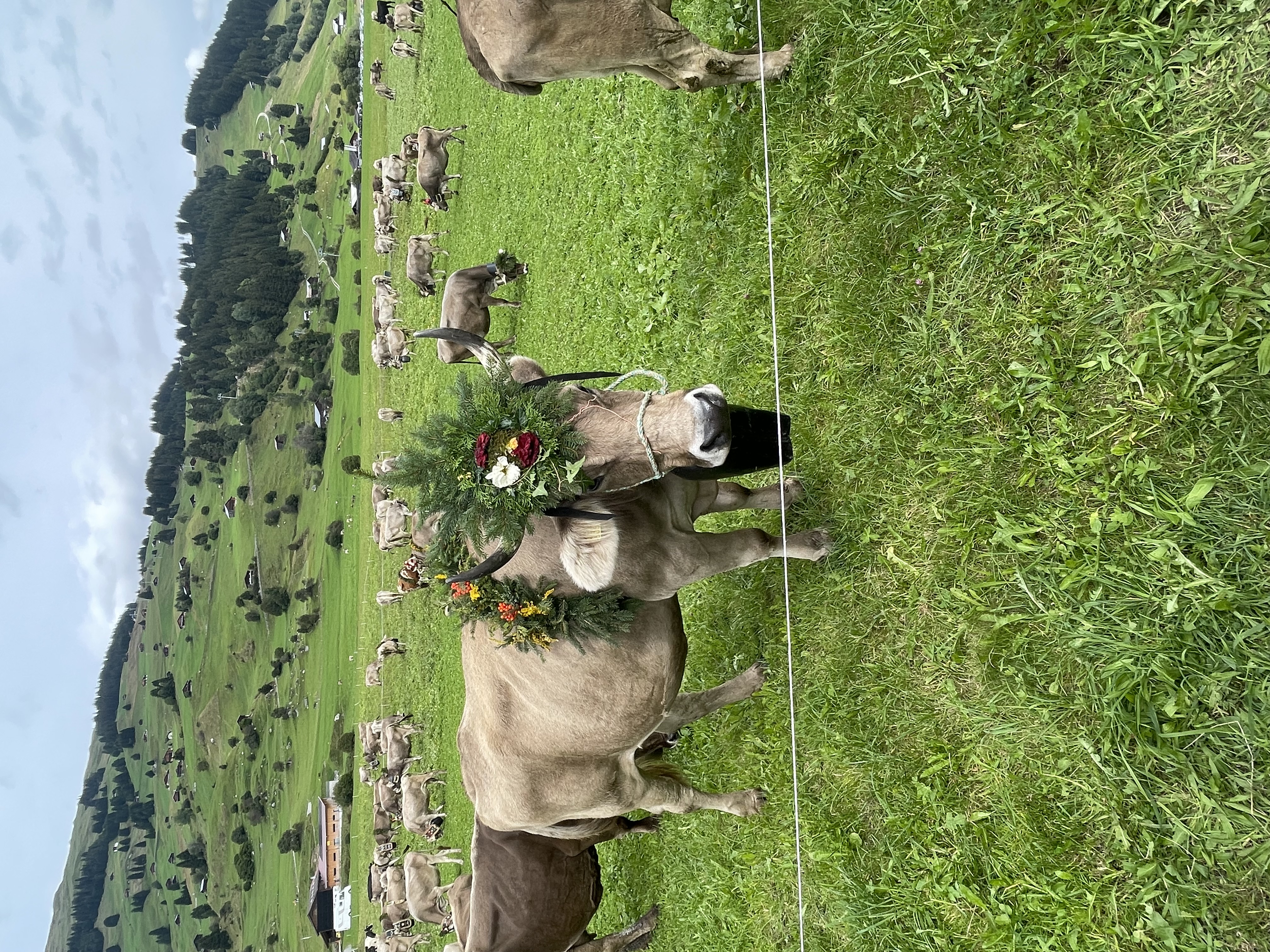
By midmorning, the mountains stirred with life. Nearly six hundred cows began their descent from summer pastures: the Scargada, the ceremonial homecoming. Adorned with garlands and heavy bells, they moved hoof by hoof, led by farmers whose families had walked these paths for generations. Villagers gathered in Plaun Rueun to welcome them, children perched on walls, elders leaning on sticks, all waiting for the sound of bells to roll into town. When it came deep, resonant, layered across the valley, I stopped mid-run and simply listened, letting the sound fill me.
Sorënberg and the Ridge
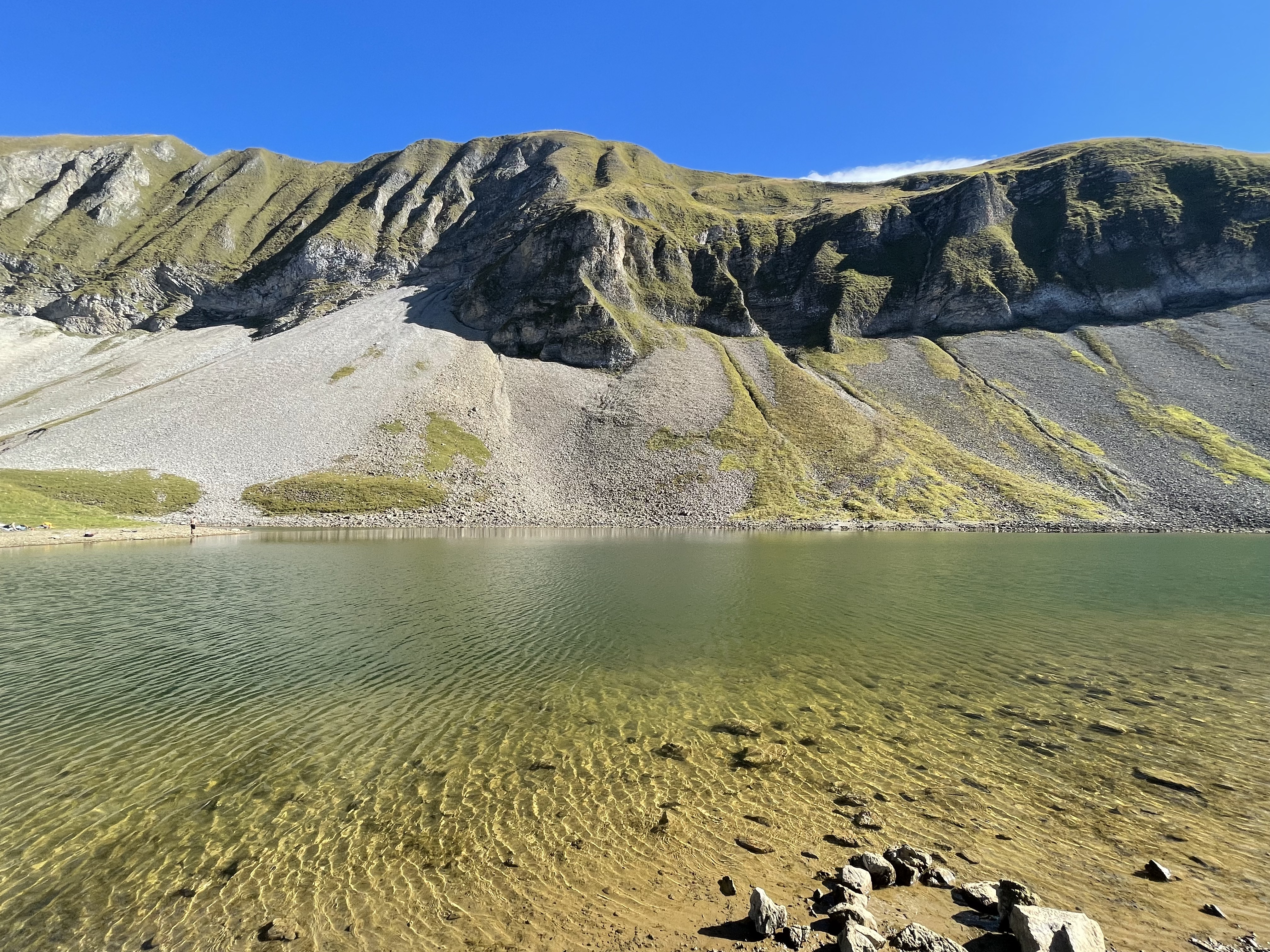
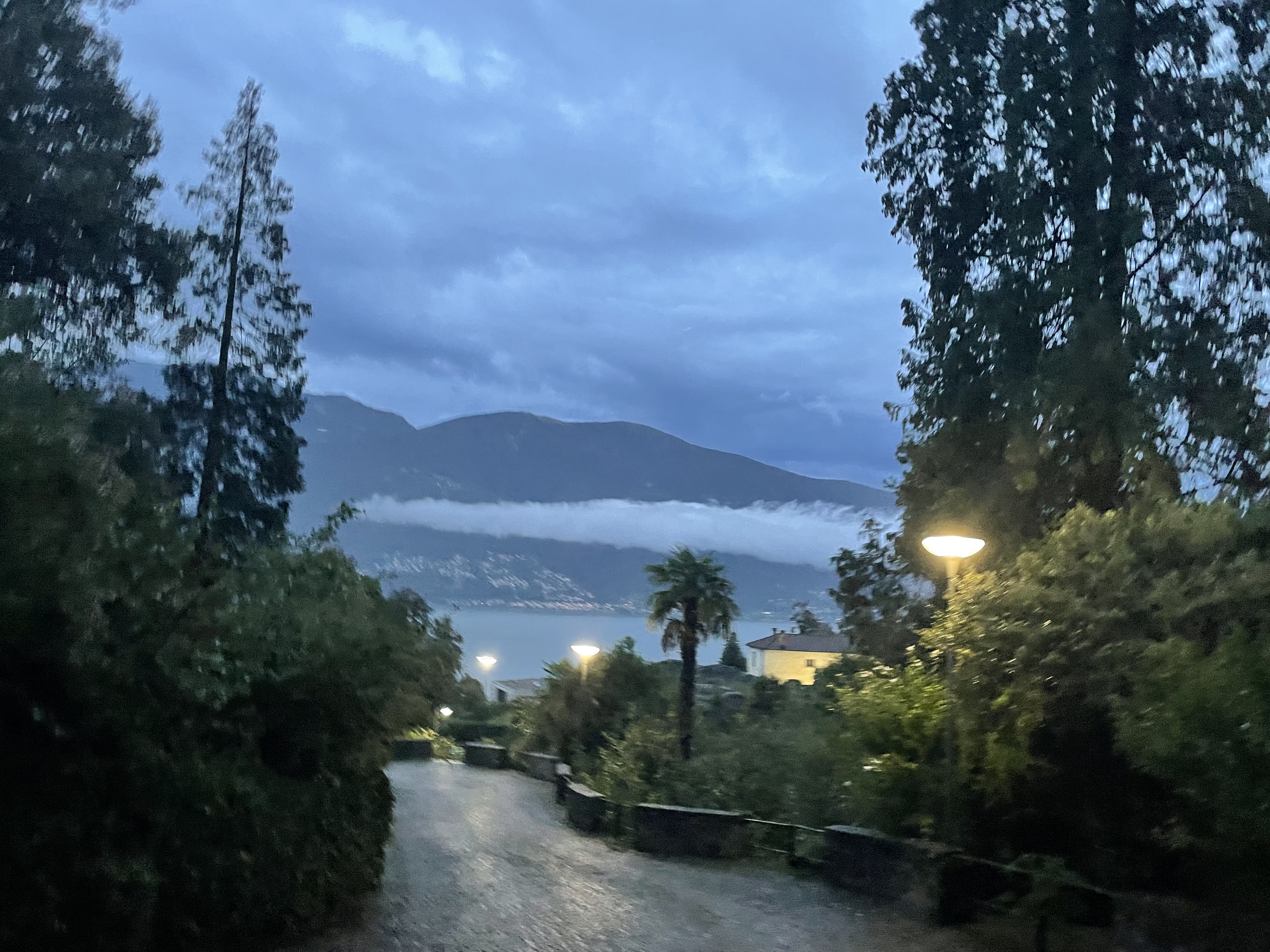
Later, my path carried me westward to Sorënberg, a mountain village tucked deep in the Entlebuch UNESCO Biosphere. Wooden chalets leaned into the slopes, balconies crowded with geraniums, the air thick with pine and woodsmoke. It was quieter here, more sheltered than Brigels. Mist hung low in valleys, and streams cut silver seams through dark forests. Walking in Sorënberg felt slower, more intimate, a place where silence had weight. Running trails here was like moving through a painting of greens and greys, punctuated by cowbells and the smell of woodsmoke.
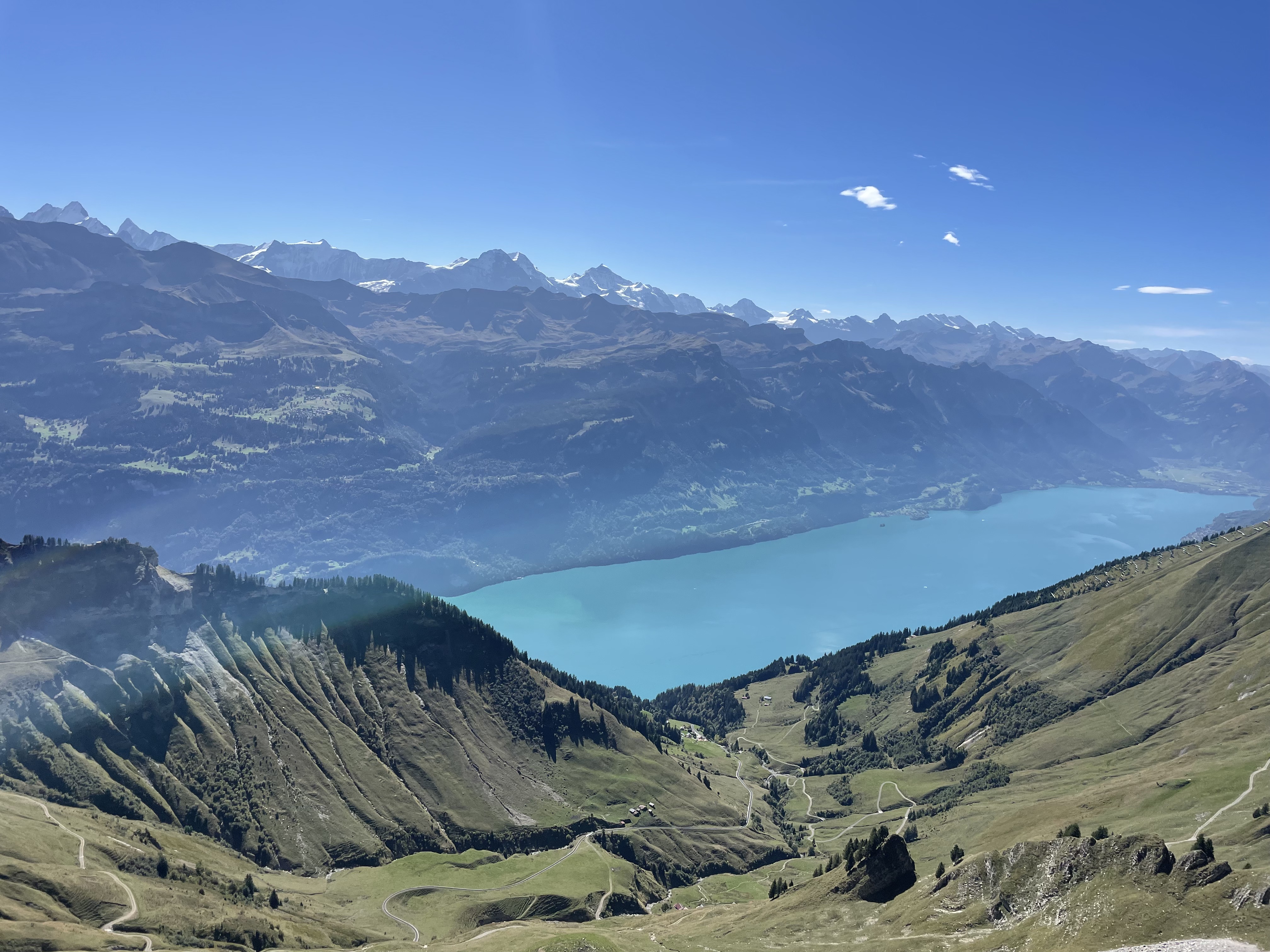
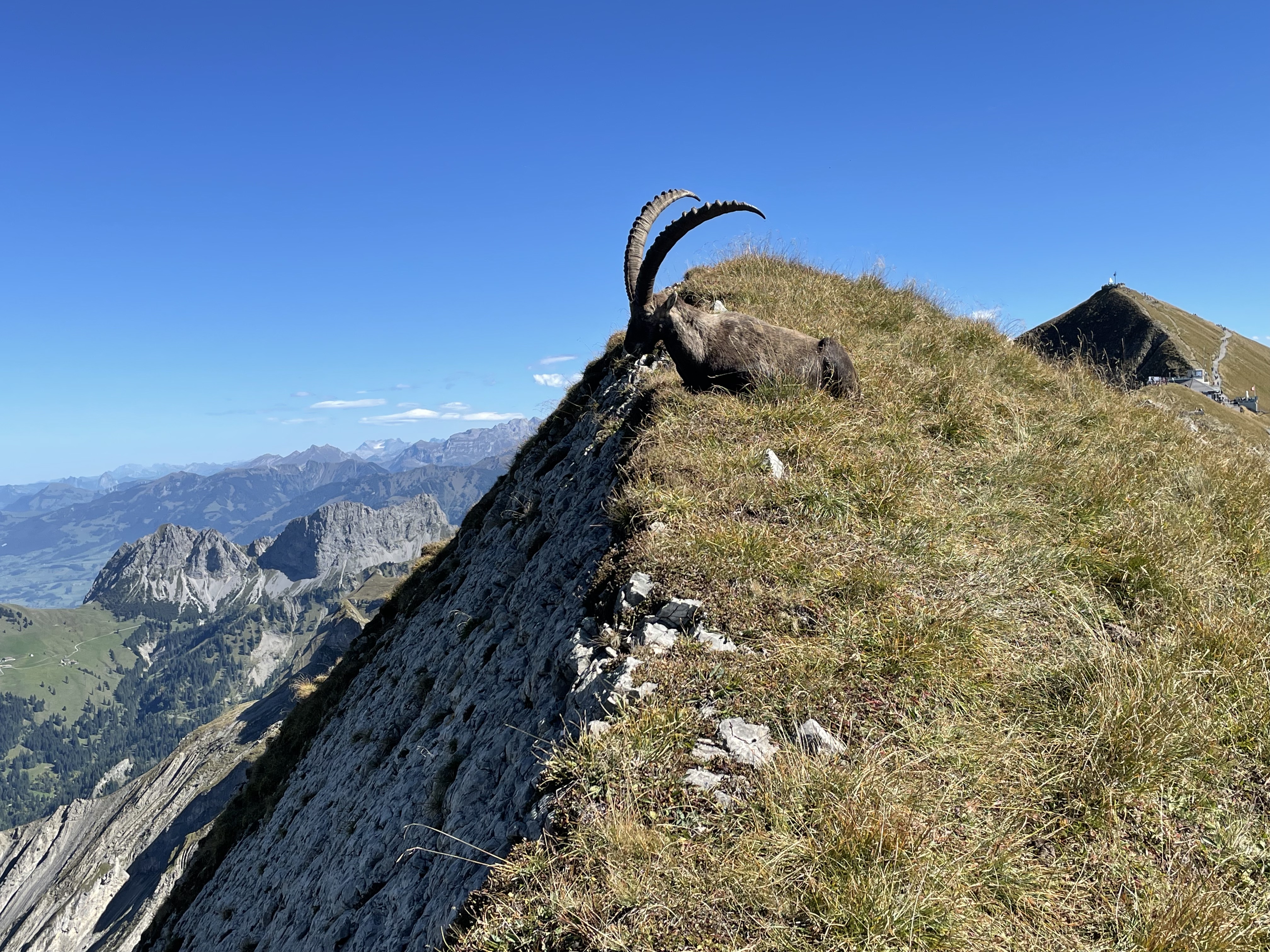
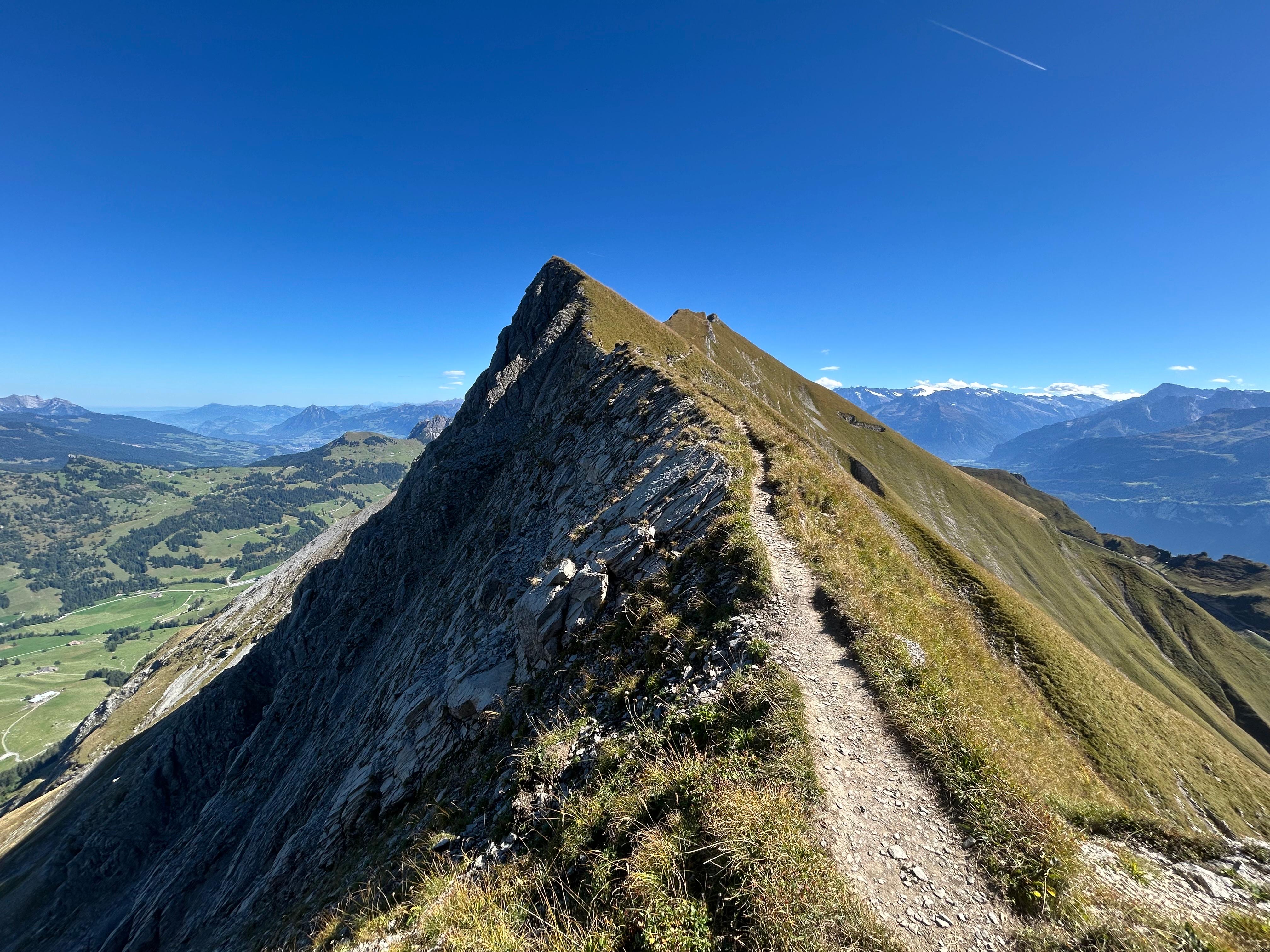
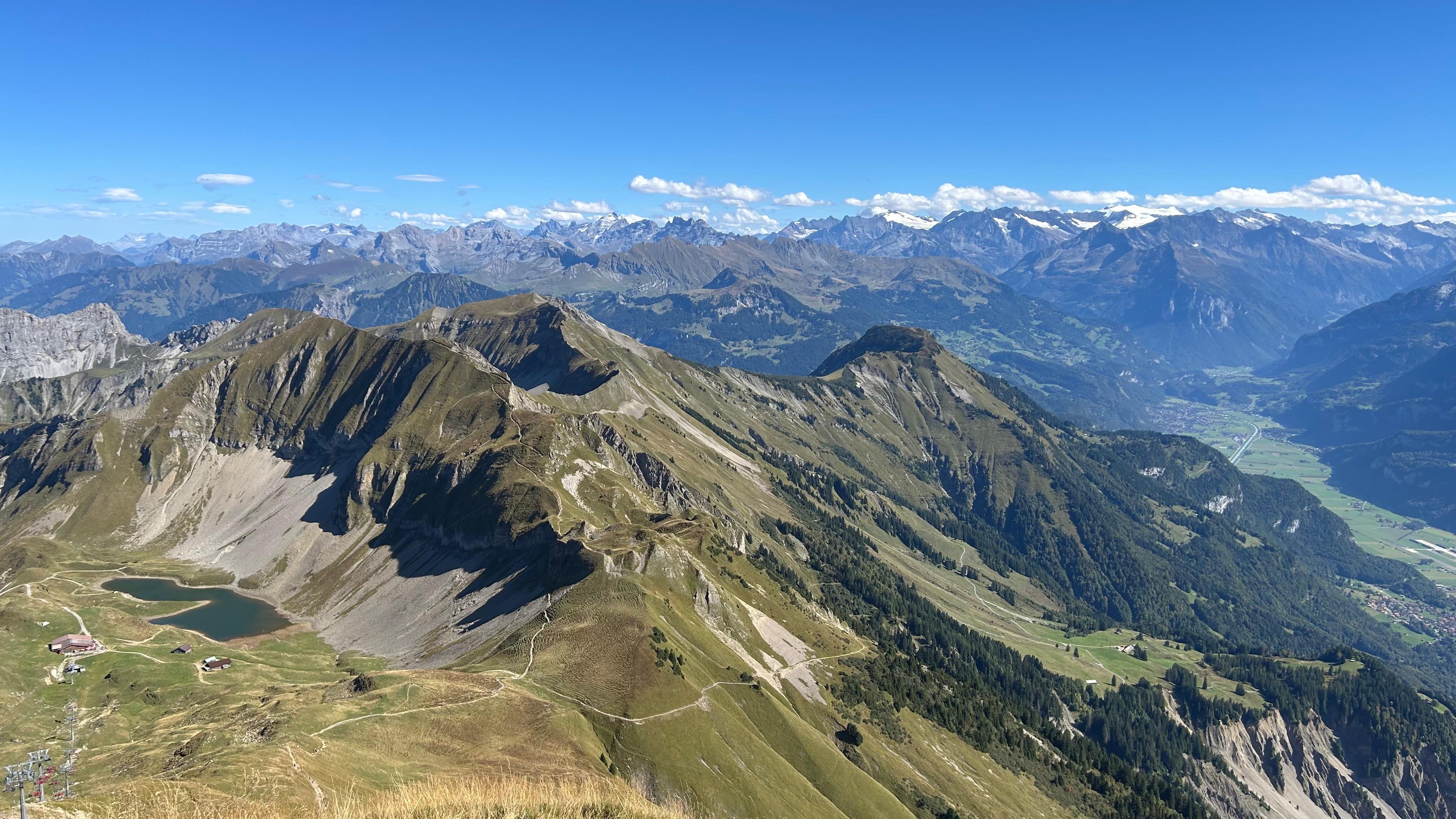
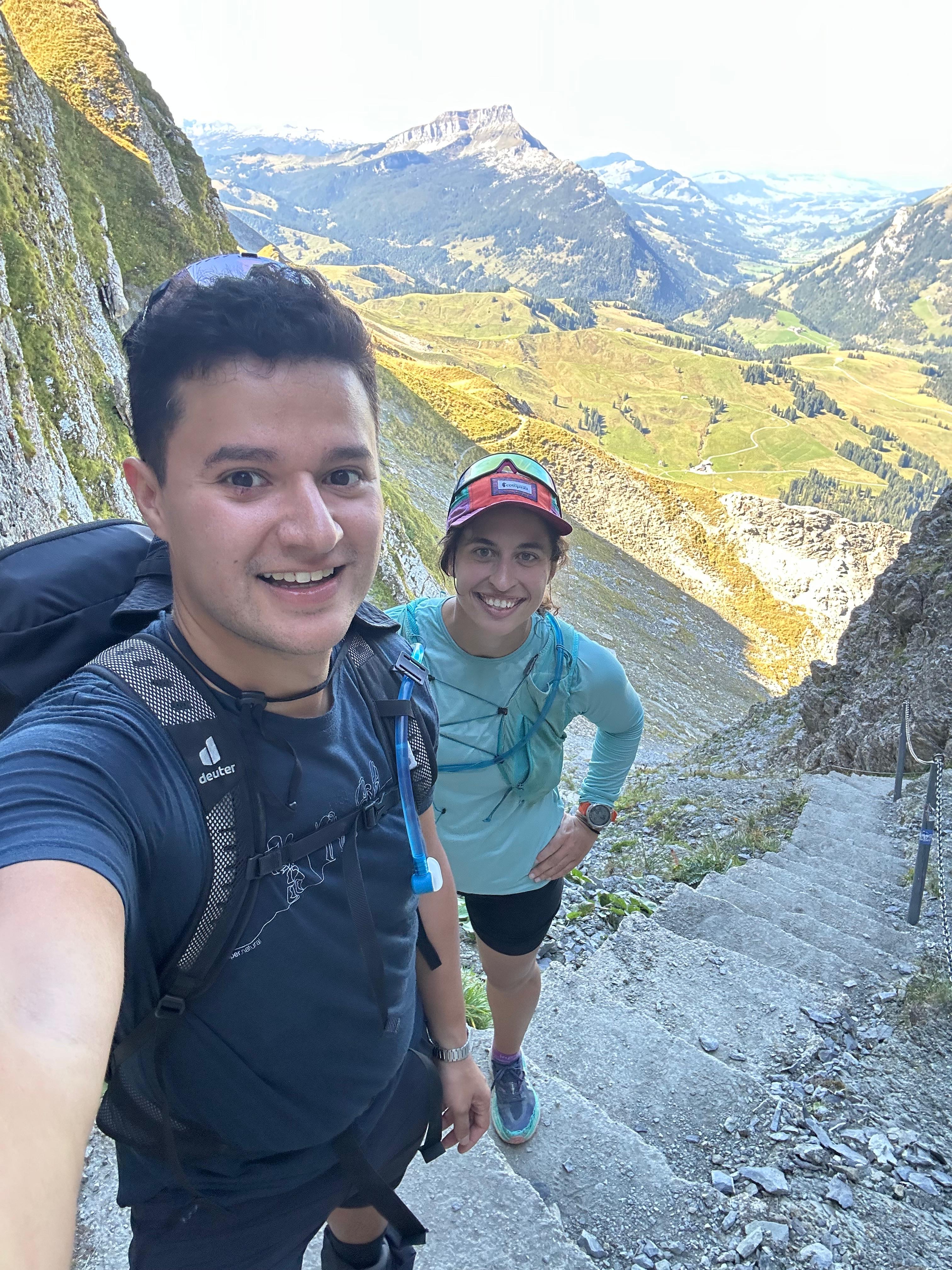
From the village I climbed higher, until the land rose into a ridge that stretched wide and sharp against the sky. The ascent pulled at my lungs, but then the world opened: forests sloping into shadow, meadows streaked with streams, distant peaks blurred by cloud. The trail was narrow, a ribbon of earth suspended between two drops, and each step required balance, awareness, care.
Up there, with wind pressing against me and faint cowbells drifting from far below, the ridge felt like more than a path. It was a metaphor for energy transitions, for life in academia, for the precarious balance of resilience. Walking it was to practice steadiness, to learn how to carry uncertainty while still moving forward.
Bellinzona’s Castles
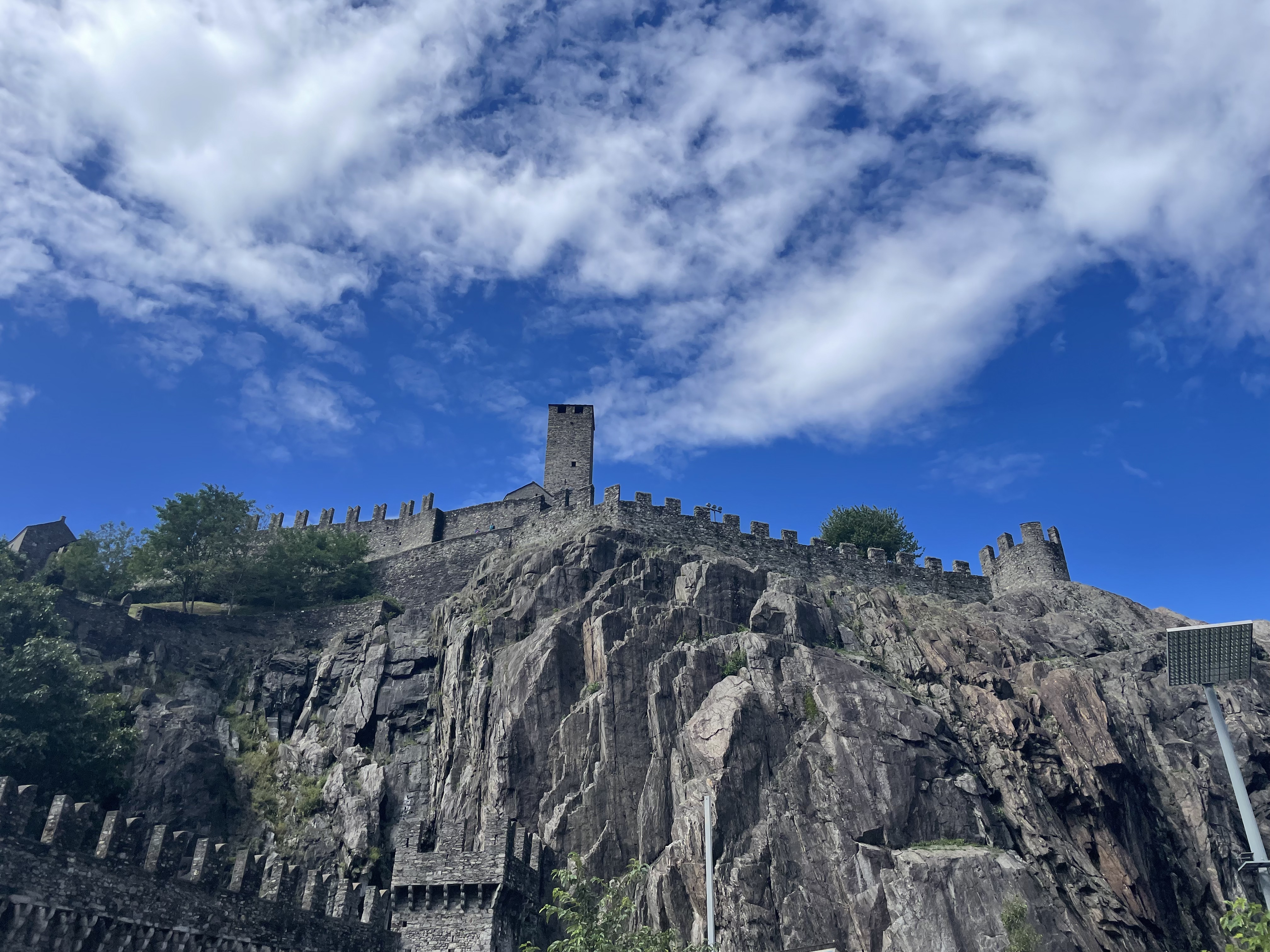
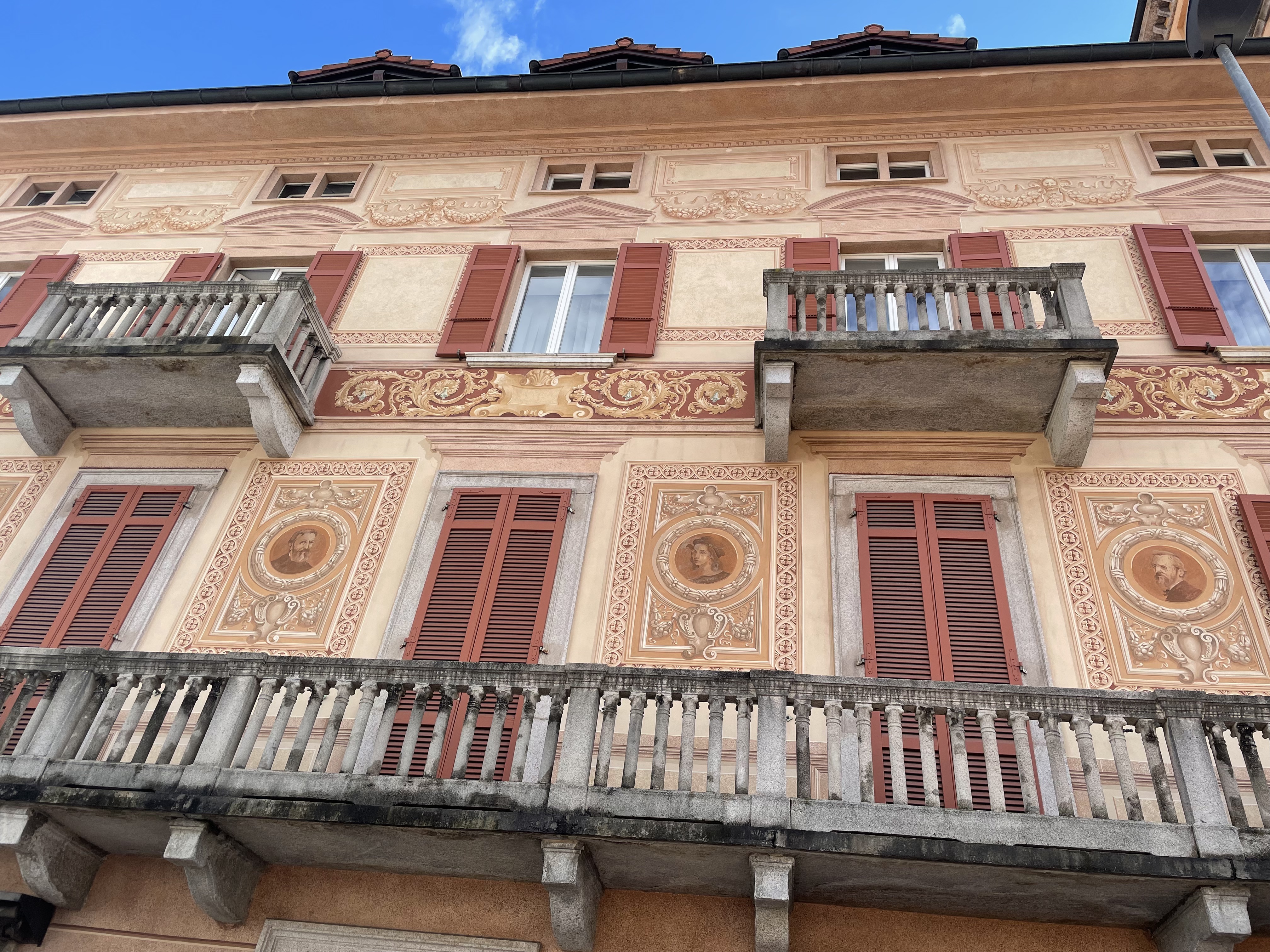
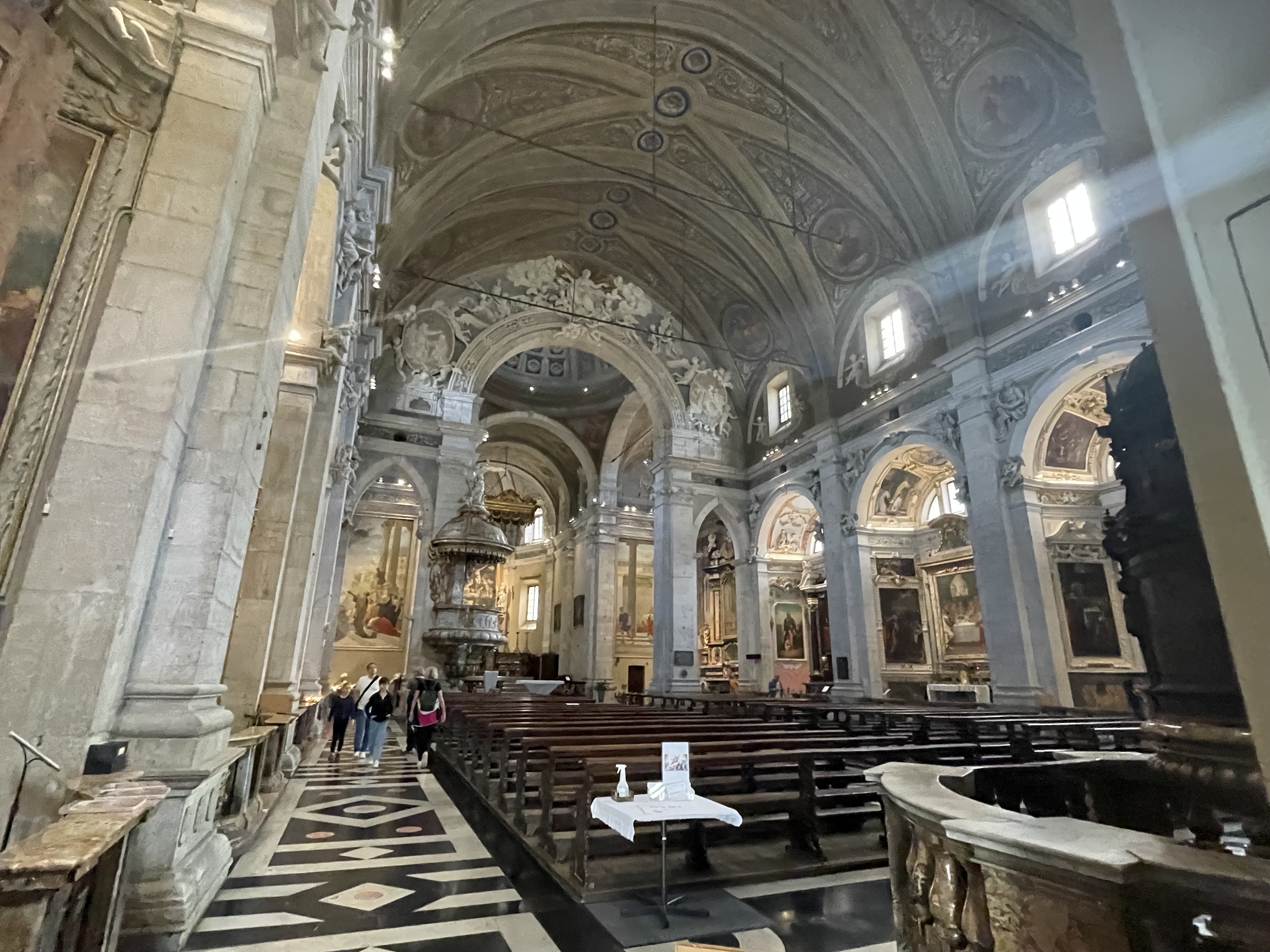
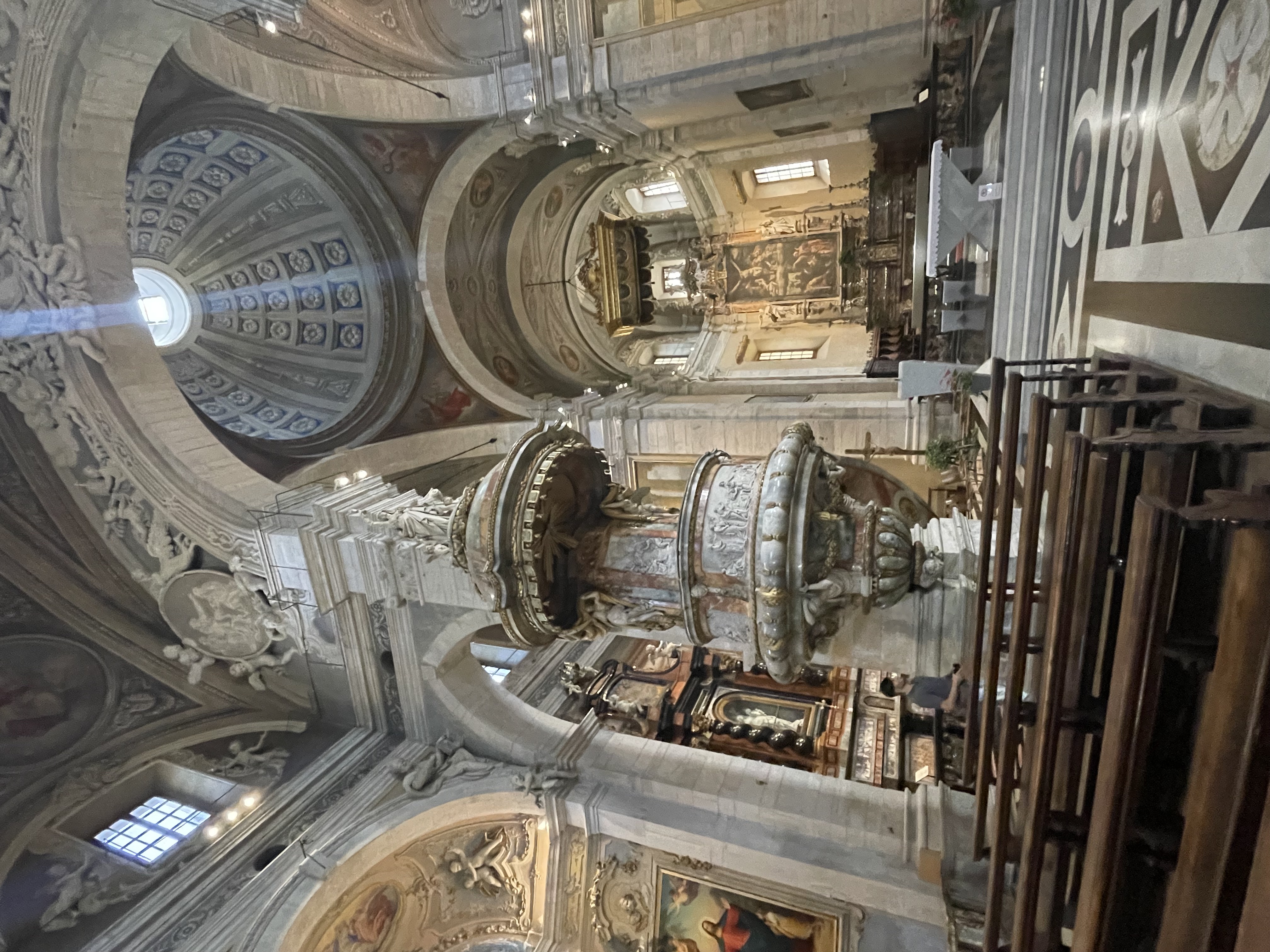
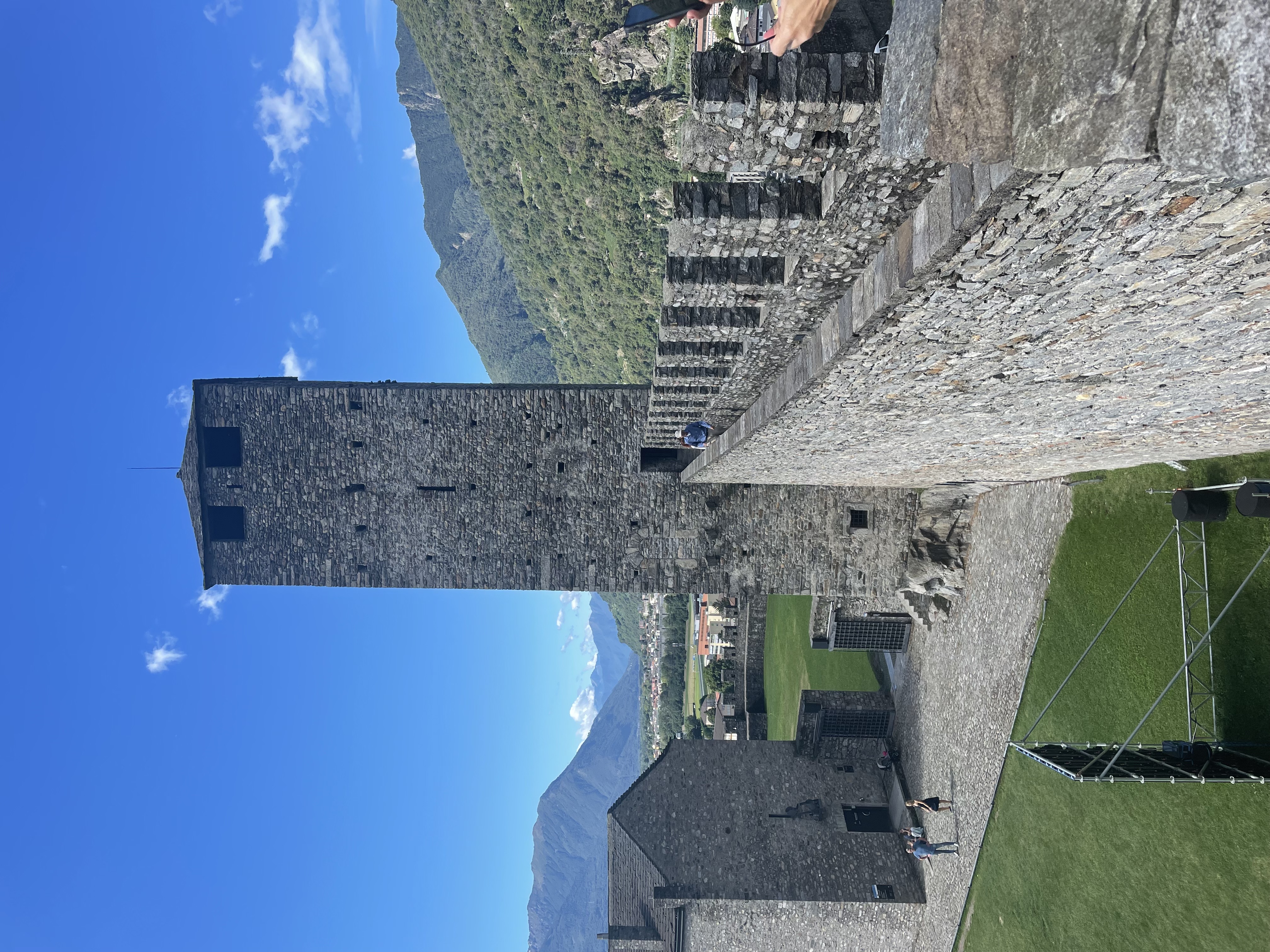
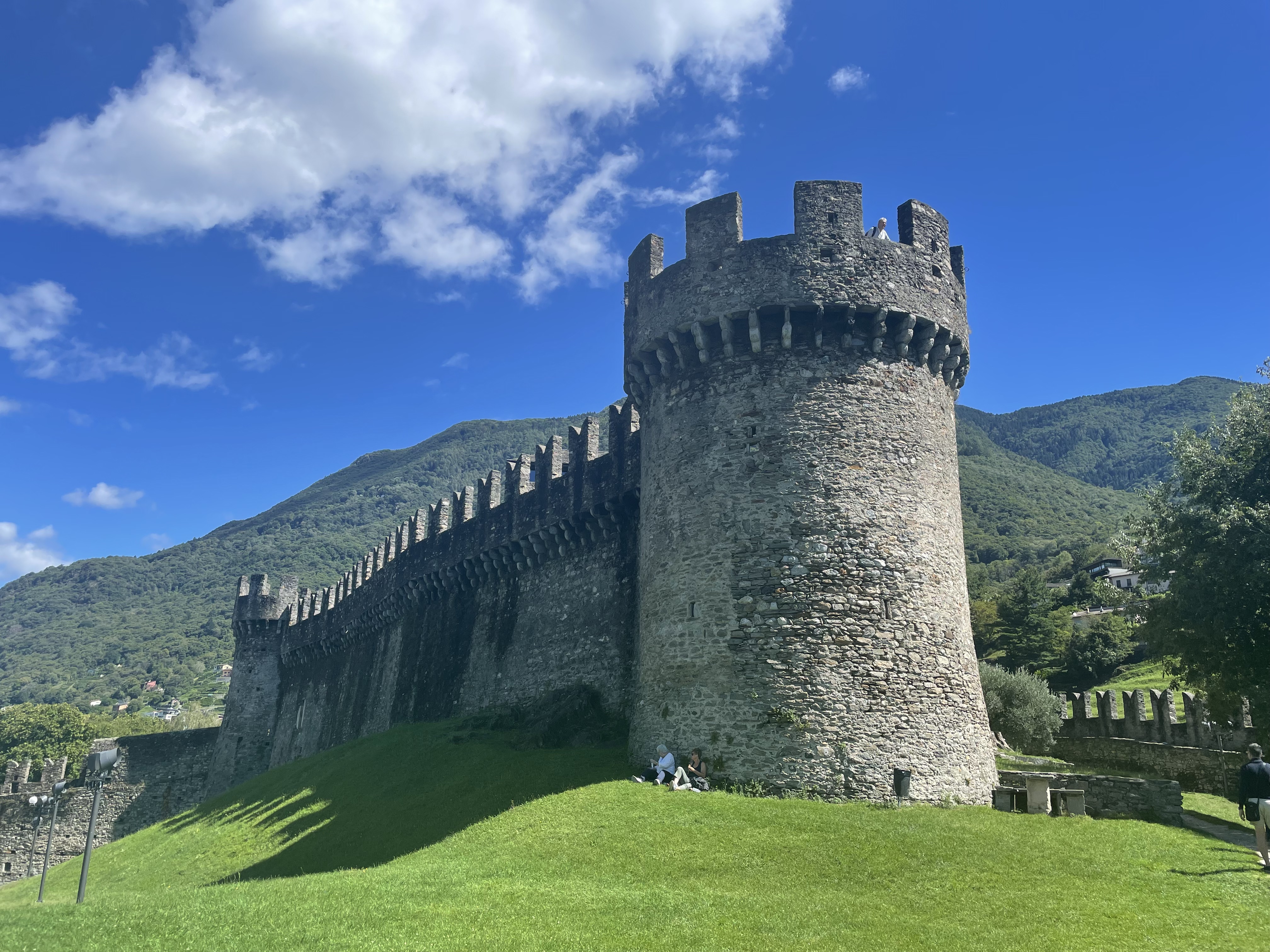
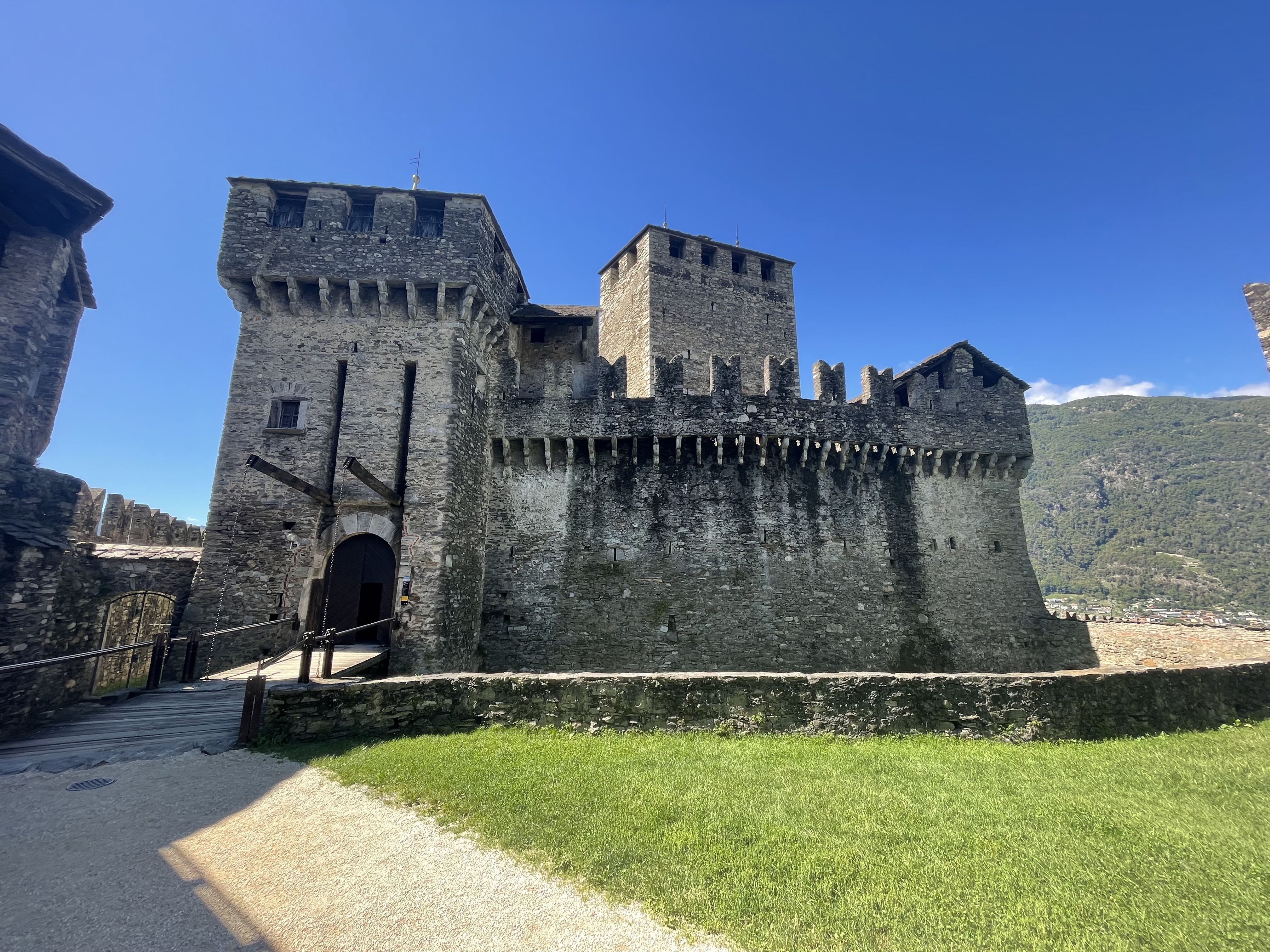
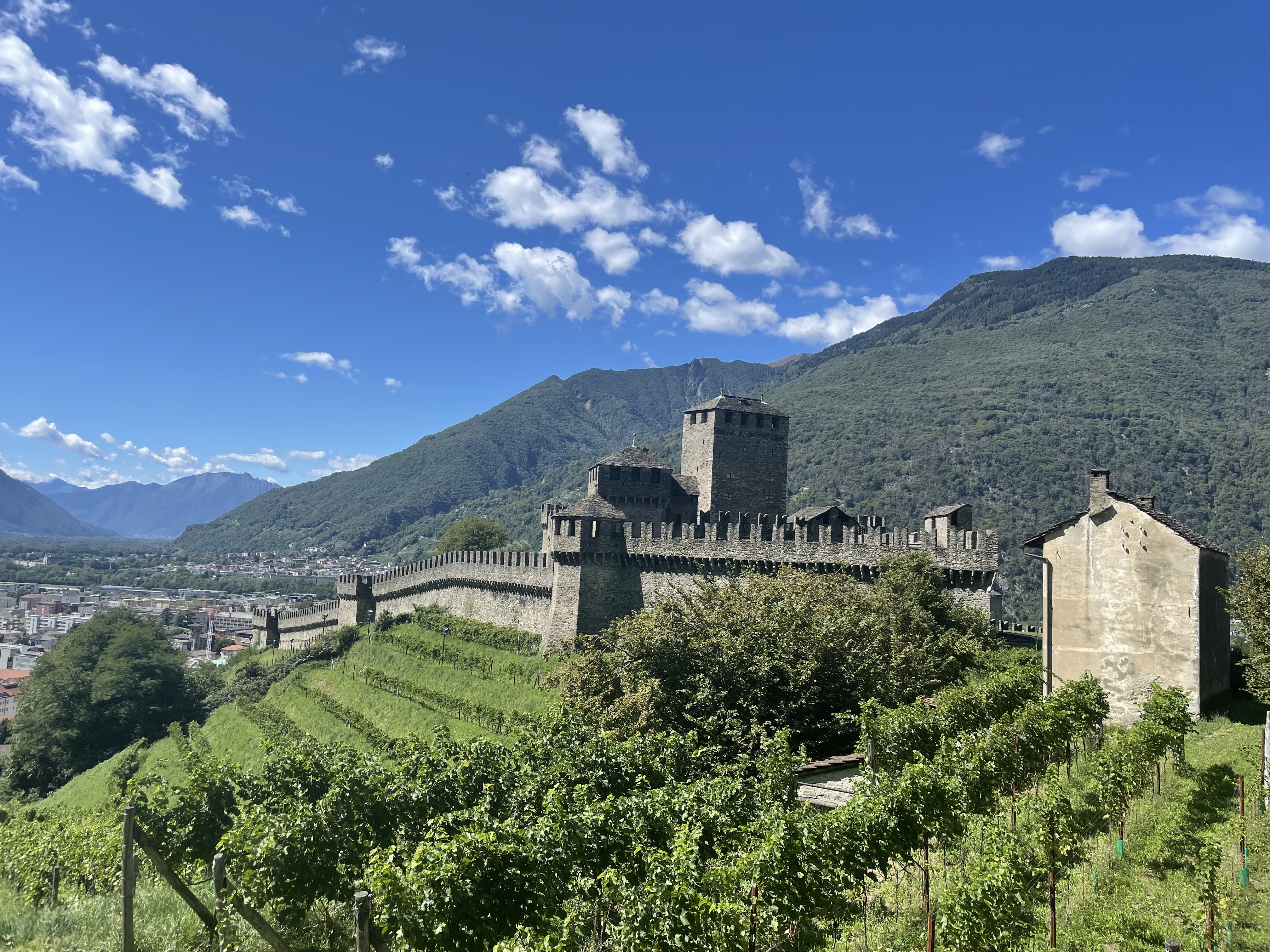
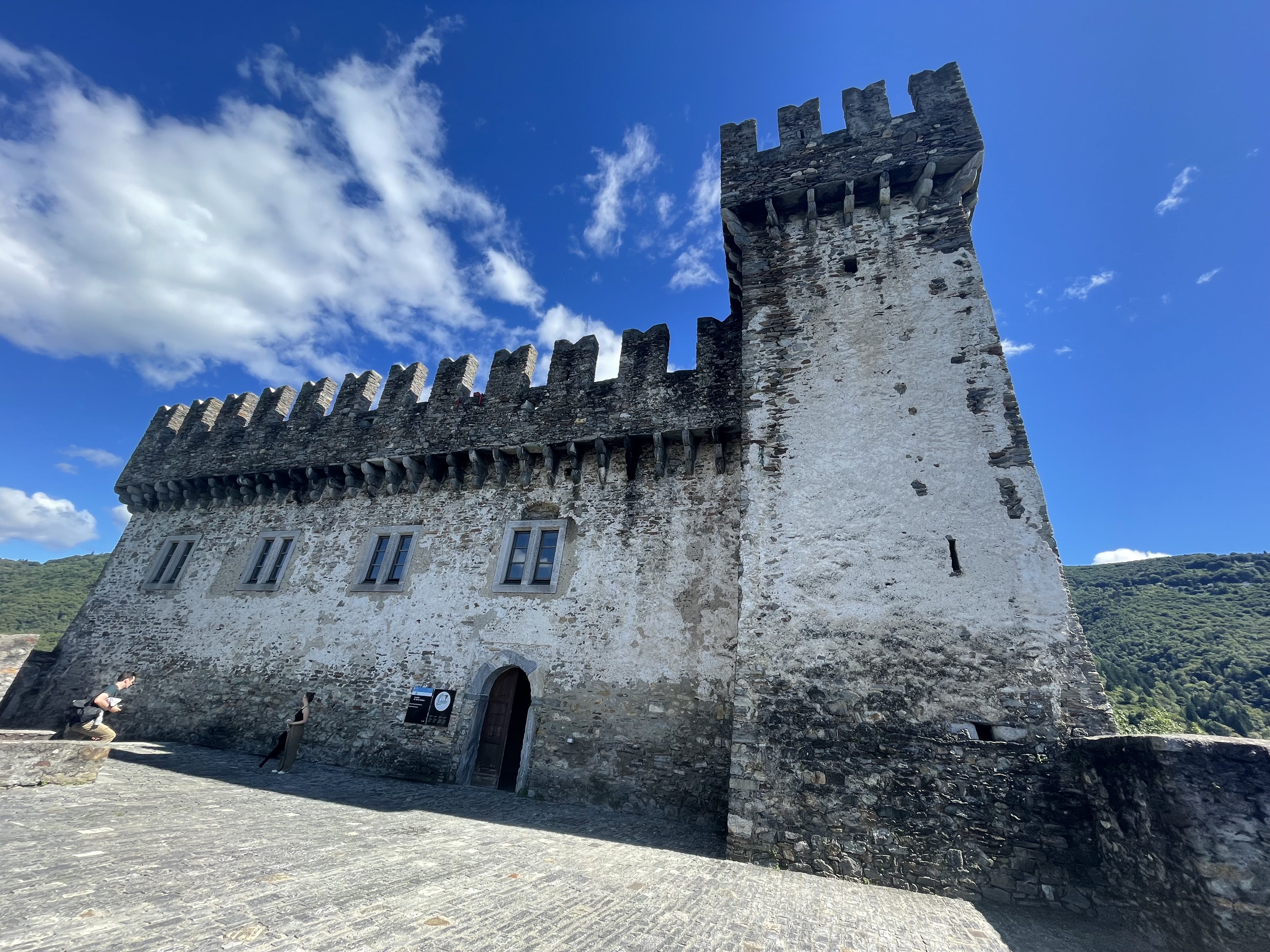
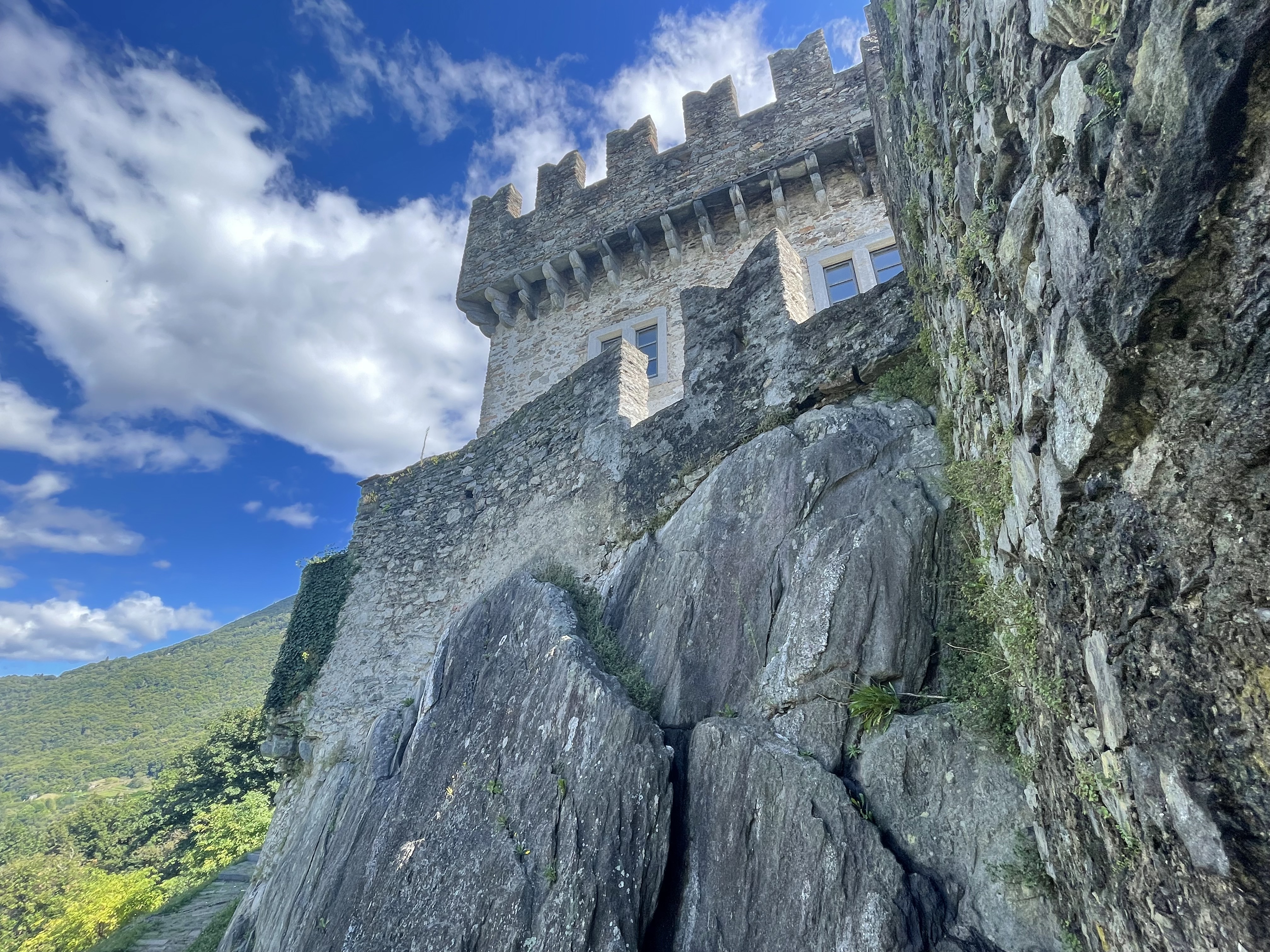
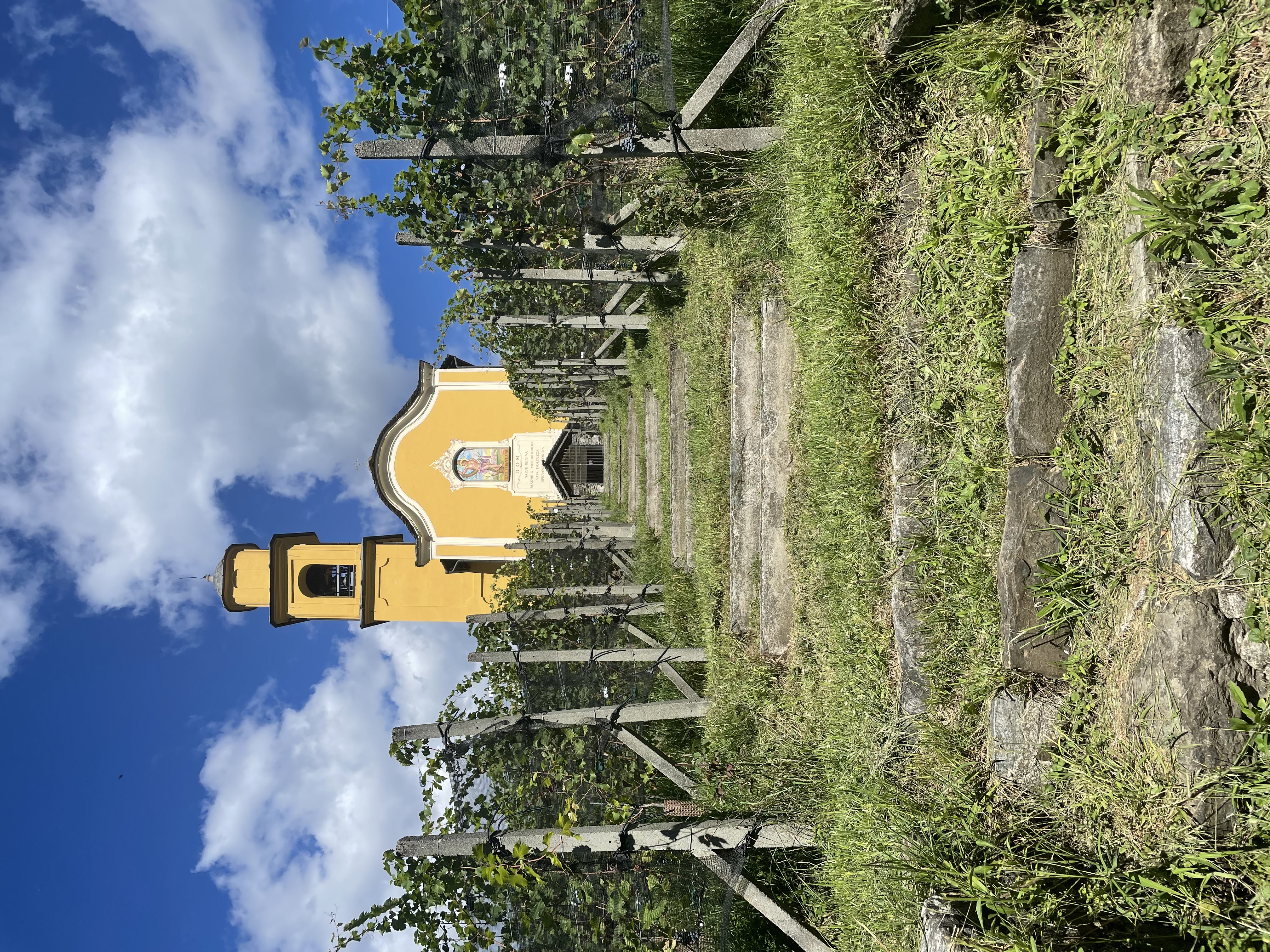
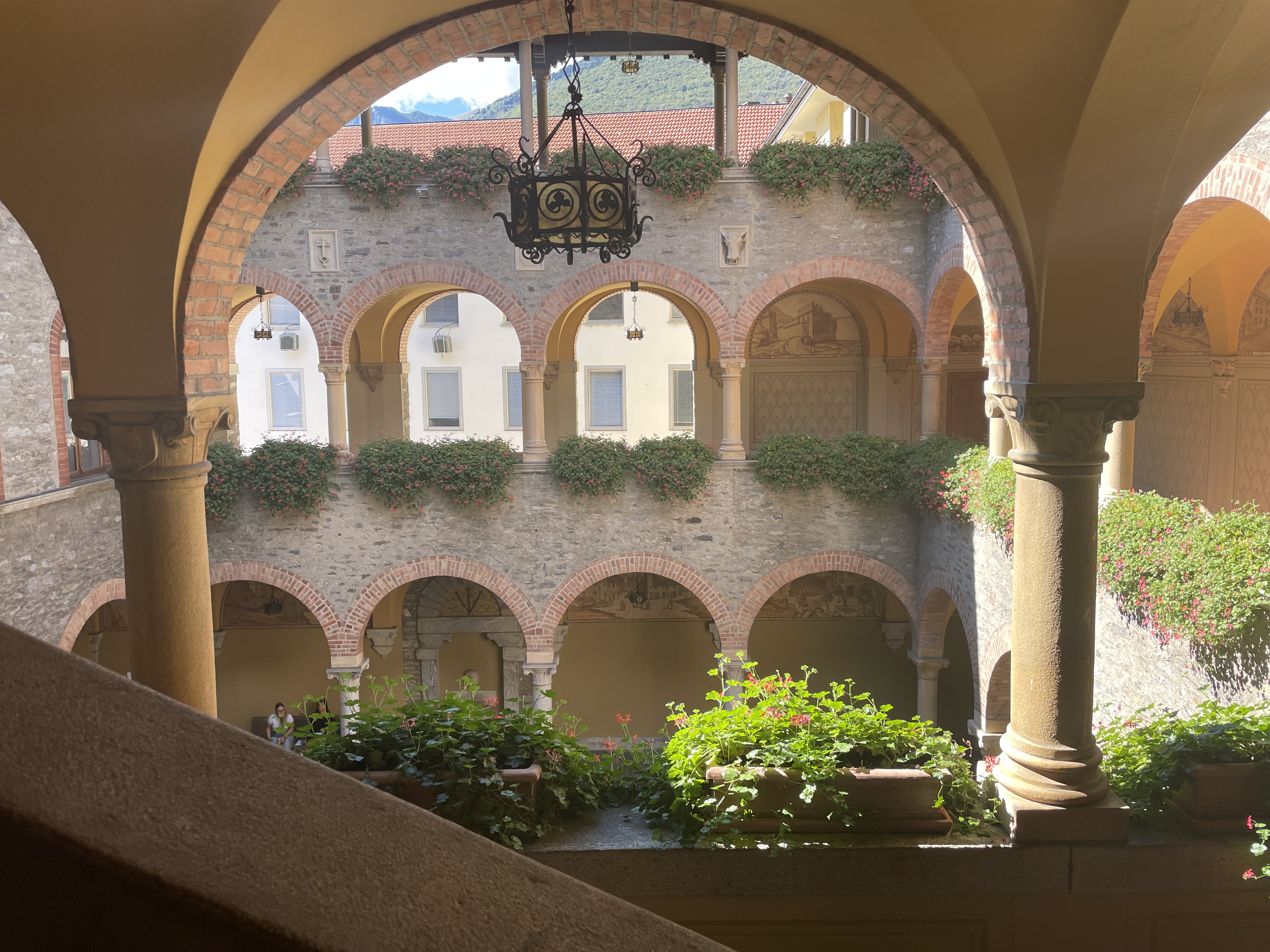
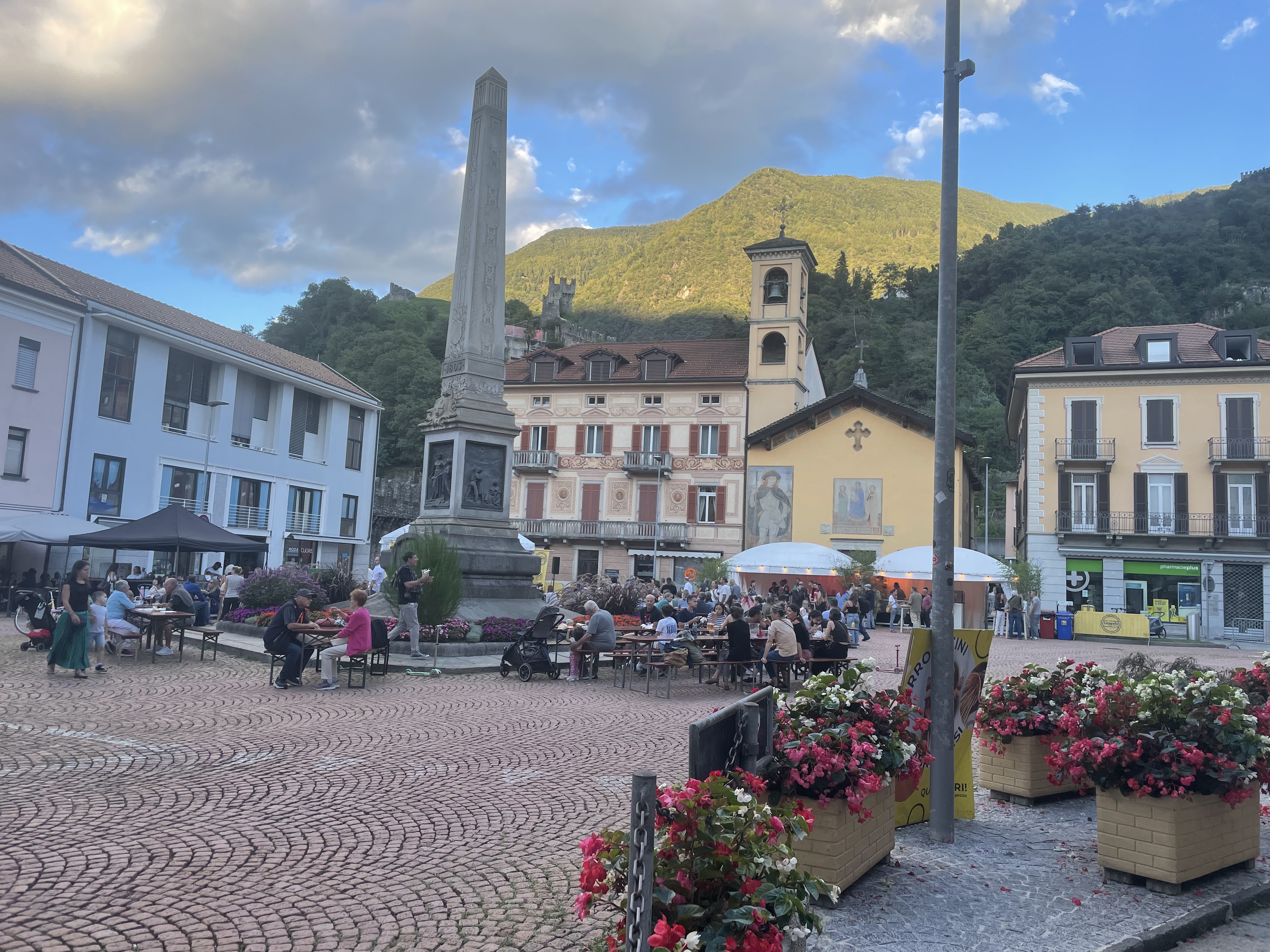
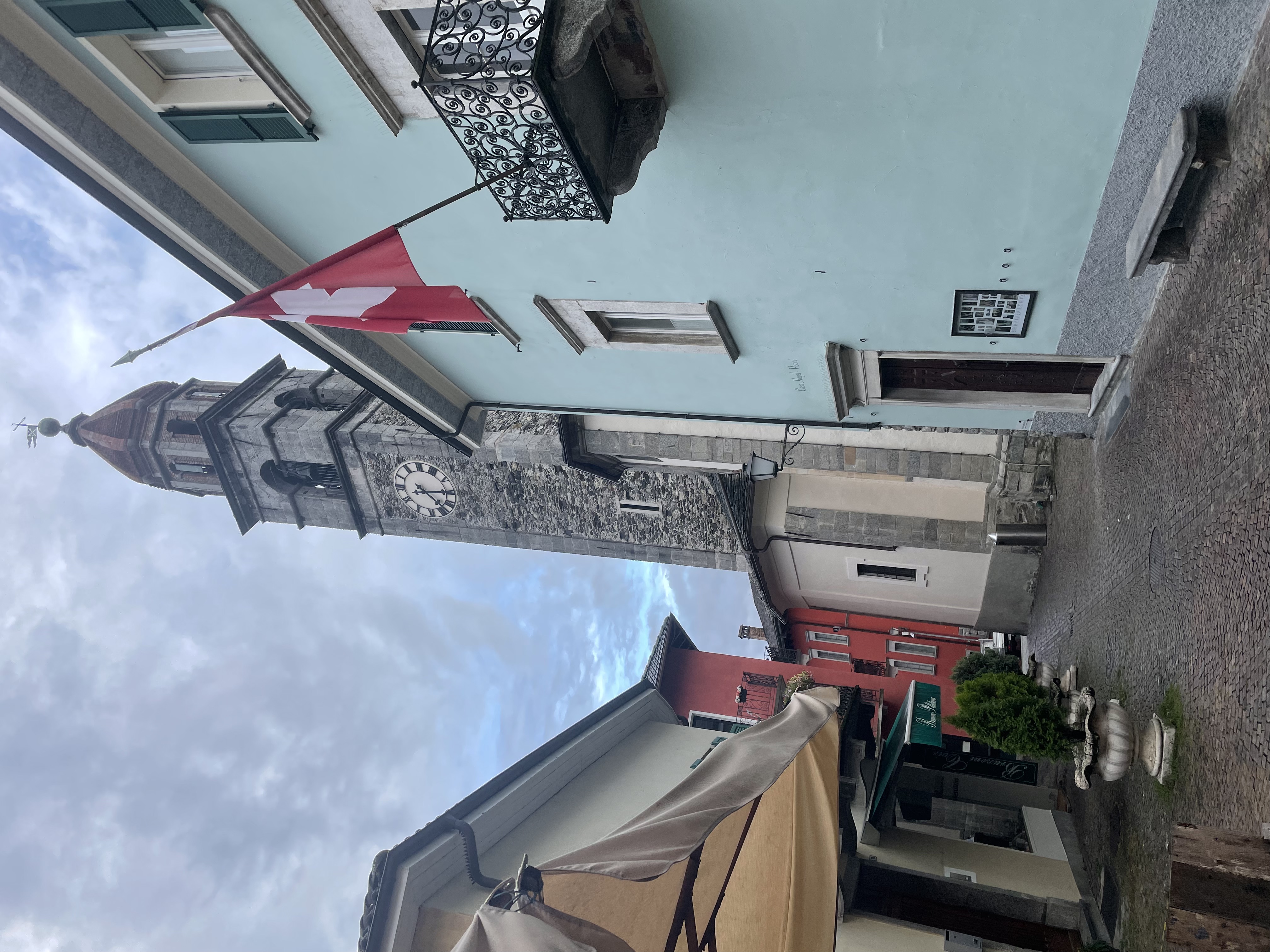
Further south, I stopped in Bellinzona, where three medieval castles, Castelgrande, Montebello, and Sasso Corbaro, rise like stone guardians above the valley floor. Their walls curl across ridges, stitched into the landscape as if the earth itself once demanded fortification.
Climbing their towers, I felt time stretch: centuries of conflict and defense distilled into thick stone, now standing as quiet heritage. From the ramparts, tiled roofs and winding streets spread below, the Ticino river shimmering in the distance. The castles whispered lessons about resilience: how societies guard what matters, how endurance is built.
Running While the World Moves
From Brigels to Sorënberg to Bellinzona, I carried a rhythm: running trails, pausing at thresholds, listening for echoes of endurance. By the time I arrived in Ascona, I was ready to shift inward.
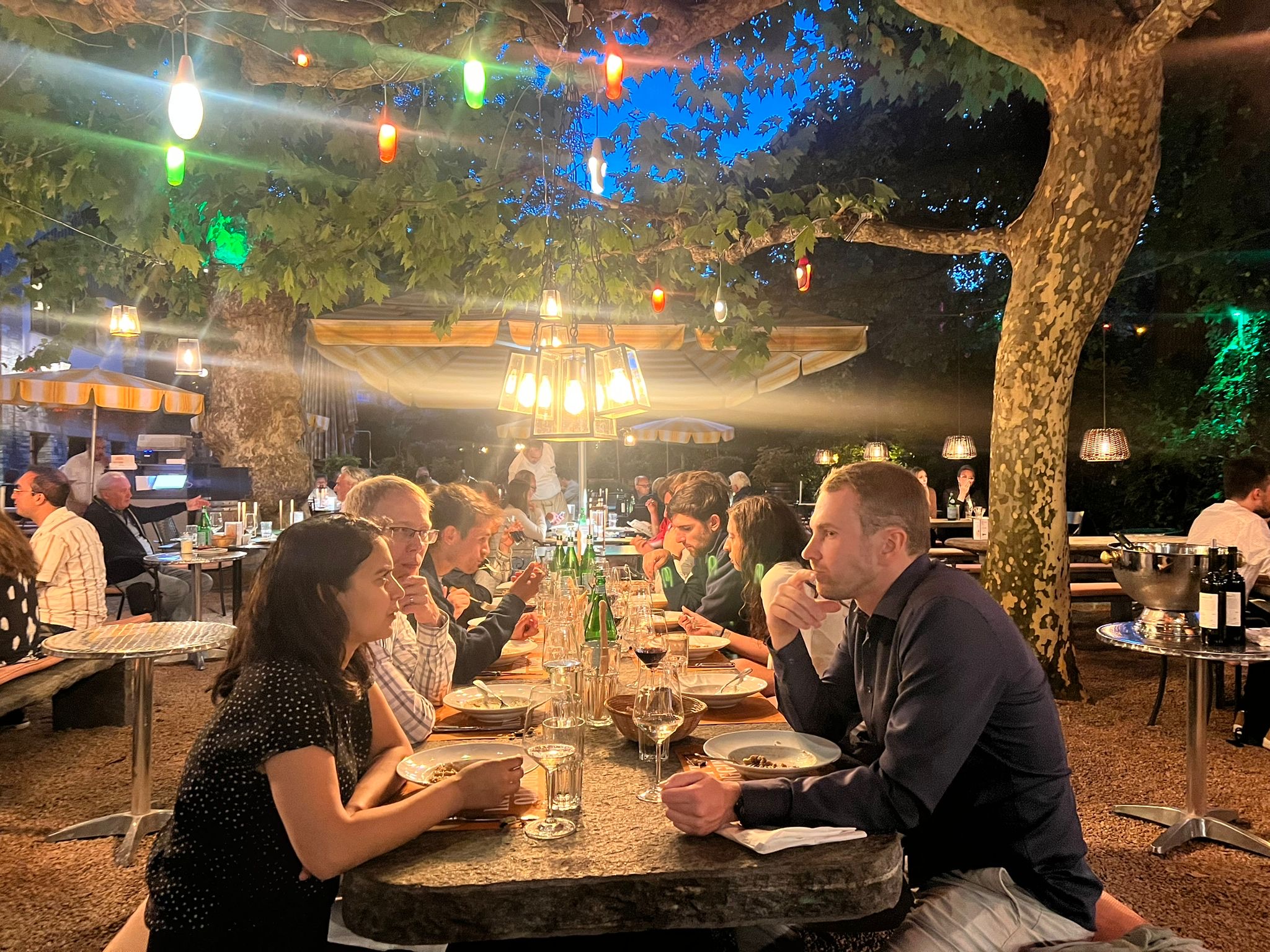
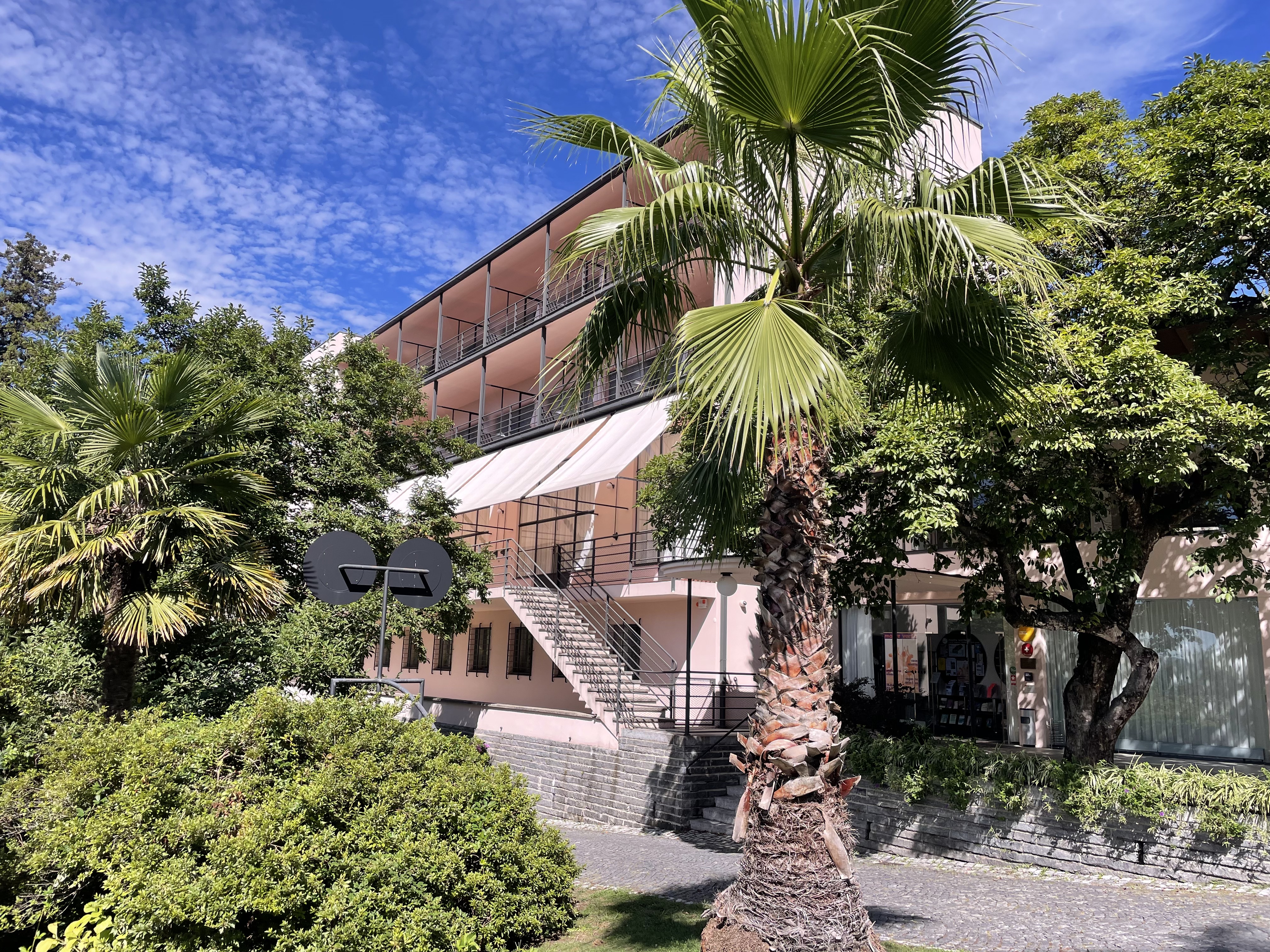
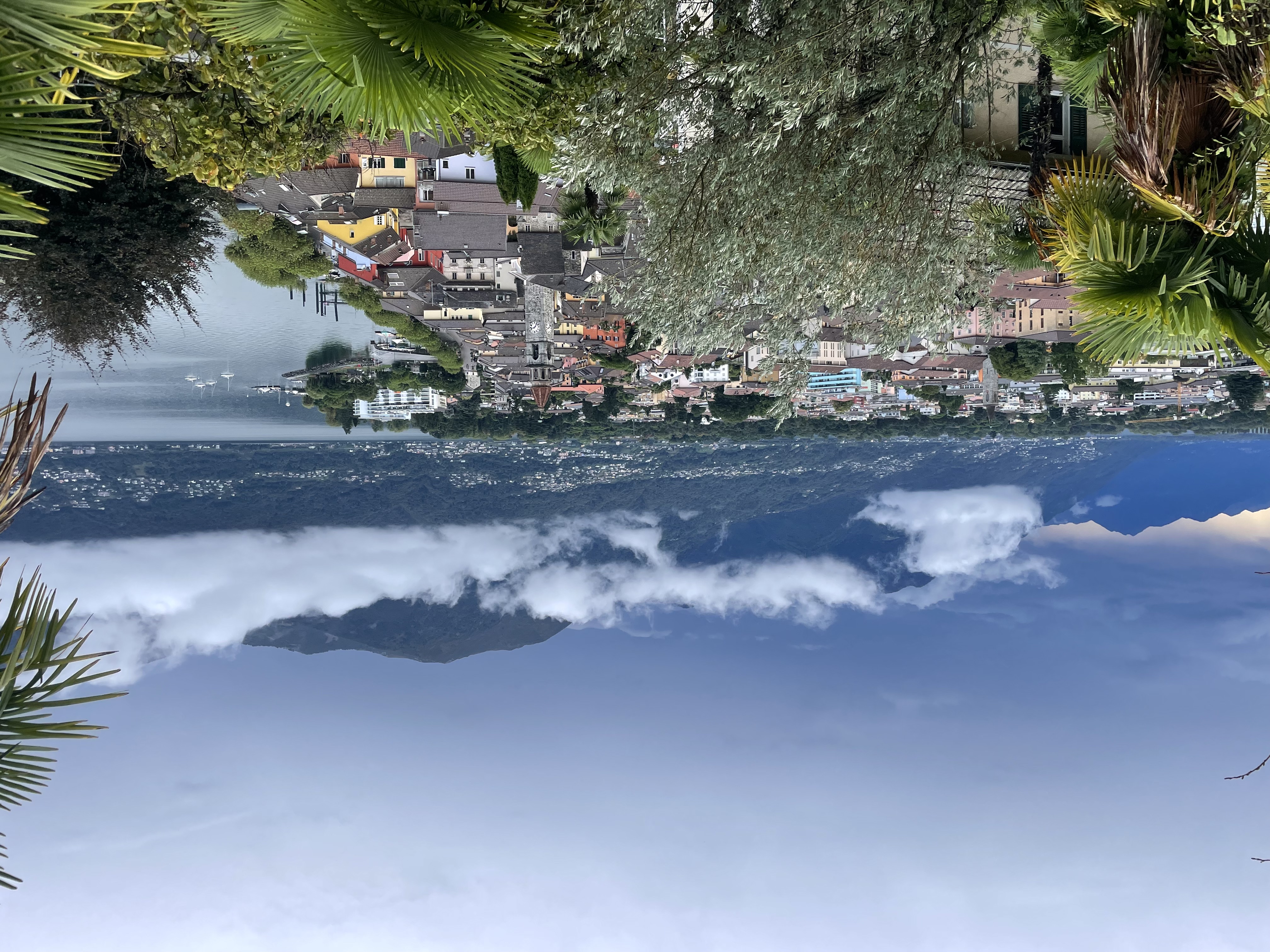
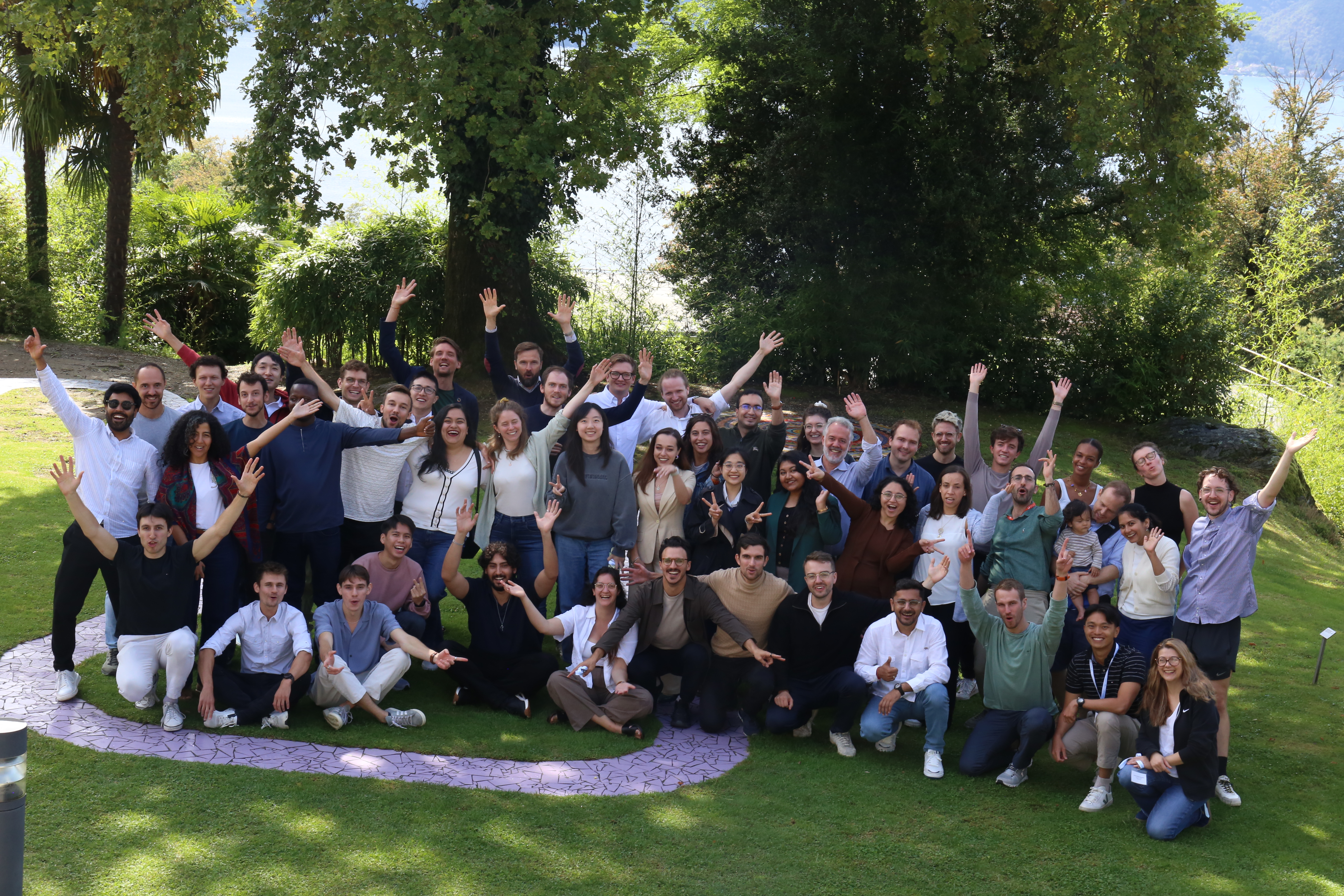
There, at Monte Verità, I joined the ETH Energy Science Center Summer School Navigating the Energy Transition in an Insecure World.
We gathered as early-stage researchers: engineers, social scientists, policy thinkers. Over lectures, workshops, and long debates over coffee, we asked questions that felt both urgent and immense: How do we secure energy in a world of climate chaos and geopolitical fissures? What systems, what technologies, what policies, what ethics will get us there? We were surrounded by ideas, by urgency, by the possibility that thinking together might make a difference.
Where Worlds Mirror
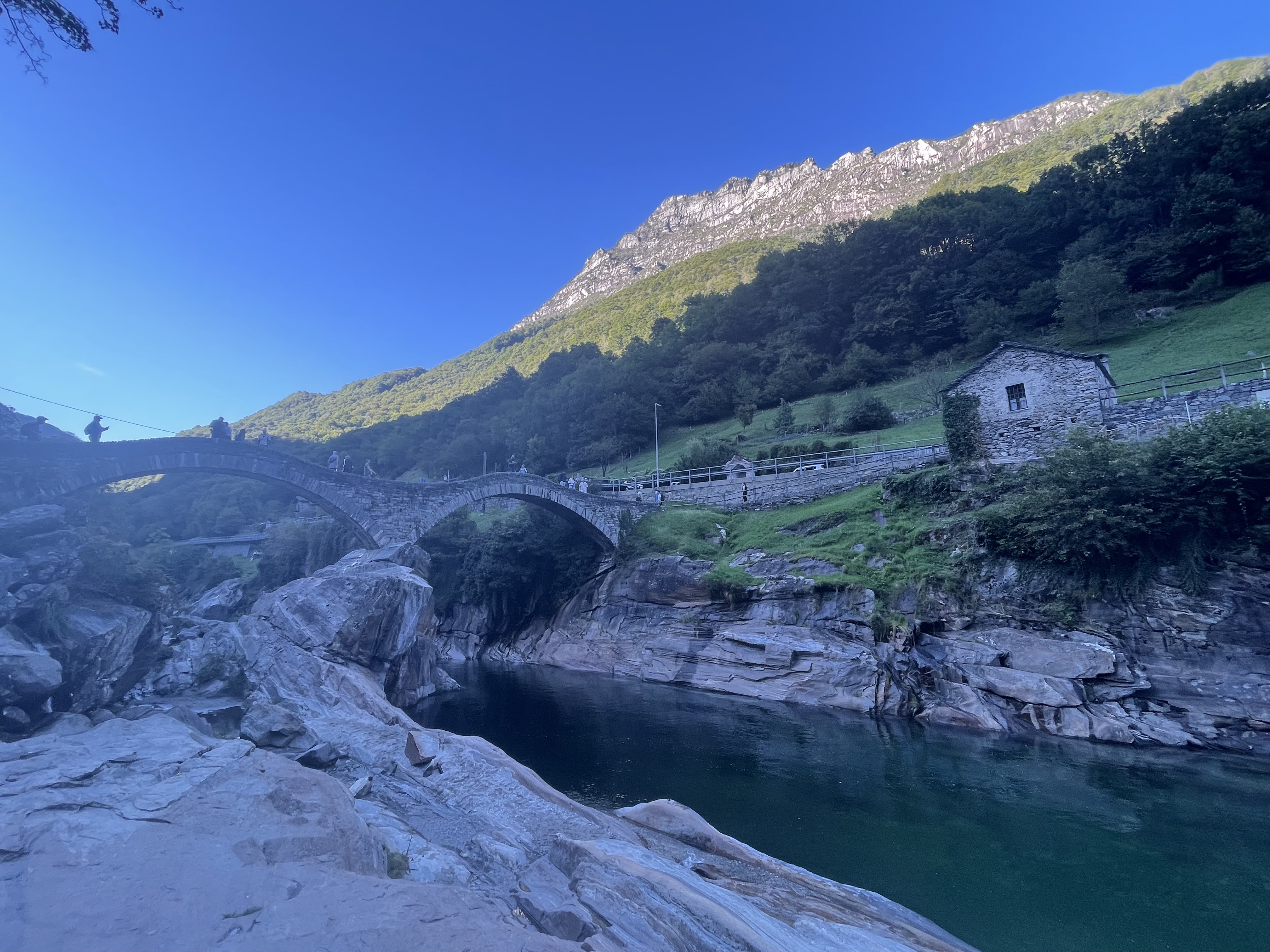
There is something I realized, watching the cows descend in Brigels, walking the quiet streets of Sorënberg, balancing along its ridge, standing on the walls of Bellinzona, and sitting in seminars about transitions and resilience: all of them deal with passage, endurance, and thresholds.
The cows descend after summer, after grazing, after exposure, after being high above. Their descent is necessary, cyclical, expected, even joyous in ritual.
Sorënberg, quiet in its biosphere reserve, showed me how landscapes themselves pace resilience: slow growth, steady rhythms, the humility of living within limits.
The ridge above Sorënberg taught me balance: the precarious act of walking a line between valleys, like navigating between futures.
The castles of Bellinzona speak of centuries of guarding and adaptation: fortifications that once divided now endure as heritage, reminders of resilience in uncertain times.
In Ascona, we spoke of energy systems that must descend too: from high emission, resource-wasting modes to lower carbon, more distributed, more equitable forms.
And within myself, I too crossed a threshold: passing my PhD comprehensive exam, the slow ascent of years of study giving way to a new stage of research, uncertainty, and creation.
The bells of Brigels, the silence of Sorënberg, the ridge winds above it, the walls of Bellinzona, the voices in Ascona, the stillness after reading my exam results — they all rang with the same clarity: a transition had occurred.
Lessons from Hills, Villages, Ridges, Castles, Lecture Halls, and the Exam Room
Running through Brigels taught me to notice small things: the way light breaks through pine needles, the pattern of hoofprints in soft earth, the shift in temperature when crossing a ridge. Sorënberg taught me patience: how quiet places teach resilience without spectacle. Its ridge taught me balance, the art of holding two perspectives at once. Bellinzona taught me that resilience is built stone by stone, wall by wall, often invisibly until the test comes. In Ascona, I learned to notice system patterns: how policy dialogues shape what counts as secure energy; how innovation is not just technology but institutions and trust; how resilience requires humility as much as design. And in the quiet aftermath of my exam, I learned that milestones are less a peak than a doorway: you walk through, carrying both pride and responsibility.
I came away believing that transitions — whether of cows returning from alpine heights, villages resting in silence, ridges demanding balance, castles standing guard across centuries, energy systems shifting toward the future, or PhD students moving deeper into their work — must be rooted in landscape, in people, in rhythm. That you can’t force them; you can’t speed them up without breaking something. That descent without ceremony is impoverished, and ascent without purpose is hollow.
Looking Ahead
Now I sit again in London, my time here already fleeting. The rush of the city will soon carry me elsewhere, but I hold in me the clang of cowbells, the hush of Sorënberg forests, the wind of its ridge, the weight of stone walls, and equations of energy policy in my notebook. Switzerland lingers even here, in the heart of London’s tempo, reminding me that transitions — whether of cows, castles, energy systems, or PhDs — move with rhythm, ceremony, and patience, no matter the city around you. Stories from London and an Oct. full of travels are yet to come…
Cheerio,
- Jasmine