Fountains and Folklore: Tales, Temples, and Timeless Streets of the Mediterranean
Bongu from Valletta!
Autumn had begun to color Europe in golds and amber when I arrived in Malta, a jewel of the Mediterranean whose history is as layered as the limestone streets that wind through its cities. My first stop was Valletta, where I attended the IEEE ISGT Europe Conference, presenting my research on power systems resilience. Yet between panels, workshops, and networking, I wandered, absorbing centuries of history, culture, and superstition, feeling the rhythm of the island in every stone, every alleyway, and every whisper of the sea breeze.
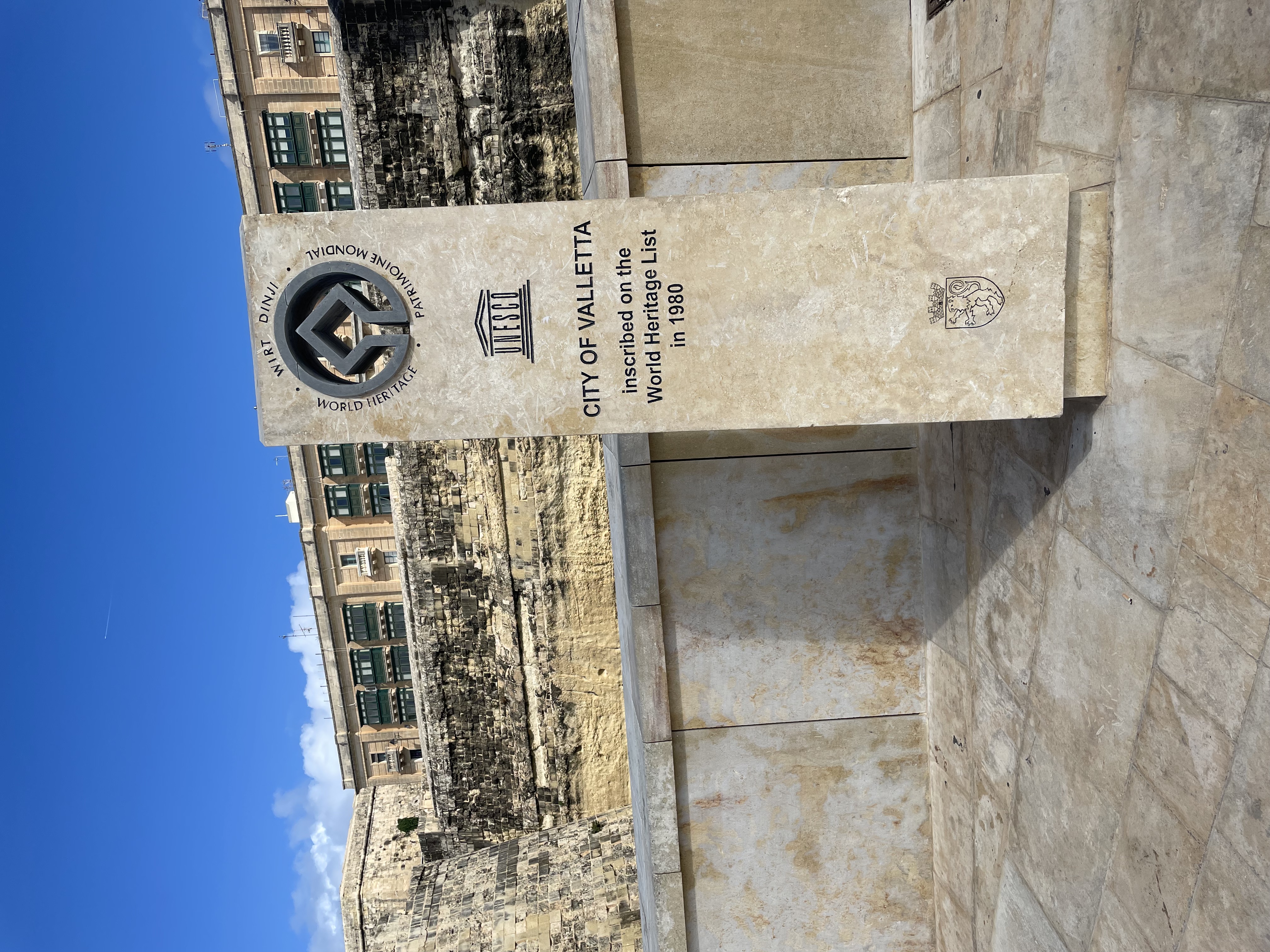
Valletta: Fortresses, Palaces, and UNESCO Heritage
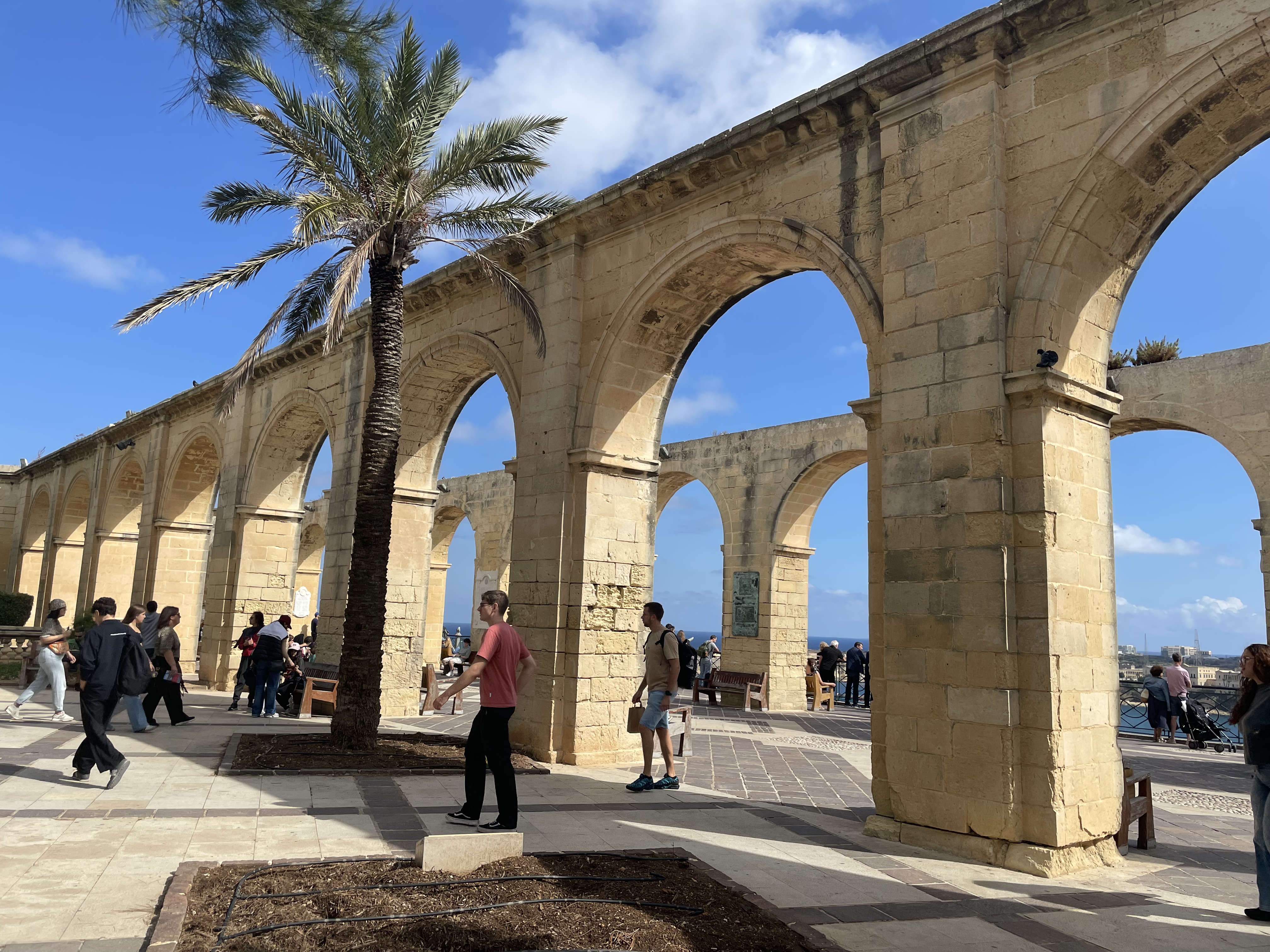
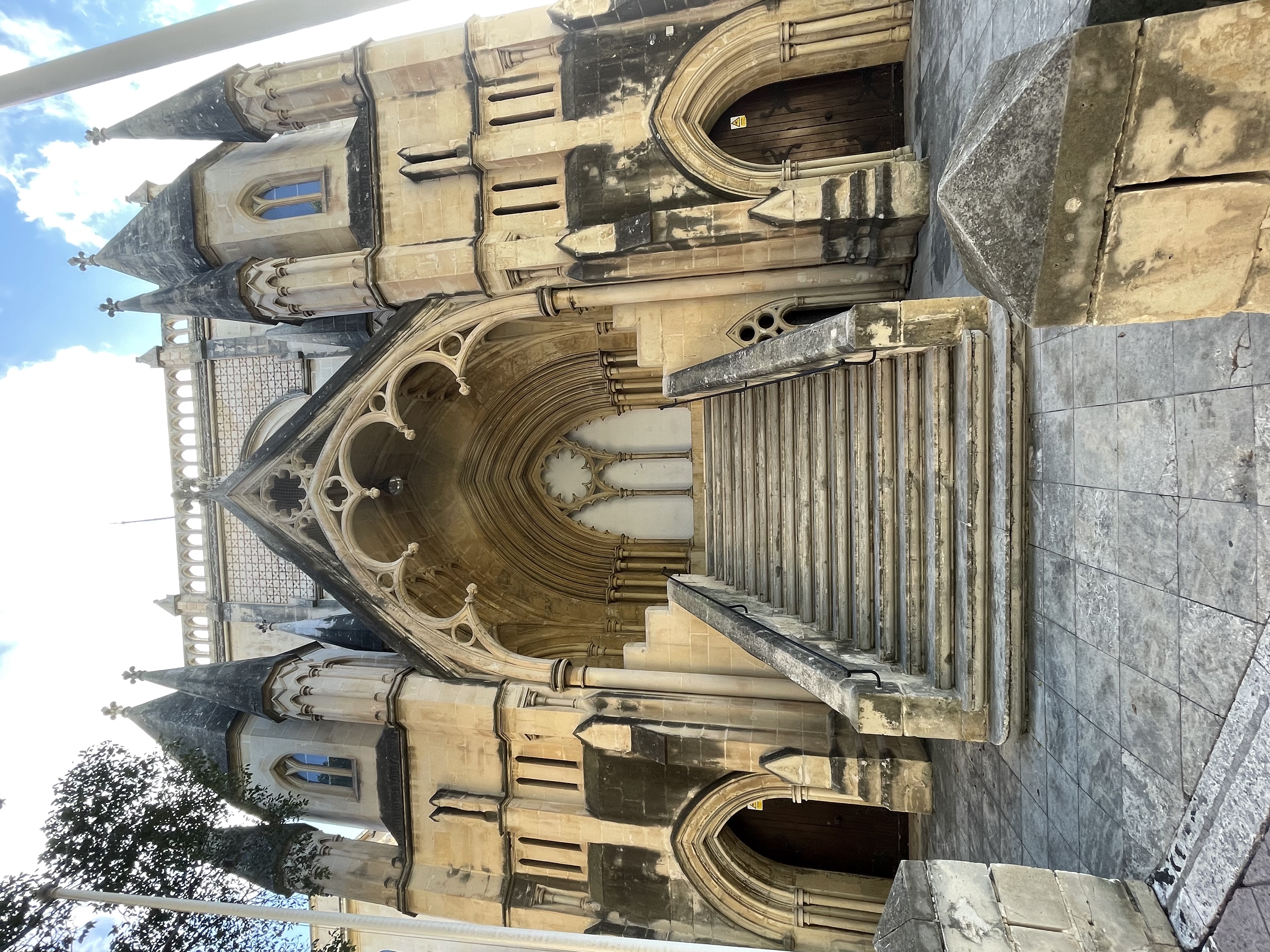
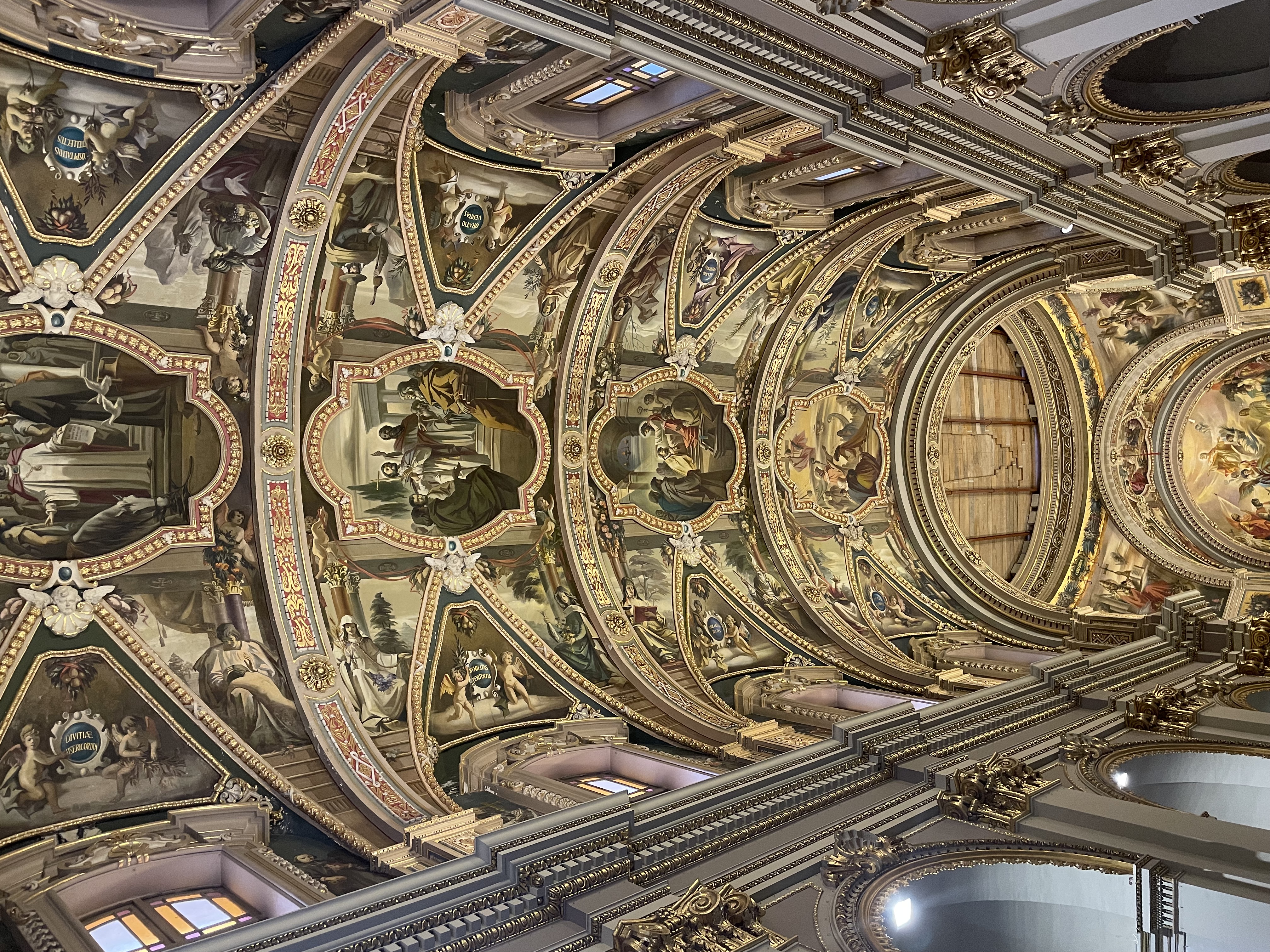
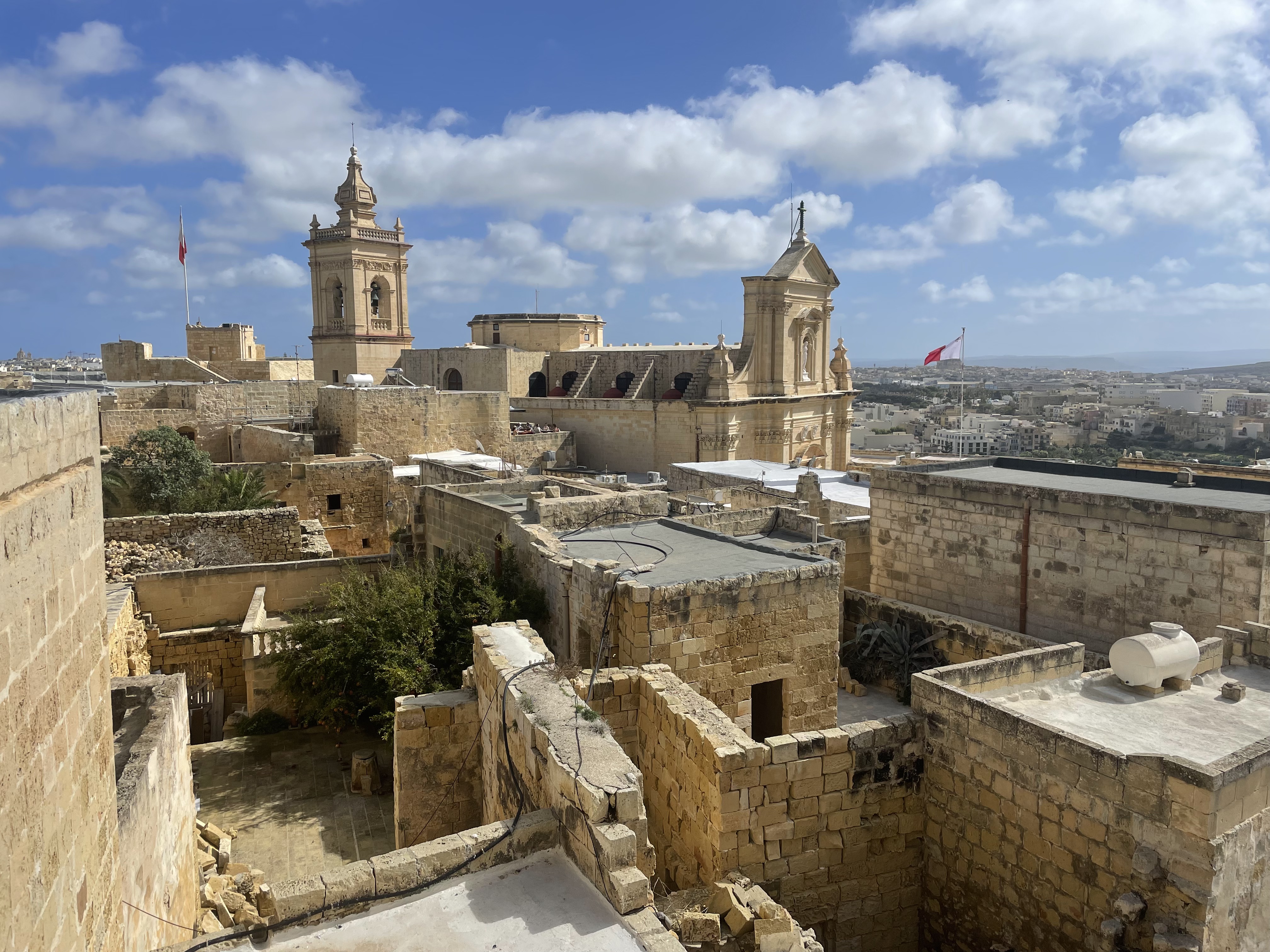
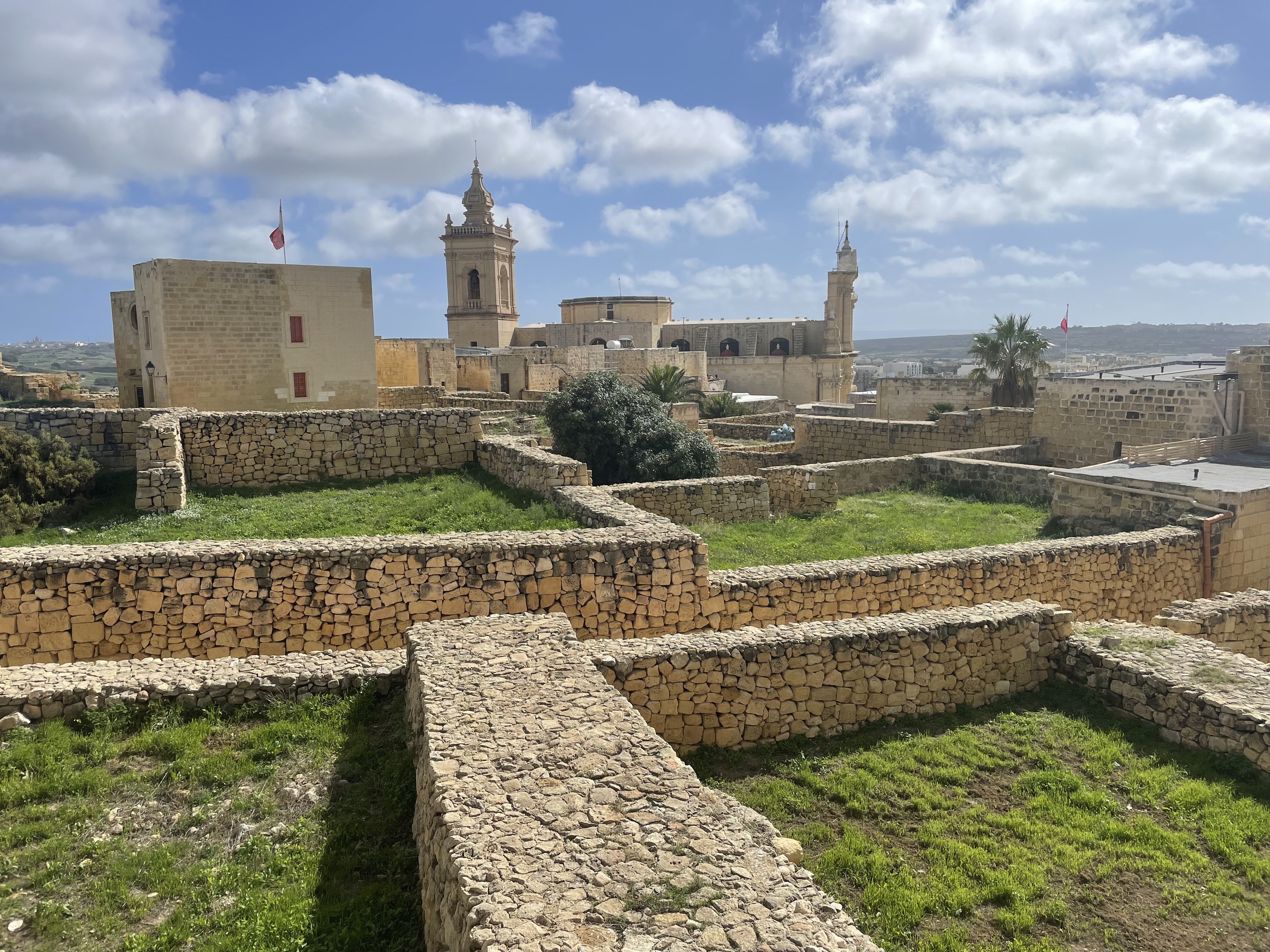
Founded after the Great Siege of 1565, when the Knights Hospitaller defended Malta against the Ottomans, Valletta is a city born of necessity and ambition. Its strategic Mediterranean location has made it a prize for conquerors for millennia: Phoenicians, Romans, Arabs, Normans, the Knights of St. John, French, and British have all left their mark. Walking the streets, one reads history in limestone: towering bastions, Baroque palaces, and ornate churches echo centuries of devotion, defense, and diplomacy.
Valletta’s streets, while narrow, pulse with life. Cafés spill onto sidewalks, the smell of qagħaq tal-għasel (Maltese honey rings) mixes with salty harbor air, and church bells mark the passage of time, a cadence felt deep in the chest. The city is a UNESCO World Heritage Site, and every corner feels deliberate — the placement of fountains, the arc of an arch, the careful symmetry of a palace façade all telling of a city planned for both beauty and fortitude.
Even as I navigated conference sessions, presenting my work alongside researchers from across Europe, I felt the metaphorical resonance: Malta itself embodies resilience, maintaining balance amid centuries of external pressures and internal adaptation.
The Three Cities: A Living History Across the Harbor
A short ferry ride brought me to the Three Cities — Birgu, Bormla, and Senglea — smaller, quieter counterparts to bustling Valletta. These towns were central during the Great Siege and have been continuously inhabited for centuries, with streets winding in defense of history and memory. Walking their alleys is like moving through time itself. Limestone walls absorb the sun by day and hold shadows by night; old chapels quietly witness the rhythm of local life.
Superstition still lingers in everyday gestures. Small charms hang in doorways to ward off l-ispirtu ħażin (evil spirits), and villagers cross thresholds with ritual words or a sprinkle of salt. I watched fishermen and farmers whisper prayers while passing certain cliffs, and locals insist clocks are sometimes set a “false” time to confuse the devil, a charming and persistent practice that seems to link the past to present life.
Gozo: Temples, Cliffs, and Sacred Folklore
From Malta, a ferry carried me to Gozo, smaller, greener, and steeped in sacred history. Here, the Ġgantija Temples, some of the oldest free-standing structures in the world, rise from the earth in silent majesty. Over 5,000 years old, these UNESCO World Heritage Sites speak of prehistoric ingenuity, collective effort, and spiritual devotion. Walking among the massive stones, I could almost hear the hands of ancient builders shaping their world, creating structures whose weight and purpose outlast millennia.
Gozo’s folklore is as vivid as its landscape. The island is dotted with tales of protective spirits, mischievous fairies, and warnings to keep the ħażin (evil) at bay. Villagers still set clocks to a different hour to confuse the devil and keep misfortune away, a tradition that turns time itself into a form of magic. Walking along cliff edges, past vineyards and golden fields, I saw women leaving small offerings of bread and herbs on thresholds, whispered prayers mingling with the wind. The air felt thick with stories, superstition, and history, all rooted in the rhythms of the land and sea.
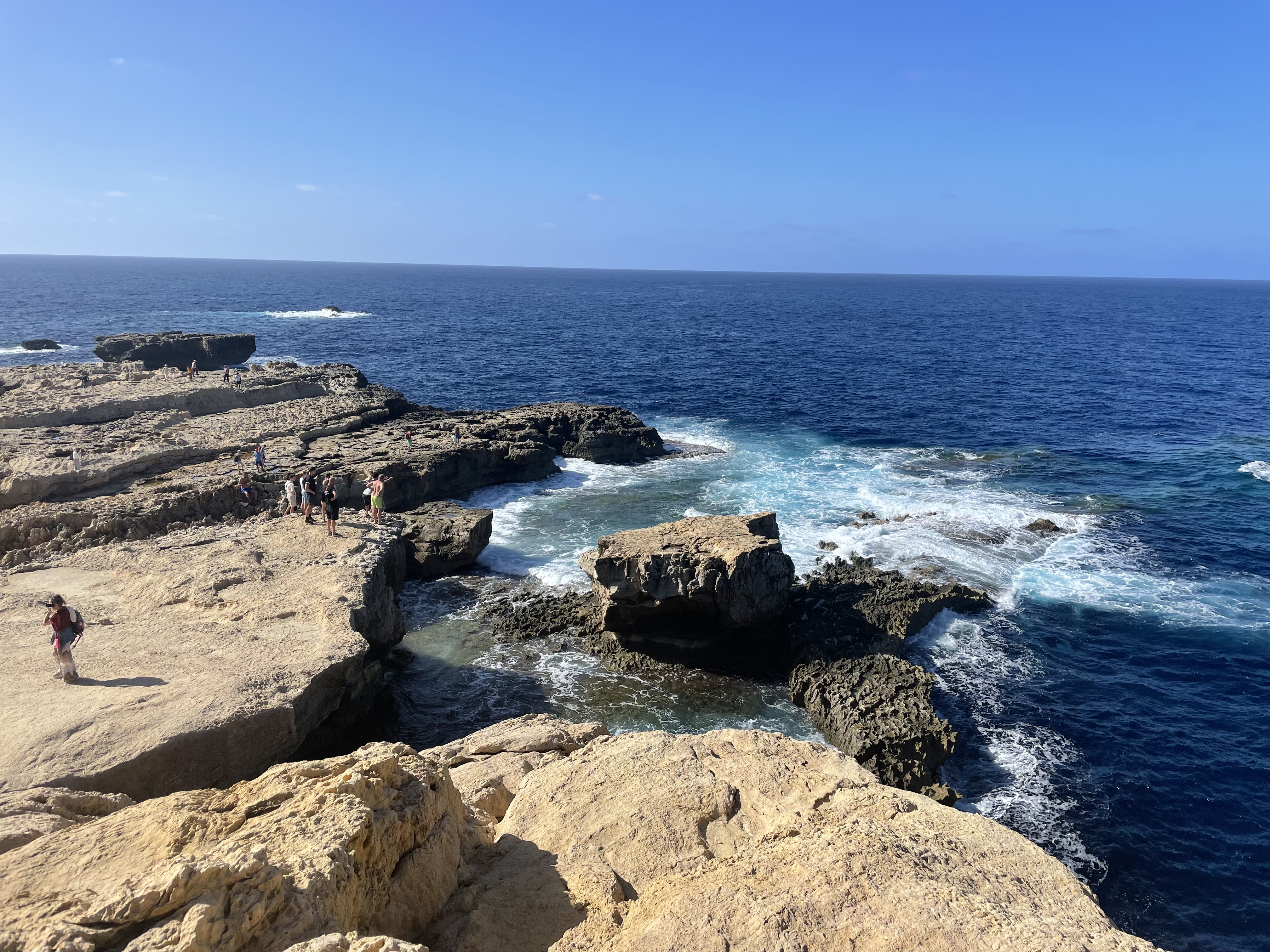
Cliffs overlook sapphire waters, waves crashing below, and the light glances off the limestone in a way that almost seems deliberate, as if Gozo itself were aware of its own beauty. I ran along trails here, inhaling the crisp autumn air, the scent of wild rosemary, and the faint tang of the sea. Every step felt like a connection to the thousands of generations who had moved through this same space, leaving footprints, stories, and superstition in their wake.
Rome: Eternal History, Piazza Life, and Gelato Joy
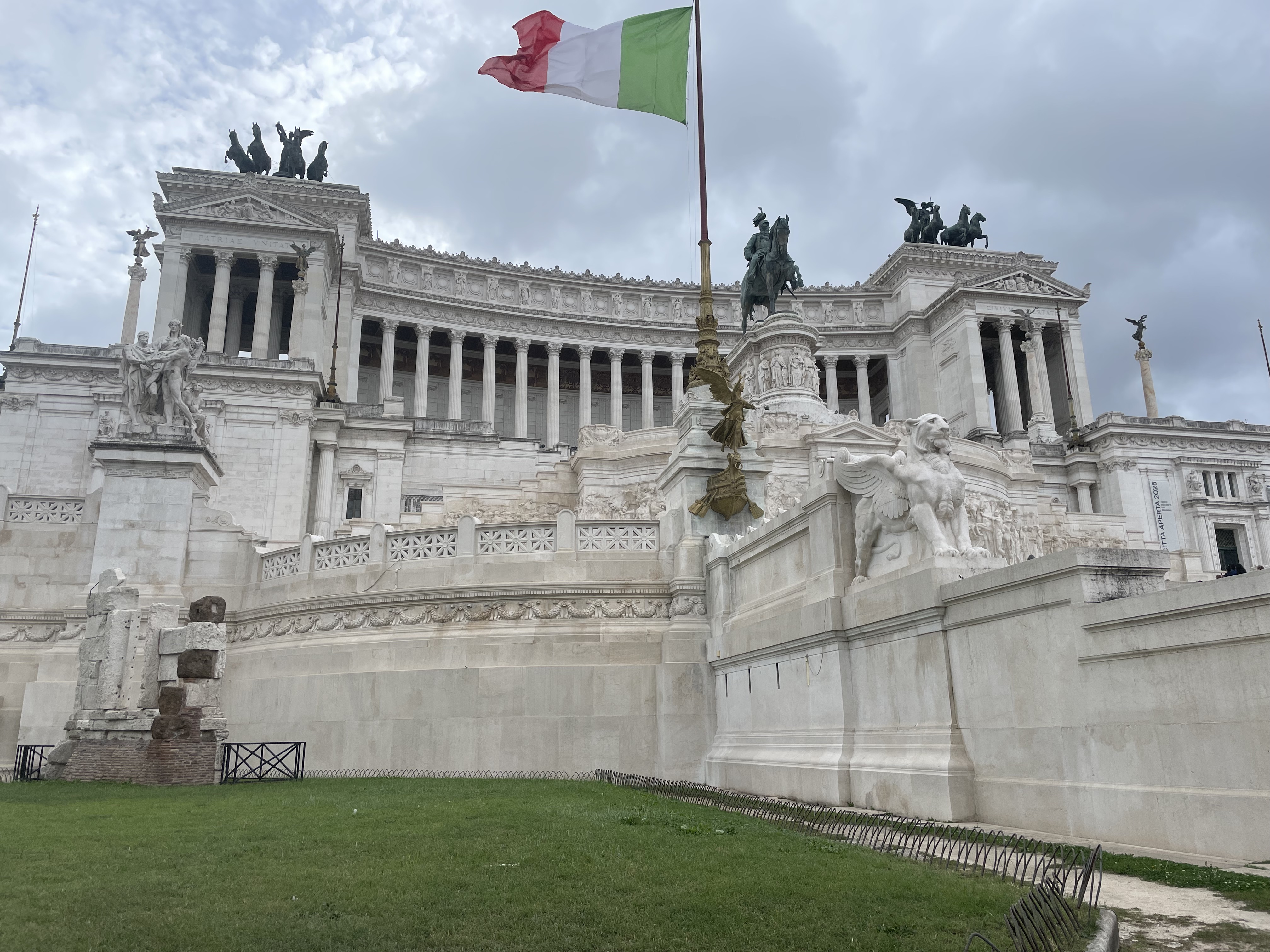
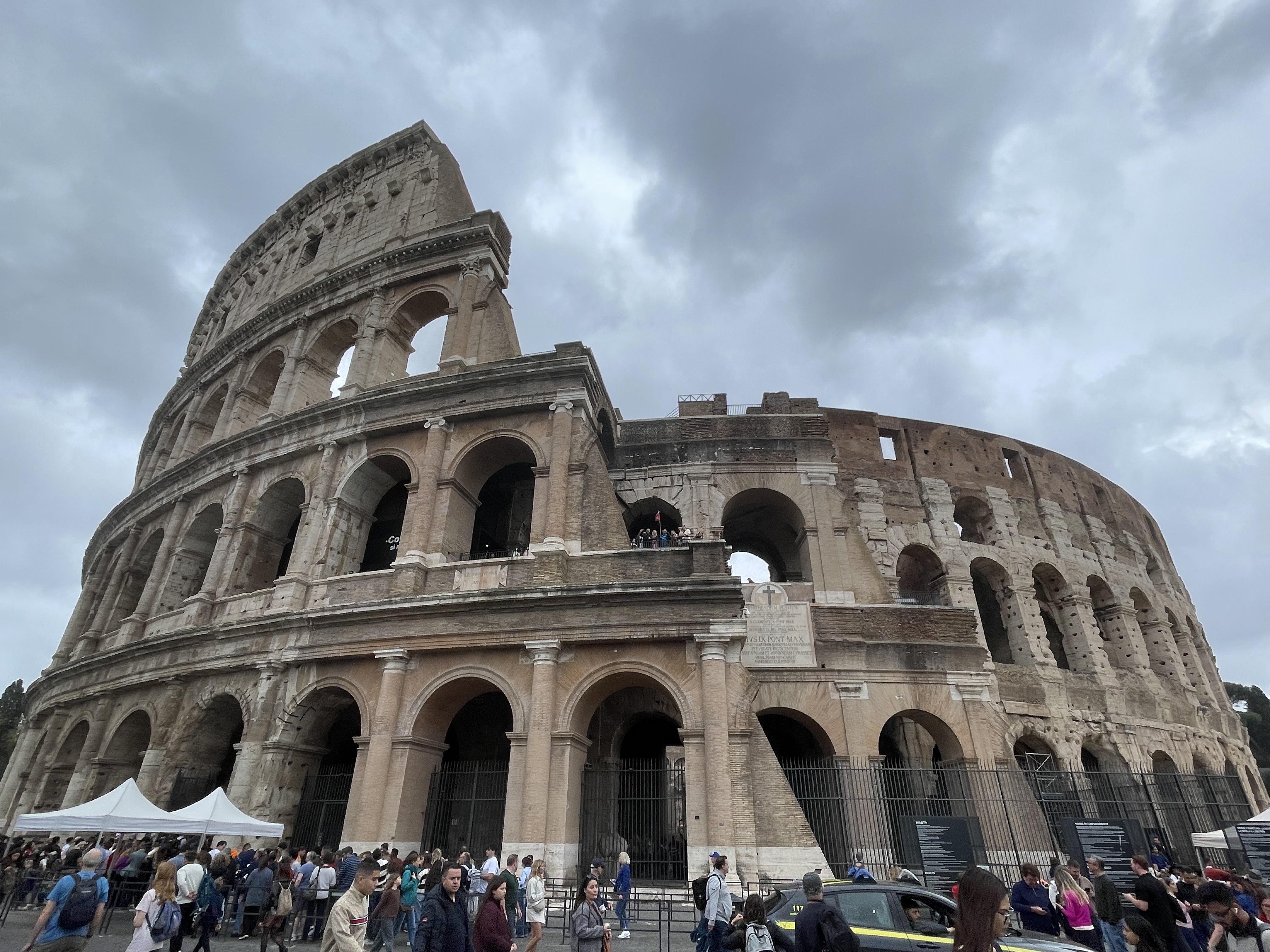
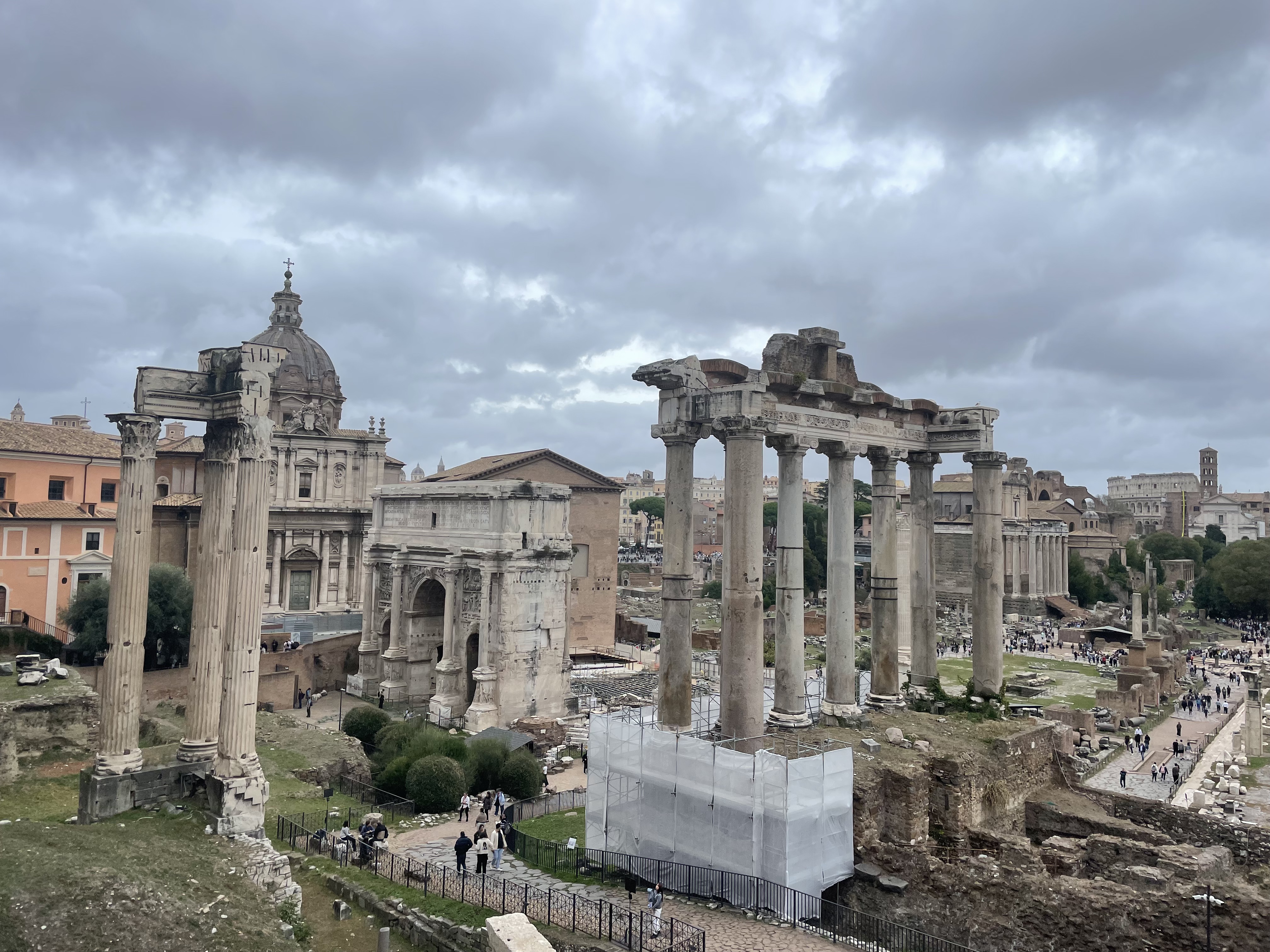
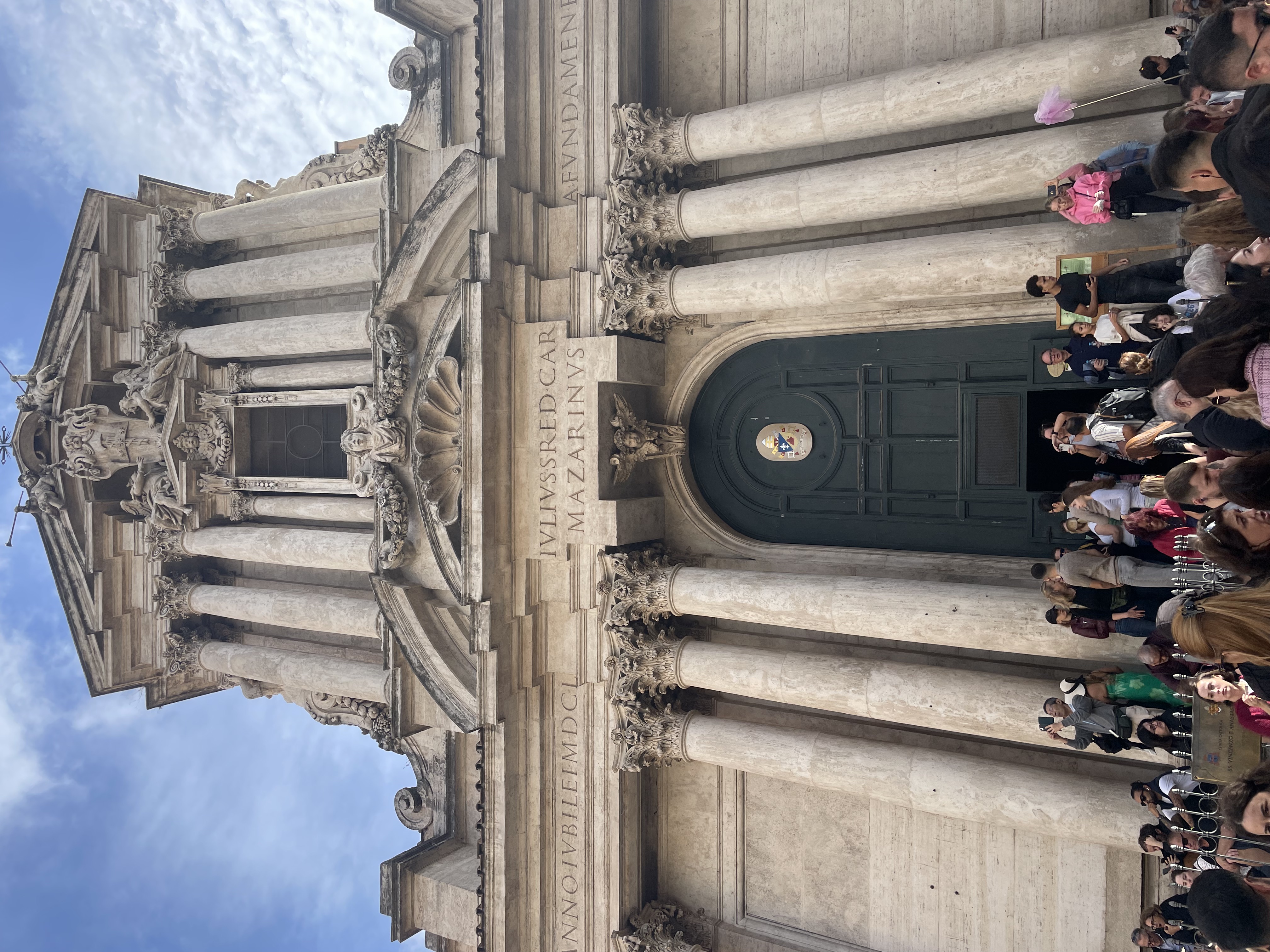
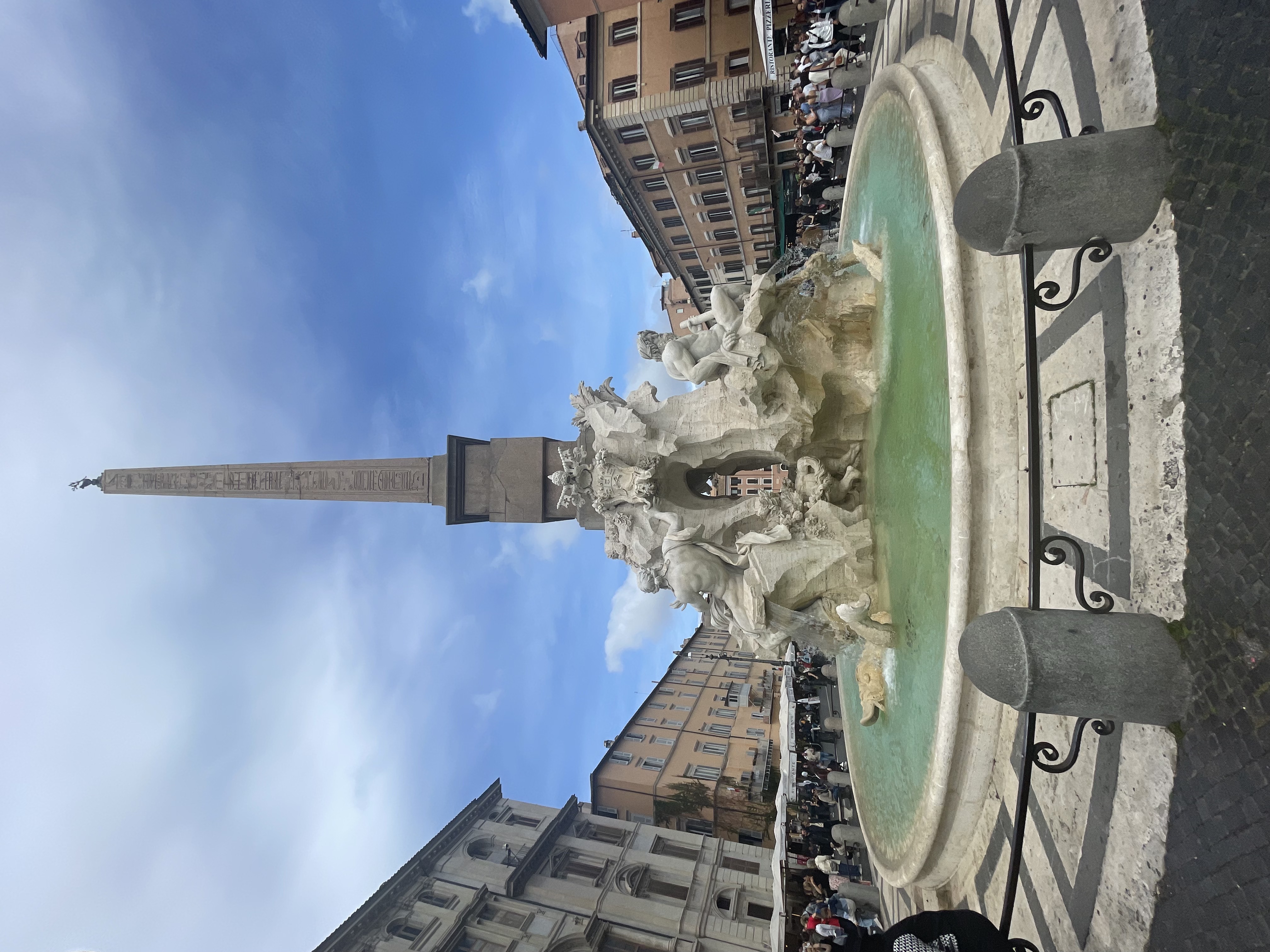
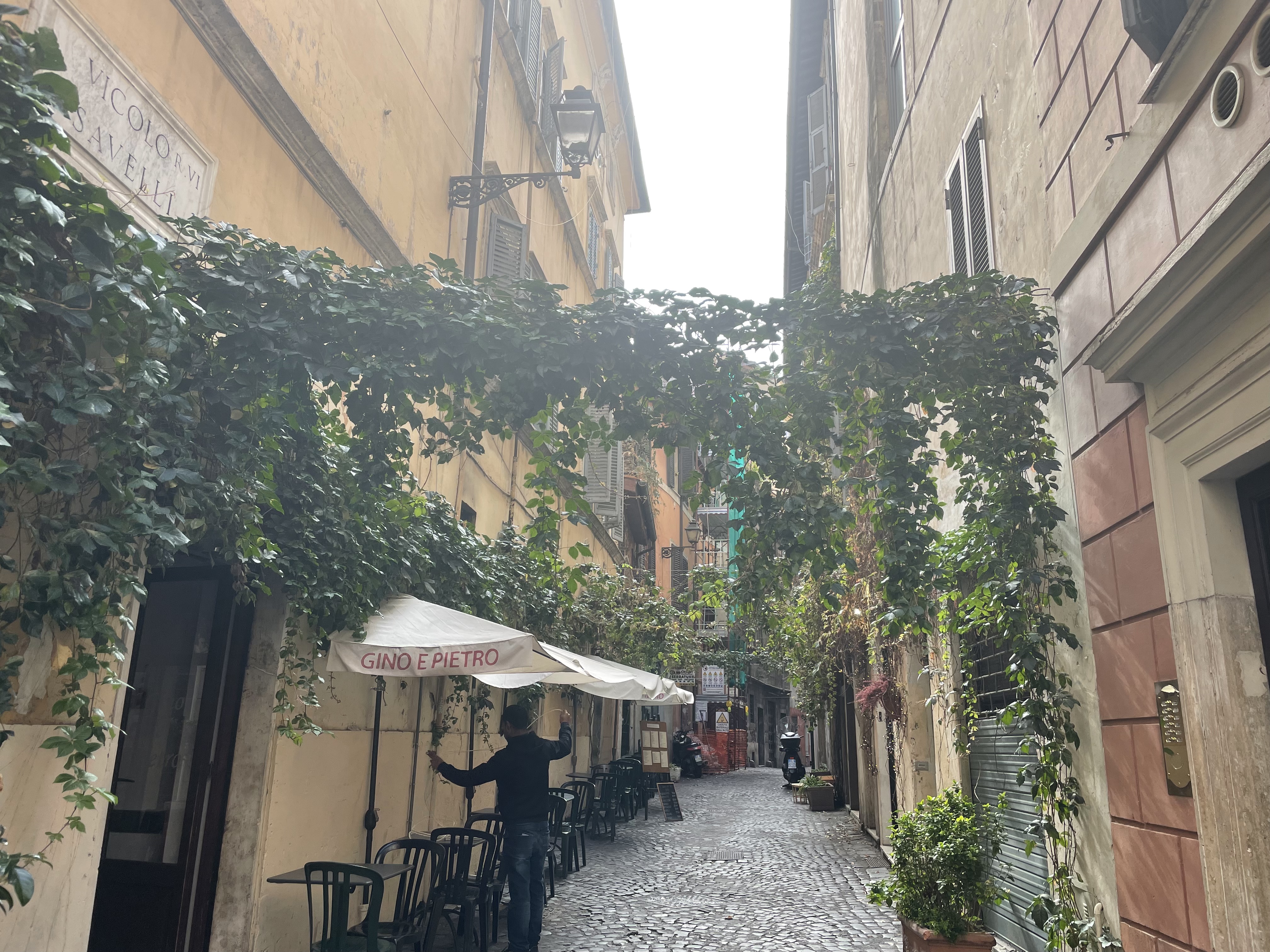
After days immersed in Maltese culture, I traveled to Roma, a city where every corner feels monumental and every street hums with centuries of history. From the Colosseo to the Pantheon, the Roman Forum to the Vatican, Rome is itself a UNESCO World Heritage Site, a living archive of art, power, and devotion. I wandered through Trastevere, Piazza Navona, and Campo de’ Fiori, drinking in mosaics, frescoes, fountains, and facades that have witnessed the march of centuries.
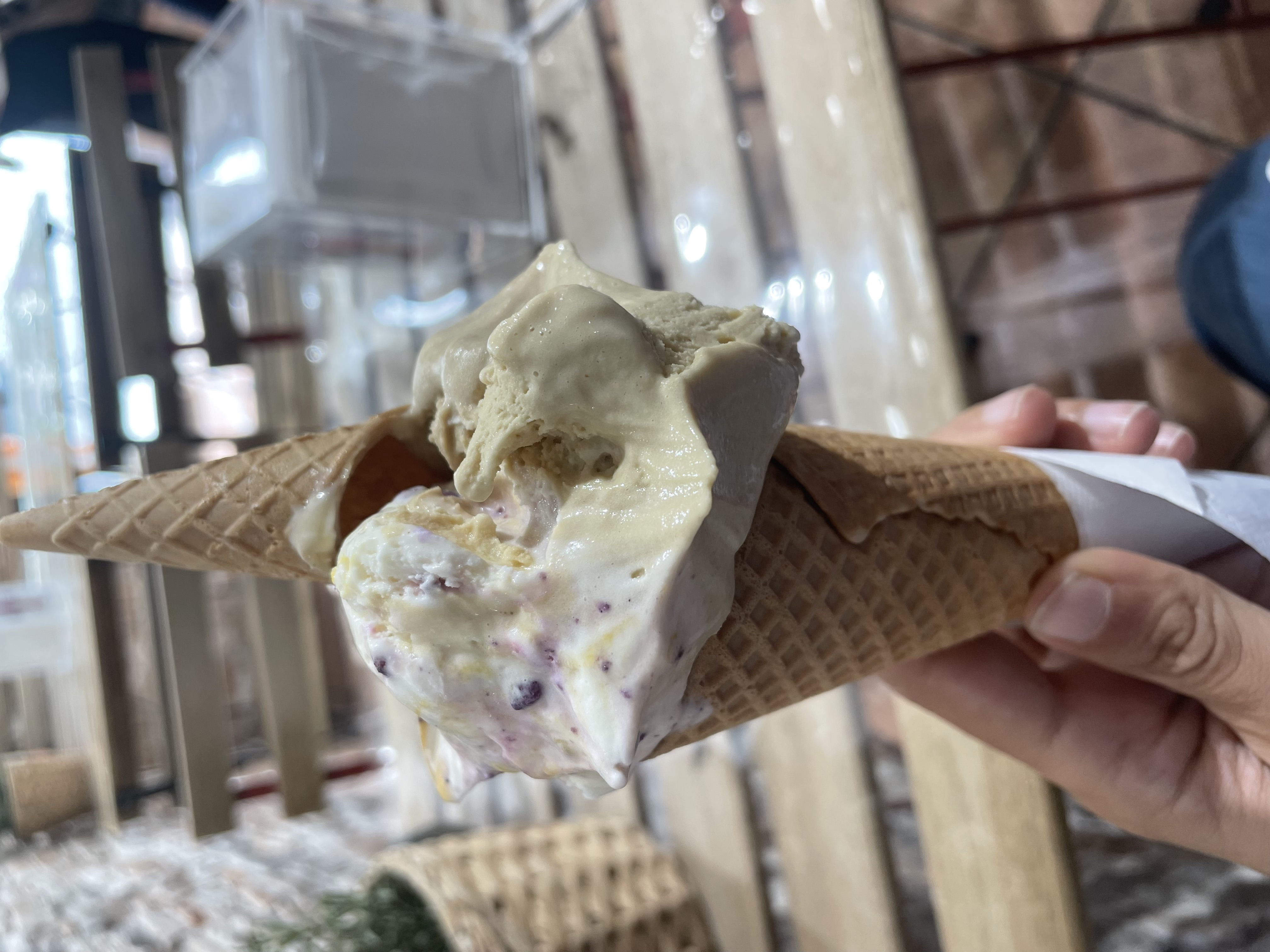
The city pulses with sound and smell: espresso steam rising in cafés, the click of cobblestones underfoot, street performers playing violins and accordions in the piazzas. And then there’s the food. I discovered the delicate, grassy tang of formaggio di capra (goat cheese) paired with fresh gelato — my favorite flavor, mirto (myrtle), a nod to local tradition. A single gelato cone, melting slowly under the Roman sun, felt like an education in flavor and culture simultaneously.
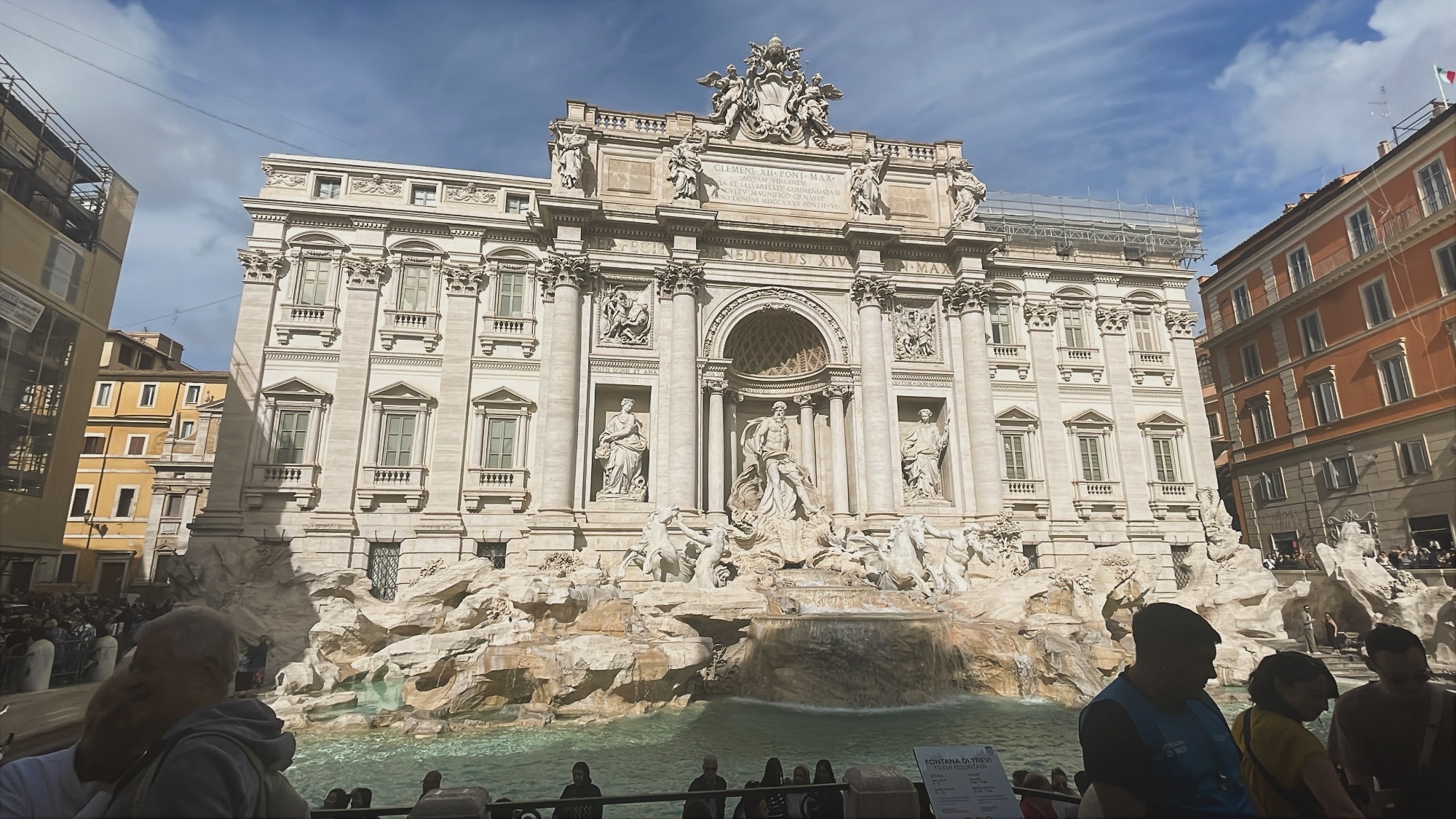
Tourists cluster at the Fontana di Trevi, tossing coins and whispering wishes; at night, the Eternal City glows, illuminated fountains and golden streetlights reflecting off ancient stone. I wandered through Campo de’ Fiori and Piazza di Spagna, savoring the rhythm of the city: lively chatter, scooter engines, and the occasional bark of a dog. Even in crowded streets, there is an intimacy to Rome, a sense that every corner has a story waiting for you to notice.
Reflections: Movement, History, and Connection
Traveling through Malta and Rome reminded me that energy is everywhere — in the sea, the streets, the stories, and even the myths we carry forward. Valletta and the Three Cities hold centuries of human ingenuity and adaptation. Gozo pulses with superstition and reverence, a small island preserving traditions both mystical and practical. Rome thrives in layers of culture, history, and art, where every step connects you to thousands of years of civilization.
Malta’s qiegħda storika (historical weight) and Rome’s eternal presence highlight that resilience, creativity, and tradition are themselves forms of energy, flowing through people, streets, and communities. As I moved through these places, I thought of turbines in the Mediterranean wind, of circuits in research labs, and of the invisible threads that connect past and present.
Even as I answered questions in conference halls or wandered narrow streets, I felt these currents of motion and stillness: the pulse of a city, the hum of history, the rhythm of myth, and the quiet power of shared human endeavor.