The Distance Between Mountains
Running West
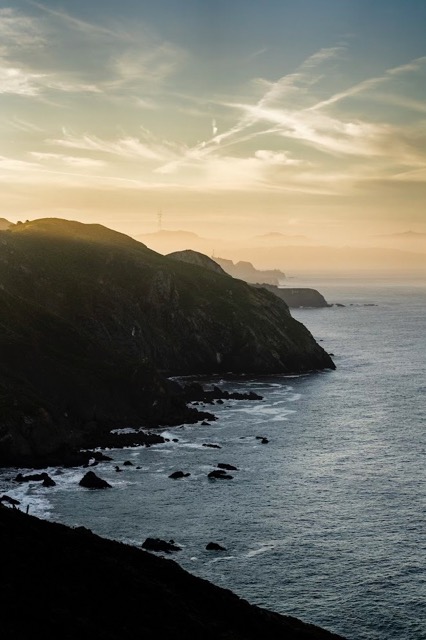
The morning of the race began beneath the shadow of the Golden Gate Bridge. Fog moved through the Marin Headlands in slow sheets, swallowing sections of trail before revealing them again. Headlamps drifted silently along the coastline while the Pacific remained somewhere below us in the dark, invisible except for the sound of waves against rock.
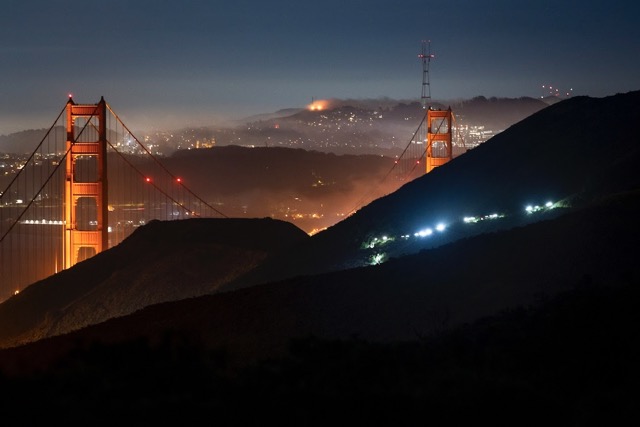
At 4 a.m., everything felt suspended between sleep and motion.
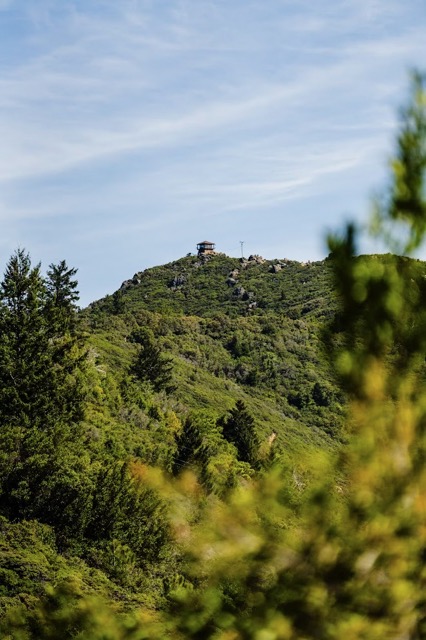
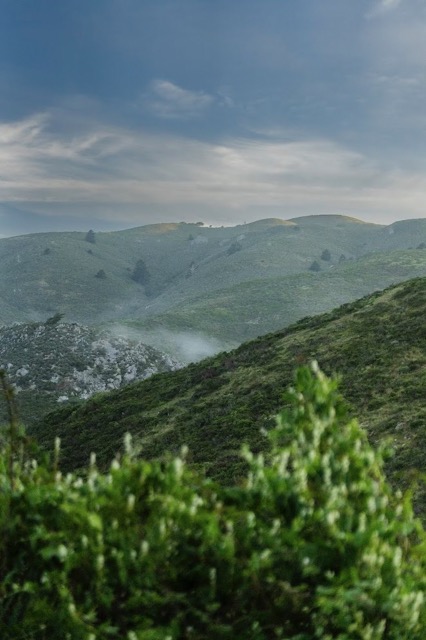
The Big Alta 100K is less a race than a crossing of landscapes. Over sixty-two miles, the course moves through the Marin Headlands, over the slopes of Mount Tamalpais, along ridgelines above the ocean, through redwood groves and dry inland fire roads before ending farther north in the hills of Marin County. The terrain changes constantly. One moment the trail opens toward cliffs above the Pacific, and the next it disappears beneath eucalyptus trees dripping with fog.
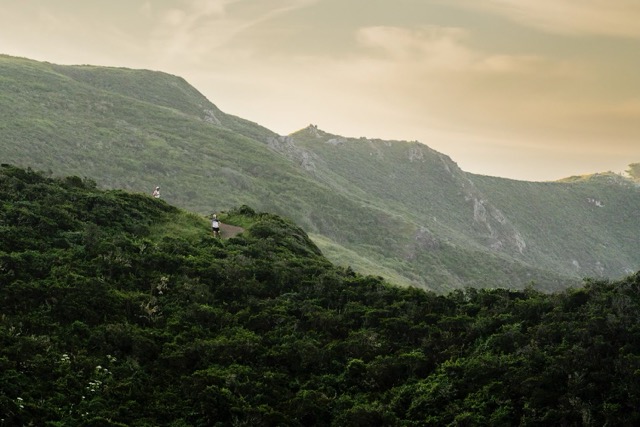
By sunrise, the marine layer had begun to lift in fragments. Light spread slowly across the coastline, revealing runners stretched out along the ridges ahead like tiny moving points against the hills. Somewhere behind us sat San Francisco, mostly hidden beneath clouds. Ahead was another fifty miles of climbing, descending, and continuing westward through terrain that felt both immense and strangely intimate.
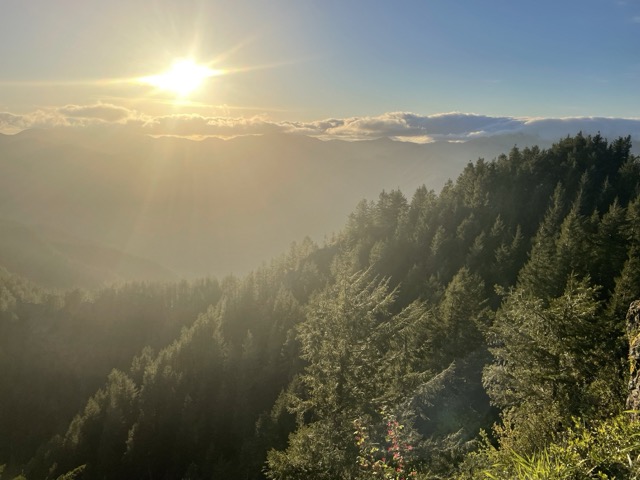
Ultrarunning has a way of reducing life into simple instructions. Eat before you are hungry. Drink before you are thirsty. Keep moving. Everything else becomes secondary.
Somewhere late in the race, after enough miles had passed for my legs to stop feeling entirely like my own, I realized the last year of my life had also been preparing me for transition.
Not just the race itself, though there had been months of training before dawn in Colorado, long mountain runs, and the strange negotiations runners make with themselves while climbing switchbacks at altitude. It was something larger than that. Finishing research projects. Packing apartments. Watching friendships slowly scatter across different states and countries. Spending years studying resilience in power systems and climate adaptation while quietly learning that resilience, in human terms, often means little more than continuing forward while uncertainty remains unresolved.
Colorado had become home in the gradual way landscapes do. The dry smell of pine forests after rain. Thunderstorms building over the Flatirons by late afternoon. Snow lingering high in the mountains into June. I had spent years learning those landscapes through running—understanding how weather moved across ridgelines, how certain trails emptied at dusk, how distance could sometimes clarify things that daily life made difficult to understand.
Illusion of Permanence
And yet even while training there, I knew I was preparing to leave again.
The strange thing about long-distance races is that they remove any illusion of permanence. Aid stations become temporary worlds. You arrive exhausted, refill bottles, exchange a few words with strangers who suddenly feel important, and then continue onward. Nothing is designed for staying.
Life had started to feel similar.
A few weeks after the race, I packed my car and drove north along the Pacific Coast toward a summer internship at Pacific Northwest National Laboratory.
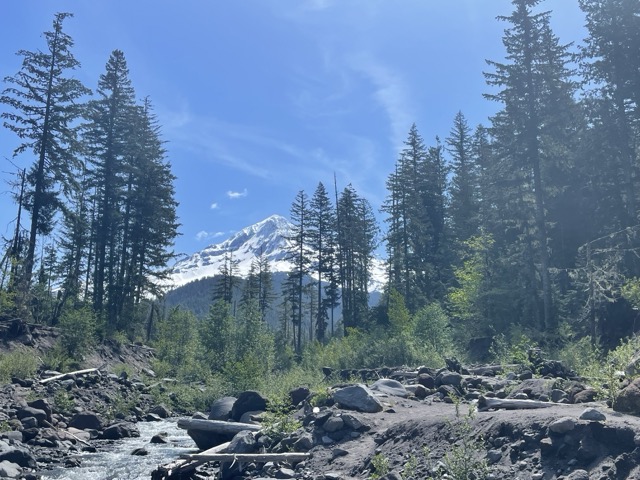
The drive itself felt like an extension of the race. The air changed first. Cooler. Wetter. Softer somehow. Even the light felt different there—muted beneath clouds and filtered through dense trees instead of reflected sharply off exposed rock.
I spent long stretches of the drive thinking about movement. Oregon also being temporary, with work trips to Canada and Switzerland on the horizon, then moving again in August.
Rivers moving toward the ocean. Weather systems crossing mountain ranges. Electricity flowing through transmission lines stretching across deserts and forests. People relocating for work, for research, for relationships, for reasons they often cannot fully explain even to themselves. For instance, in January, I decided not to stay in Zürich for a post-doc. As much as I wanted it to feel like home, there was a displacement in me. I knew living in that type of city, being stripped of the nature that inspires my work every day, was not sustainable for me at this point in life. I found this career path and passion through healing in nature, and I returned that gift by dedicating myself to confronting climate change and protecting the world that sustains me.
At Pacific Northwest National Laboratory, much of the work revolves around questions that are ultimately about adaptation: how power systems respond to climate extremes, how infrastructure changes under stress, how communities prepare for uncertainty in a warming world. While I cannot share to much about my project now, it is informed by this U.S. Department of Energy Report. The science is technical, but beneath the equations and simulations is something deeply human—the understanding that stability is never permanent. Systems survive by adjusting.
Maybe people do too.
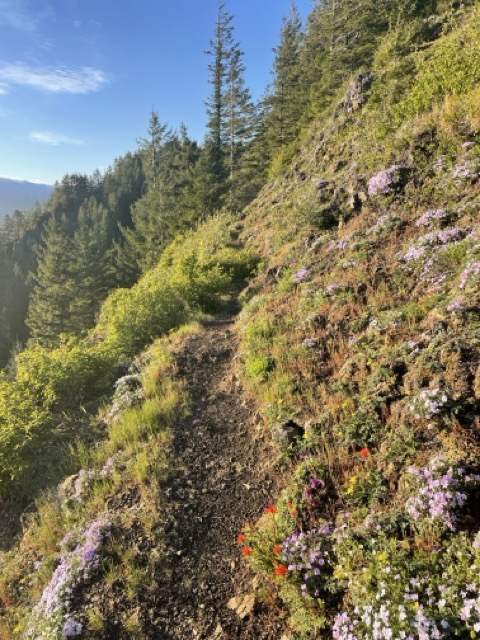
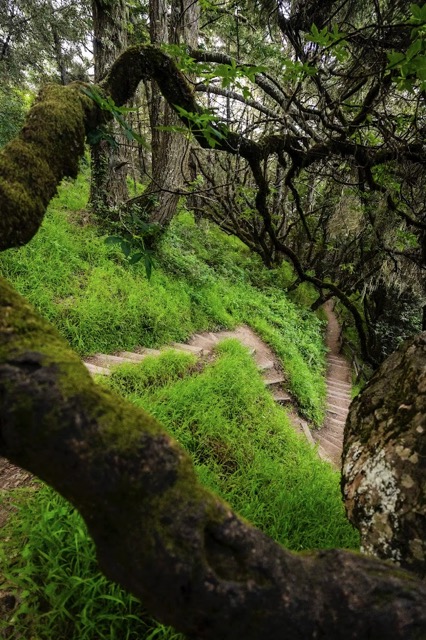
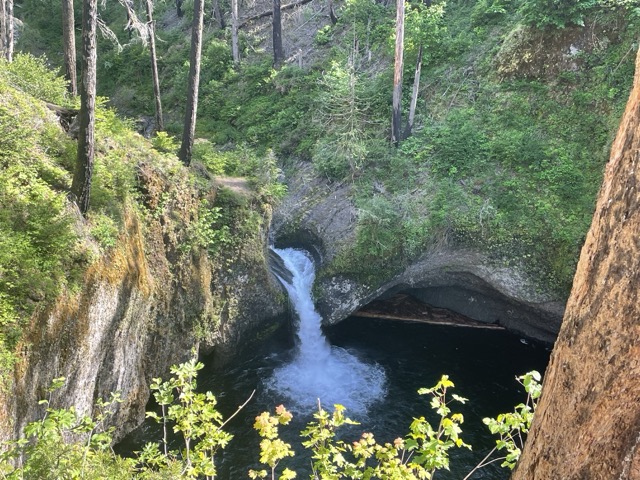
I have been running unfamiliar trails through forests in the Pacific Northwest. The mountains here feel different from Colorado. Less exposed. More hidden. The trails wound through pine trees and moss-covered hills instead of alpine tundra and open ridgelines. But the same silence exists if you stay outside long enough. The same feeling of becoming briefly small inside a much larger landscape.
I think that is what racing gaves me more than anything else.
Not accomplishment.
Not toughness.
Just the realization that endurance is rarely dramatic. Most of the time, it is quiet. It is learning how to keep moving through unfamiliar terrain without demanding certainty about where the trail will lead next.
Life keeps asking me to leave places before I fully feel ready. To cross into unfamiliar landscapes. To become a newer version of myself without clear instructions for how the transition is supposed to happen.
And most of the time, there is no answer except the one ultrarunning teaches over and over again somewhere deep into the later miles:
Take another step.
Then another.
And eventually, almost without noticing, you arrive somewhere new.
For now, that place is Oregon. But maps have a way of remaining open, and there is a corner of the Canadian Rockies with a pin in it.
– Jasmine