<?xml version="1.0" encoding="utf-8"?><feed xmlns="http://www.w3.org/2005/Atom" ><generator uri="https://jekyllrb.com/" version="3.10.0">Jekyll</generator><link href="https://jasminegarland.github.io/feed.xml" rel="self" type="application/atom+xml" /><link href="https://jasminegarland.github.io/" rel="alternate" type="text/html" /><updated>2026-09-14T16:06:10+00:00</updated><id>https://jasminegarland.github.io/feed.xml</id><title type="html">Jasmine Garland, PhD</title><subtitle>Postdoctoral Research Fellow</subtitle><entry><title type="html">The Distance Between Mountains</title><link href="https://jasminegarland.github.io/alta" rel="alternate" type="text/html" title="The Distance Between Mountains" /><published>2026-06-01T07:30:00+00:00</published><updated>2026-06-01T07:30:00+00:00</updated><id>https://jasminegarland.github.io/alta</id><content type="html" xml:base="https://jasminegarland.github.io/alta"><![CDATA[<h2 id="running-west">Running West</h2>
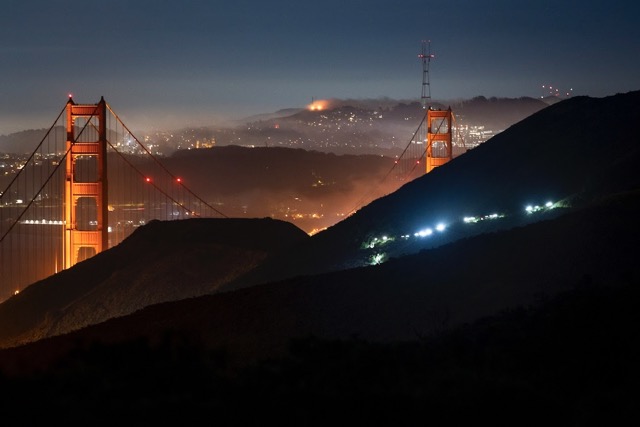
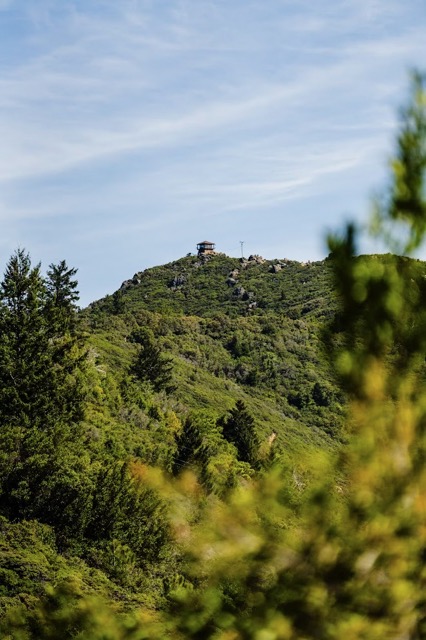
<p>The morning of the race began beneath the shadow of the Golden Gate Bridge. Fog moved through the Marin Headlands in slow sheets, swallowing sections of trail before revealing them again. Headlamps drifted silently along the coastline while the Pacific remained somewhere below us in the dark, invisible except for the sound of waves against rock.</p>
<p><img src="/assets/images/alta/IMG_5219Medium.jpeg" alt="Golden Gate Bridge before the race" /></p>

<p>At 4 a.m., everything felt suspended between sleep and motion.</p>

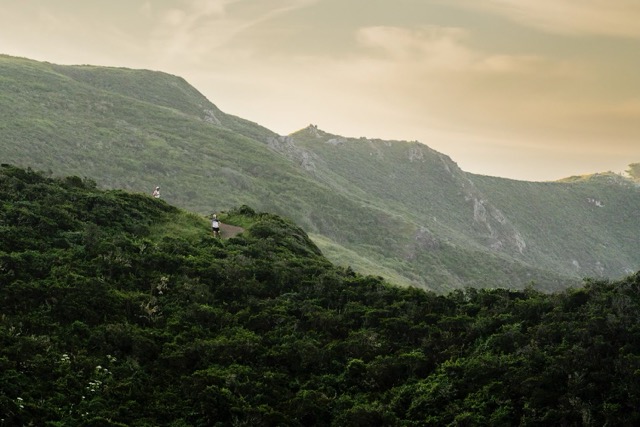
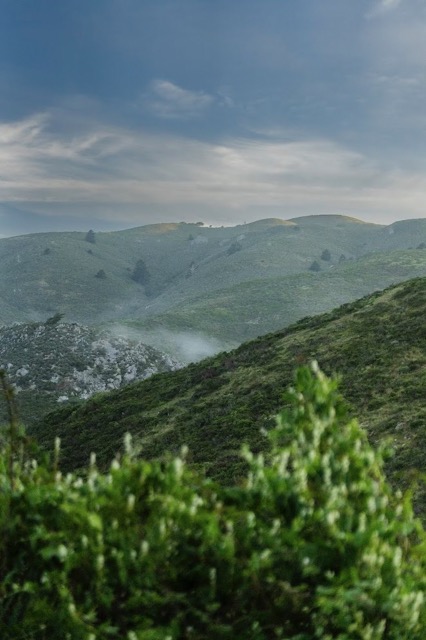
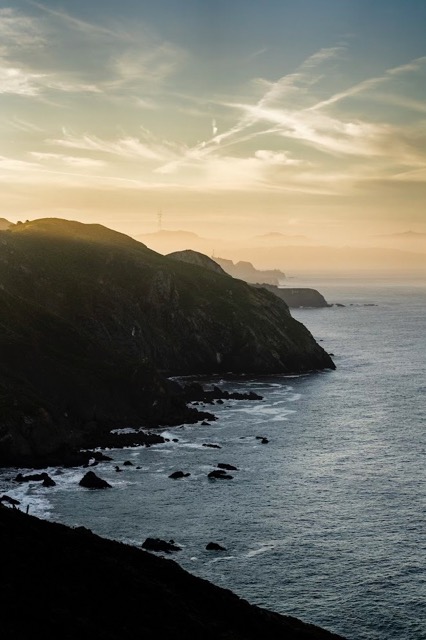
<p>The Big Alta 100K is less a race than a crossing of landscapes. Over sixty-two miles, the course moves through the Marin Headlands, over the slopes of Mount Tamalpais, along ridgelines above the ocean, through redwood groves and dry inland fire roads before ending farther north in the hills of Marin County. The terrain changes constantly. One moment the trail opens toward cliffs above the Pacific, and the next it disappears beneath eucalyptus trees dripping with fog.</p>

<p><img src="/assets/images/alta/The-Big-Alta-100k-2026-by-Daybreak-Racing-0120-A.jpeg" alt="Coastal ridgelines of the Big Alta course" /></p>

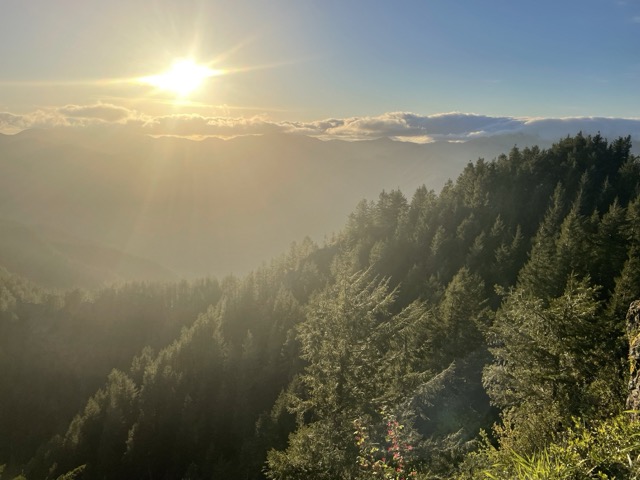
<p>By sunrise, the marine layer had begun to lift in fragments. Light spread slowly across the coastline, revealing runners stretched out along the ridges ahead like tiny moving points against the hills. Somewhere behind us sat San Francisco, mostly hidden beneath clouds. Ahead was another fifty miles of climbing, descending, and continuing westward through terrain that felt both immense and strangely intimate.</p>

<p><img src="/assets/images/alta/IMG_5373Medium.jpeg" alt="Sunrise over Marin County" /></p>

<p>Ultrarunning has a way of reducing life into simple instructions. Eat before you are hungry. Drink before you are thirsty. Keep moving. Everything else becomes secondary.</p>

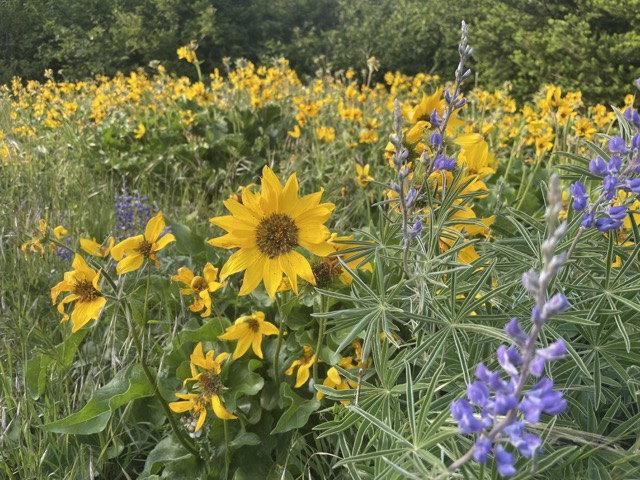
<p><img src="/assets/images/alta/IMG_5392Medium.jpeg" alt="Wildflowers along the course" /></p>

<p>Somewhere late in the race, after enough miles had passed for my legs to stop feeling entirely like my own, I realized the last year of my life had also been preparing me for transition.</p>

<p><img src="/assets/images/alta/The-Big-Alta-100k-2026-by-Daybreak-Racing-0907-A.jpeg" alt="Runners moving across the hills" /></p>

<p>Not just the race itself, though there had been months of training before dawn in Colorado, long mountain runs, and the strange negotiations runners make with themselves while climbing switchbacks at altitude. It was something larger than that. Finishing research projects. Packing apartments. Watching friendships slowly scatter across different states and countries. Spending years studying resilience in power systems and climate adaptation while quietly learning that resilience, in human terms, often means little more than continuing forward while uncertainty remains unresolved.</p>

<p>Colorado had become home in the gradual way landscapes do. The dry smell of pine forests after rain. Thunderstorms building over the Flatirons by late afternoon. Snow lingering high in the mountains into June. I had spent years learning those landscapes through running—understanding how weather moved across ridgelines, how certain trails emptied at dusk, how distance could sometimes clarify things that daily life made difficult to understand.</p>

<h2 id="illusion-of-permanence">Illusion of Permanence</h2>

<p>And yet even while training there, I knew I was preparing to leave again.</p>

<p>The strange thing about long-distance races is that they remove any illusion of permanence. Aid stations become temporary worlds. You arrive exhausted, refill bottles, exchange a few words with strangers who suddenly feel important, and then continue onward. Nothing is designed for staying.</p>

<p><img src="/assets/images/alta/The-Big-Alta-100k-2026-by-Daybreak-Racing-0052-A.jpeg" alt="Trail through the Marin hills" /></p>

<p>Life had started to feel similar.</p>

<p><img src="/assets/images/alta/The-Big-Alta-100k-2026-by-Daybreak-Racing-0096-A.jpeg" alt="The Pacific coastline" /></p>

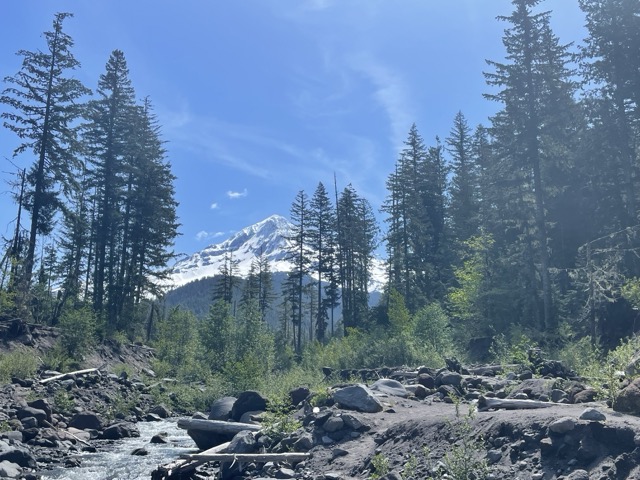
<p>A few weeks after the race, I packed my car and drove north along the Pacific Coast toward a summer internship at Pacific Northwest National Laboratory.</p>

<p><img src="/assets/images/alta/IMG_5375Medium.jpeg" alt="Mount Hood in Oregon" /></p>

<p>The drive itself felt like an extension of the race. The air changed first. Cooler. Wetter. Softer somehow. Even the light felt different there—muted beneath clouds and filtered through dense trees instead of reflected sharply off exposed rock.</p>

<p>I spent long stretches of the drive thinking about movement. Oregon also being temporary, with work trips to Canada and Switzerland on the horizon, then moving again in August.</p>

<p>Rivers moving toward the ocean. Weather systems crossing mountain ranges. Electricity flowing through transmission lines stretching across deserts and forests. People relocating for work, for research, for relationships, for reasons they often cannot fully explain even to themselves. For instance, in January, I decided not to stay in Zürich for a post-doc. As much as I wanted it to feel like home, there was a displacement in me. I knew living in that type of city, being stripped of the nature that inspires my work every day, was not sustainable for me at this point in life. I found this career path and passion through healing in nature, and I returned that gift by dedicating myself to confronting climate change and protecting the world that sustains me.</p>

<p>At Pacific Northwest National Laboratory, much of the work revolves around questions that are ultimately about adaptation: how power systems respond to climate extremes, how infrastructure changes under stress, how communities prepare for uncertainty in a warming world. While I cannot share to much about my project now, it is informed by this <a href="https://www.energy.gov/sites/default/files/2025-07/DOE%20Final%20EO%20Report%20%28FINAL%20JULY%207%29.pdf">U.S. Department of Energy Report</a>. The science is technical, but beneath the equations and simulations is something deeply human—the understanding that stability is never permanent. Systems survive by adjusting.</p>

<p>Maybe people do too.</p>

<p><img src="/assets/images/alta/IMG_5367Medium.jpeg" alt="Forest trail in Oregon" /></p>

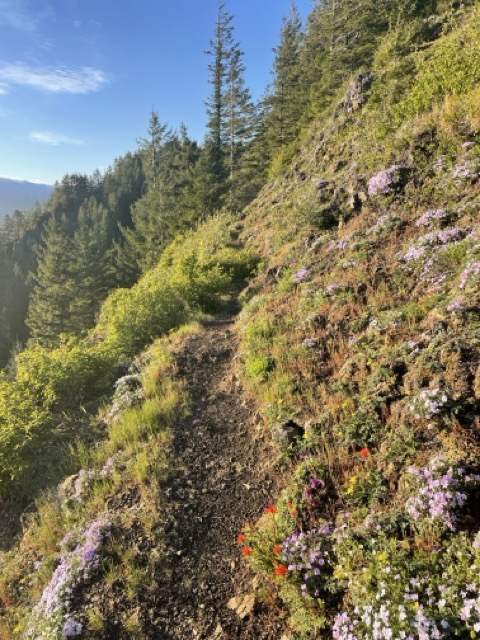
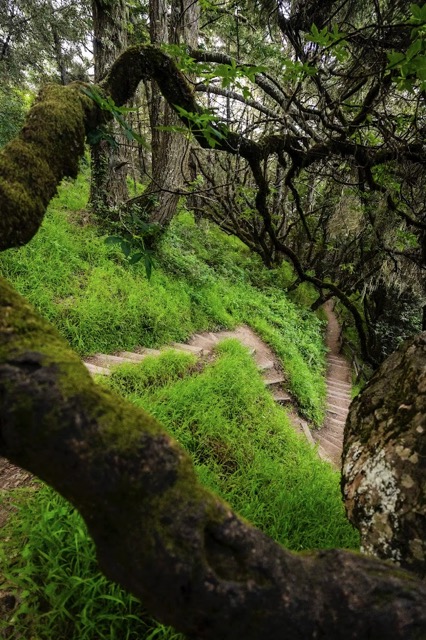
<p>I have been running unfamiliar trails through forests in the Pacific Northwest. The mountains here feel different from Colorado. Less exposed. More hidden. The trails wound through pine trees and moss-covered hills instead of alpine tundra and open ridgelines. But the same silence exists if you stay outside long enough. The same feeling of becoming briefly small inside a much larger landscape.</p>

<p><img src="/assets/images/alta/The-Big-Alta-100k-2026-by-Daybreak-Racing-0822-B.jpeg" alt="Moss-covered forest trail" /></p>

<p>I think that is what racing gaves me more than anything else.</p>

<p>Not accomplishment.</p>

<p>Not toughness.</p>

<p>Just the realization that endurance is rarely dramatic. Most of the time, it is quiet. It is learning how to keep moving through unfamiliar terrain without demanding certainty about where the trail will lead next.</p>

<p>Life keeps asking me to leave places before I fully feel ready. To cross into unfamiliar landscapes. To become a newer version of myself without clear instructions for how the transition is supposed to happen.</p>

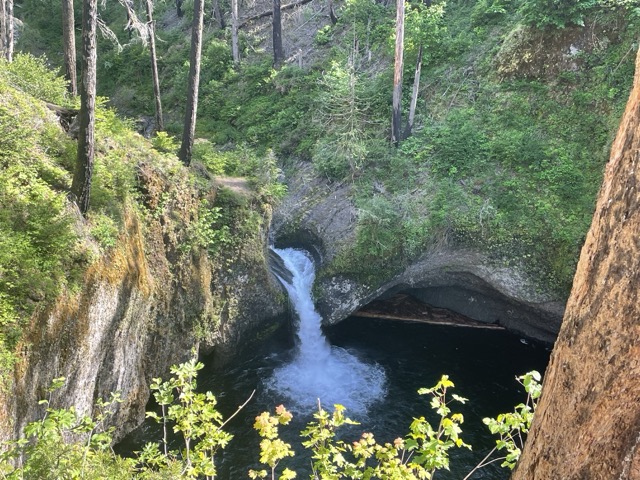
<p><img src="/assets/images/alta/IMG_5399Medium.jpeg" alt="Water carving its way through stone" /></p>

<p>And most of the time, there is no answer except the one ultrarunning teaches over and over again somewhere deep into the later miles:</p>

<p>Take another step.</p>

<p>Then another.</p>

<p>And eventually, almost without noticing, you arrive somewhere new.</p>

<p>For now, that place is Oregon. But maps have a way of remaining open, and there is a corner of the Canadian Rockies with a pin in it.</p>

<p>– Jasmine</p>]]></content><author><name>Jasmine</name></author><summary type="html"><![CDATA[Running West The morning of the race began beneath the shadow of the Golden Gate Bridge. Fog moved through the Marin Headlands in slow sheets, swallowing sections of trail before revealing them again. Headlamps drifted silently along the coastline while the Pacific remained somewhere below us in the dark, invisible except for the sound of waves against rock.]]></summary></entry><entry><title type="html">The Long Walk to the First Sunrise: New Year’s Morning on Kilimanjaro</title><link href="https://jasminegarland.github.io/kili" rel="alternate" type="text/html" title="The Long Walk to the First Sunrise: New Year’s Morning on Kilimanjaro" /><published>2026-03-31T07:30:00+00:00</published><updated>2026-03-31T07:30:00+00:00</updated><id>https://jasminegarland.github.io/kili</id><content type="html" xml:base="https://jasminegarland.github.io/kili"><![CDATA[<h1 id="walking-to-the-roof-of-africa-kilimanjaro-on-new-years-morning">Walking to the Roof of Africa: Kilimanjaro on New Year’s Morning</h1>

<p>“We, the people of Tanganyika, 
would like to light a candle
and put it on the top of Mount Kilimanjaro,
which would shine beyond our borders,
giving hope where there was despair,
love where there was hate,
and dignity where before there was only humiliation.”
-An excerpt from “The Torch on Mount Kilimanjaro” by Julius Nyerere</p>

<h2 id="before-the-climb-coffee-water-and-the-lower-slopes">Before the Climb: Coffee, Water, and the Lower Slopes</h2>

<p>At the base of Kilimanjaro, the mountain does not yet feel like a mountain.</p>

<p>It feels like life.</p>

<p>The lower slopes spill outward in a wide belt of cultivation where the volcanic soil grows almost anything placed in it. Banana trees lean over narrow paths. Small farms fold into one another along the hillside. The air is warm and heavy with the smell of earth and leaves, and clouds drift slowly across the upper slopes like a curtain drawn halfway across the sky.</p>

<p>Before we climbed toward ice, we spent a day walking through the world that grows beneath the mountain.</p>

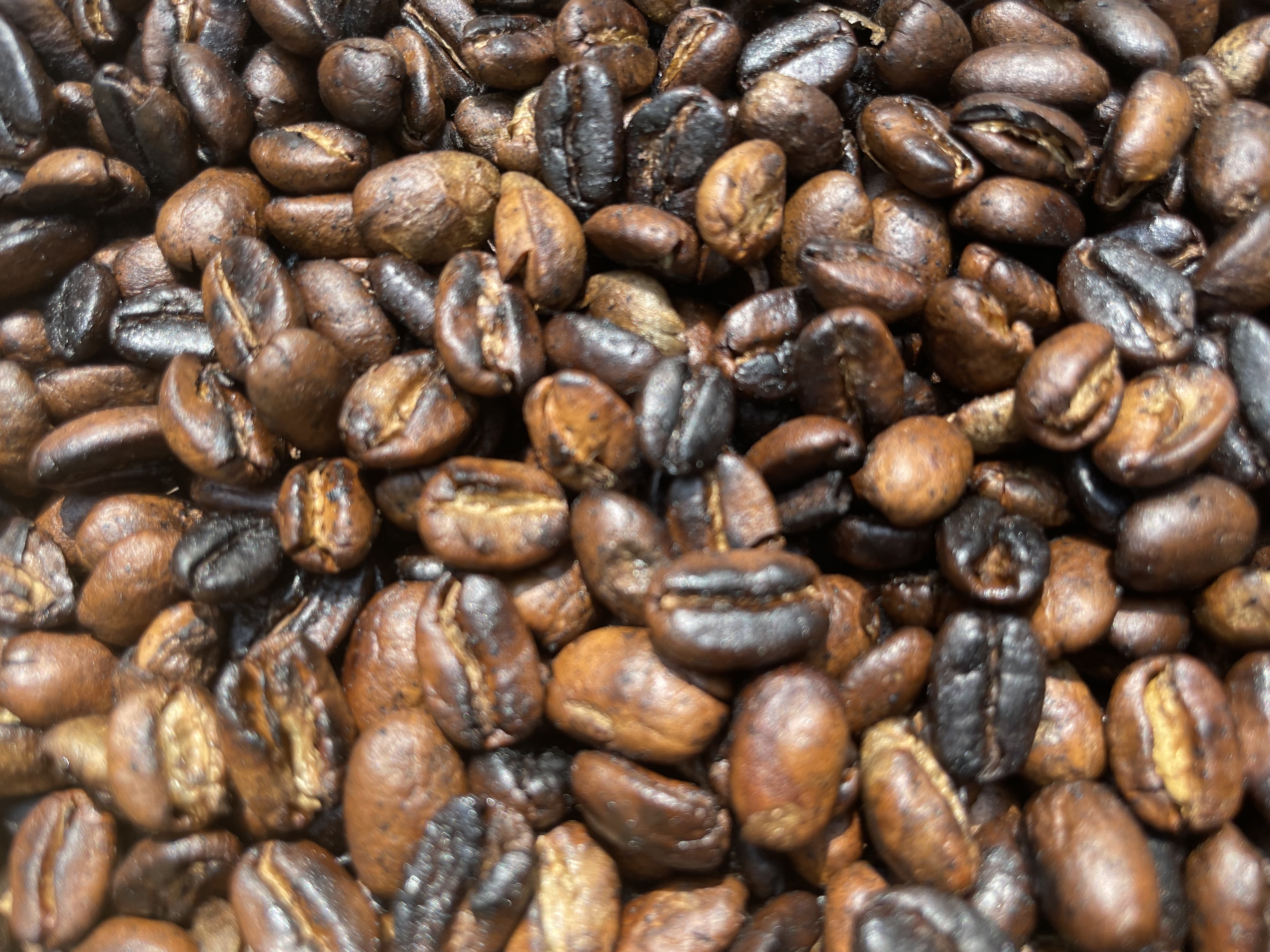
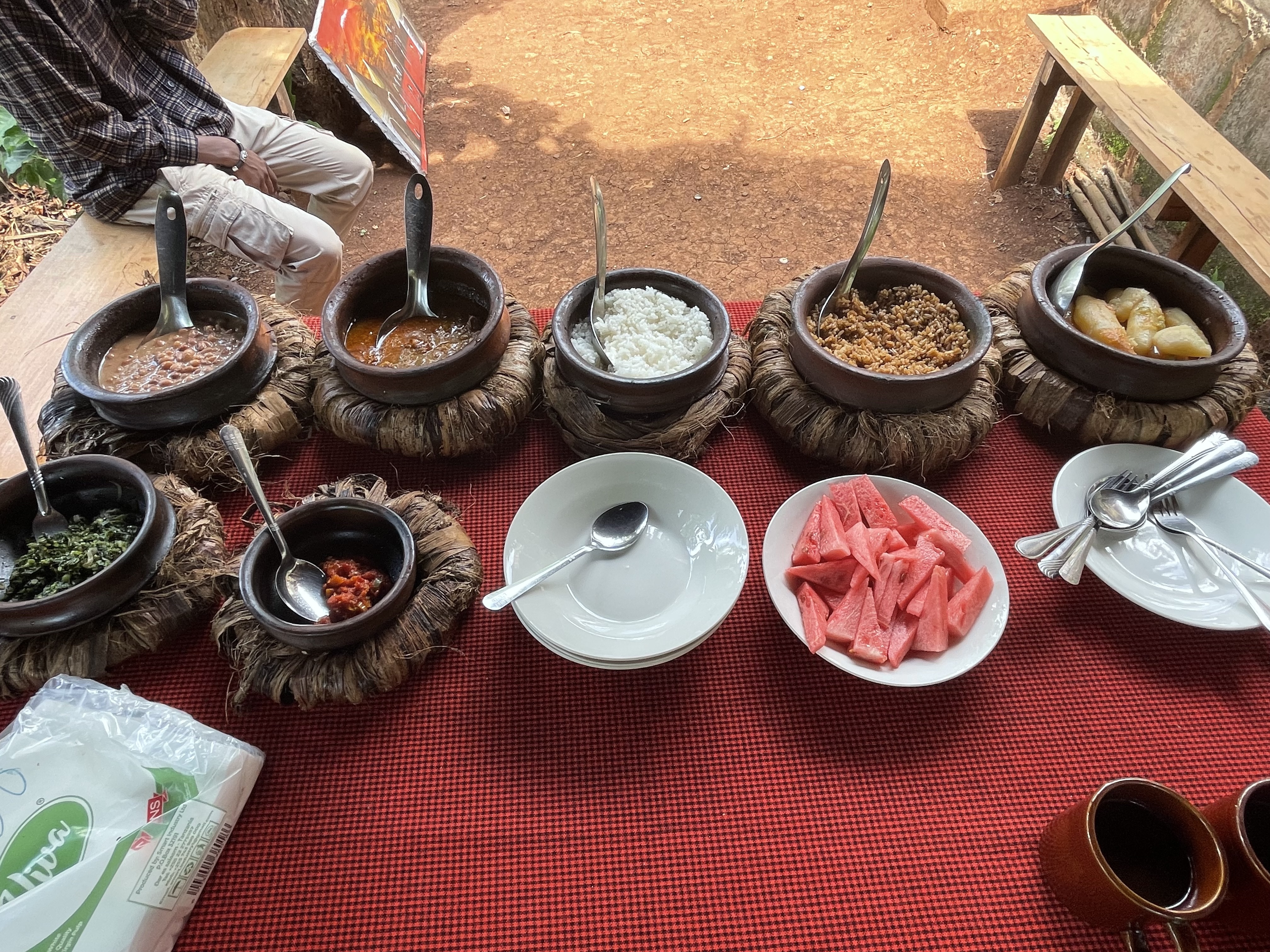
<p>A small coffee plantation tucked into the foothills welcomed us in the way so many places do — not with spectacle, but with patience. Our guide picked a handful of red coffee cherries from a branch and passed them around. When you bite into the fruit, it is surprisingly sweet — sticky and bright, nothing like the bitterness we associate with the drink that follows.</p>

<p>Inside the fruit are the beans, pale and unremarkable, waiting for transformation.</p>

<p>The process unfolded slowly:</p>

<p>pulping the fruit away<br />
washing the beans<br />
drying them in the sun</p>

<p>Later they were roasted over a small charcoal fire while we stood in a loose circle around the pan, listening to the beans crack open with small popping sounds — as if they were alive and protesting the heat. Someone shook the pan in careful circles while smoke rose upward in thin blue ribbons.</p>

<p>Then the grinding.<br />
Then the brewing.</p>

<p>We drank the coffee grown on the mountain we were about to climb.</p>

<p>It felt like a quiet introduction — the mountain offering something first, before asking anything of us.</p>

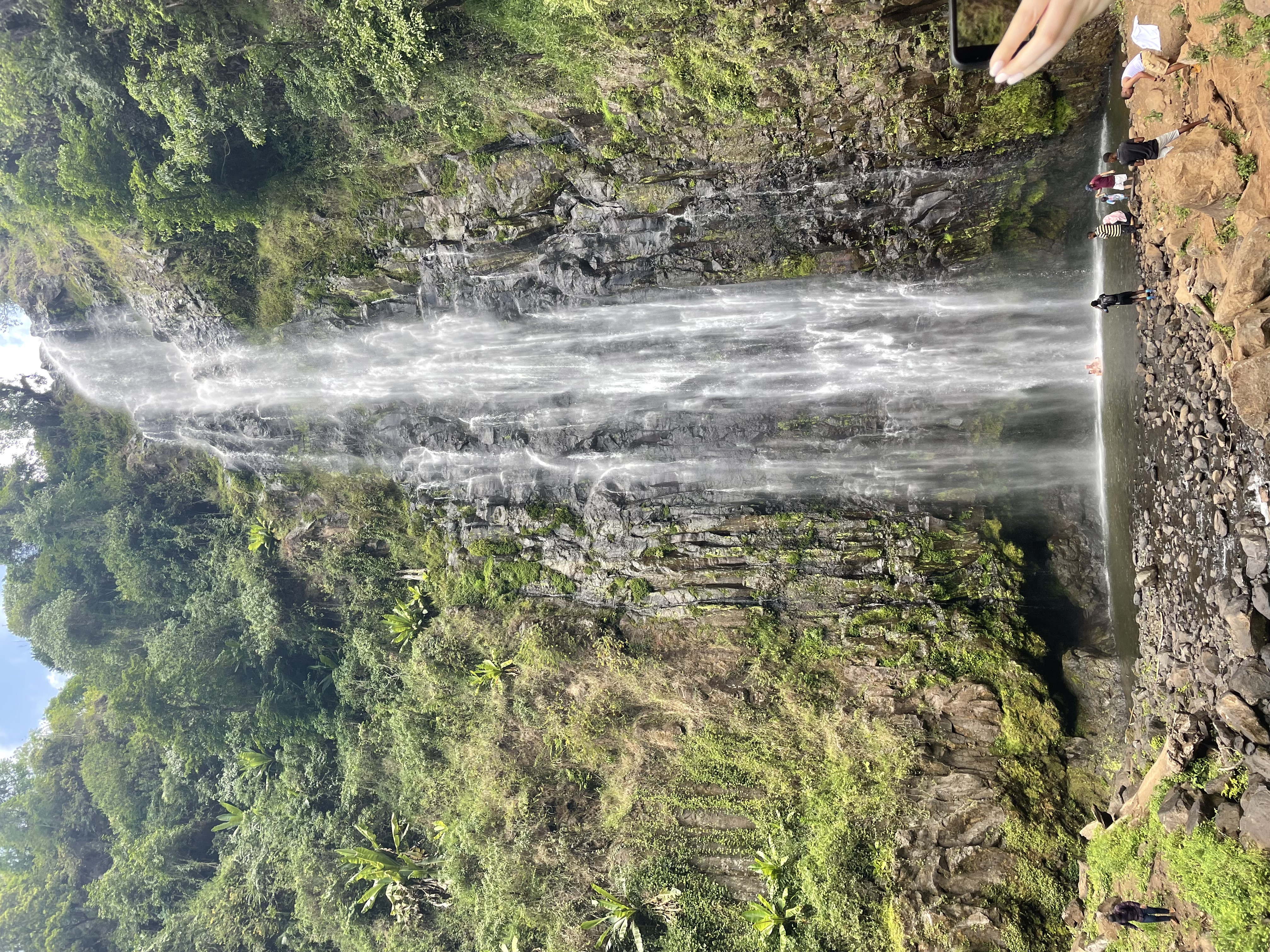
<p>The next morning we walked higher into the foothills to a waterfall hidden in the forest. The trail wound through dense green corridors where fig trees spread their roots across the path like tangled fingers and vines hung from branches in looping arcs. The soil was dark and soft beneath our boots, volcanic and fertile, holding centuries of growth and decay.</p>

<p>When we reached the falls, water plunged out of the forest canopy in a single white column and shattered into mist on the rocks below.</p>

<p>The spray hung in the air like breath.</p>

<div style="display: flex; justify-content: center; gap: 20px; margin: 20px 0; max-width: 600px;">
  <!-- First image with caption -->
  <figure style="margin: 0; line-height: 1.2; width: 100%;">
    <img src="/assets/images/kili/IMG_4512.jpeg" alt="peaks" style="width: 100%; margin-bottom: 2px;" />
    <figcaption style="font-size: 0.55em; text-align: center; color: #666; margin-top: 2px;">
    </figcaption>
  </figure>

  <!-- Second image with caption -->
  <figure style="margin: 0; line-height: 1.2; width: 100%;">
    <img src="/assets/images/kili/IMG_4477.jpeg" alt="sky view" style="width: 100%; margin-bottom: 2px;" />
    <figcaption style="font-size: 0.55em; text-align: center; color: #666; margin-top: 2px;">
    </figcaption>
  </figure>
</div>

<div style="display: flex; justify-content: center; gap: 20px; margin: 20px 0; max-width: 600px;">
  <!-- Single image with caption -->
  <figure style="margin: 0; line-height: 1.2; width: 100%;">
    <img src="/assets/images/kili/IMG_4540.jpeg" alt="Mountains meet sea" style="width: 100%; margin-bottom: 2px;" />
    <figcaption style="font-size: 0.55em; text-align: center; color: #666; margin-top: 2px;">
    </figcaption>
  </figure>
</div>

<p>We stood close enough that the mist soaked through our jackets and settled into our hair. It felt less like standing beside water and more like standing inside weather, the air thick with movement and sound.</p>

<p>Looking up into the falling water, it was hard to imagine that only days later we would be walking somewhere dry and silent and nearly lifeless.</p>

<p>But that is the strange geography of Kilimanjaro.</p>

<p>It contains entire climates within itself.</p>

<p>And walking up it means walking through them all.</p>

<hr />

<h2 id="climbing-through-climates">Climbing Through Climates</h2>

<p>Climbing Kilimanjaro is often described as walking from the equator to the Arctic. It is not an exaggeration.</p>

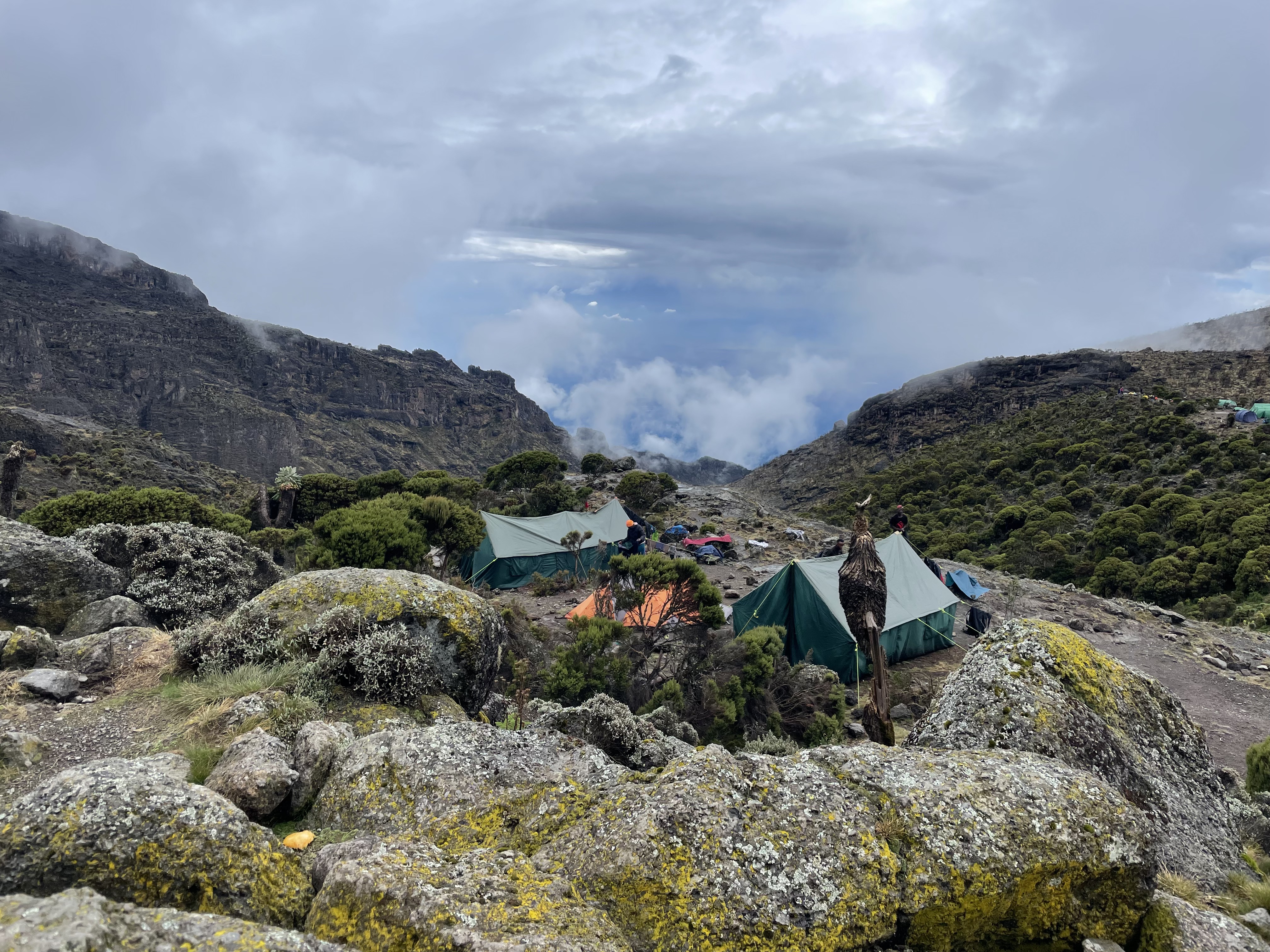
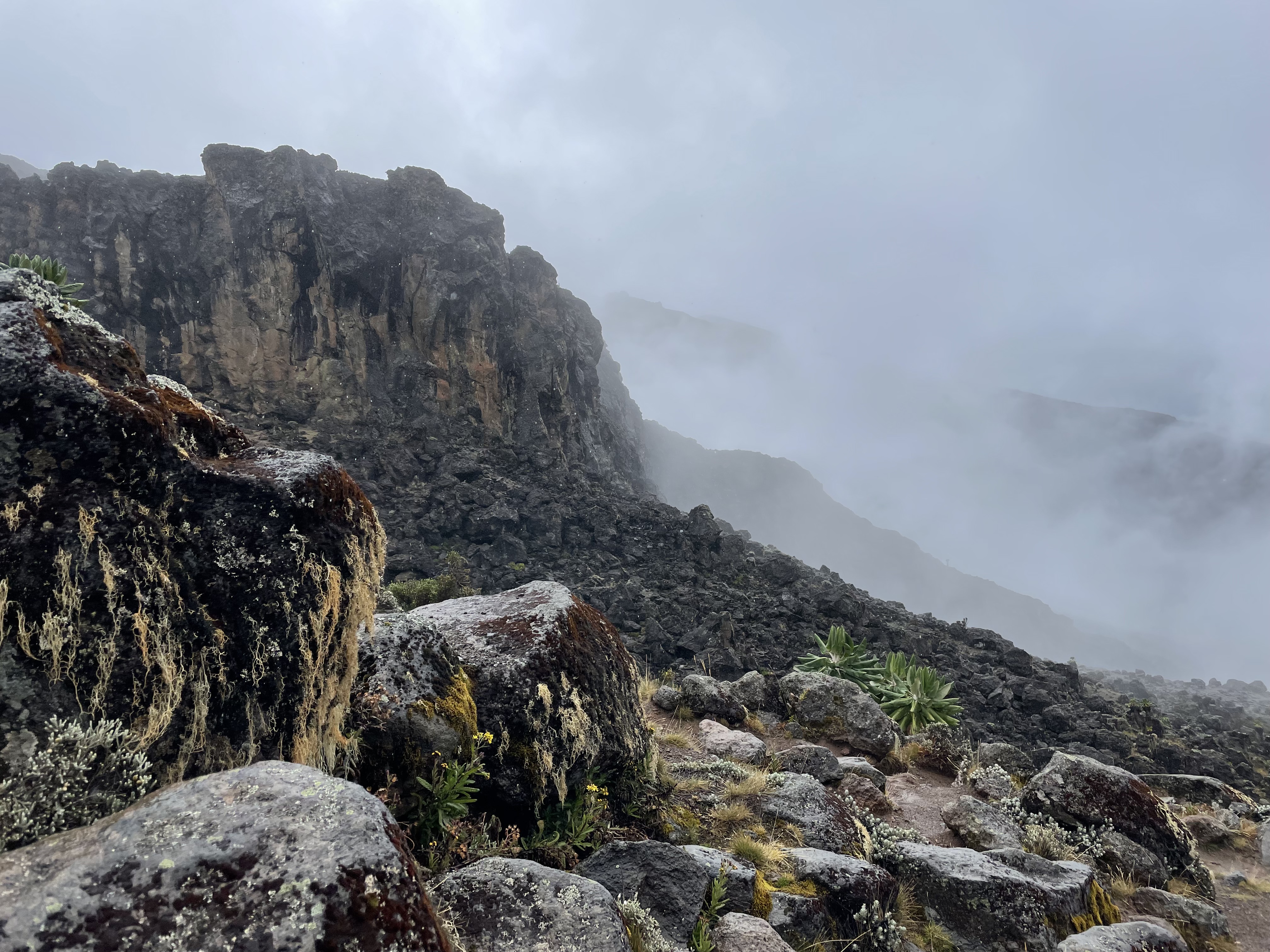
<p>The journey upward unfolds through ecological zones stacked one above another like layers of atmosphere, each with its own textures, temperatures, and rhythms of life. The first days pass through rainforest.Here the trail is damp and shaded, a green cathedral where moss covers the trunks of ancient trees and every branch seems to host another layer of living things — lichens, orchids, tangled vines. Colobus monkeys leap quietly overhead while birds echo through the canopy with calls that feel older than the mountain itself.The air is thick and humid, and the forest seems endlessly regenerative. Leaves fall and vanish into the soil almost immediately, returning themselves to the cycle of growth. Higher up, the forest slowly loosens its grip on the mountain.</p>

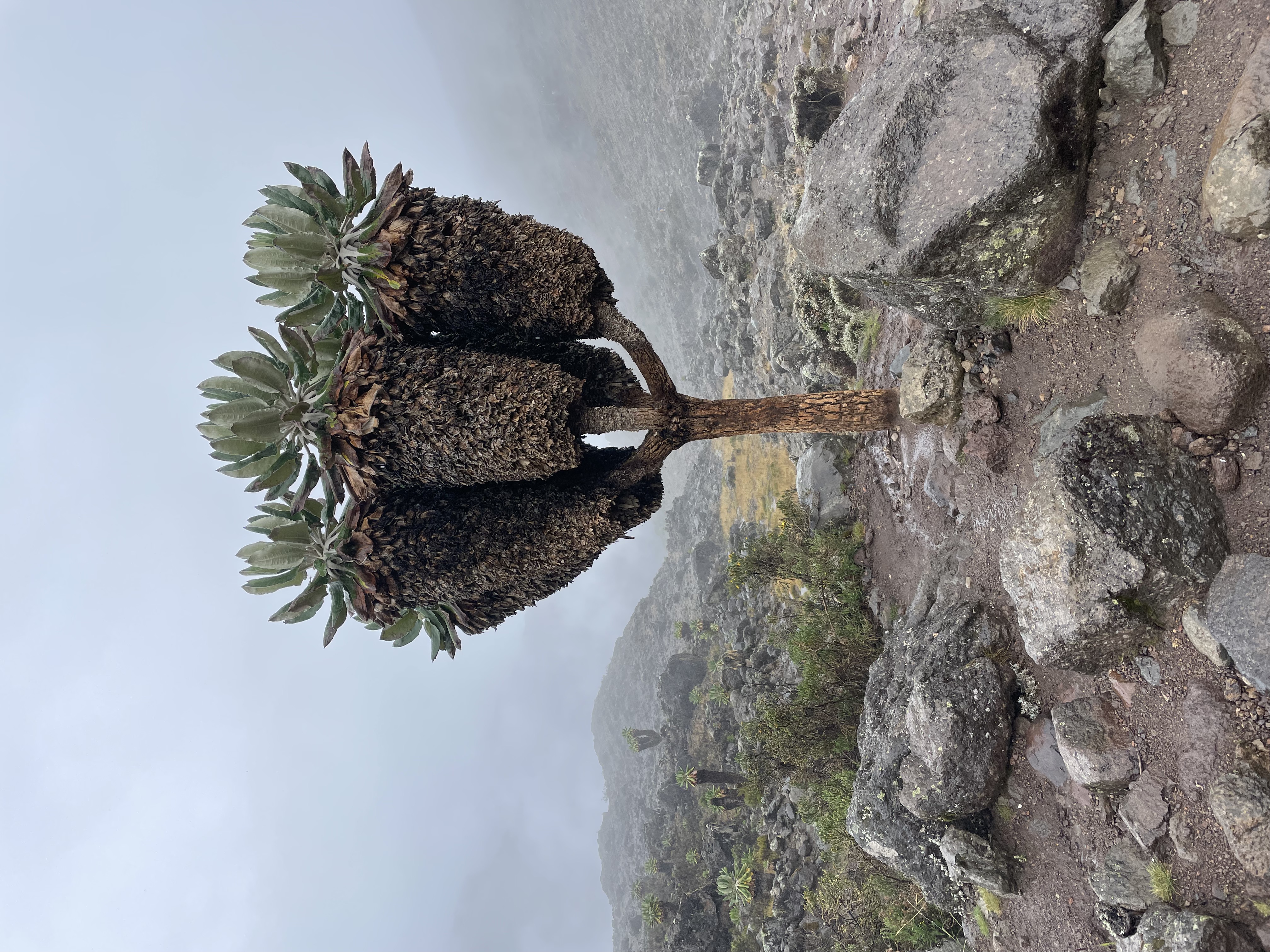
<p>Trees shrink and spread apart. The dense canopy opens into a wide landscape of heather and moorland where the plants begin to look strange — evolutionary improvisations shaped by cold nights and thin air. Giant groundsels rise above the fog like tall green candles, their thick leaves protecting a reservoir of warmth against the freezing temperatures that arrive after sunset. Lobelias cluster along the slopes like sculptures made from living geometry.</p>

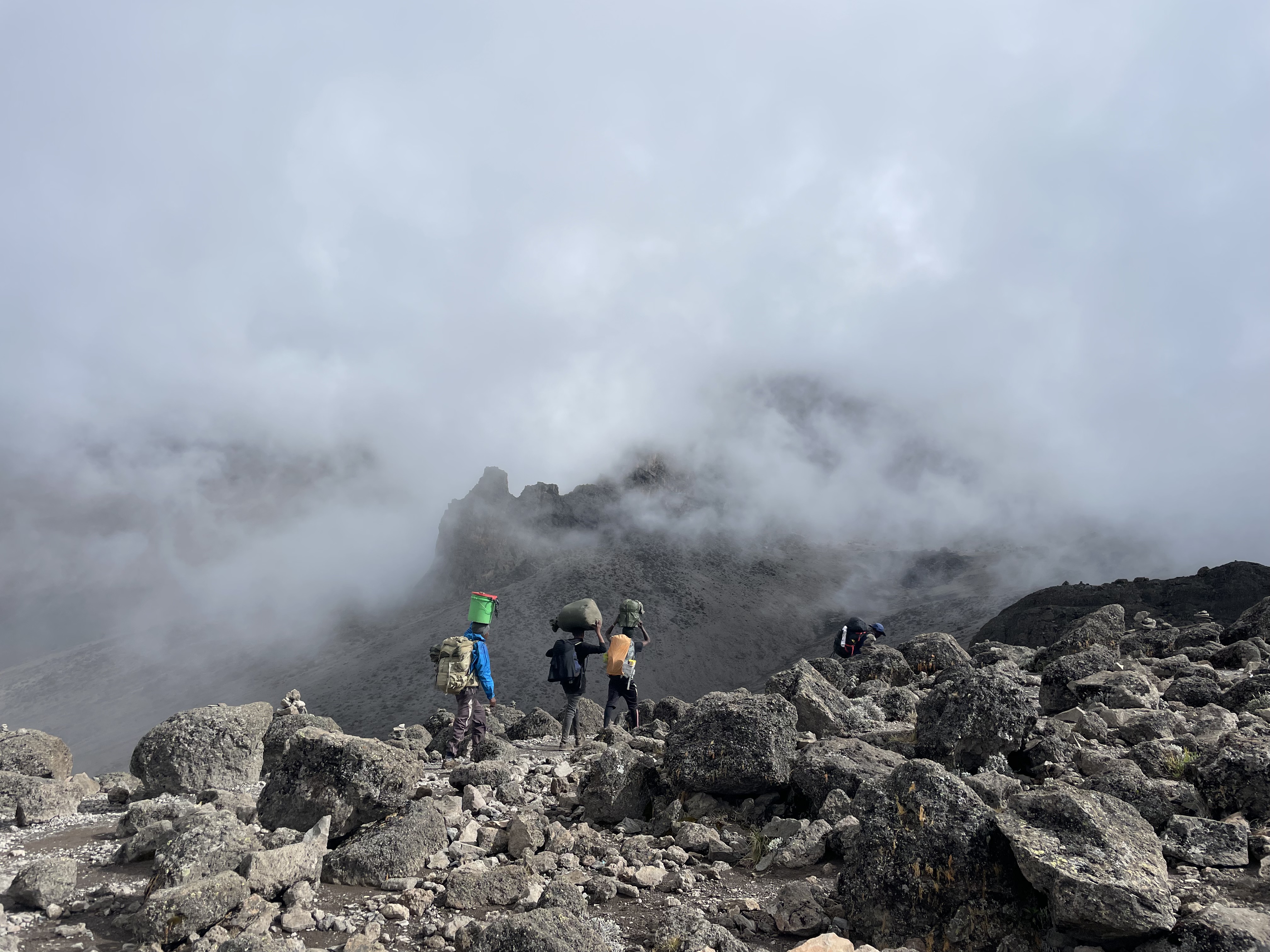
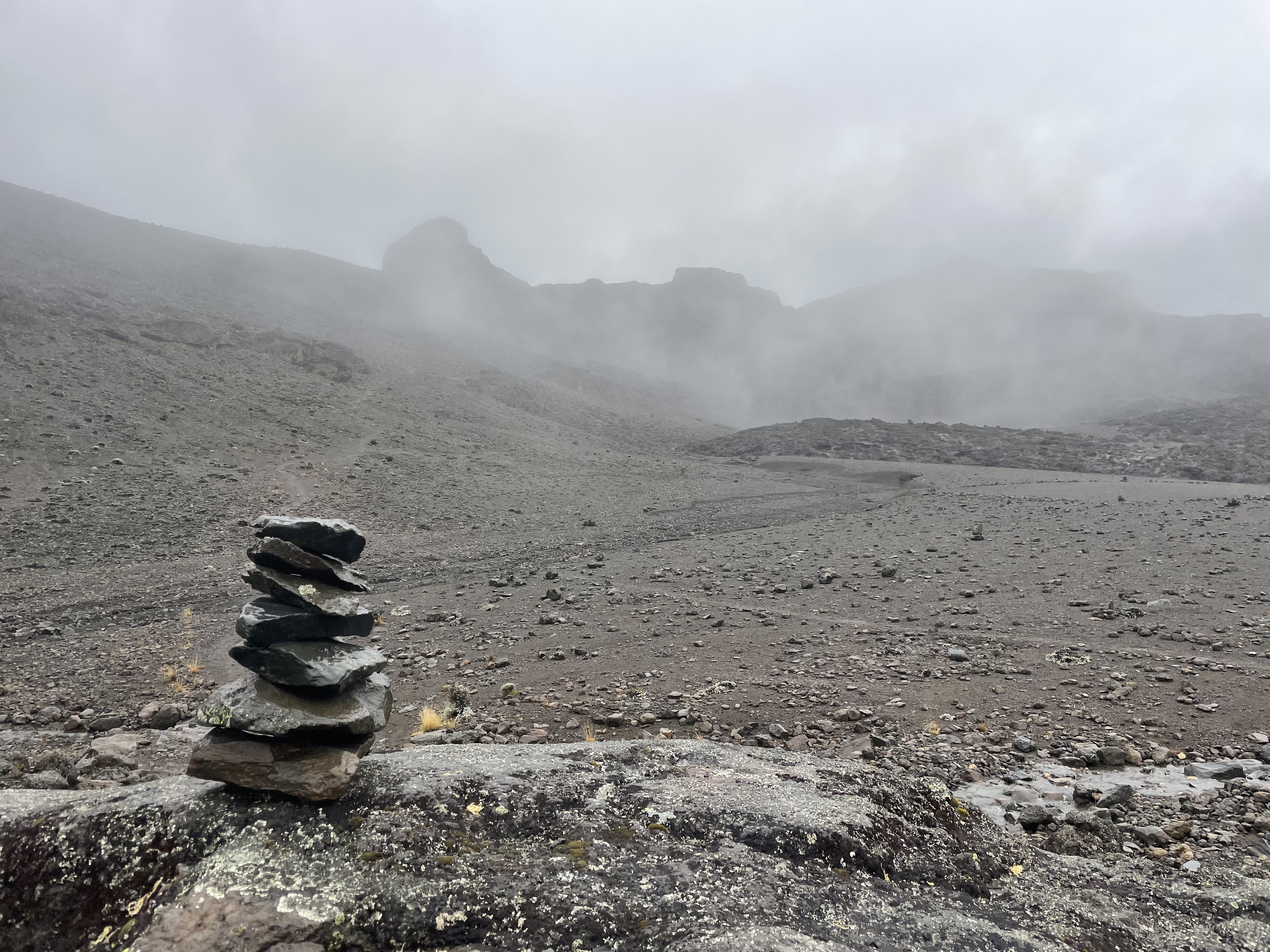
<p>Clouds drift through this zone in slow waves, sometimes opening long enough to reveal the plains of Tanzania spreading endlessly below. Then, almost without warning, the vegetation disappears. The mountain becomes desert. Not the desert of sand dunes and wind-carved ridges, but a high, volcanic desert — ash-gray soil and fractured rock stretching in all directions beneath a sky so wide it feels structural. Nothing moves here except wind and people.</p>

<p>Water becomes scarce.<br />
The air grows thin.<br />
Every step feels slightly more deliberate.</p>

<p>It is a place stripped to essentials: rock, light, breath. And above even this landscape lies the final zone: the summit, where ice once dominated the crater rim and glaciers spread outward across the mountain’s highest slopes.</p>

<p>This is where we were heading.</p>
<div style="display: flex; justify-content: center; gap: 20px; margin: 20px 0; max-width: 600px;">
  <!-- First image with caption -->
  <figure style="margin: 0; line-height: 1.2; width: 100%;">
    <img src="/assets/images/kili/IMG_4828.jpeg" alt="peaks" style="width: 100%; margin-bottom: 2px;" />
    <figcaption style="font-size: 0.55em; text-align: center; color: #666; margin-top: 2px;">
    </figcaption>
  </figure>

  <!-- Second image with caption -->
  <figure style="margin: 0; line-height: 1.2; width: 100%;">
    <img src="/assets/images/kili/IMG_4671.jpeg" alt="sky view" style="width: 100%; margin-bottom: 2px;" />
    <figcaption style="font-size: 0.55em; text-align: center; color: #666; margin-top: 2px;">
    </figcaption>
  </figure>
</div>

<div style="display: flex; justify-content: center; gap: 20px; margin: 20px 0; max-width: 600px;">
  <!-- First image with caption -->
  <figure style="margin: 0; line-height: 1.2; width: 100%;">
    <img src="/assets/images/kili/IMG_4776.jpeg" alt="peaks" style="width: 100%; margin-bottom: 2px;" />
    <figcaption style="font-size: 0.55em; text-align: center; color: #666; margin-top: 2px;">
    </figcaption>
  </figure>

  <!-- Second image with caption -->
  <figure style="margin: 0; line-height: 1.2; width: 100%;">
    <img src="/assets/images/kili/IMG_4744.jpeg" alt="sky view" style="width: 100%; margin-bottom: 2px;" />
    <figcaption style="font-size: 0.55em; text-align: center; color: #666; margin-top: 2px;">
    </figcaption>
  </figure>
</div>

<div style="display: flex; justify-content: center; gap: 20px; margin: 20px 0; max-width: 600px;">
  <!-- First image with caption -->
  <figure style="margin: 0; line-height: 1.2; width: 100%;">
    <img src="/assets/images/kili/IMG_4745.jpeg" alt="peaks" style="width: 100%; margin-bottom: 2px;" />
    <figcaption style="font-size: 0.55em; text-align: center; color: #666; margin-top: 2px;">
    </figcaption>
  </figure>

  <!-- Second image with caption -->
  <figure style="margin: 0; line-height: 1.2; width: 100%;">
    <img src="/assets/images/kili/IMG_4596.jpeg" alt="sky view" style="width: 100%; margin-bottom: 2px;" />
    <figcaption style="font-size: 0.55em; text-align: center; color: #666; margin-top: 2px;">
    </figcaption>
  </figure>
</div>
<p>But long before we reached it, the mountain had already begun to teach us something about scale, about how quickly environments change when altitude compresses distance, and how fragile those environments can become. You can walk through entire climates here in the span of a few days. And the final one is fading.</p>

<hr />

<h2 id="trail-family">Trail Family</h2>

<p>Over the days, the mountain quietly rearranged us.</p>

<p>What began as a group of strangers, different countries, different rhythms, different reasons for being there, slowly became something else. Not all at once, and not through any single moment, but through the accumulation of small, shared things.
Passing snacks along the trail without asking.</p>

<p>Waiting at turns in the path until everyone rounded the corner.
Learning each other’s walking pace, each other’s silences.</p>

<p>There is a particular kind of closeness that forms in places where everyone is slightly uncomfortable. Where sleep is thin, where the air is scarce, where each step requires just enough effort to strip away the usual distractions of daily life.
On Kilimanjaro, conversation comes in fragments.</p>

<p>A few words between breaths.
A quiet joke at lunch.
A glance that says you’re doing okay without needing to say it aloud.
And then, without ever naming it, you begin to move as a unit.</p>

<p><strong>A trail family.</strong></p>

<div style="display: flex; justify-content: center; gap: 20px; margin: 20px 0; max-width: 600px;">
  <!-- First image with caption -->
  <figure style="margin: 0; line-height: 1.2; width: 100%;">
    <img src="/assets/images/kili/IMG_4821.jpeg" alt="peaks" style="width: 100%; margin-bottom: 2px;" />
    <figcaption style="font-size: 0.55em; text-align: center; color: #666; margin-top: 2px;">
    </figcaption>
  </figure>

  <!-- Second image with caption -->
  <figure style="margin: 0; line-height: 1.2; width: 100%;">
    <img src="/assets/images/kili/IMG_4789.jpeg" alt="sky view" style="width: 100%; margin-bottom: 2px;" />
    <figcaption style="font-size: 0.55em; text-align: center; color: #666; margin-top: 2px;">
    </figcaption>
  </figure>
</div>

<div style="display: flex; justify-content: center; gap: 20px; margin: 20px 0; max-width: 600px;">
  <!-- Single image with caption -->
  <figure style="margin: 0; line-height: 1.2; width: 100%;">
    <img src="/assets/images/kili/IMG_4890.jpeg" alt="Mountains meet sea" style="width: 100%; margin-bottom: 2px;" />
    <figcaption style="font-size: 0.55em; text-align: center; color: #666; margin-top: 2px;">
    </figcaption>
  </figure>
</div>

<div style="display: flex; justify-content: center; gap: 20px; margin: 20px 0; max-width: 600px;">
  <!-- First image with caption -->
  <figure style="margin: 0; line-height: 1.2; width: 100%;">
    <img src="/assets/images/kili/IMG_4831.jpeg" alt="peaks" style="width: 100%; margin-bottom: 2px;" />
    <figcaption style="font-size: 0.55em; text-align: center; color: #666; margin-top: 2px;">
    </figcaption>
  </figure>

  <!-- Second image with caption -->
  <figure style="margin: 0; line-height: 1.2; width: 100%;">
    <img src="/assets/images/kili/IMG_4602.jpeg" alt="sky view" style="width: 100%; margin-bottom: 2px;" />
    <figcaption style="font-size: 0.55em; text-align: center; color: #666; margin-top: 2px;">
    </figcaption>
  </figure>
</div>

<p>Bound not by history, but by direction.
By the simple agreement to keep going upward together.
By the understanding that no one reaches the summit alone, not really. On summit night, this became even clearer. In the darkness, with only headlamps and breath to guide us, we were no longer individuals scattered across a slope. We were a line, steady, slow, connected.</p>

<p>Each person carrying their own weight.
Each person quietly supporting the others.</p>

<p>There is something about the mountain that makes this kind of connection feel both fleeting and permanent at the same time.
You know you will eventually go your separate ways. But for now, for these few days suspended between earth and sky, you belong to one another.</p>

<p>–</p>

<h2 id="summit-night-the-quiet-arrival-of-a-new-year">Summit Night: The Quiet Arrival of a New Year</h2>

<p>Summit night begins in darkness.</p>

<p>We left camp just before midnight on December 31st, stepping into the cold with headlamps glowing in a long, quiet line along the trail. Above us the sky was impossibly clear, the Milky Way stretching across the horizon in a pale river of stars. The world had narrowed to a rhythm:</p>

<p>step<br />
breath<br />
step<br />
breath</p>

<p>The air was thin enough that even small movements felt deliberate. Every few minutes we paused to steady ourselves while our guide repeated the same gentle reminder.</p>

<p><em>Pole pole.</em></p>

<p>Slowly.</p>

<p>The phrase carries more meaning than it seems to at first. On Kilimanjaro it becomes a philosophy of movement, a reminder that patience is the only pace that works at altitude. The mountain rose slowly beneath our feet. Below us, tiny constellations of headlamps wound upward across the slope — each light marking someone else making the same slow pilgrimage through the night. At some point, without ceremony, the year changed.</p>

<p>No countdown.<br />
No fireworks.</p>

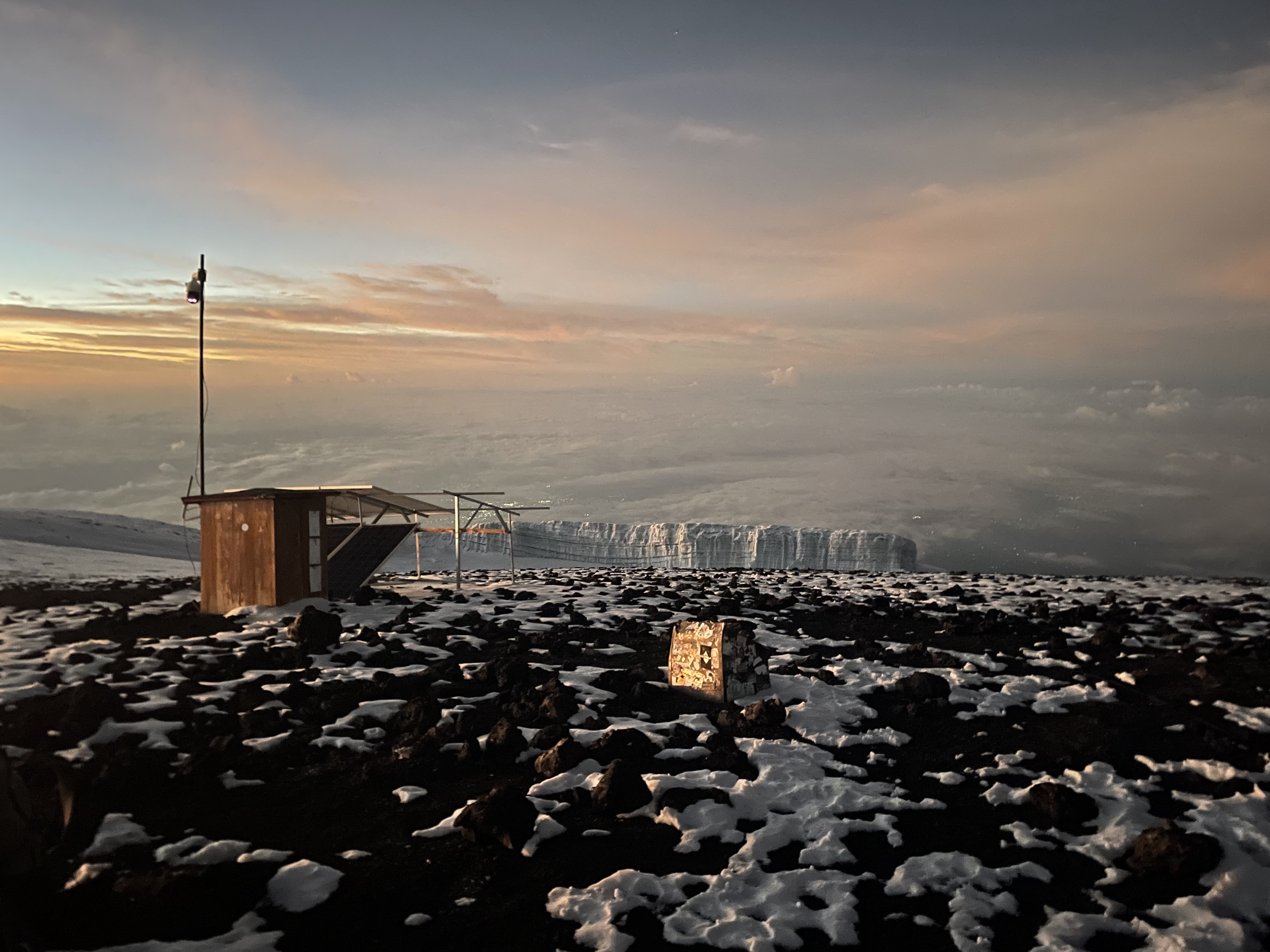
<p>Just the crunch of frozen scree beneath our boots and the quiet realization that midnight had passed somewhere between breaths. We were walking into the new year one step at a time. Hours later the horizon began to soften, the black sky fading into deep indigo and then into a thin band of amber light. When we reached the crater rim, dawn broke open across the plains far below us, spilling gold across the clouds.</p>

<div style="display: flex; justify-content: center; gap: 20px; margin: 20px 0; max-width: 600px;">
  <!-- Single image with caption -->
  <figure style="margin: 0; line-height: 1.2; width: 100%;">
    <img src="/assets/images/kili/IMG_4865.jpeg" alt="Mountains meet sea" style="width: 100%; margin-bottom: 2px;" />
    <figcaption style="font-size: 0.55em; text-align: center; color: #666; margin-top: 2px;">
    </figcaption>
  </figure>
</div>

<div style="display: flex; justify-content: center; gap: 20px; margin: 20px 0; max-width: 600px;">
  <!-- First image with caption -->
  <figure style="margin: 0; line-height: 1.2; width: 100%;">
    <img src="/assets/images/kili/IMG_4855.jpeg" alt="peaks" style="width: 100%; margin-bottom: 2px;" />
    <figcaption style="font-size: 0.55em; text-align: center; color: #666; margin-top: 2px;">
    </figcaption>
  </figure>

  <!-- Second image with caption -->
  <figure style="margin: 0; line-height: 1.2; width: 100%;">
    <img src="/assets/images/kili/IMG_4897.jpeg" alt="sky view" style="width: 100%; margin-bottom: 2px;" />
    <figcaption style="font-size: 0.55em; text-align: center; color: #666; margin-top: 2px;">
    </figcaption>
  </figure>
</div>

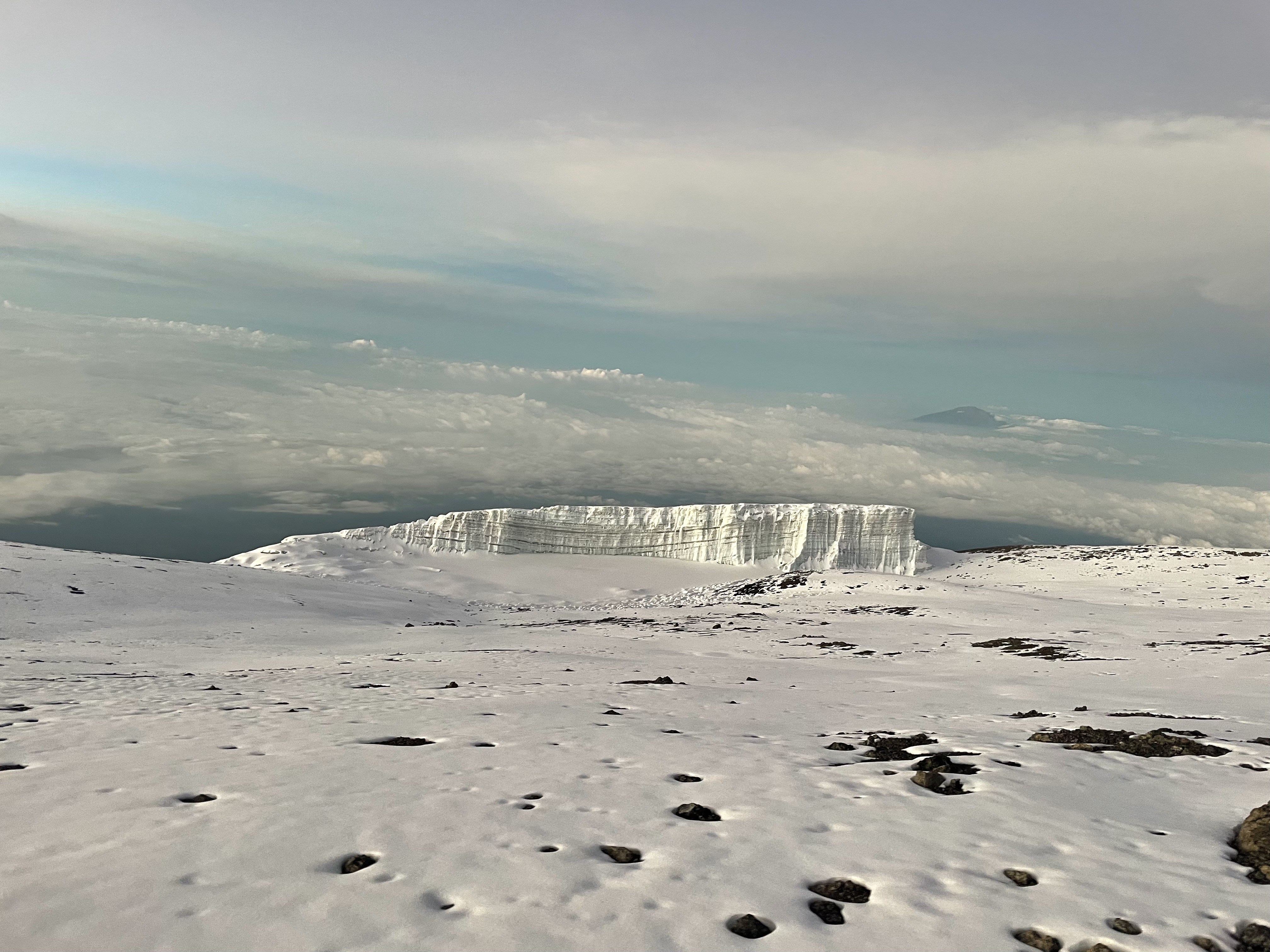
<p>And there, rising from the summit plateau, were the glaciers.</p>

<hr />

<h2 id="the-ice-that-remains">The Ice That Remains</h2>

<p>They appear suddenly.</p>

<p>Walls of blue ice standing upright against the sky, their surfaces cut into sharp angles and glowing faintly in the early light. They look less like glaciers and more like the ruins of something ancient — fragments of a much larger presence that once covered the summit.</p>

<p>A century ago, Kilimanjaro’s ice fields stretched across much of the crater rim. Today only isolated sections remain.</p>

<p>Scientists estimate that more than <strong>80–90 percent of the glacier mass has disappeared</strong> since the early twentieth century. The ice is not only melting from warmer temperatures; it is also sublimating — turning directly from solid ice into vapor in the dry summit air. Changes in cloud cover and regional moisture patterns have reduced the snowfall that once replenished the glaciers each year.</p>

<p>In other words, the system that sustained the ice has begun to unravel.</p>

<p>Standing beside the remaining glaciers feels like standing beside something that knows it is temporary. The ice glows an almost impossible blue where the light reaches deep into its layers. Thin edges curl and fracture. Small pieces fall silently onto the ground and vanish into dust and sunlight.</p>

<p>These glaciers are not flowing rivers of ice anymore.</p>

<p>They are remnants.</p>

<div style="display: flex; justify-content: center; gap: 20px; margin: 20px 0; max-width: 600px;">
  <!-- Single image with caption -->
  <figure style="margin: 0; line-height: 1.2; width: 100%;">
    <img src="/assets/images/kili/IMG_4893.jpeg" alt="Mountains meet sea" style="width: 100%; margin-bottom: 2px;" />
    <figcaption style="font-size: 0.55em; text-align: center; color: #666; margin-top: 2px;">
     
    </figcaption>
  </figure>
</div>
<div style="display: flex; justify-content: center; gap: 20px; margin: 20px 0; max-width: 600px;">
  <!-- Single image with caption -->
  <figure style="margin: 0; line-height: 1.2; width: 100%;">
    <img src="/assets/images/kili/IMG_4864.jpeg" alt="Mountains meet sea" style="width: 100%; margin-bottom: 2px;" />
    <figcaption style="font-size: 0.55em; text-align: center; color: #666; margin-top: 2px;">
    </figcaption>
  </figure>
</div>

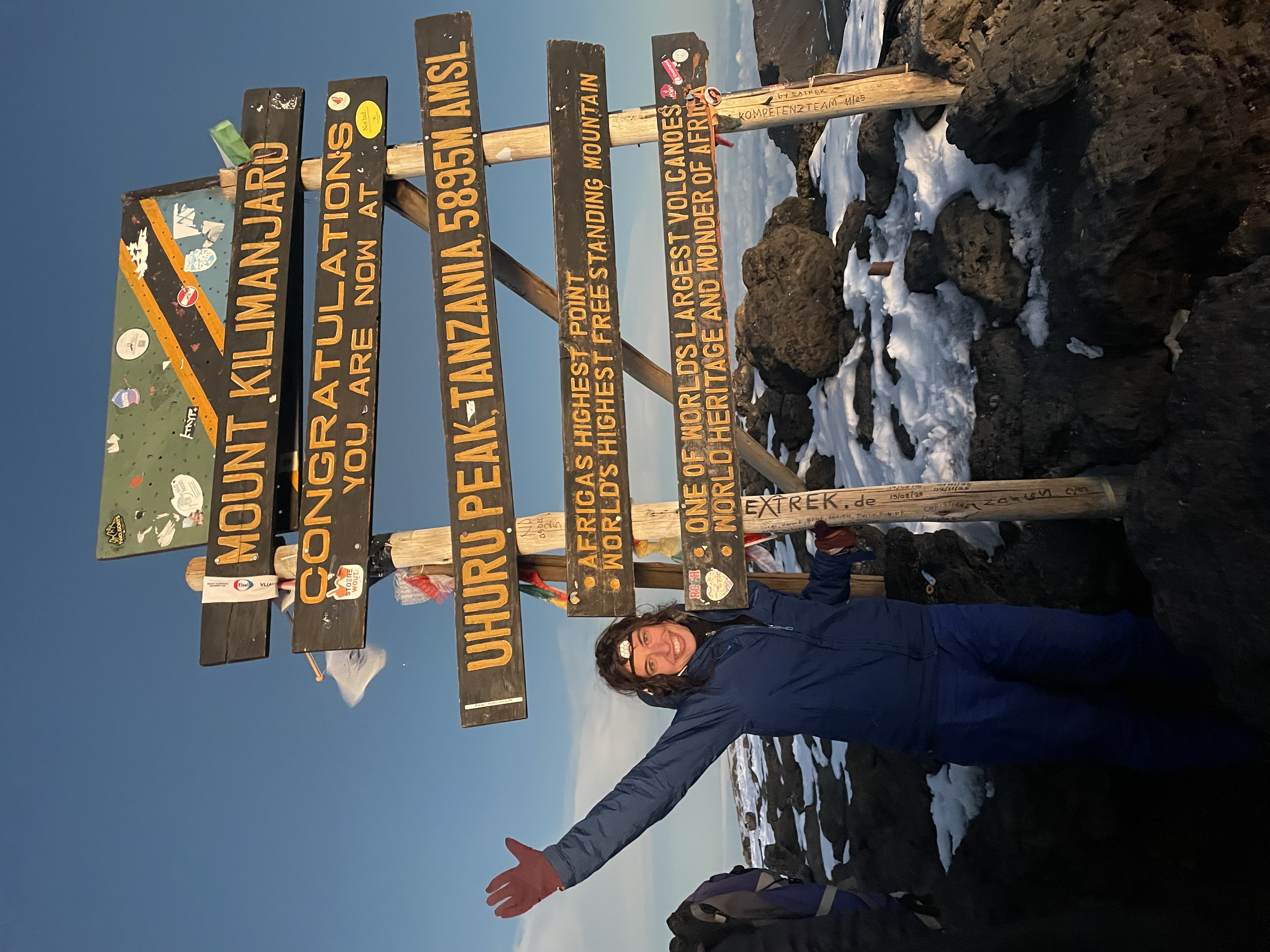
<p>We stood at Uhuru Peak on the first morning of the year, looking out over the clouds while the shadow of Kilimanjaro stretched across the plains below like a second mountain made of darkness.</p>

<p>Somewhere far beneath us were the forests, the coffee farms, and the waterfall where we had stood days earlier with mist in our hair.</p>

<p>All of those climates layered below us again:</p>

<p>rainforest<br />
moorland<br />
desert<br />
ice</p>

<p>It felt strange to celebrate a new year beside something so clearly nearing its end. And yet the moment itself felt suspended, neither beginning nor ending, but something quieter. A place where effort met arrival. Where the mountain had revealed its entire geography step by step. And where the first sunrise of the year illuminated not just the summit beneath our feet, but the fragile edge of the climate systems that shaped it. For a brief moment we stood above the clouds, on the roof of Africa, watching the light move across a landscape that holds entire worlds within a single mountain. And slowly, quietly, we began the long walk back down through them.</p>

<p>Down into thicker air.
Into color.
Into life returning in layers.</p>

<p>The summit is never the whole story.</p>

<p>It is only a moment, sharp and bright and fleeting,  held between everything that comes before and everything that follows. What lingers longer are the quieter things: the rhythm of walking, the shared silence, the way a group of strangers became something like a family for a few days on a mountain. By the time we reached the lower slopes again, the air felt almost heavy, full of scent and sound and warmth. The same farms, the same trees, the same drifting clouds, but we were not quite the same people who had walked upward through them.</p>

<p>The mountain does not keep you.
It lets you pass through.</p>

<p>But it leaves something with you, a recalibration of scale, of effort, of what it means to move slowly enough to notice the world changing around you. And maybe that is the real gift of Kilimanjaro. Not just standing on the roof of Africa at sunrise on the first morning of a new year, but learning, step by step, how to arrive there together.</p>]]></content><author><name>Jasmine</name></author><summary type="html"><![CDATA[Walking to the Roof of Africa: Kilimanjaro on New Year’s Morning]]></summary></entry><entry><title type="html">In Transit: Energy, Cities, and the Turning Season</title><link href="https://jasminegarland.github.io/london" rel="alternate" type="text/html" title="In Transit: Energy, Cities, and the Turning Season" /><published>2025-10-20T07:30:00+00:00</published><updated>2025-10-20T07:30:00+00:00</updated><id>https://jasminegarland.github.io/london</id><content type="html" xml:base="https://jasminegarland.github.io/london"><![CDATA[<p><strong>Cheers from London.</strong><br />
Or perhaps from the space between places, that liminal rhythm of trains and tunnels and changing light. I began the journey in Zurich, where the morning felt like metal and mist. At 7:34 sharp, our train slipped from the platform and set off across the continent, a quiet hum beneath our seats. Fields blurred into forests, languages shifted, and the day stretched out like a single line drawn westward.</p>

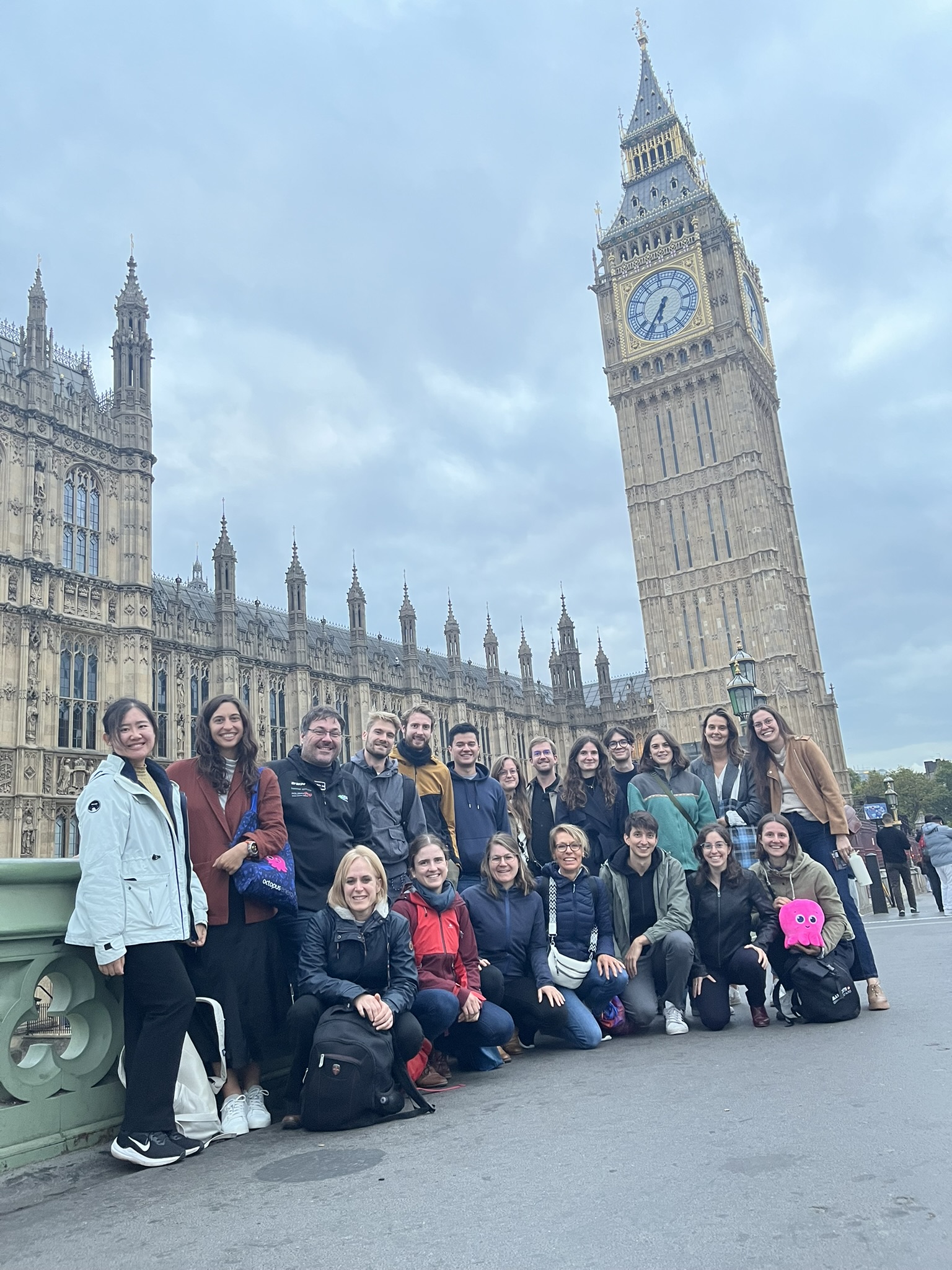
<p>By the time we reached <strong>London</strong>, the sky was soft with drizzle and the air smelled faintly of rain on brick. A new cadence: buses, sirens, laughter, and the first dinner with the <strong>Power Systems Lab</strong>, all of us jet-lagged but bright-eyed, hungry for curry and conversation.</p>

<div style="display: flex; justify-content: center; gap: 20px; margin: 20px 0; max-width: 600px;">
  <figure style="margin: 0; line-height: 1.2; width: 60%;">
    <img src="/assets/images/londonblog/IMG_2515.JPEG" alt="IMG 2616" style="width: 100%; margin-bottom: 2px;" />
  </figure>
</div>

<h3 id="london-energy-in-motion">London: Energy in Motion</h3>

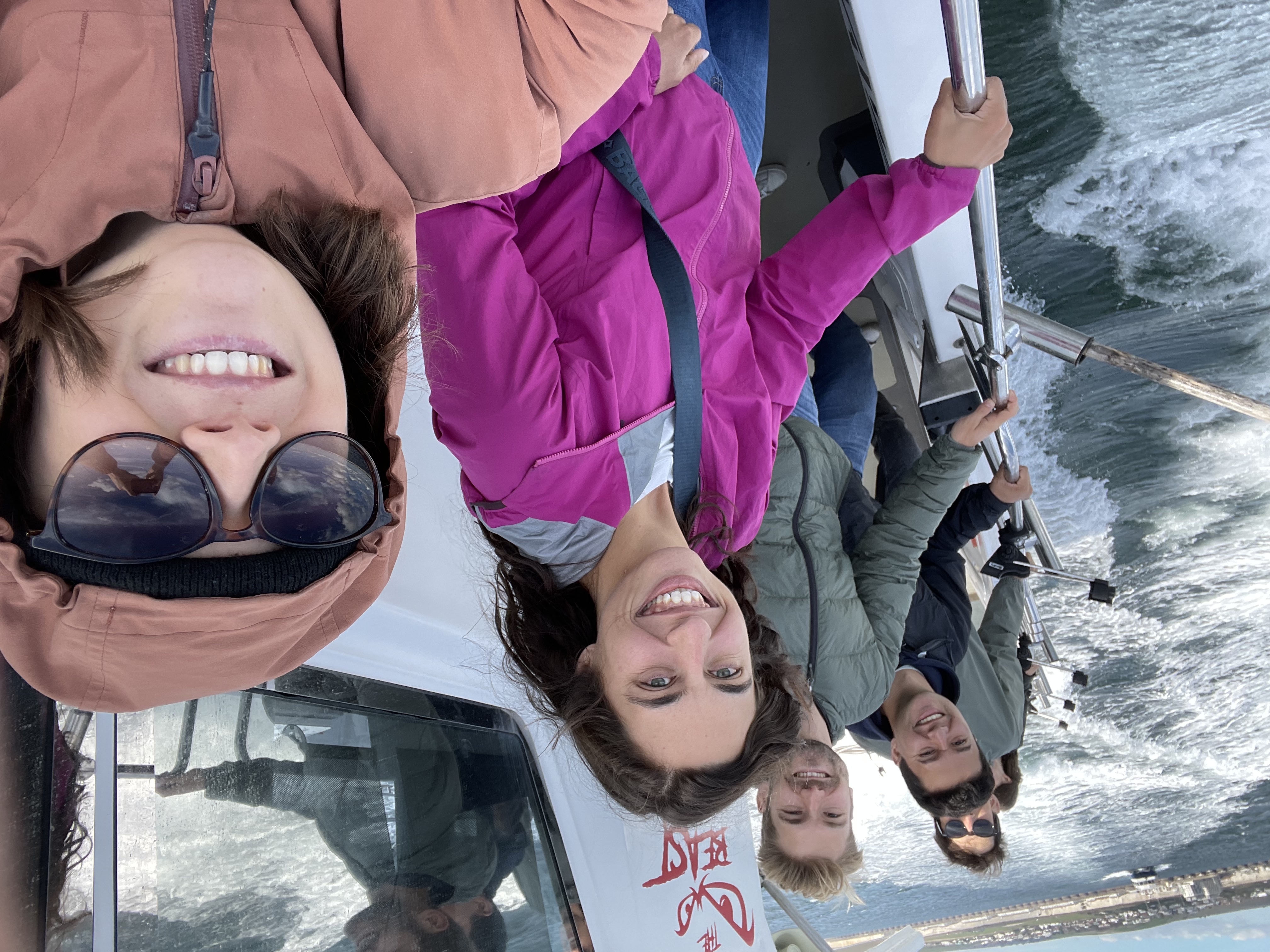
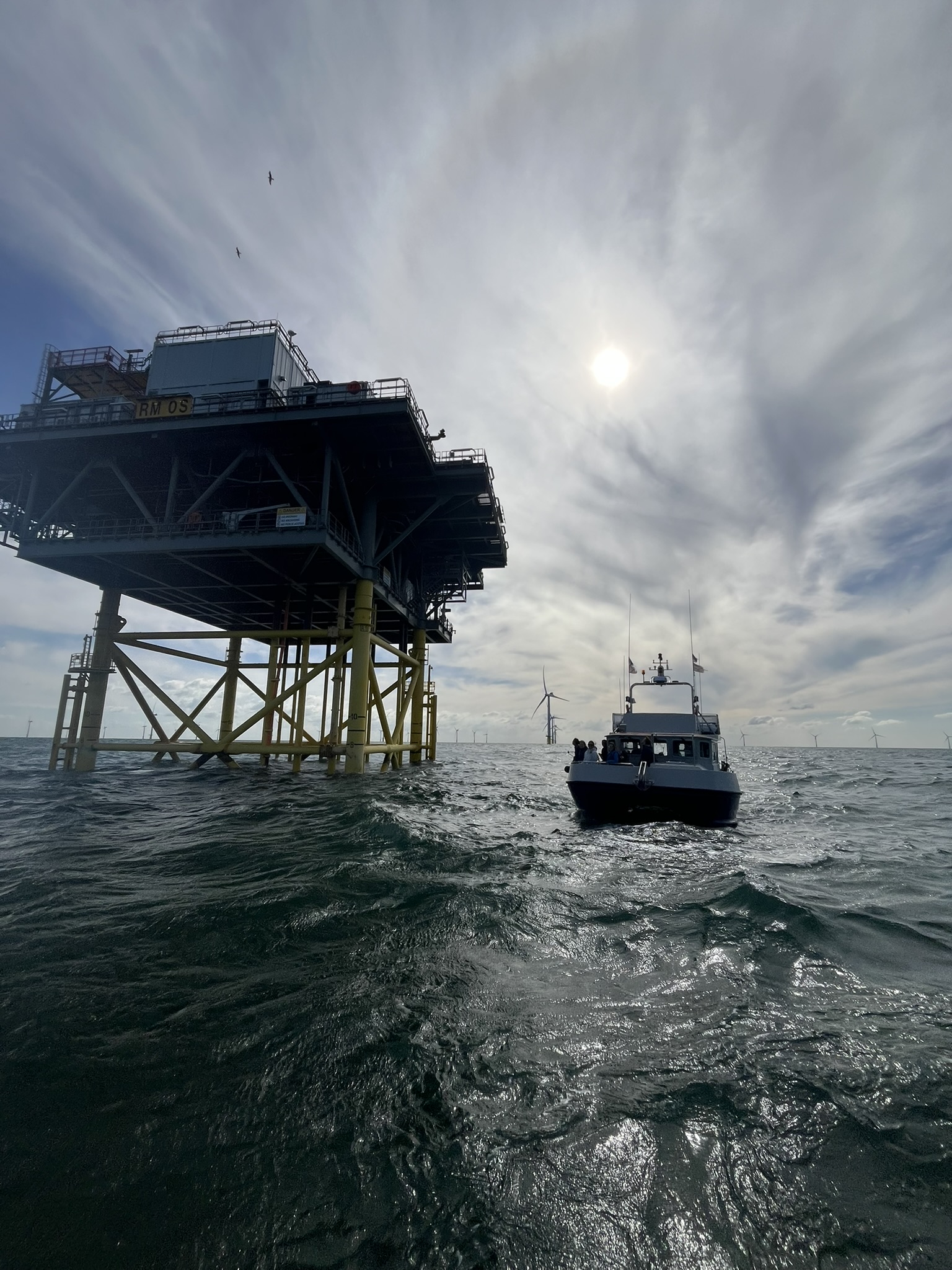
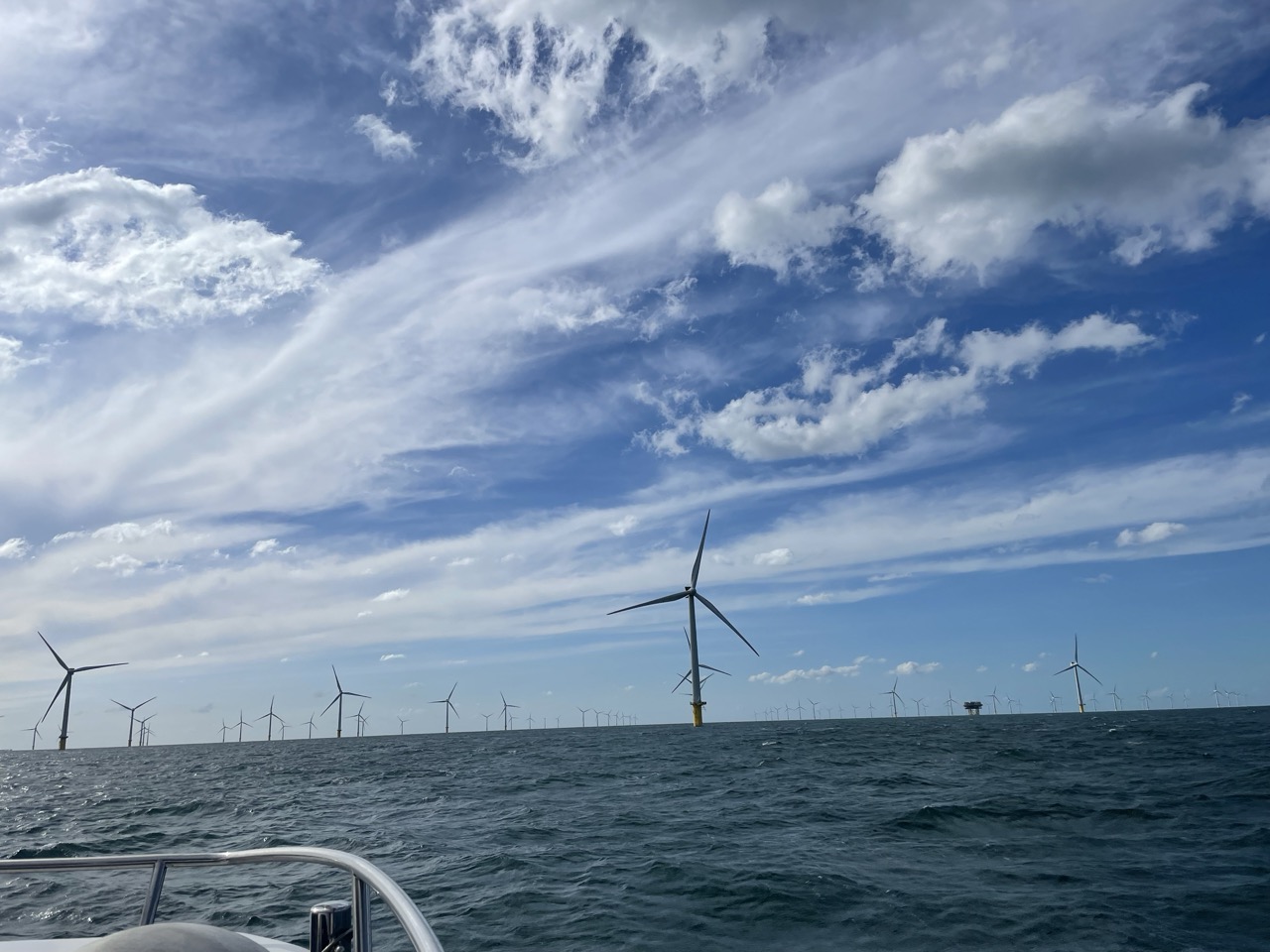
<p>The next morning, we boarded another train, this one south to <strong>Brighton</strong>. It was the kind of British morning that makes tea feel essential: low clouds, cool air, the promise of wind. From the harbor, a small boat waited to take us out to sea, toward the white silhouettes of turbines on the horizon.</p>

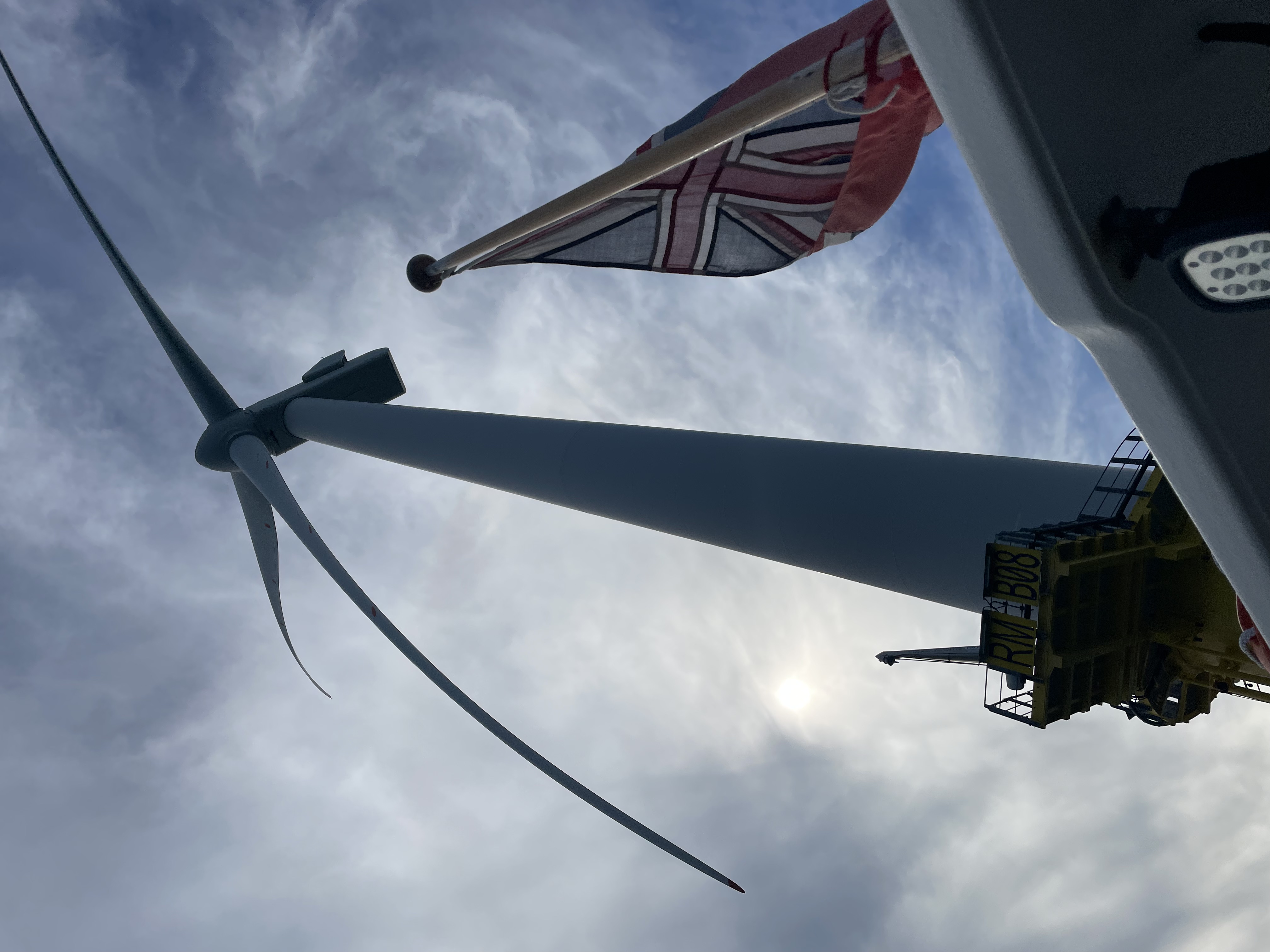
<p>As we drew closer, the <strong>offshore wind farm</strong> unfolded like an industrial cathedral, pale towers rising from gray water, each rotation deliberate and serene. Standing on the deck, I felt a strange mixture of awe and quiet, the kind that comes when technology and nature momentarily agree. The sea was cold and the air electric with salt; seagulls followed, their cries lost in the hum of blades.</p>

<p>Later, at the <strong>Wind Farm Visitors Centre</strong>, we traced data and diagrams on screens, our fingers still numb from the cold. Offshore generation, maintenance cycles, grid integration, all the words of my daily work, now anchored in salt and sound.</p>

<div style="display: flex; justify-content: center; gap: 20px; margin: 20px 0; max-width: 600px;">
  <figure style="margin: 0; line-height: 1.2; width: 45%;">
    <img src="/assets/images/londonblog/IMG_2932.jpeg" alt="Photo 1" style="width: 100%; margin-bottom: 2px;" />
  </figure>
  <figure style="margin: 0; line-height: 1.2; width: 45%;">
    <img src="/assets/images/londonblog/IMG_2476.JPEG" alt="Photo 2" style="width: 100%; margin-bottom: 2px;" />
  </figure>
</div>

<div style="display: flex; justify-content: center; gap: 20px; margin: 20px 0; max-width: 600px;">
  <figure style="margin: 0; line-height: 1.2; width: 45%;">
    <img src="/assets/images/londonblog/IMG_2939.jpeg" alt="Photo 3" style="width: 100%; margin-bottom: 2px;" />
  </figure>
  <figure style="margin: 0; line-height: 1.2; width: 45%;">
    <img src="/assets/images/londonblog/IMG_2948.jpeg" alt="Photo 4" style="width: 100%; margin-bottom: 2px;" />
  </figure>
</div>

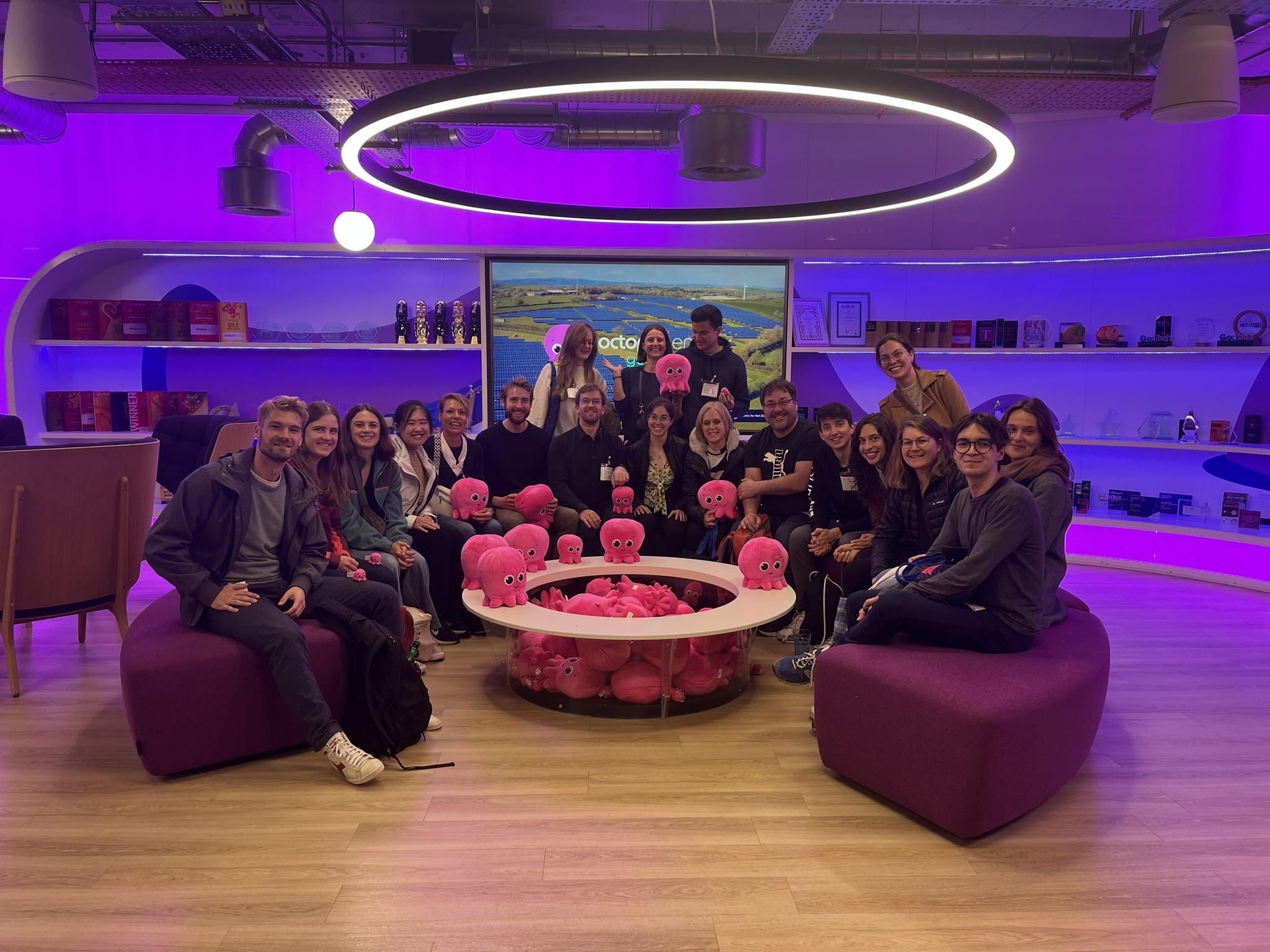
<p>The next day returned us to London’s concrete pulse. We visited <strong>Octopus Energy’s Centre for Net Zero</strong>, where models of the future buzzed with optimism, algorithms simulating millions of households, each curve and variable a small act of imagination. Then <strong>Piclo Energy</strong>, with its vision of transparent markets and smarter grids. Innovation, it turns out, has its own geography, tucked inside modest offices, glowing quietly behind screens.</p>

<div style="display: flex; justify-content: center; gap: 20px; margin: 20px 0; max-width: 600px;">
  <figure style="margin: 0; line-height: 1.2; width: 100%;">
    <img src="/assets/images/londonblog/IMG_2495.JPEG" alt="IMG 2594" style="width: 100%; margin-bottom: 2px;" />
  </figure>
</div>

<p>In the afternoon, I wandered the <strong>Science Museum</strong>, where the story of energy unfolded in brass and steam and static. It struck me that the entire narrative of human progress could be told through the pursuit of power: how to capture it, store it, share it. And there I was, one small researcher among many, trying to understand the next chapter.</p>

<p>Saturday came early. London faded behind glass and track, and the train began the long glide back toward Zurich. Somewhere under the Channel, time folded; by evening, the Alps returned, peaks flickering in the last light. The same rails that had carried me outward now stitched the journey home.</p>

<div style="display: flex; justify-content: center; gap: 20px; margin: 20px 0; max-width: 600px;">
  <figure style="margin: 0; line-height: 1.2; width: 45%;">
    <img src="/assets/images/londonblog/IMG_3004.jpeg" alt="Photo 1" style="width: 100%; margin-bottom: 2px;" />
  </figure>
  <figure style="margin: 0; line-height: 1.2; width: 45%;">
    <img src="/assets/images/londonblog/IMG_2983.jpeg" alt="Photo 2" style="width: 100%; margin-bottom: 2px;" />
  </figure>
</div>

<div style="display: flex; justify-content: center; gap: 20px; margin: 20px 0; max-width: 600px;">
  <figure style="margin: 0; line-height: 1.2; width: 45%;">
    <img src="/assets/images/londonblog/IMG_2997.jpeg" alt="Photo 3" style="width: 100%; margin-bottom: 2px;" />
  </figure>
  <figure style="margin: 0; line-height: 1.2; width: 45%;">
    <img src="/assets/images/londonblog/IMG_2986.jpeg" alt="Photo 4" style="width: 100%; margin-bottom: 2px;" />
  </figure>
</div>

<p>Traveling by train always reminds me that energy is motion, and motion, at its core, is hope, that things will continue, that there is still something ahead worth reaching.</p>

<h3 id="paris-a-city-of-one">Paris: A City of One</h3>

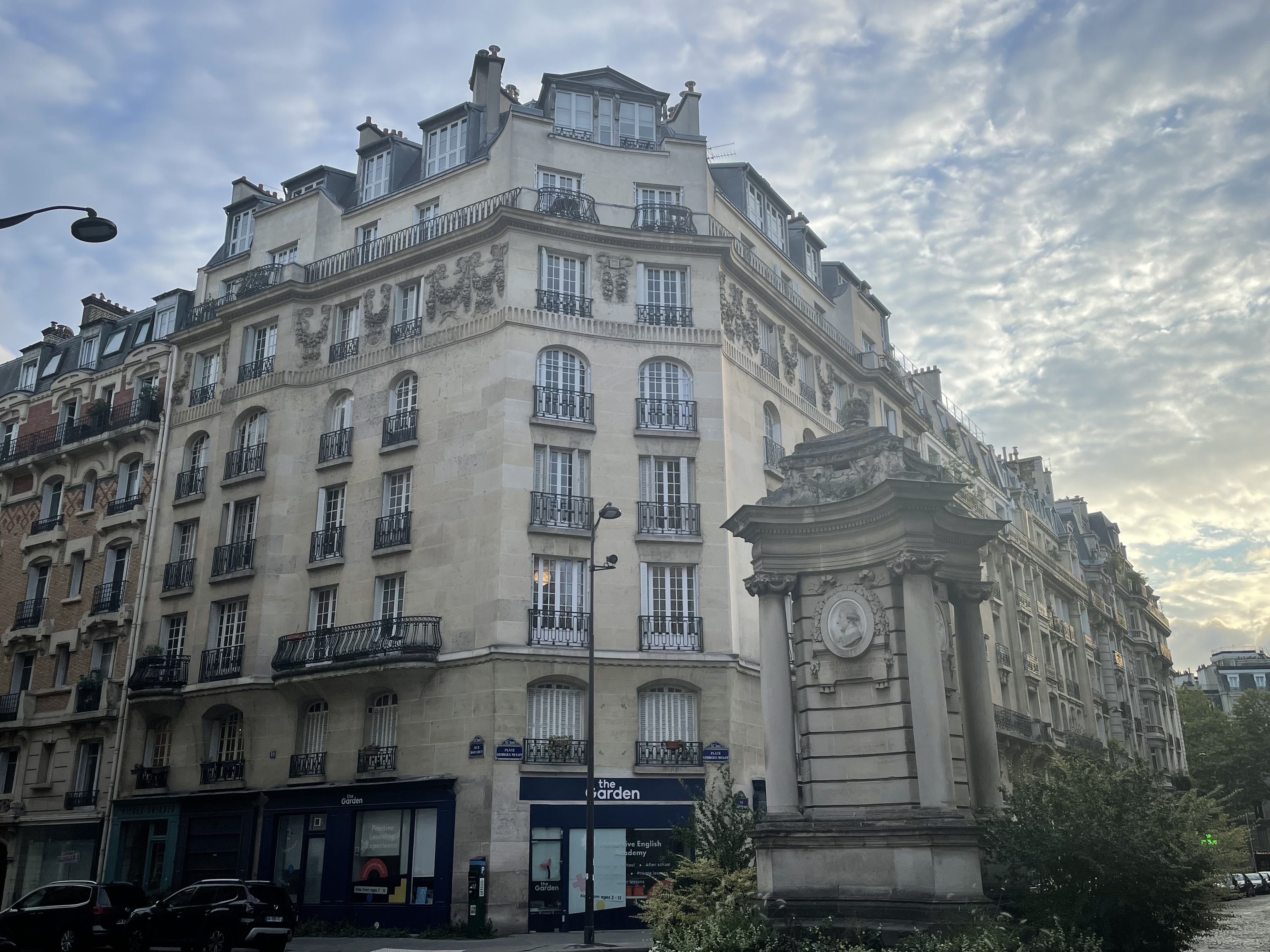
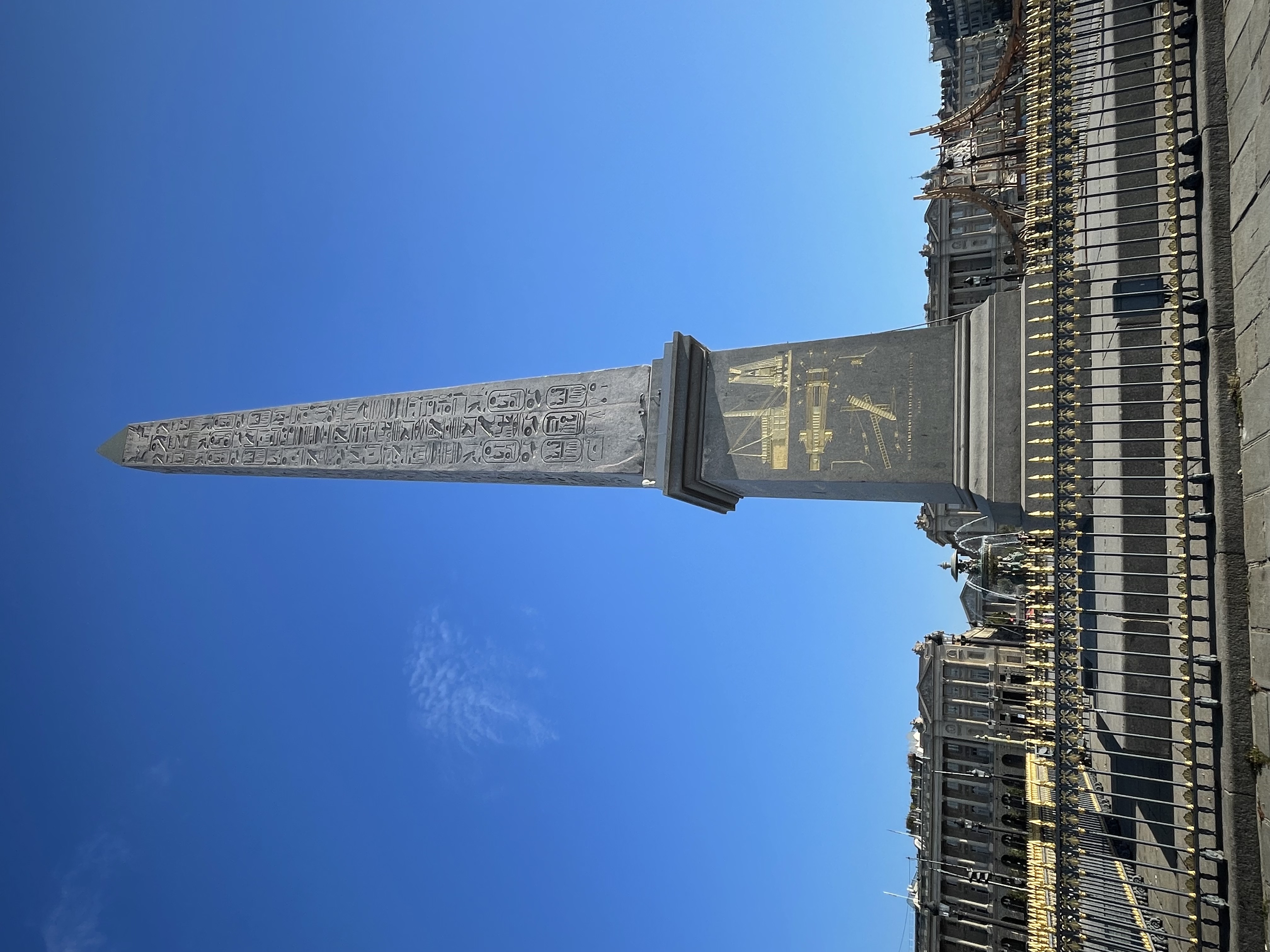
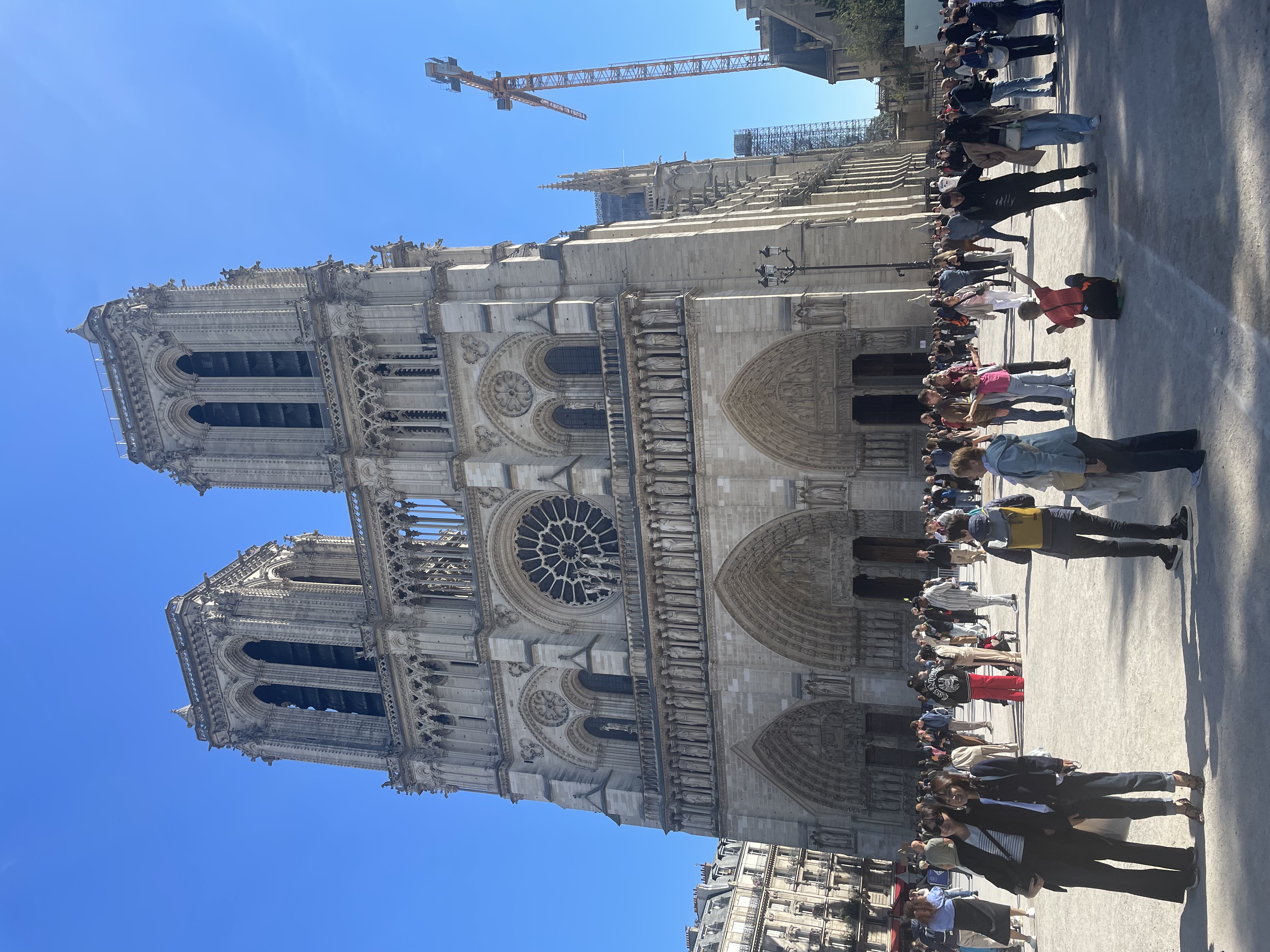
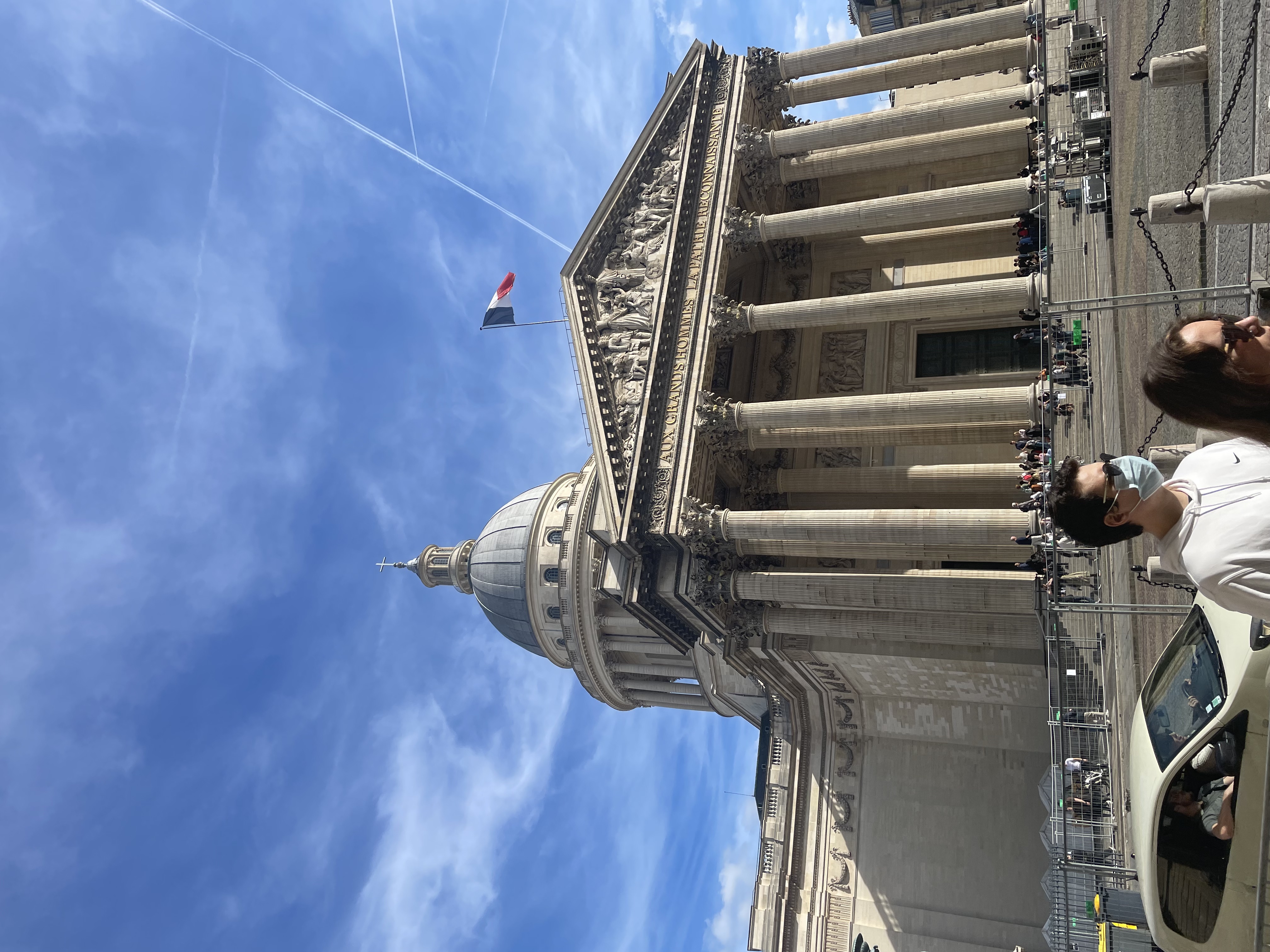
<p>A few days later, I caught another train, this time from <strong>Paris</strong>, alone. Where London had been collaboration and conversation, Paris was quiet exploration. I had arrived under a pale sky, the city breathing in gold and exhaust, and checked into a small room near the <strong>Latin Quarter</strong>, its balcony crooked and charming.</p>

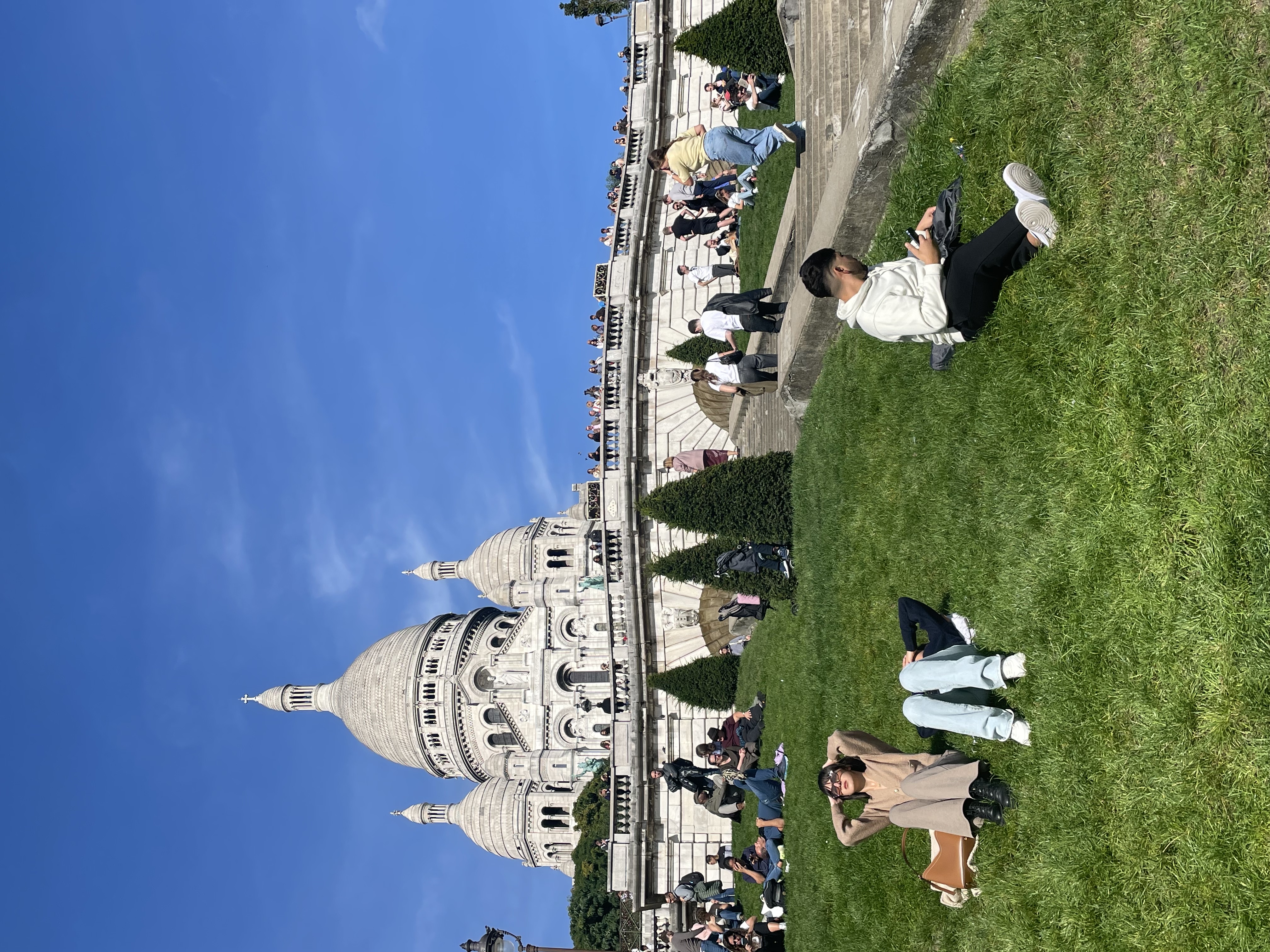
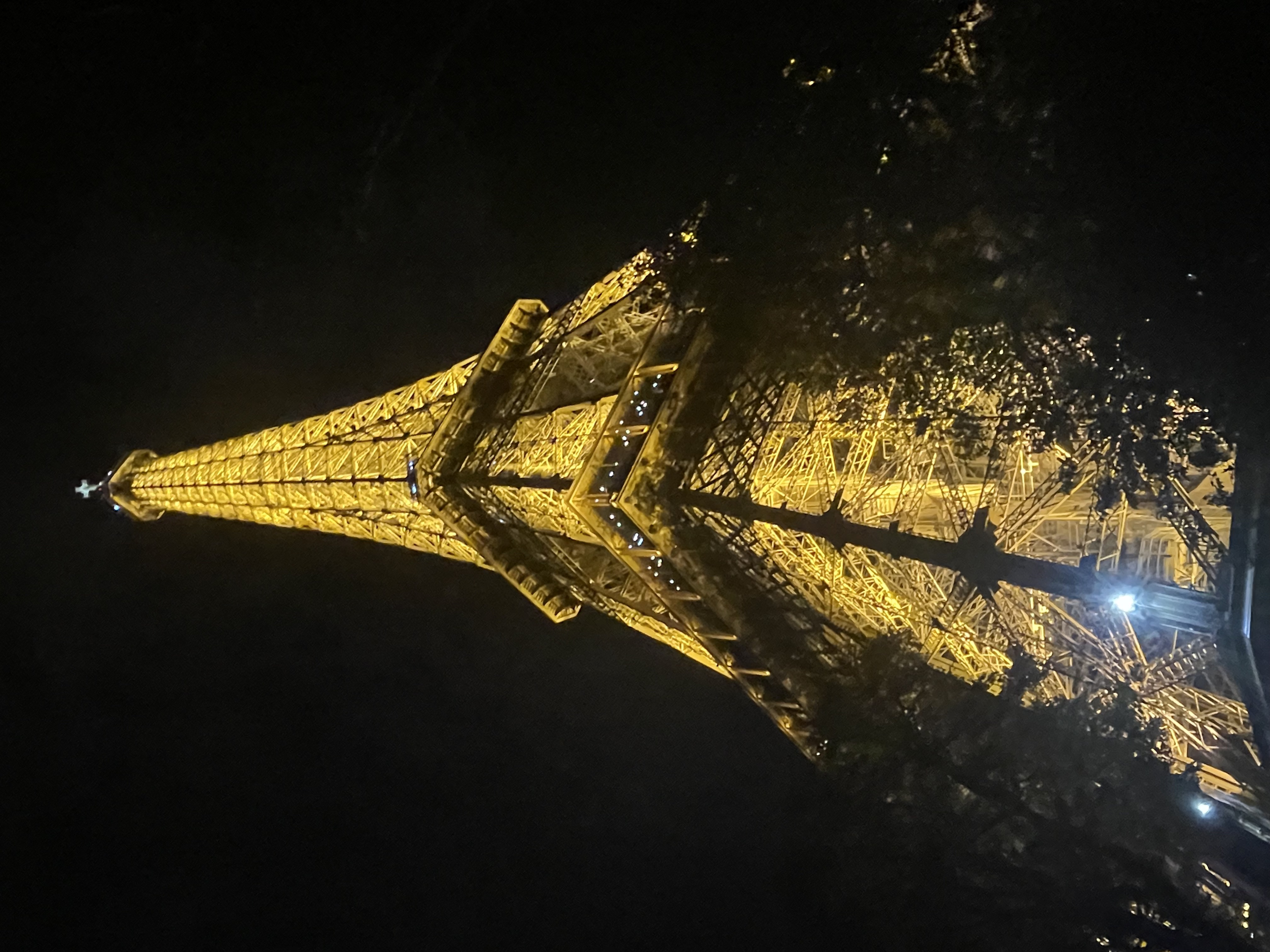
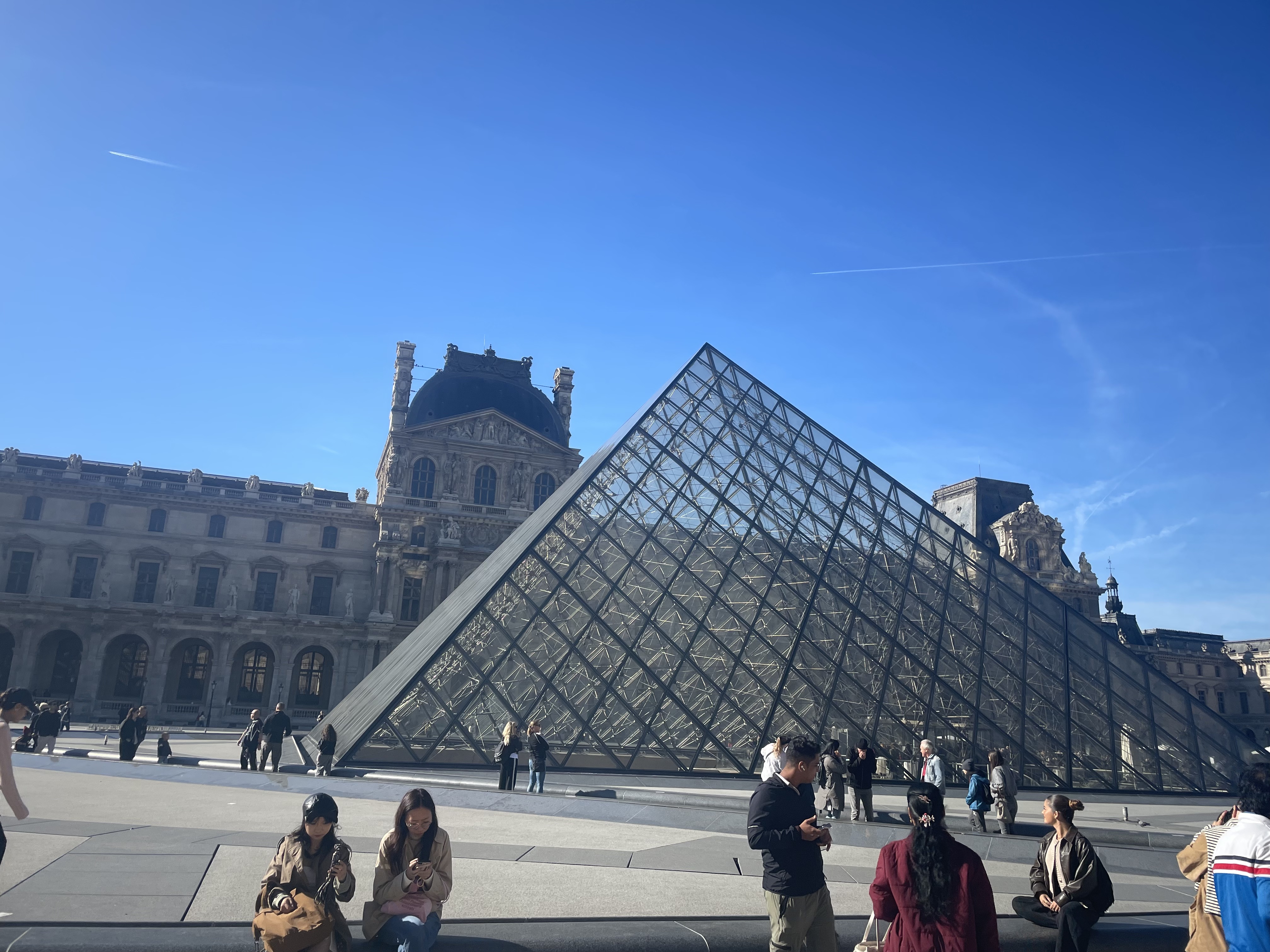
<p>For three days I wandered: to the <strong>Eiffel Tower</strong>, where tourists craned upward in a thousand languages, and later at night, when the lights glittered like tiny constellations, the tower became a pulse in the city, a heartbeat against the dark sky. To the <strong>Louvre</strong>, where time itself seemed curated; to <strong>Montmartre</strong>, where painters huddled against the chill; and to <strong>Notre Dame</strong>, its facade still marked by fire but resilient in stone.</p>

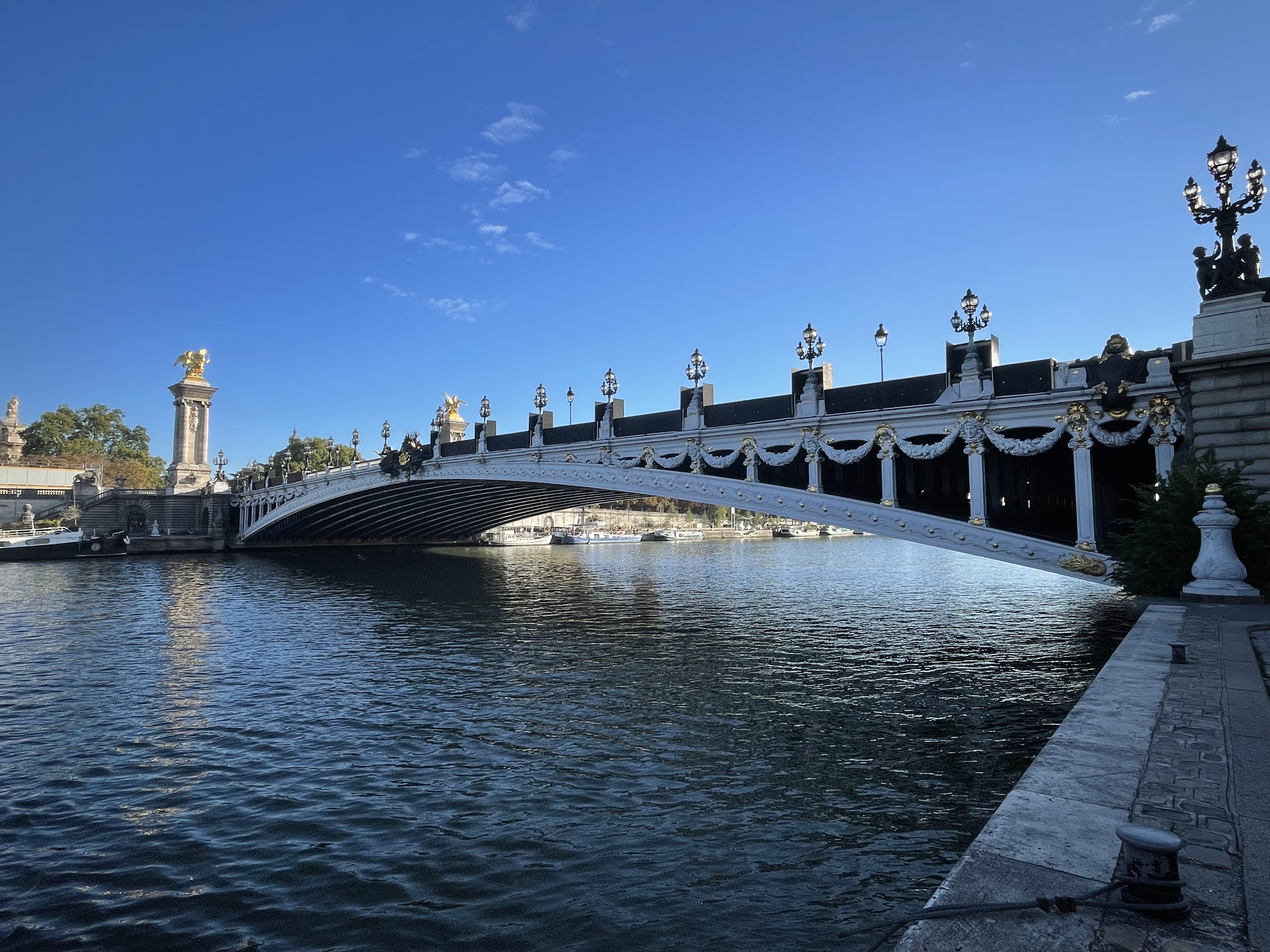
<p>I walked along the <strong>Seine at dusk</strong>, when the bridges glow and the world feels suspended between day and night. Street musicians played along the quays, accordions and violins weaving melodies into the autumn air, drifting across the water and mingling with the scent of roasting chestnuts. I sipped coffee that tasted of smoke and wrote in my notebook until the ink began to blur.</p>

<p>There was a loneliness to it, but a beautiful one, the kind that comes from being completely untethered. Without schedules or meetings, I noticed small things: a boy feeding pigeons by the river, the hum of a metro beneath my feet, the way Parisians say <em>bonjour</em> like an invitation.</p>

<div style="display: flex; justify-content: center; gap: 20px; margin: 20px 0; max-width: 600px;">
  <figure style="margin: 0; line-height: 1.2; width: 45%;">
    <img src="/assets/images/londonblog/IMG_1.jpeg" alt="IMG 1" style="width: 100%; margin-bottom: 2px;" />
  </figure>
  <figure style="margin: 0; line-height: 1.2; width: 45%;">
    <img src="/assets/images/londonblog/IMG_2.jpeg" alt="IMG 2" style="width: 100%; margin-bottom: 2px;" />
  </figure>
</div>

<div style="display: flex; justify-content: center; gap: 20px; margin: 20px 0; max-width: 600px;">
  <figure style="margin: 0; line-height: 1.2; width: 45%;">
    <img src="/assets/images/londonblog/IMG_3.jpeg" alt="IMG 3" style="width: 100%; margin-bottom: 2px;" />
  </figure>
  <figure style="margin: 0; line-height: 1.2; width: 45%;">
    <img src="/assets/images/londonblog/IMG_4.jpeg" alt="IMG 4" style="width: 100%; margin-bottom: 2px;" />
  </figure>
</div>

<div style="display: flex; justify-content: center; gap: 20px; margin: 20px 0; max-width: 600px;">
  <figure style="margin: 0; line-height: 1.2; width: 45%;">
    <img src="/assets/images/londonblog/IMG_5.jpeg" alt="IMG 5" style="width: 100%; margin-bottom: 2px;" />
  </figure>
  <figure style="margin: 0; line-height: 1.2; width: 45%;">
    <img src="/assets/images/londonblog/IMG_6.jpeg" alt="IMG 6" style="width: 100%; margin-bottom: 2px;" />
  </figure>
</div>

<div style="display: flex; justify-content: center; gap: 20px; margin: 20px 0; max-width: 600px;">
  <figure style="margin: 0; line-height: 1.2; width: 45%;">
    <img src="/assets/images/londonblog/IMG_7.jpeg" alt="IMG 7" style="width: 100%; margin-bottom: 2px;" />
  </figure>
  <figure style="margin: 0; line-height: 1.2; width: 45%;">
    <img src="/assets/images/londonblog/IMG_8.jpeg" alt="IMG 8" style="width: 100%; margin-bottom: 2px;" />
  </figure>
</div>

<div style="display: flex; justify-content: center; gap: 20px; margin: 20px 0; max-width: 600px;">
  <figure style="margin: 0; line-height: 1.2; width: 45%;">
    <img src="/assets/images/londonblog/IMG_9.jpeg" alt="IMG 9" style="width: 100%; margin-bottom: 2px;" />
  </figure>
  <figure style="margin: 0; line-height: 1.2; width: 45%;">
    <img src="/assets/images/londonblog/IMG_10.jpeg" alt="IMG 10" style="width: 100%; margin-bottom: 2px;" />
  </figure>
</div>

<p>Cities, I’ve learned, are networks too, not of wires but of moments. Energy hums here as surely as it does in power lines: a current of art, movement, and memory. Even as a mountain soul, Paris evoked a deep sense of wonder in me.</p>

<h3 id="geneva-sharing-research">Geneva: Sharing Research</h3>

<p>After Paris, I traveled to <strong>Geneva</strong>, a city of diplomacy and quiet lakes, to give a research talk. Standing before an audience, I felt a different kind of current, one of ideas moving between people, across languages, across disciplines.</p>

<p>The lake outside reflected pale autumn light, and the streets smelled faintly of early frost and coffee. Sharing my work here reminded me that motion isn’t only physical. Ideas move, ripple, and sometimes settle, like leaves on a lake, or energy through a grid.</p>

<div style="display: flex; justify-content: center; gap: 20px; margin: 20px 0; max-width: 600px;">
  <figure style="margin: 0; line-height: 1.2; width: 45%;">
    <img src="/assets/images/londonblog/IMG_g1.HEIC" alt="IMG g1" style="width: 100%; margin-bottom: 2px;" />
  </figure>
  <figure style="margin: 0; line-height: 1.2; width: 45%;">
    <img src="/assets/images/londonblog/IMG_g2.HEIC" alt="IMG g2" style="width: 100%; margin-bottom: 2px;" />
  </figure>
</div>

<div style="display: flex; justify-content: center; gap: 20px; margin: 20px 0; max-width: 600px;">
  <figure style="margin: 0; line-height: 1.2; width: 45%;">
    <img src="/assets/images/londonblog/IMG_g3.HEIC" alt="IMG g3" style="width: 100%; margin-bottom: 2px;" />
  </figure>
  <figure style="margin: 0; line-height: 1.2; width: 45%;">
    <img src="/assets/images/londonblog/IMG_g4.HEIC" alt="IMG g4" style="width: 100%; margin-bottom: 2px;" />
  </figure>
</div>

<div style="display: flex; justify-content: center; margin: 20px 0; max-width: 600px;">
  <figure style="margin: 0; line-height: 1.2; width: 100%;">
    <img src="/assets/images/londonblog/IMG_g5.HEIC" alt="IMG g5" style="width: 100%; margin-bottom: 2px;" />
  </figure>
</div>

<p>Even as I answered questions and traced diagrams on slides, I kept noticing the city: the calm rhythm of trams, the wind skimming the water, the way Geneva balances seriousness with grace. It was a small pause, but one that grounded the season, tying my academic path to the landscapes I had been tracing on foot and by train.</p>

<h3 id="engadin-the-season-turns">Engadin: The Season Turns</h3>

<p>By October, Switzerland was deep in its transformation. I returned to the mountains, to <strong>Engadin</strong>, where the air felt sharpened by altitude and autumn. I went there to run, but also to breathe, to find silence again after the cities.</p>

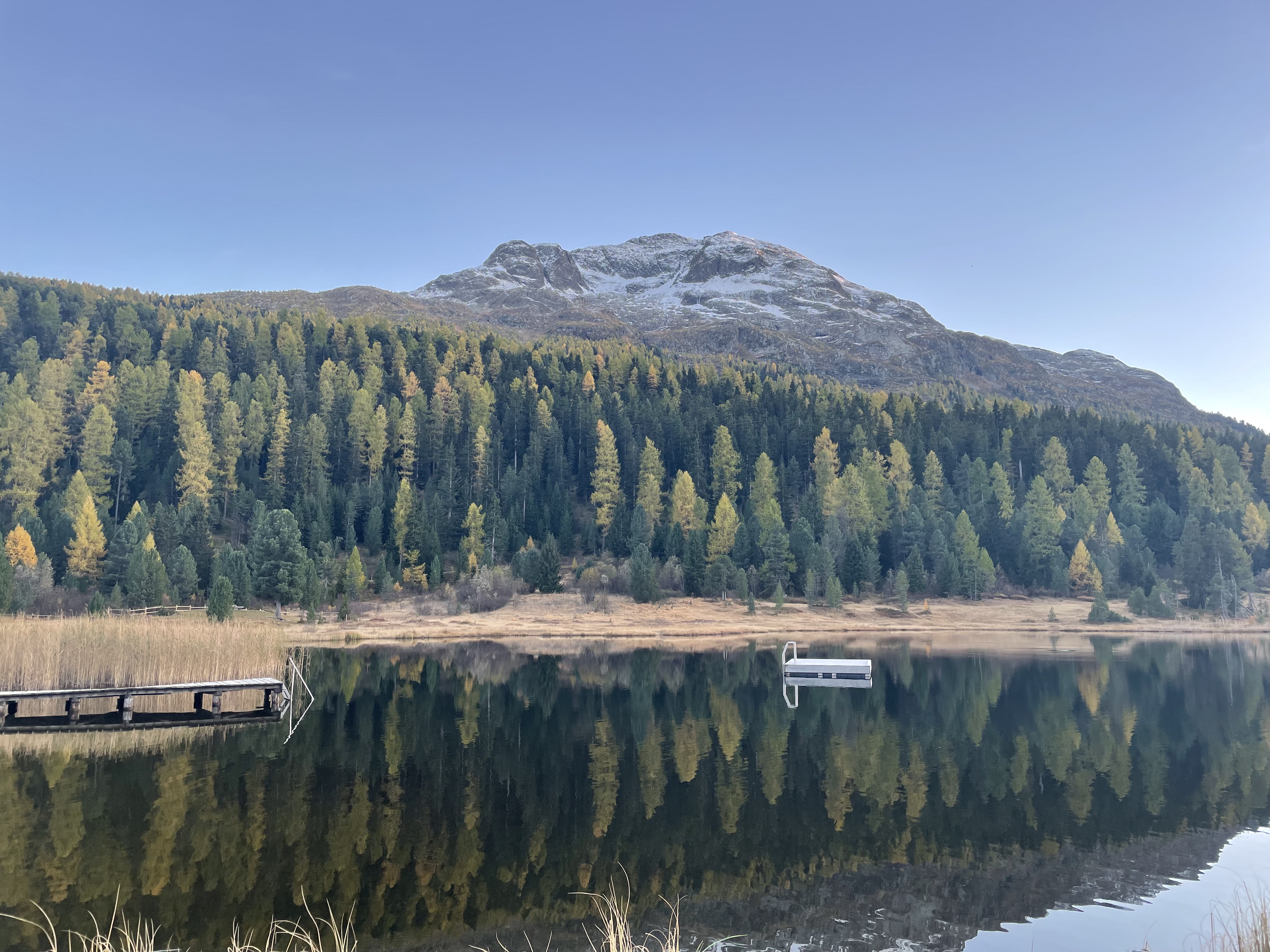
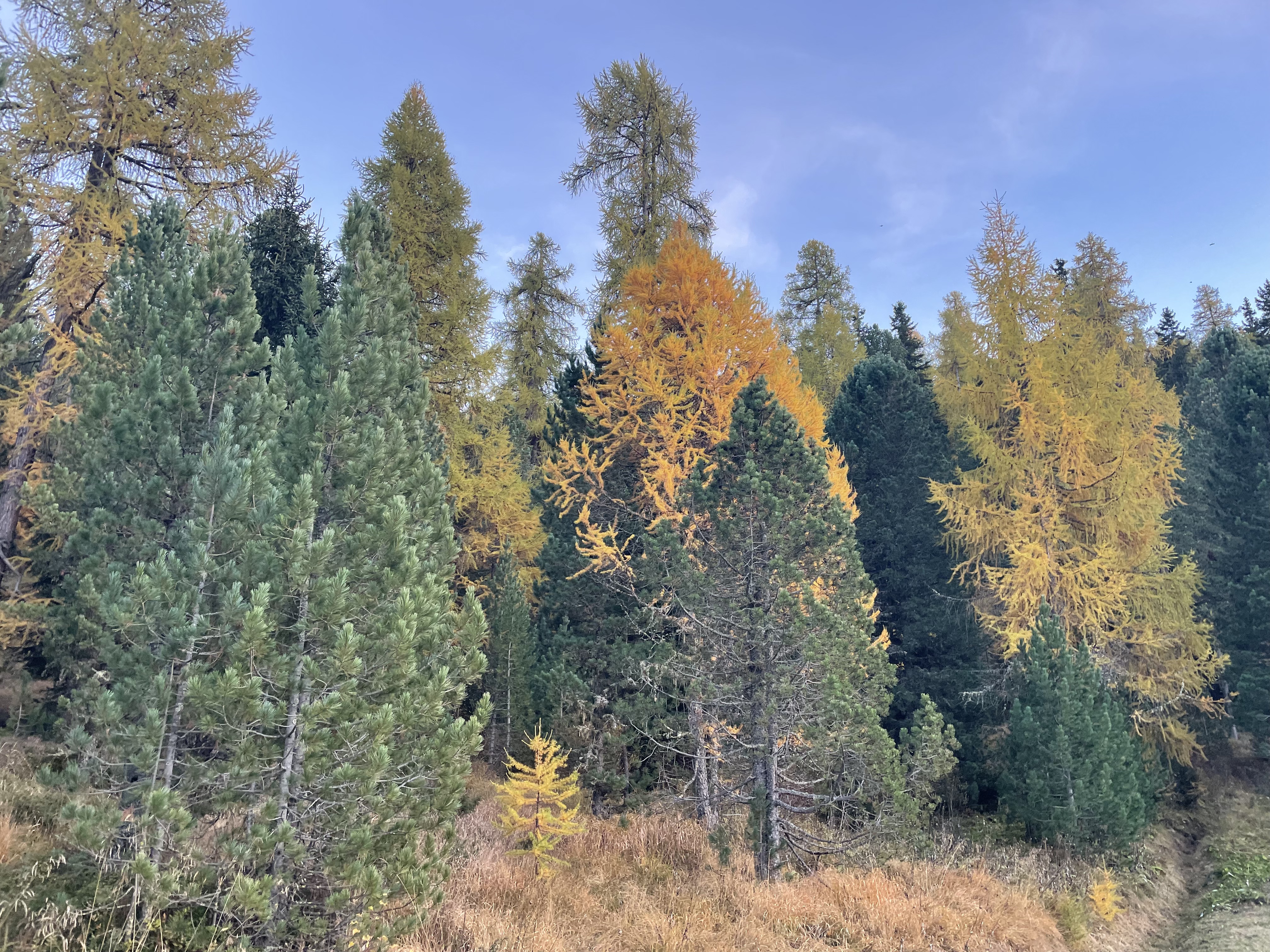
<p>The trail began in forest, damp and fragrant, then opened suddenly onto a ridge. Below, lakes shimmered in glacier light; above, the <strong>larches had turned gold</strong>, catching the last sunlight of the season. I ran through it all, breath turning visible, footsteps crunching on frost, the world dissolving into motion.</p>

<p>Running in the Alps has always been my way of listening, to my body, to the weather, to the quiet systems beneath the surface. The rhythm feels almost like the grid: dynamic, adaptive, fragile yet strong.</p>

<div style="display: flex; justify-content: center; gap: 20px; margin: 20px 0; max-width: 600px;">
  <figure style="margin: 0; line-height: 1.2; width: 45%;">
    <img src="/assets/images/londonblog/IMG_e1.jpeg" alt="IMG e1" style="width: 100%; margin-bottom: 2px;" />
  </figure>
  <figure style="margin: 0; line-height: 1.2; width: 45%;">
    <img src="/assets/images/londonblog/IMG_e2.jpeg" alt="IMG e2" style="width: 100%; margin-bottom: 2px;" />
  </figure>
</div>

<div style="display: flex; justify-content: center; gap: 20px; margin: 20px 0; max-width: 600px;">
  <figure style="margin: 0; line-height: 1.2; width: 45%;">
    <img src="/assets/images/londonblog/IMG_e3.jpeg" alt="IMG e3" style="width: 100%; margin-bottom: 2px;" />
  </figure>
  <figure style="margin: 0; line-height: 1.2; width: 45%;">
    <img src="/assets/images/londonblog/IMG_e4.jpeg" alt="IMG e4" style="width: 100%; margin-bottom: 2px;" />
  </figure>
</div>

<div style="display: flex; justify-content: center; gap: 20px; margin: 20px 0; max-width: 600px;">
  <figure style="margin: 0; line-height: 1.2; width: 45%;">
    <img src="/assets/images/londonblog/IMG_e5.jpeg" alt="IMG e5" style="width: 100%; margin-bottom: 2px;" />
  </figure>
  <figure style="margin: 0; line-height: 1.2; width: 45%;">
    <img src="/assets/images/londonblog/IMG_e6.jpeg" alt="IMG e6" style="width: 100%; margin-bottom: 2px;" />
  </figure>
</div>

<div style="display: flex; justify-content: center; margin: 20px 0; max-width: 600px;">
  <figure style="margin: 0; line-height: 1.2; width: 100%;">
    <img src="/assets/images/londonblog/IMG_e7.jpeg" alt="IMG e7" style="width: 100%; margin-bottom: 2px;" />
  </figure>
</div>

<p>Somewhere on that ridge, I thought of the turbines again, their blades still spinning over the Channel. The same wind that turned them once must have crossed these peaks eventually, reshaping snow and cloud. Everything connected, energy, geography, the small pulse of being alive.</p>

<h3 id="reflections-motion-and-meaning">Reflections: Motion and Meaning</h3>

<p>This season has carried me through so many kinds of movement, trains, boats, cities, summits, and yet the thread through all of it is stillness. The stillness that lives inside motion, when you stop long enough to notice what’s changing.</p>

<p>In <strong>London</strong>, I saw the future turning on its axis. In <strong>Paris</strong>, I remembered what it means to wander. In <strong>Geneva</strong>, I felt ideas flowing between people. In <strong>Engadin</strong>, I learned again that stillness is not the absence of motion, but its balance.</p>

<p>As autumn deepens, I carry these places with me, their light, their sound, their quiet lessons about renewal. And somewhere between the hum of turbines, the cobblestones of Paris, and the whisper of wind in alpine trees, I’m reminded why I began this work in the first place, to understand how we keep the world alive.</p>

<p>With all of the magic and newness I’ve experienced, I have also been feeling a longing for <strong>Colorado fall</strong>—my favorite time of the year in my favorite state. The familiarity of the landscape, the crisp mountain air, the scent of pine and woodsmoke drifting across valleys, and the golden aspens shimmering against the deep green of evergreens call to me even from across the continent. There is a quiet rhythm there, a slow unfolding of color and light, where each day feels both constant and fleeting. Running along trails that I know by heart, seeing the sunlight filter through branches, hearing the faint rustle of leaves and distant bird calls, reminds me of home in a way that is grounding and invigorating at the same time. Even amid all the excitement of my travels, I feel a gentle tug back to those familiar mountains, to the patterns of Colorado’s fall, and the small, vivid moments that make the season feel almost sacred.<br />
<br />
Signing off from an airport headed to the Mediterranean  - for conference talks and cliff escapes. 
Until next time,
<br />
Jasmine</p>]]></content><author><name>Jasmine</name></author><summary type="html"><![CDATA[Cheers from London. Or perhaps from the space between places, that liminal rhythm of trains and tunnels and changing light. I began the journey in Zurich, where the morning felt like metal and mist. At 7:34 sharp, our train slipped from the platform and set off across the continent, a quiet hum beneath our seats. Fields blurred into forests, languages shifted, and the day stretched out like a single line drawn westward.]]></summary></entry><entry><title type="html">Fountains and Folklore: Tales, Temples, and Timeless Streets of the Mediterranean</title><link href="https://jasminegarland.github.io/malta" rel="alternate" type="text/html" title="Fountains and Folklore: Tales, Temples, and Timeless Streets of the Mediterranean" /><published>2025-10-20T07:30:00+00:00</published><updated>2025-10-20T07:30:00+00:00</updated><id>https://jasminegarland.github.io/malta</id><content type="html" xml:base="https://jasminegarland.github.io/malta"><![CDATA[<p><strong>Bongu from Valletta!</strong></p>

<p>Autumn had begun to color Europe in golds and amber when I arrived in Malta, a jewel of the Mediterranean whose history is as layered as the limestone streets that wind through its cities. My first stop was Valletta, where I attended the IEEE ISGT Europe Conference, presenting my research on power systems resilience. Yet between panels, workshops, and networking, I wandered, absorbing centuries of history, culture, and superstition, feeling the rhythm of the island in every stone, every alleyway, and every whisper of the sea breeze.</p>

<hr />

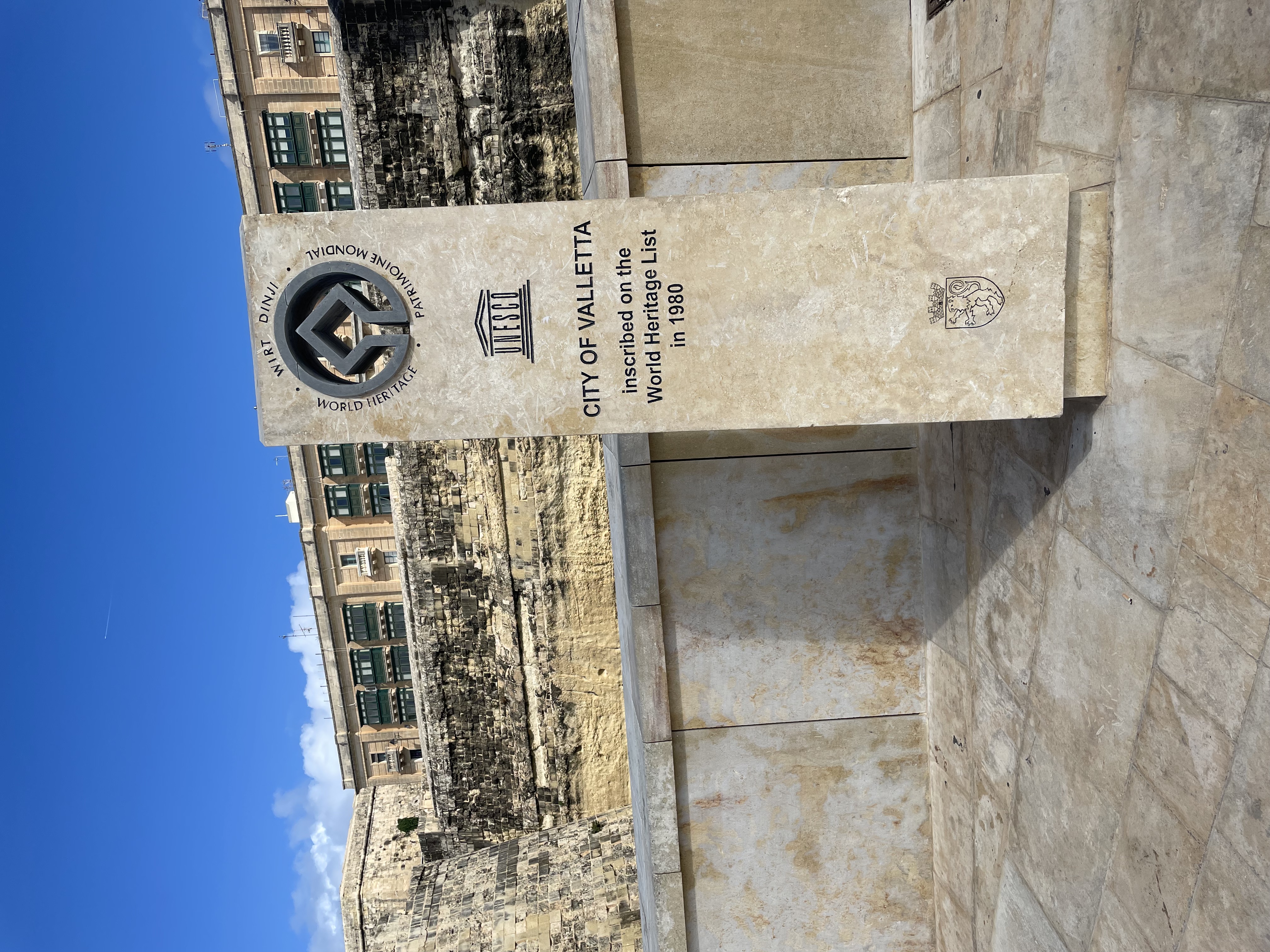
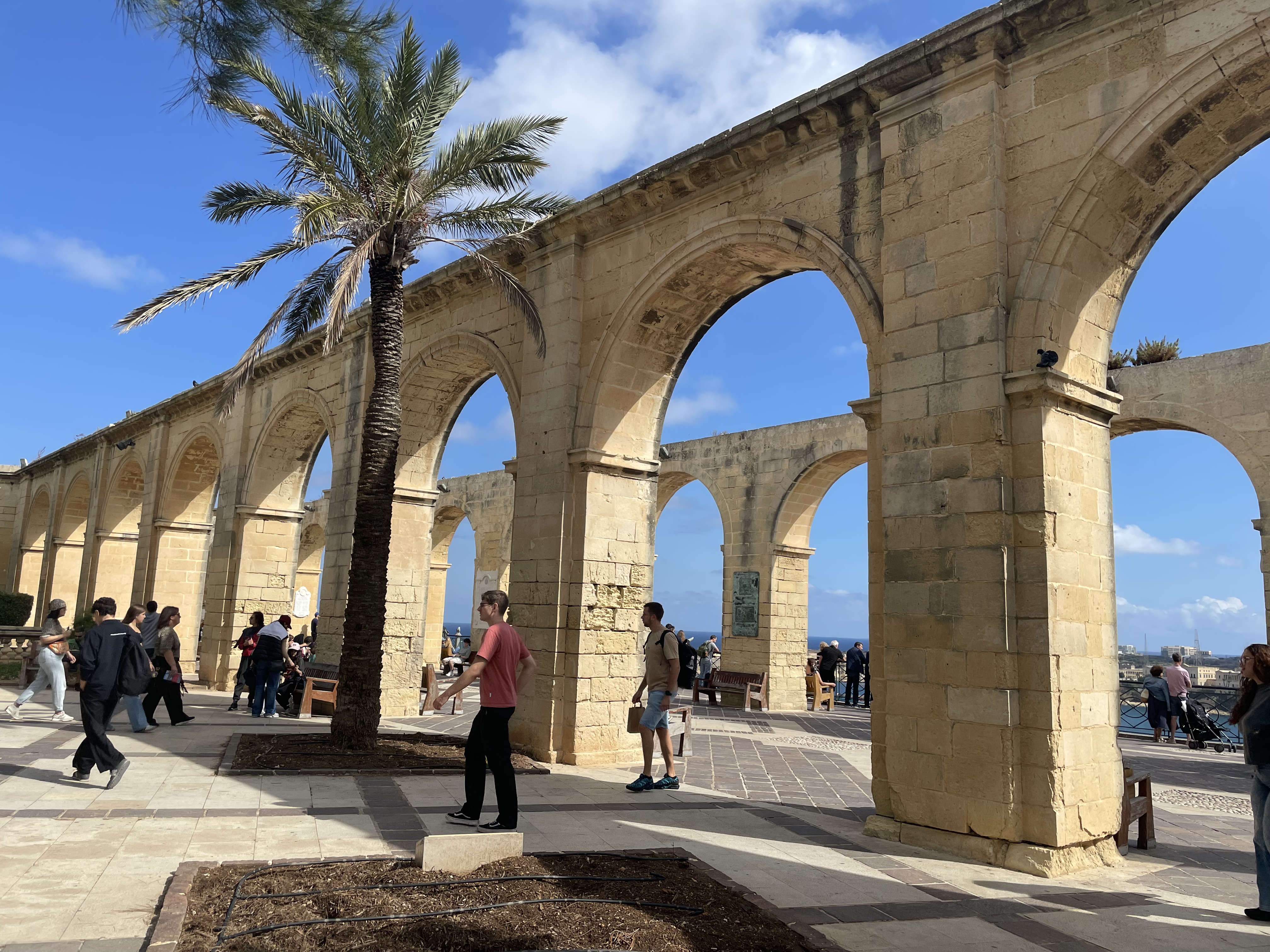
<h2 id="valletta-fortresses-palaces-and-unesco-heritage">Valletta: Fortresses, Palaces, and UNESCO Heritage</h2>

<p>Founded after the Great Siege of 1565, when the Knights Hospitaller defended Malta against the Ottomans, Valletta is a city born of necessity and ambition. Its strategic Mediterranean location has made it a prize for conquerors for millennia: Phoenicians, Romans, Arabs, Normans, the Knights of St. John, French, and British have all left their mark. Walking the streets, one reads history in limestone: towering bastions, Baroque palaces, and ornate churches echo centuries of devotion, defense, and diplomacy.</p>

<p>Valletta’s streets, while narrow, pulse with life. Cafés spill onto sidewalks, the smell of qagħaq tal-għasel (Maltese honey rings) mixes with salty harbor air, and church bells mark the passage of time, a cadence felt deep in the chest. The city is a UNESCO World Heritage Site, and every corner feels deliberate — the placement of fountains, the arc of an arch, the careful symmetry of a palace façade all telling of a city planned for both beauty and fortitude.</p>

<p>Even as I navigated conference sessions, presenting my work alongside researchers from across Europe, I felt the metaphorical resonance: Malta itself embodies resilience, maintaining balance amid centuries of external pressures and internal adaptation.</p>

<div style="display: flex; justify-content: center; gap: 20px; margin: 20px 0; max-width: 600px;">
  <!-- First image with caption -->
  <figure style="margin: 0; line-height: 1.2; width: 100%;">
    <img src="/assets/images/malta/IMG_3880.jpeg" alt="running" style="width: 100%; margin-bottom: 2px;" />
    <figcaption style="font-size: 0.55em; text-align: center; color: #666; margin-top: 2px;">
    </figcaption>
  </figure>

  <!-- Second image with caption -->
  <figure style="margin: 0; line-height: 1.2; width: 100%;">
    <img src="/assets/images/malta/IMG_3907.jpeg" alt="Galway" style="width: 100%; margin-bottom: 2px;" />
    <figcaption style="font-size: 0.55em; text-align: center; color: #666; margin-top: 2px;">
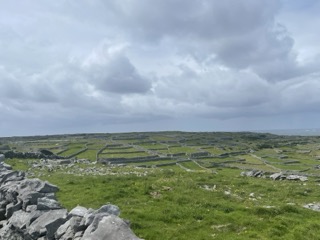
    Stone walls in Aran
    </figcaption>
  </figure>
</div>

<div style="display: flex; justify-content: center; gap: 20px; margin: 20px 0; max-width: 600px;">
  <!-- Single image with caption -->
  <figure style="margin: 0; line-height: 1.2; width: 100%;">
    <img src="/assets/images/malta/IMG_3970.jpeg" alt="Mountains meet sea" style="width: 100%; margin-bottom: 2px;" />
    <figcaption style="font-size: 0.55em; text-align: center; color: #666; margin-top: 2px;">
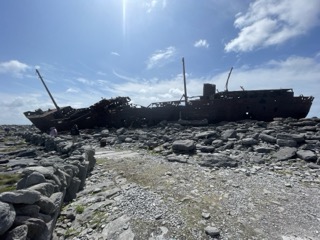
      Shipwreck on the Islands
    </figcaption>
  </figure>
</div>

<div style="display: flex; justify-content: center; gap: 20px; margin: 20px 0; max-width: 600px;">
  <!-- Single image with caption -->
  <figure style="margin: 0; line-height: 1.2; width: 100%;">
    <img src="/assets/images/malta/IMG_3856.jpeg" alt="Mountains meet sea" style="width: 100%; margin-bottom: 2px;" />
    <figcaption style="font-size: 0.55em; text-align: center; color: #666; margin-top: 2px;">
    </figcaption>
  </figure>
</div>
<hr />

<h2 id="the-three-cities-a-living-history-across-the-harbor">The Three Cities: A Living History Across the Harbor</h2>

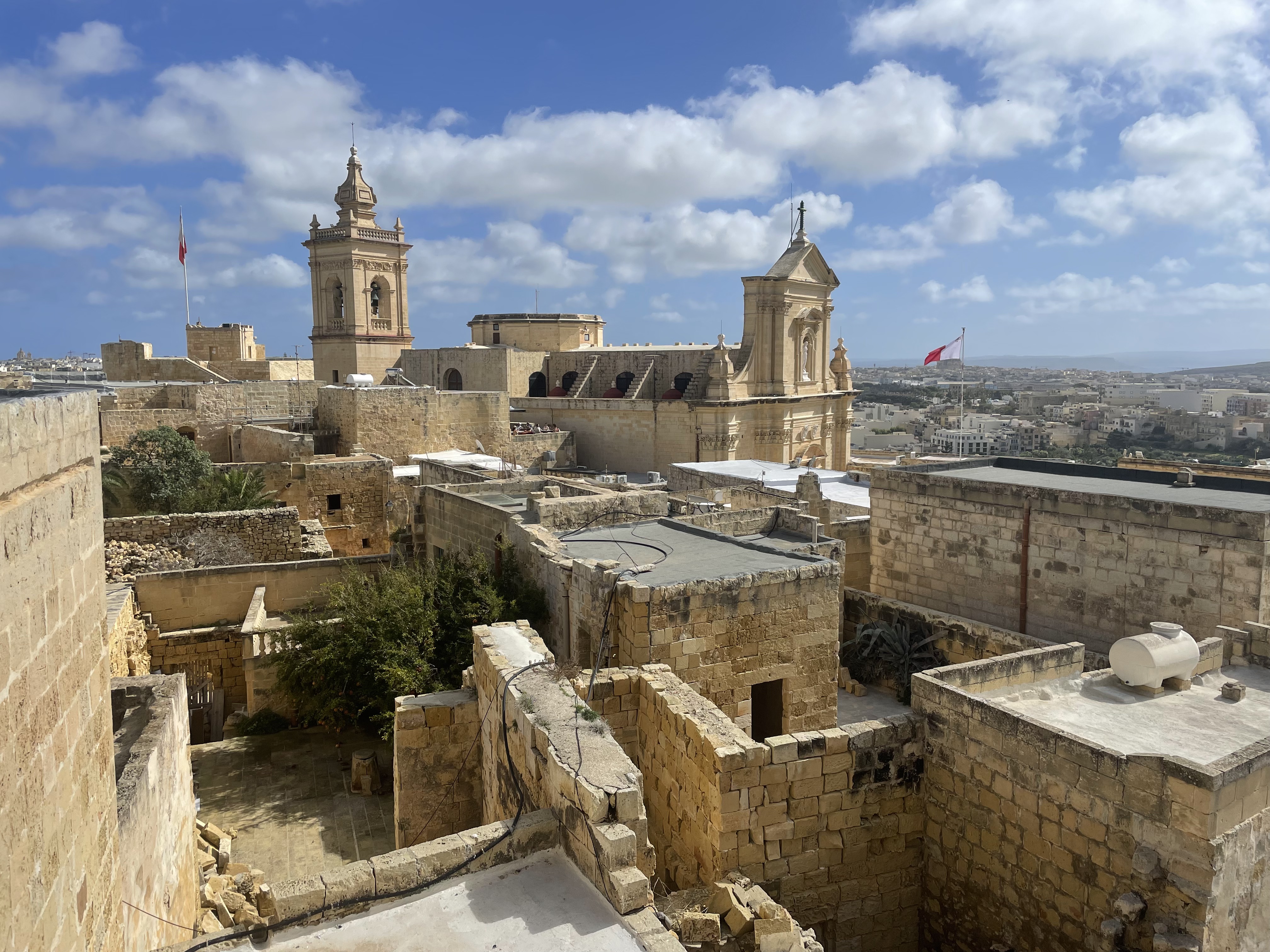
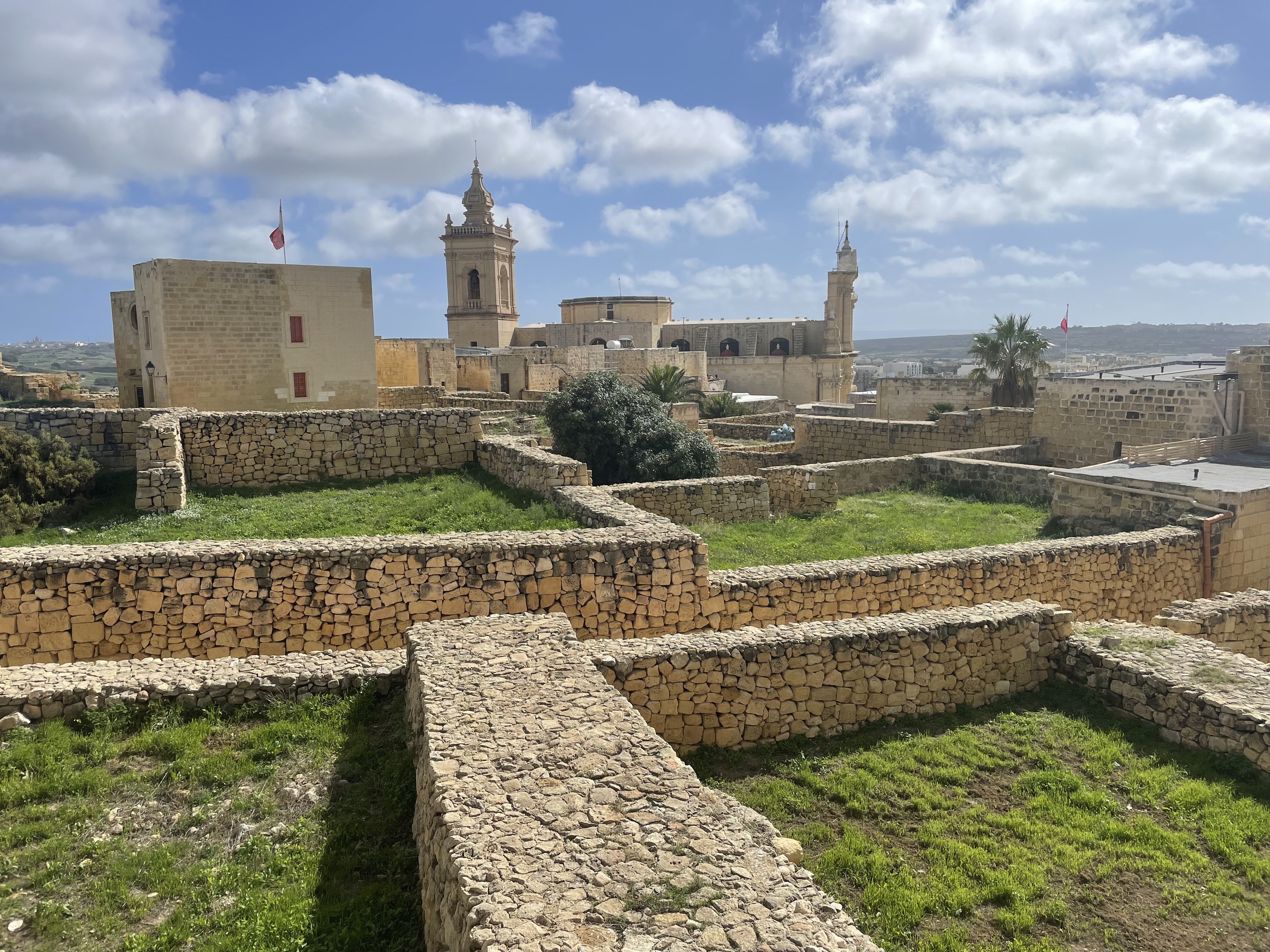
<p>A short ferry ride brought me to the Three Cities — Birgu, Bormla, and Senglea — smaller, quieter counterparts to bustling Valletta. These towns were central during the Great Siege and have been continuously inhabited for centuries, with streets winding in defense of history and memory. Walking their alleys is like moving through time itself. Limestone walls absorb the sun by day and hold shadows by night; old chapels quietly witness the rhythm of local life.</p>

<p>Superstition still lingers in everyday gestures. Small charms hang in doorways to ward off l-ispirtu ħażin (evil spirits), and villagers cross thresholds with ritual words or a sprinkle of salt. I watched fishermen and farmers whisper prayers while passing certain cliffs, and locals insist clocks are sometimes set a “false” time to confuse the devil, a charming and persistent practice that seems to link the past to present life.</p>

<hr />

<h2 id="gozo-temples-cliffs-and-sacred-folklore">Gozo: Temples, Cliffs, and Sacred Folklore</h2>

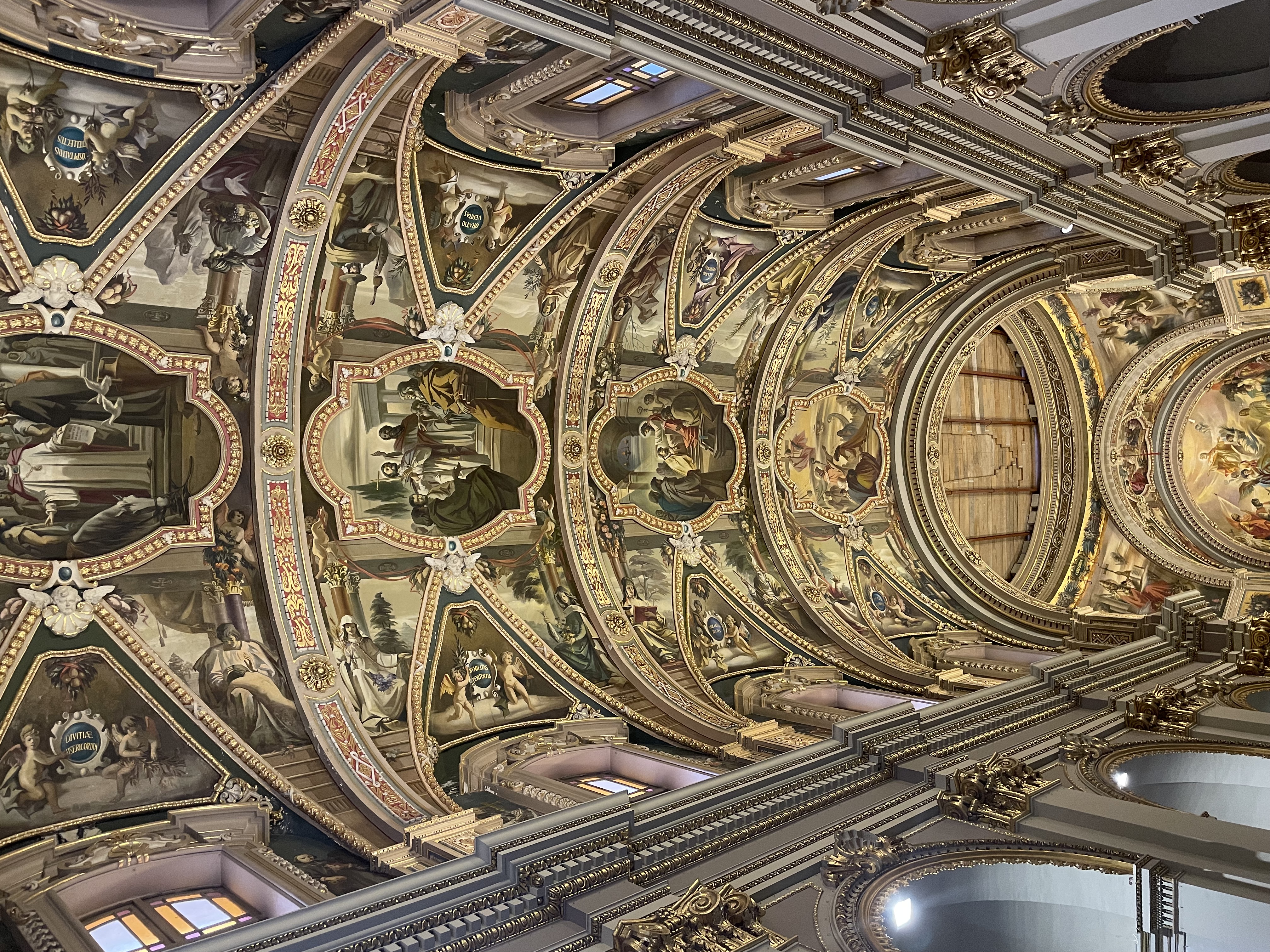
<p>From Malta, a ferry carried me to Gozo, smaller, greener, and steeped in sacred history. Here, the Ġgantija Temples, some of the oldest free-standing structures in the world, rise from the earth in silent majesty. Over 5,000 years old, these UNESCO World Heritage Sites speak of prehistoric ingenuity, collective effort, and spiritual devotion. Walking among the massive stones, I could almost hear the hands of ancient builders shaping their world, creating structures whose weight and purpose outlast millennia.</p>

<p>Gozo’s folklore is as vivid as its landscape. The island is dotted with tales of protective spirits, mischievous fairies, and warnings to keep the ħażin (evil) at bay. Villagers still set clocks to a different hour to confuse the devil and keep misfortune away, a tradition that turns time itself into a form of magic. Walking along cliff edges, past vineyards and golden fields, I saw women leaving small offerings of bread and herbs on thresholds, whispered prayers mingling with the wind. The air felt thick with stories, superstition, and history, all rooted in the rhythms of the land and sea.</p>

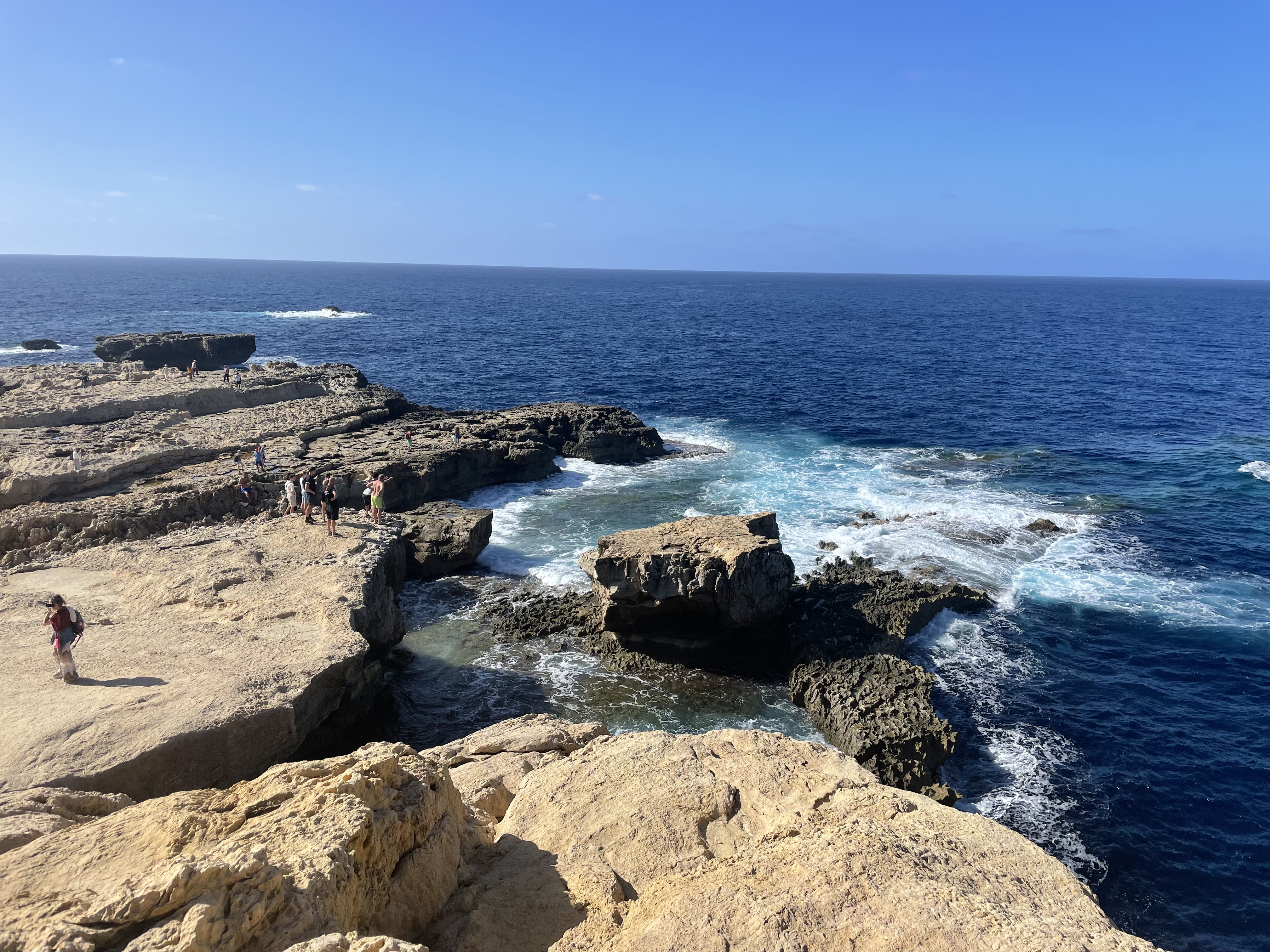
<p>Cliffs overlook sapphire waters, waves crashing below, and the light glances off the limestone in a way that almost seems deliberate, as if Gozo itself were aware of its own beauty. I ran along trails here, inhaling the crisp autumn air, the scent of wild rosemary, and the faint tang of the sea. Every step felt like a connection to the thousands of generations who had moved through this same space, leaving footprints, stories, and superstition in their wake.</p>

<div style="display: flex; justify-content: center; gap: 20px; margin: 20px 0; max-width: 600px;">
  <!-- First image with caption -->
  <figure style="margin: 0; line-height: 1.2; width: 100%;">
    <img src="/assets/images/malta/IMG_4002.jpeg" alt="running" style="width: 100%; margin-bottom: 2px;" />
    <figcaption style="font-size: 0.55em; text-align: center; color: #666; margin-top: 2px;">
    </figcaption>
  </figure>

  <!-- Second image with caption -->
  <figure style="margin: 0; line-height: 1.2; width: 100%;">
    <img src="/assets/images/malta/IMG_4042.jpeg" alt="Galway" style="width: 100%; margin-bottom: 2px;" />
    <figcaption style="font-size: 0.55em; text-align: center; color: #666; margin-top: 2px;">
    </figcaption>
  </figure>
</div>

<div style="display: flex; justify-content: center; gap: 20px; margin: 20px 0; max-width: 600px;">
  <!-- Single image with caption -->
  <figure style="margin: 0; line-height: 1.2; width: 100%;">
    <img src="/assets/images/malta/IMG_4038.jpeg" alt="Mountains meet sea" style="width: 100%; margin-bottom: 2px;" />
    <figcaption style="font-size: 0.55em; text-align: center; color: #666; margin-top: 2px;">
    </figcaption>
  </figure>
</div>

<hr />

<h2 id="rome-eternal-history-piazza-life-and-gelato-joy">Rome: Eternal History, Piazza Life, and Gelato Joy</h2>

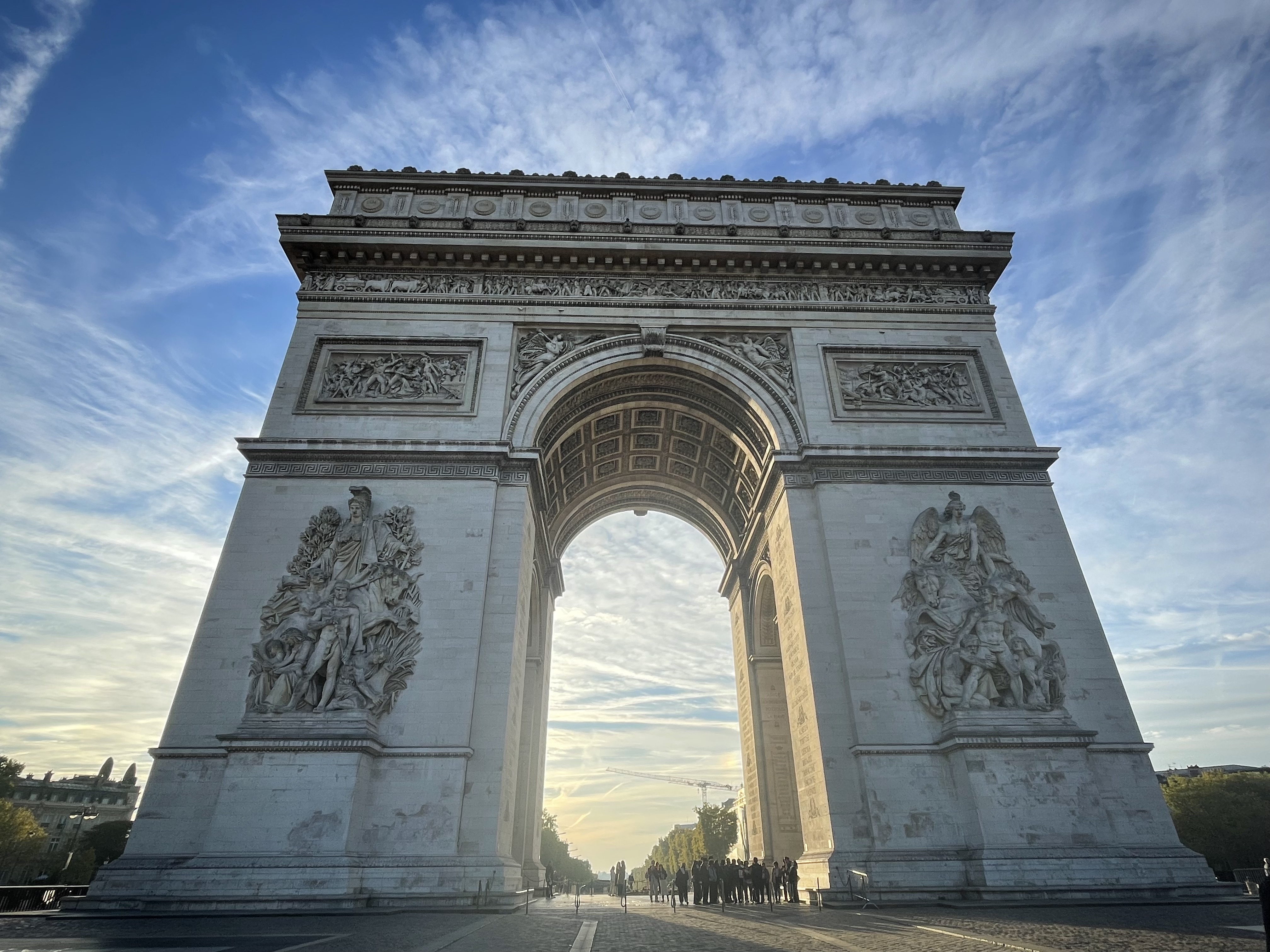
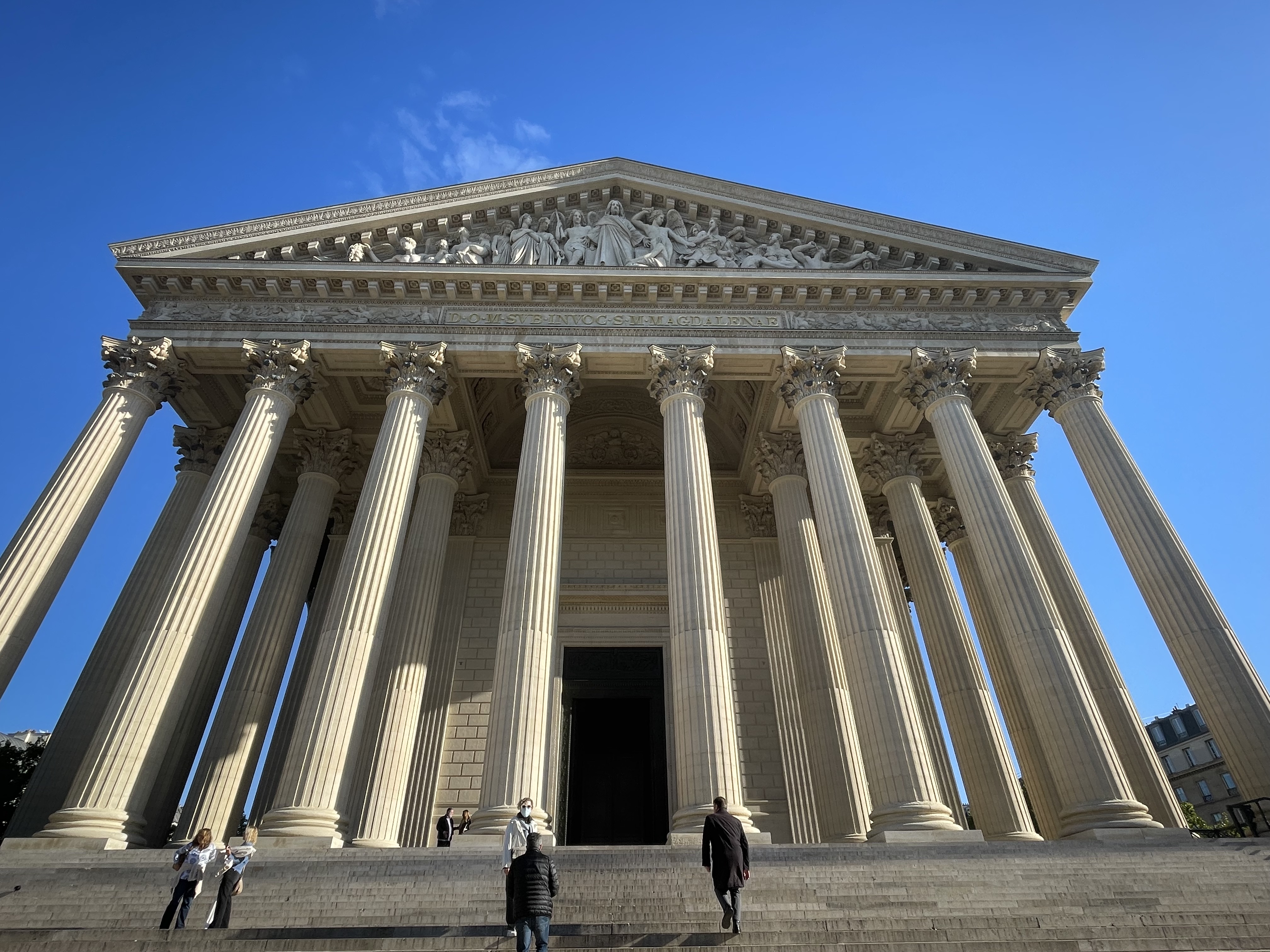
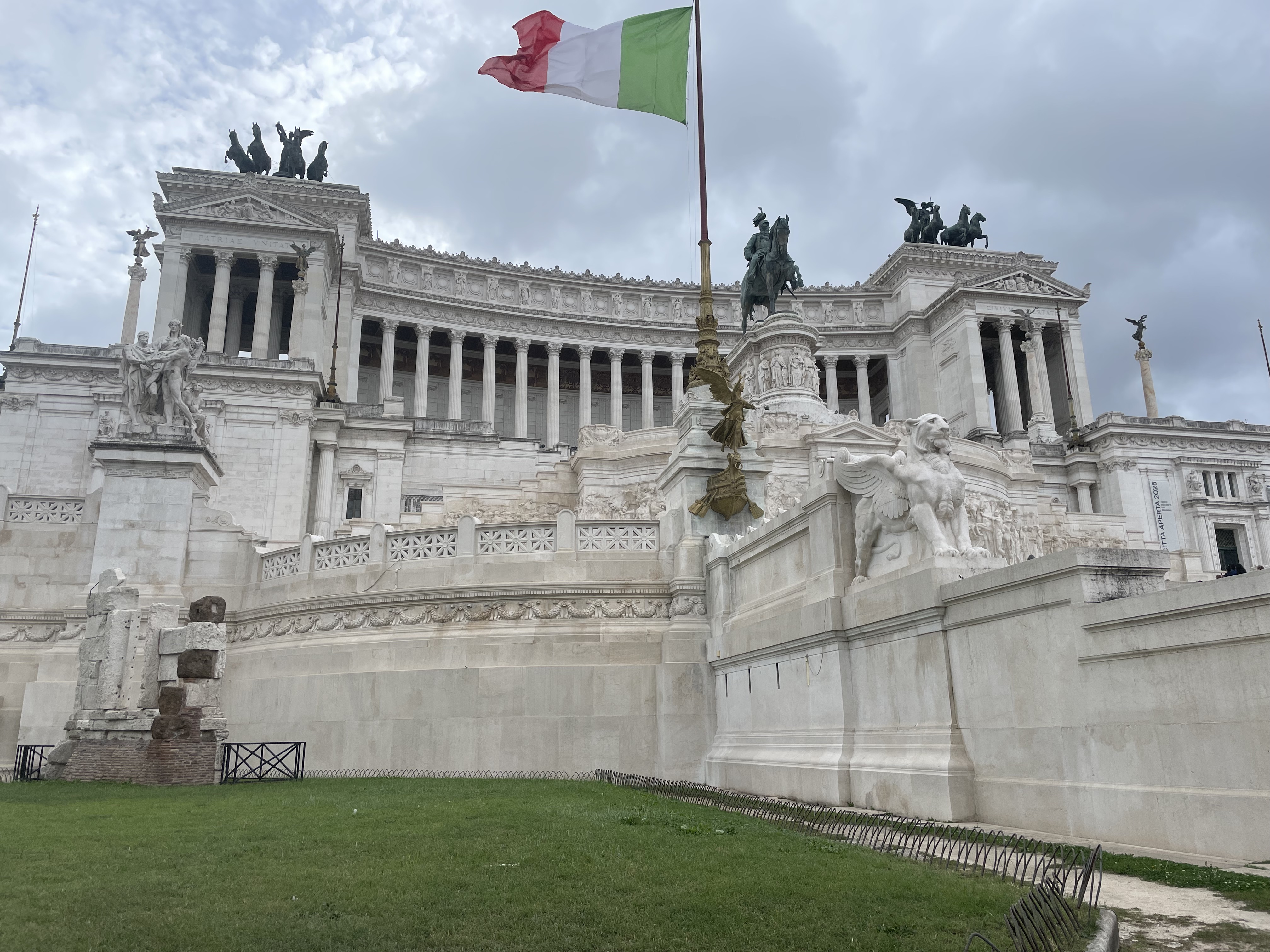
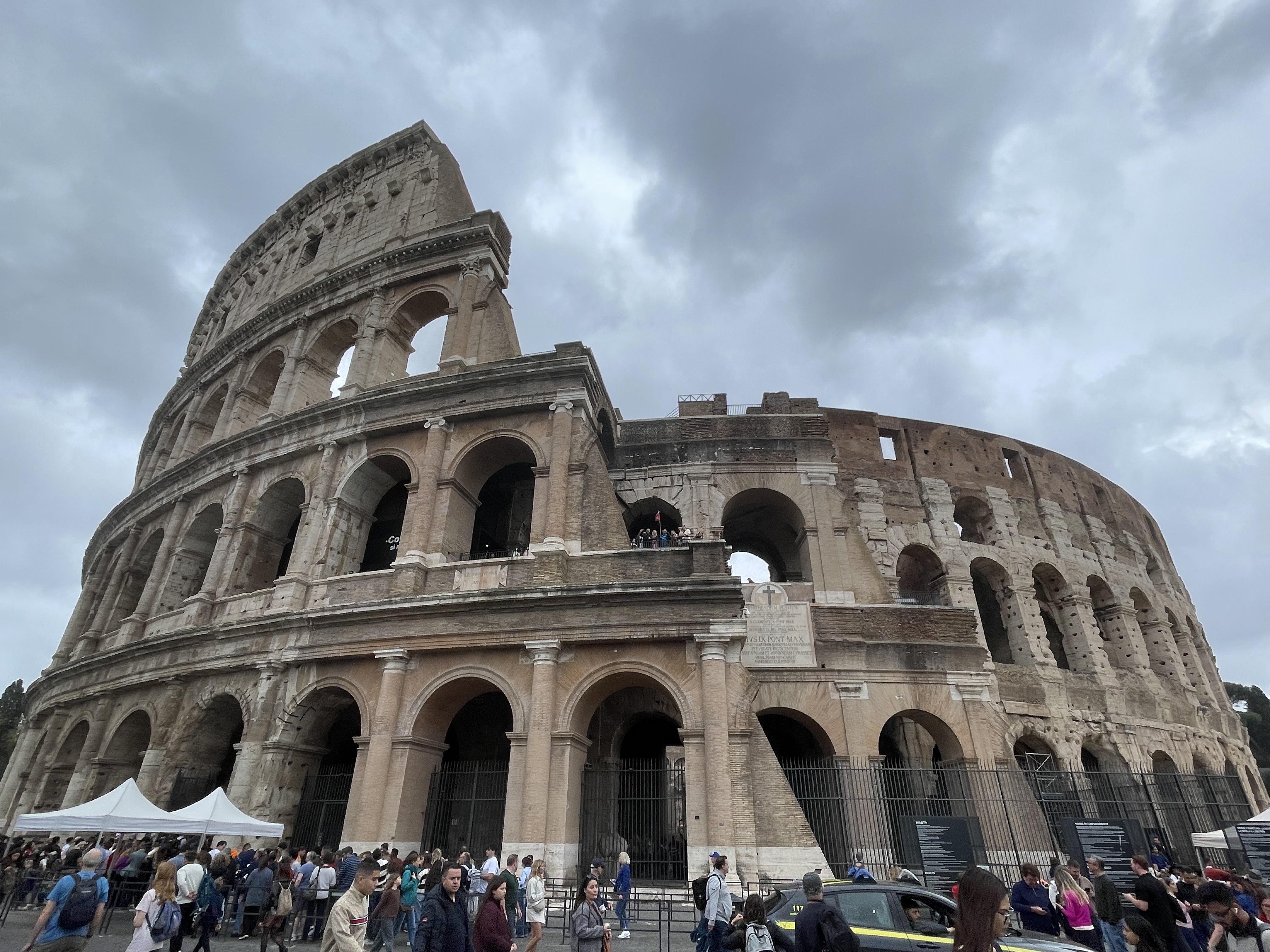
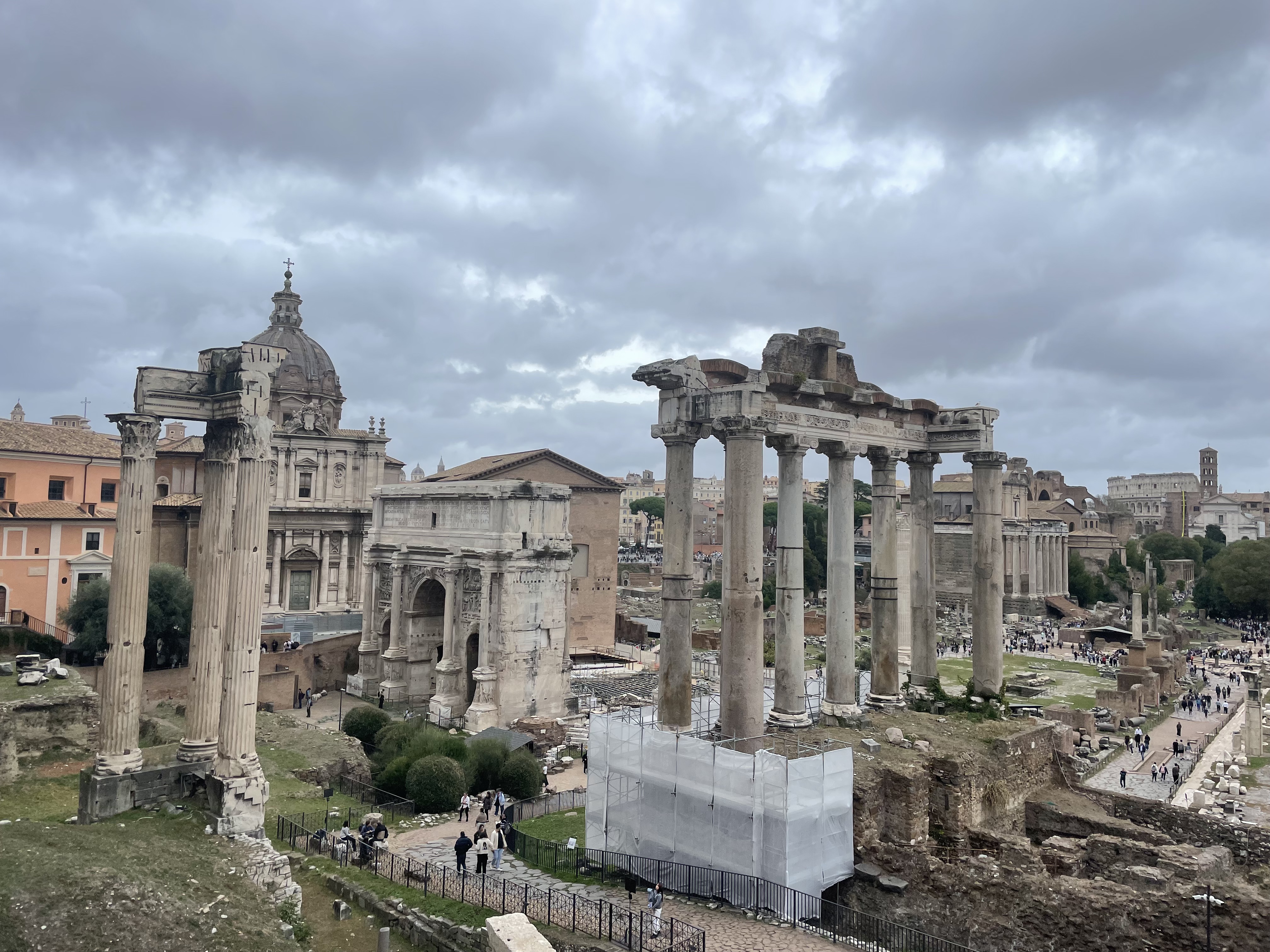
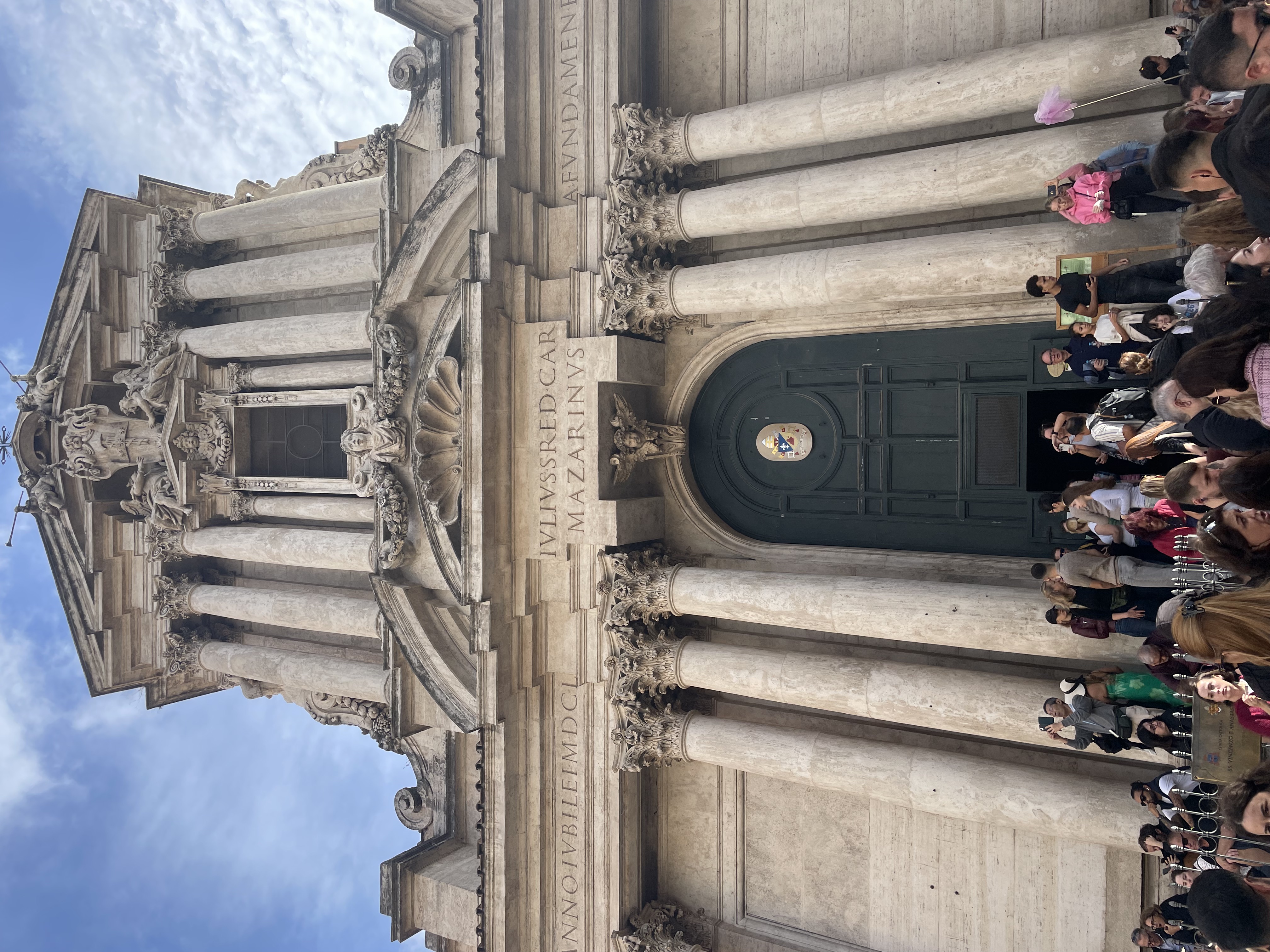
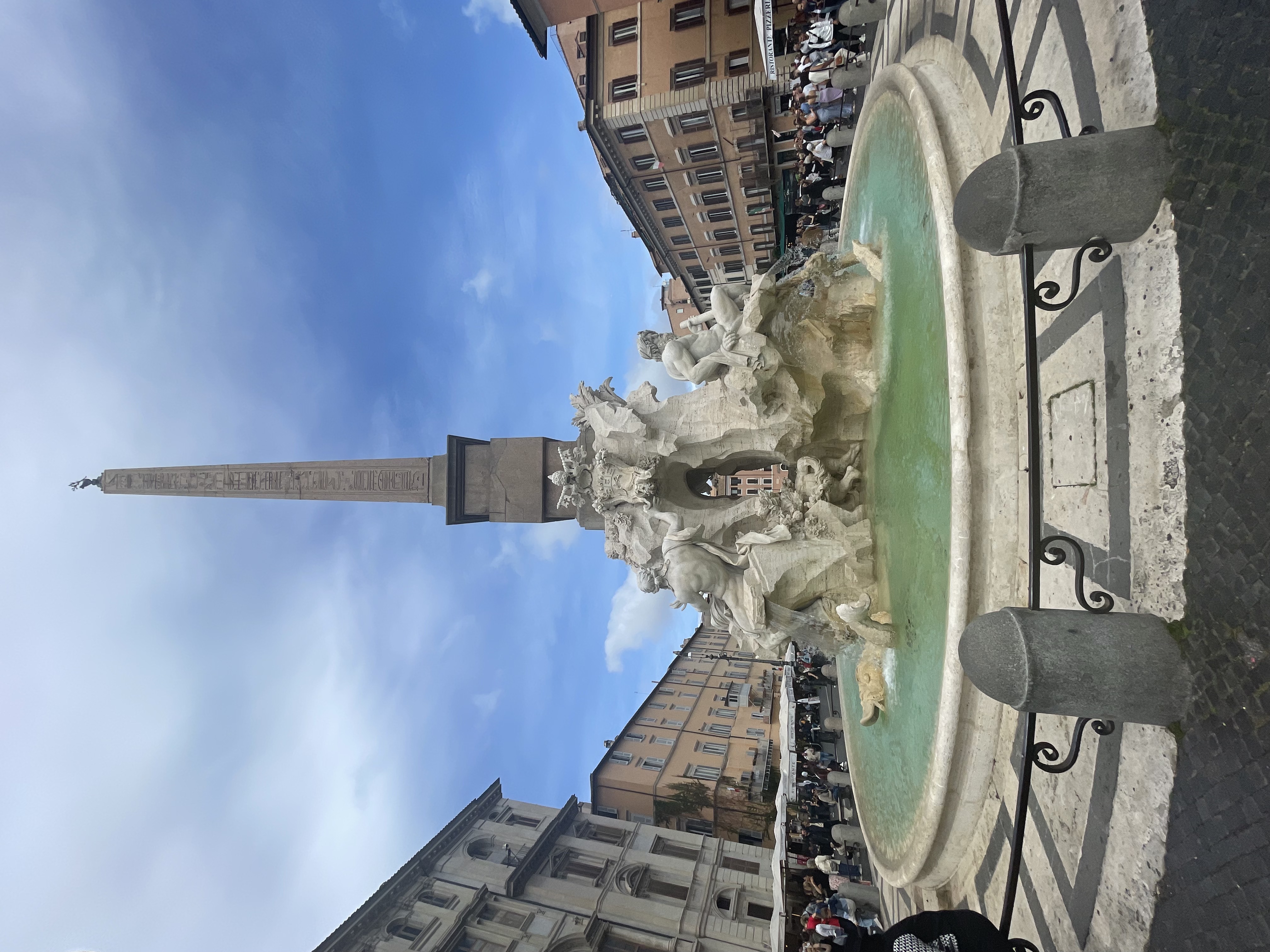
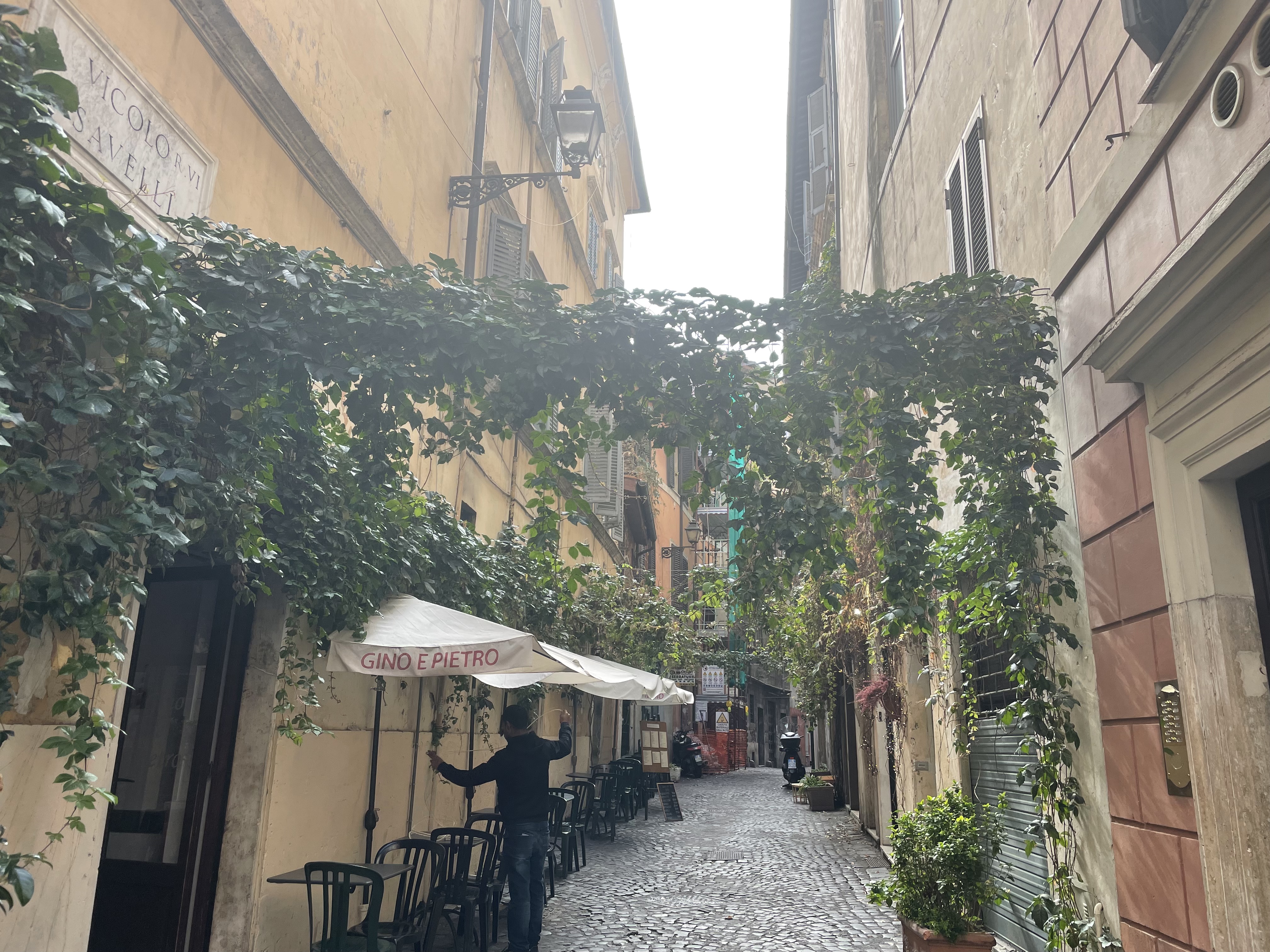
<p>After days immersed in Maltese culture, I traveled to Roma, a city where every corner feels monumental and every street hums with centuries of history. From the Colosseo to the Pantheon, the Roman Forum to the Vatican, Rome is itself a UNESCO World Heritage Site, a living archive of art, power, and devotion. I wandered through Trastevere, Piazza Navona, and Campo de’ Fiori, drinking in mosaics, frescoes, fountains, and facades that have witnessed the march of centuries.</p>

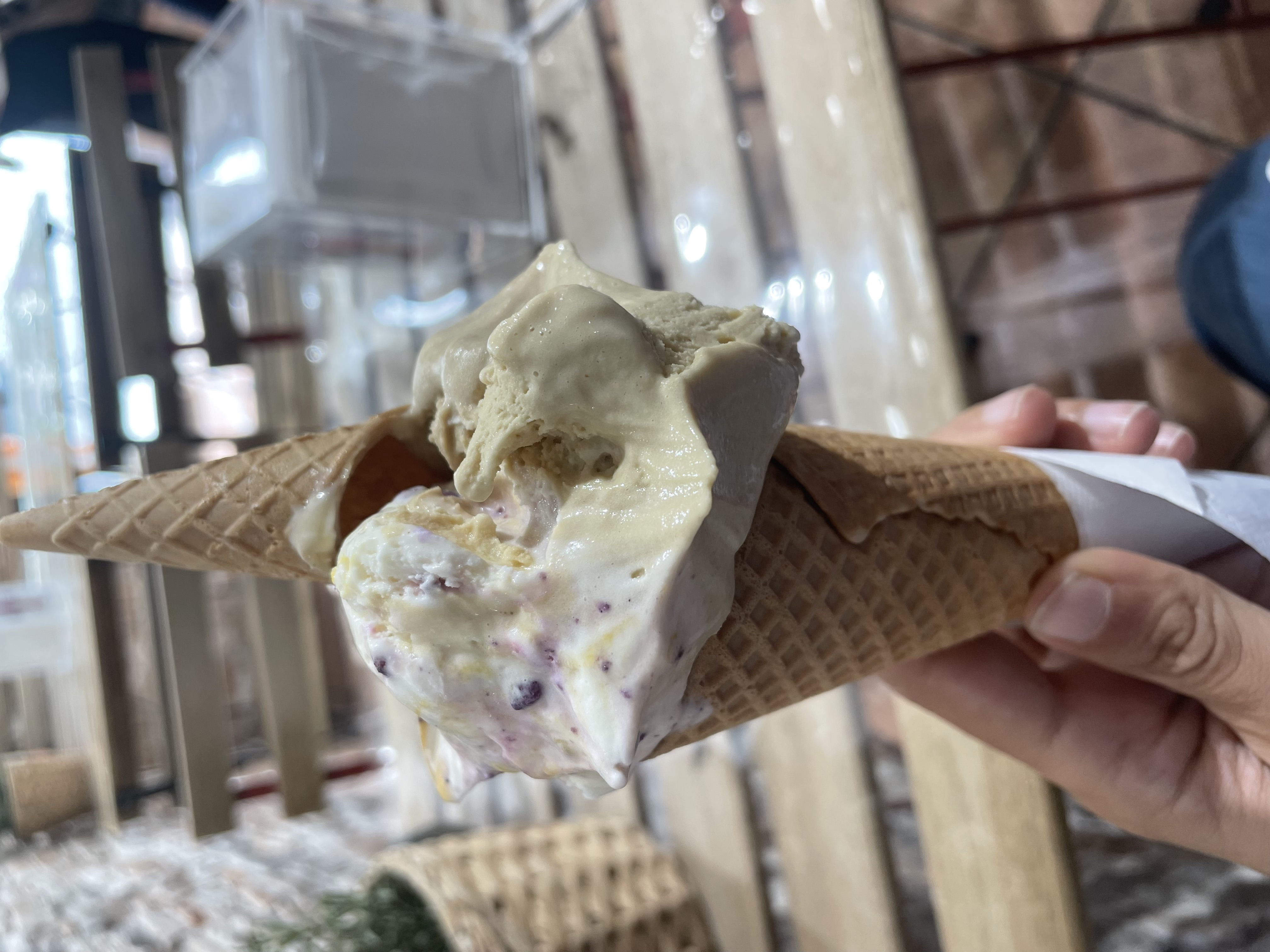
<p>The city pulses with sound and smell: espresso steam rising in cafés, the click of cobblestones underfoot, street performers playing violins and accordions in the piazzas. And then there’s the food. I discovered the delicate, grassy tang of formaggio di capra (goat cheese) paired with fresh gelato — my favorite flavor, mirto (myrtle), a nod to local tradition. A single gelato cone, melting slowly under the Roman sun, felt like an education in flavor and culture simultaneously.</p>

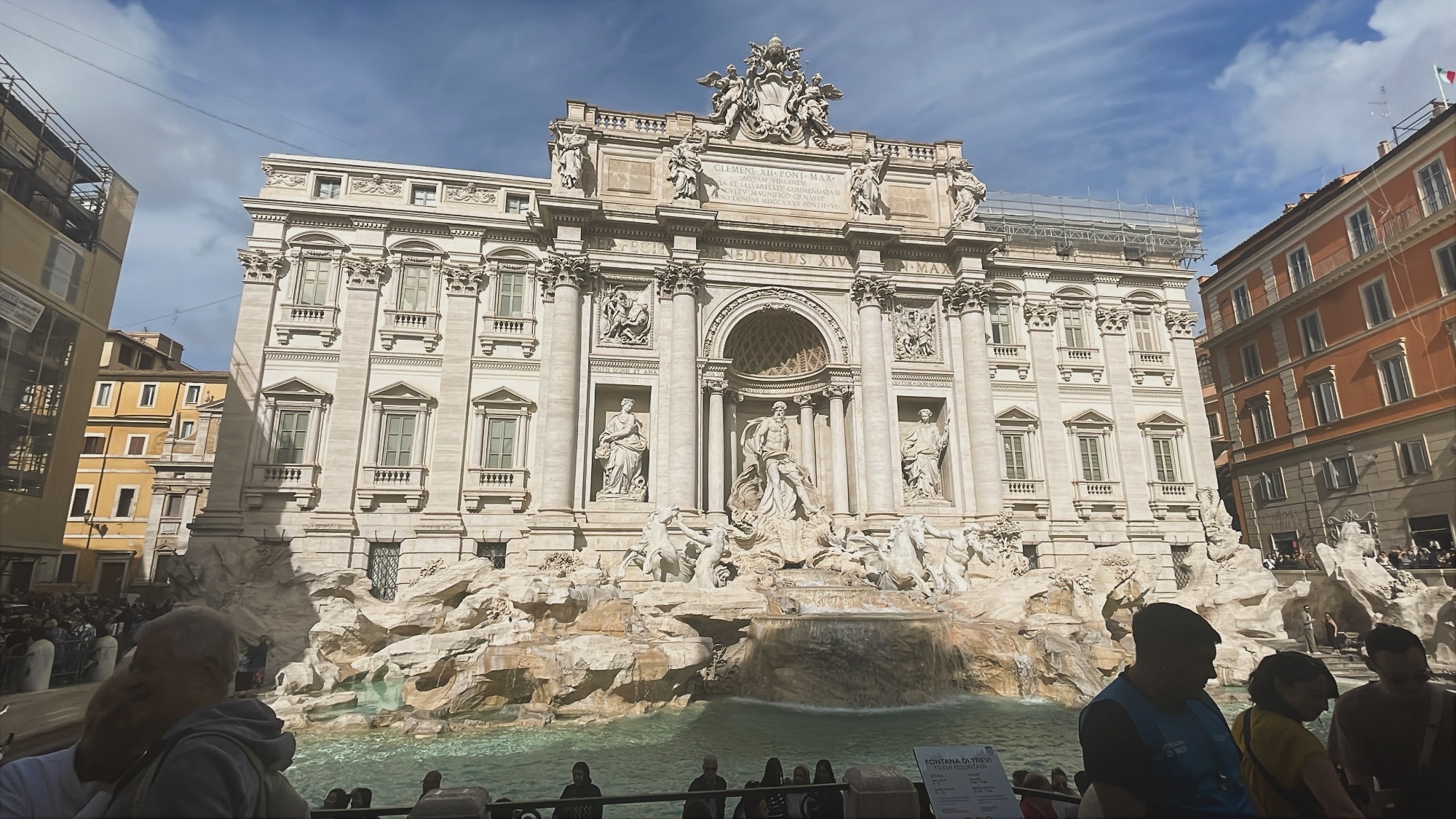
<p>Tourists cluster at the Fontana di Trevi, tossing coins and whispering wishes; at night, the Eternal City glows, illuminated fountains and golden streetlights reflecting off ancient stone. I wandered through Campo de’ Fiori and Piazza di Spagna, savoring the rhythm of the city: lively chatter, scooter engines, and the occasional bark of a dog. Even in crowded streets, there is an intimacy to Rome, a sense that every corner has a story waiting for you to notice.</p>

<div style="display: grid; grid-template-columns: repeat(3, 1fr); gap: 10px; max-width: 900px; margin: 20px auto;">
  <figure style="margin: 0; line-height: 1.2;">
    <img src="/assets/images/malta/IMG_4203.jpeg" alt="Mountain running" style="width: 100%; margin-bottom: 2px;" />
    <figcaption style="font-size: 0.55em; text-align: center; color: #666;"></figcaption>
  </figure>
  <figure style="margin: 0; line-height: 1.2;">
    <img src="/assets/images/malta/IMG_4256.jpeg" alt="Alpine racing" style="width: 100%; margin-bottom: 2px;" />
    <figcaption style="font-size: 0.55em; text-align: center; color: #666;"></figcaption>
  </figure>
  <figure style="margin: 0; line-height: 1.2;">
    <img src="/assets/images/malta/IMG_4241.jpeg" alt="Trail running" style="width: 100%; margin-bottom: 2px;" />
    <figcaption style="font-size: 0.55em; text-align: center; color: #666;"></figcaption>
  </figure>
  <figure style="margin: 0; line-height: 1.2;">
    <img src="/assets/images/malta/IMG_4160.jpeg" alt="Feeling the 11k of Vert!" style="width: 100%; margin-bottom: 2px;" />
    <figcaption style="font-size: 0.55em; text-align: center; color: #666;"></figcaption>
  </figure>
  <figure style="margin: 0; line-height: 1.2;">
    <img src="/assets/images/malta/IMG_4162.jpeg" alt="Racing terrain" style="width: 100%; margin-bottom: 2px;" />
    <figcaption style="font-size: 0.55em; text-align: center; color: #666;"></figcaption>
  </figure>
  <figure style="margin: 0; line-height: 1.2;">
    <img src="/assets/images/malta/IMG_4107.jpeg" alt="Mountain challenge" style="width: 100%; margin-bottom: 2px;" />
    <figcaption style="font-size: 0.55em; text-align: center; color: #666;"></figcaption>
  </figure>
  <figure style="margin: 0; line-height: 1.2;">
    <img src="/assets/images/malta/IMG_4094.jpeg" alt="High altitude" style="width: 100%; margin-bottom: 2px;" />
    <figcaption style="font-size: 0.55em; text-align: center; color: #666;"></figcaption>
  </figure>
   <figure style="margin: 0; line-height: 1.2;">
    <img src="/assets/images/malta/fountain.JPG" alt="High altitude" style="width: 100%; margin-bottom: 2px;" />
    <figcaption style="font-size: 0.55em; text-align: center; color: #666;"></figcaption>
      </figure>
</div>

<hr />

<h2 id="reflections-movement-history-and-connection">Reflections: Movement, History, and Connection</h2>

<p>Traveling through Malta and Rome reminded me that energy is everywhere — in the sea, the streets, the stories, and even the myths we carry forward. Valletta and the Three Cities hold centuries of human ingenuity and adaptation. Gozo pulses with superstition and reverence, a small island preserving traditions both mystical and practical. Rome thrives in layers of culture, history, and art, where every step connects you to thousands of years of civilization.</p>

<p>Malta’s qiegħda storika (historical weight) and Rome’s eternal presence highlight that resilience, creativity, and tradition are themselves forms of energy, flowing through people, streets, and communities. As I moved through these places, I thought of turbines in the Mediterranean wind, of circuits in research labs, and of the invisible threads that connect past and present.</p>

<p>Even as I answered questions in conference halls or wandered narrow streets, I felt these currents of motion and stillness: the pulse of a city, the hum of history, the rhythm of myth, and the quiet power of shared human endeavor.</p>]]></content><author><name>Jasmine</name></author><summary type="html"><![CDATA[Bongu from Valletta!]]></summary></entry><entry><title type="html">Footsteps Through Time: From Alpine Trails to Energy Futures</title><link href="https://jasminegarland.github.io/swisstwo" rel="alternate" type="text/html" title="Footsteps Through Time: From Alpine Trails to Energy Futures" /><published>2025-09-27T09:30:00+00:00</published><updated>2025-09-27T09:30:00+00:00</updated><id>https://jasminegarland.github.io/swisstwo</id><content type="html" xml:base="https://jasminegarland.github.io/swisstwo"><![CDATA[<p>Hiya, from across the pond!</p>

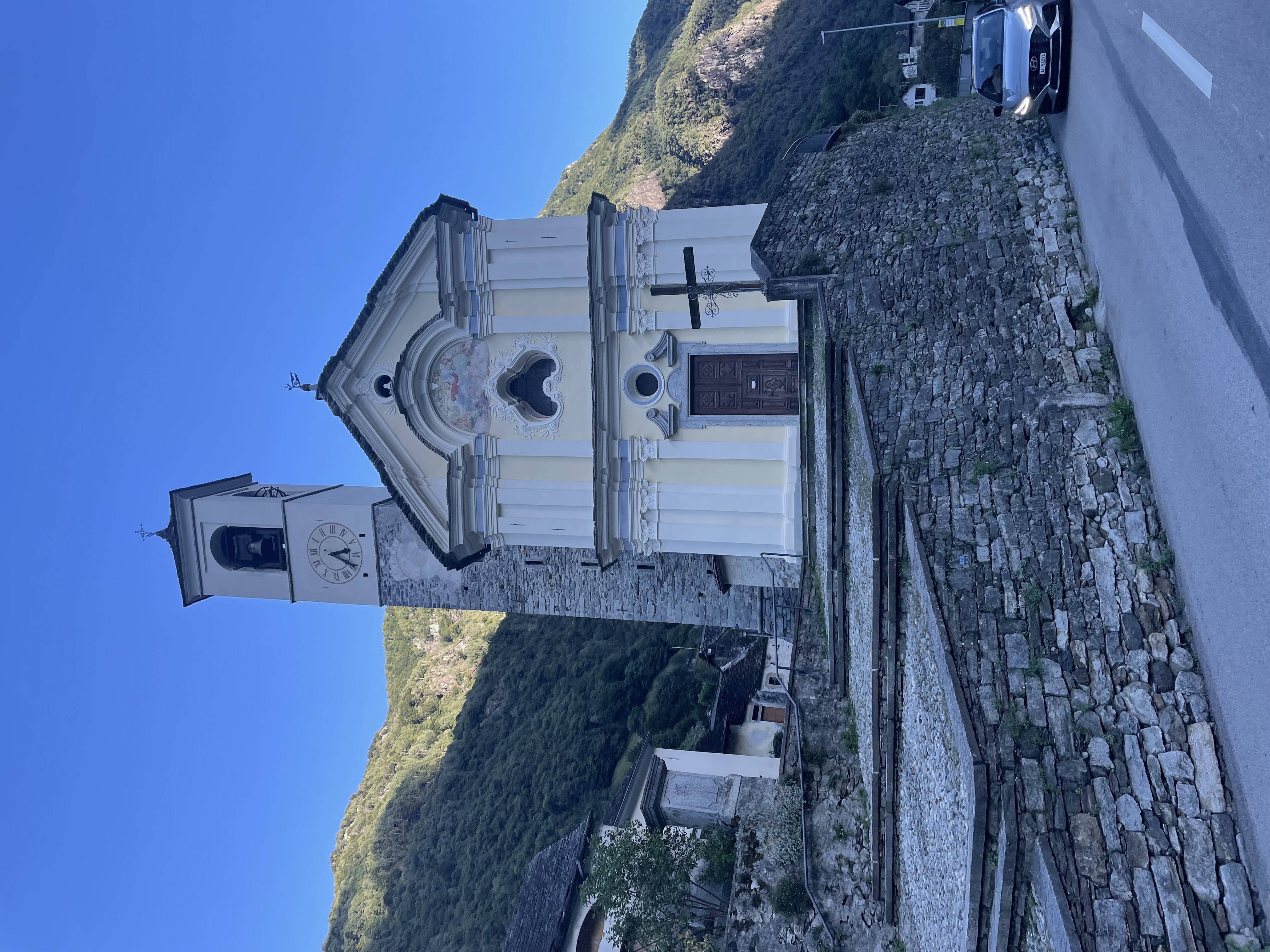
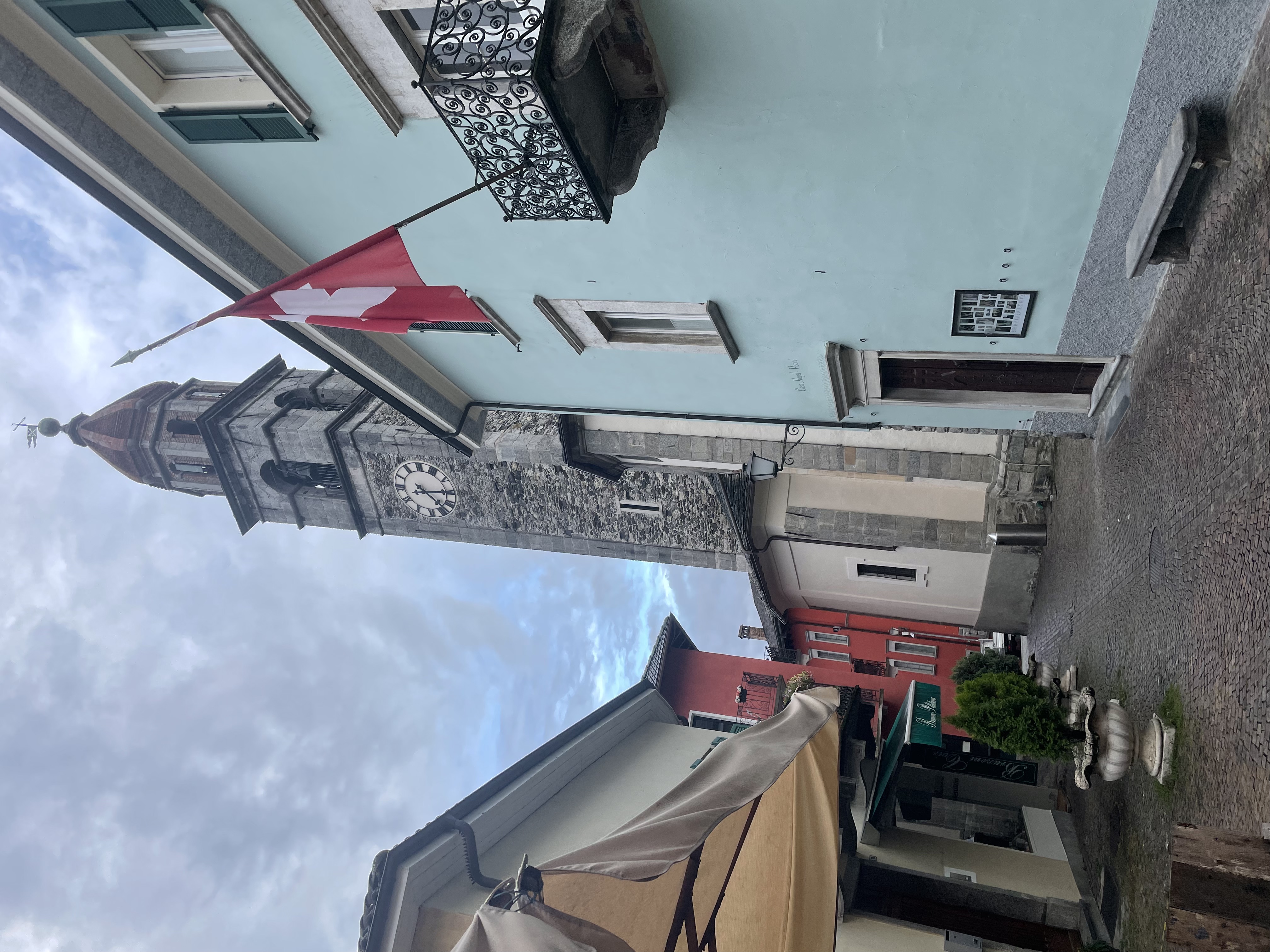
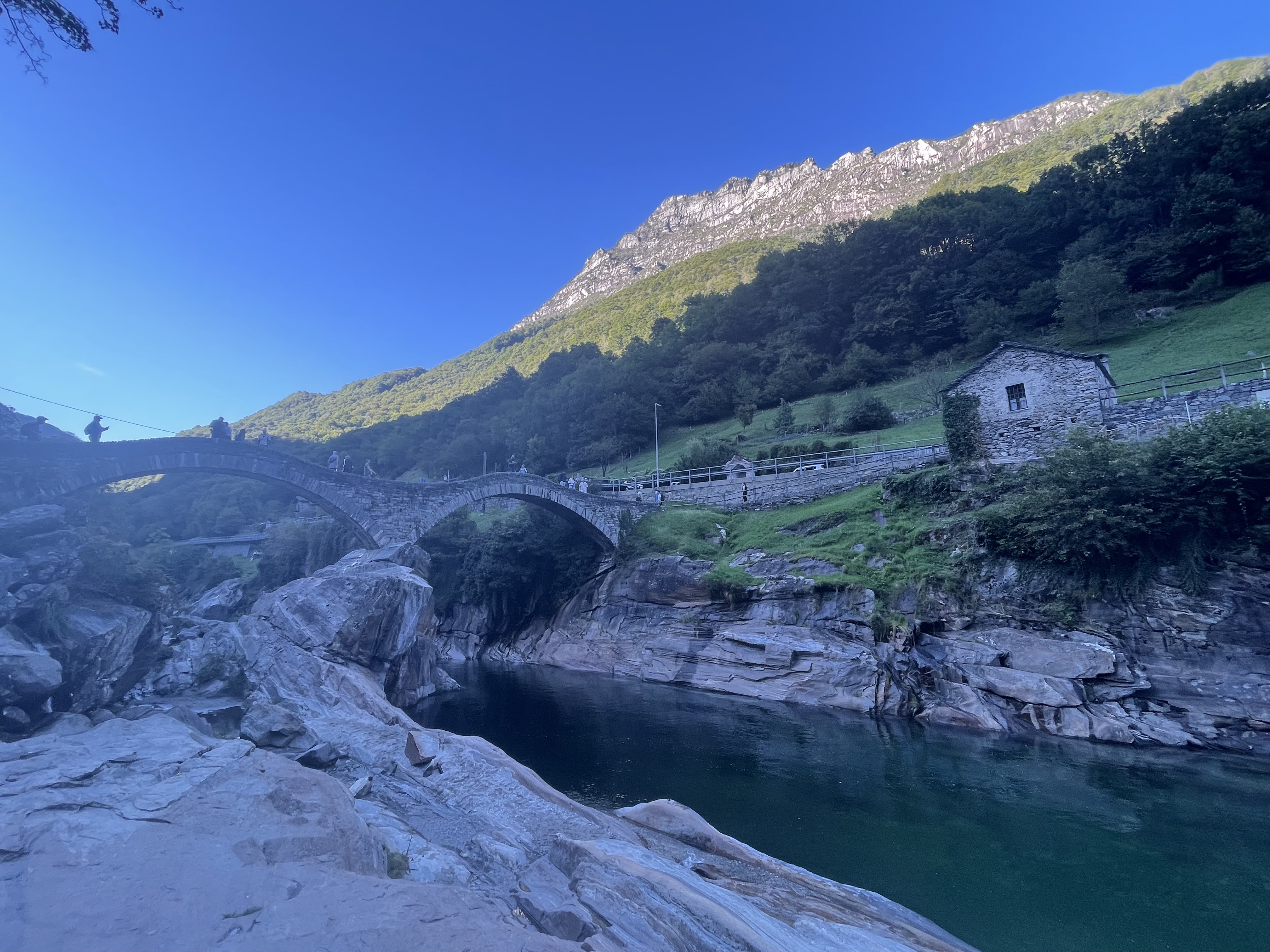
<p>I am writing this from London, a city that hums with motion even in the quiet of morning. Buses rumble, footsteps scatter across pavements, the Underground sighs beneath the streets. I am here only briefly, a pause in transit, but in this fleeting stillness my thoughts turn back to Switzerland: to Brigels, to Sorënberg, to Bellinzona, to Ascona. The bells of cows, the silence of forests, the echo of stone walls all seem to sound louder against London’s restless noise.</p>

<h3 id="the-scargada-coming-home-of-the-cows">The Scargada: Coming Home of the Cows</h3>

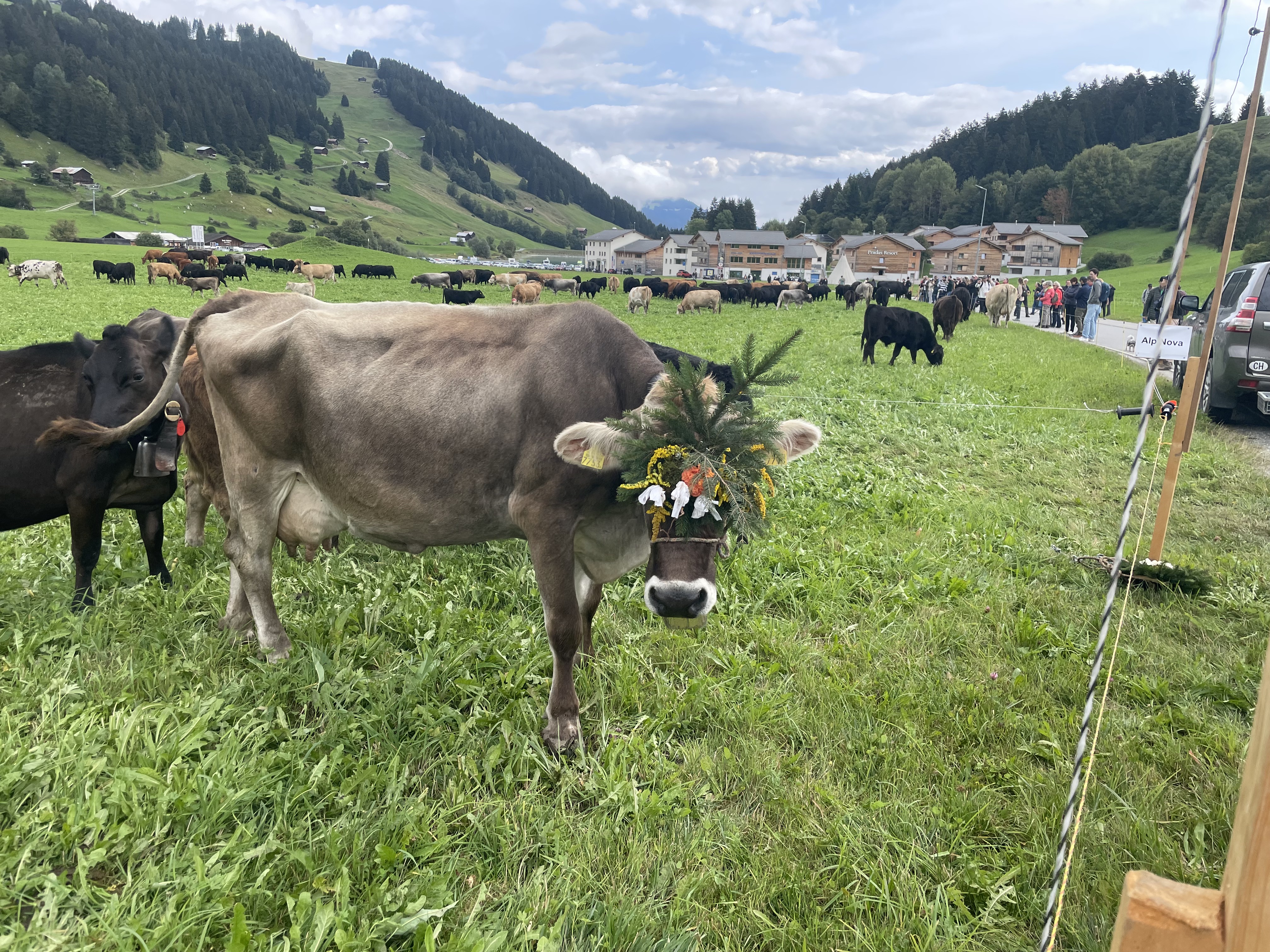
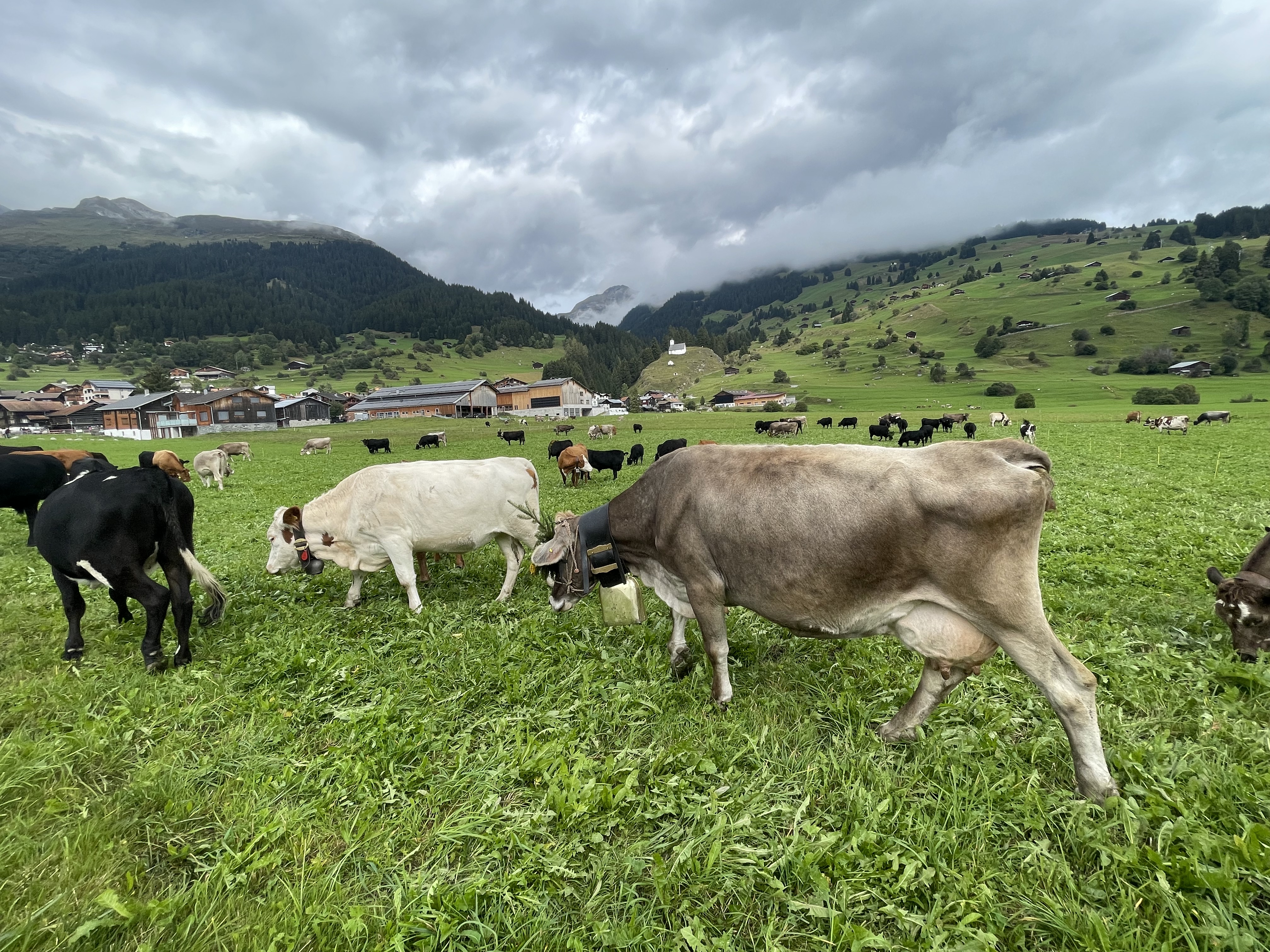
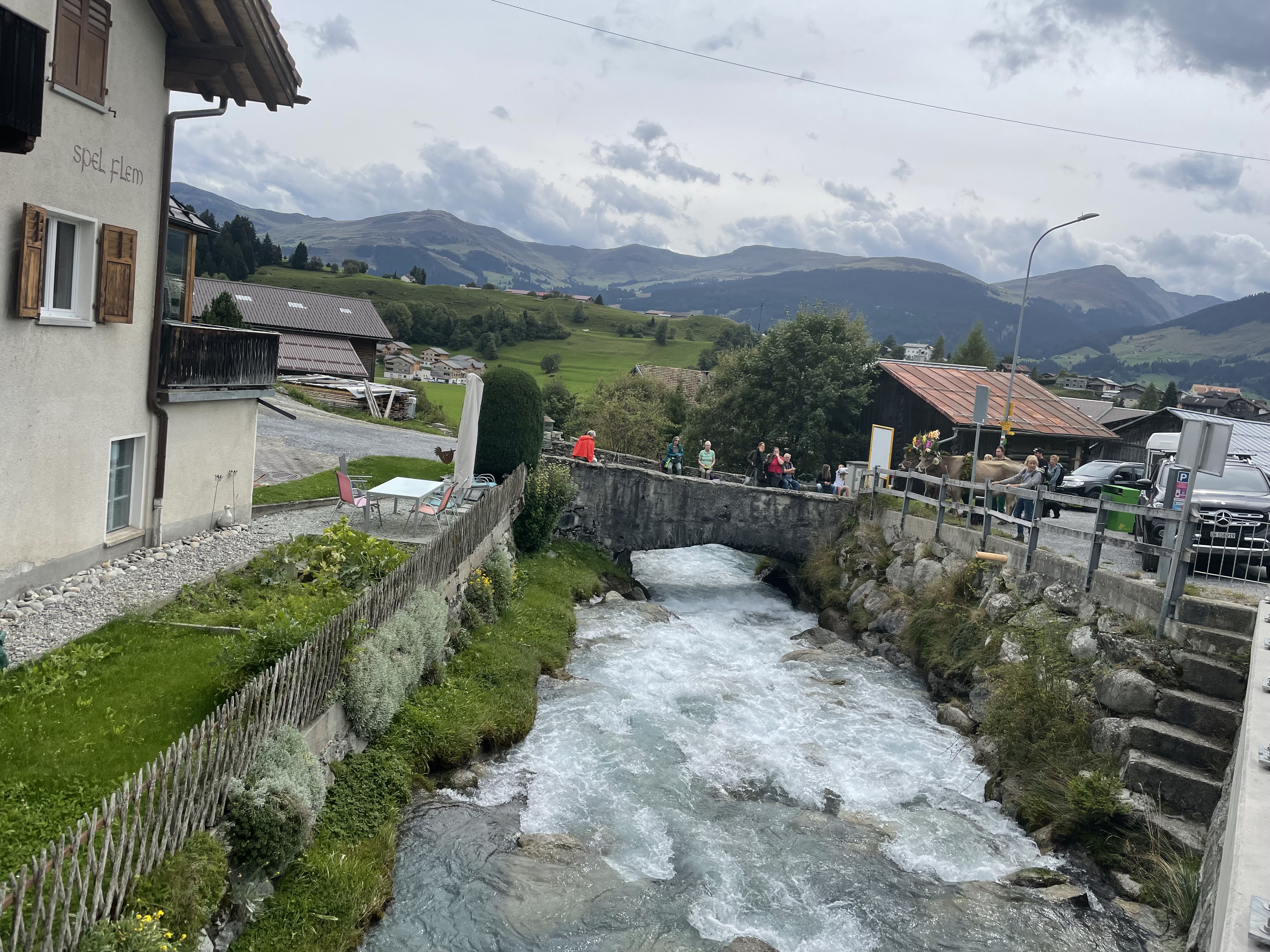
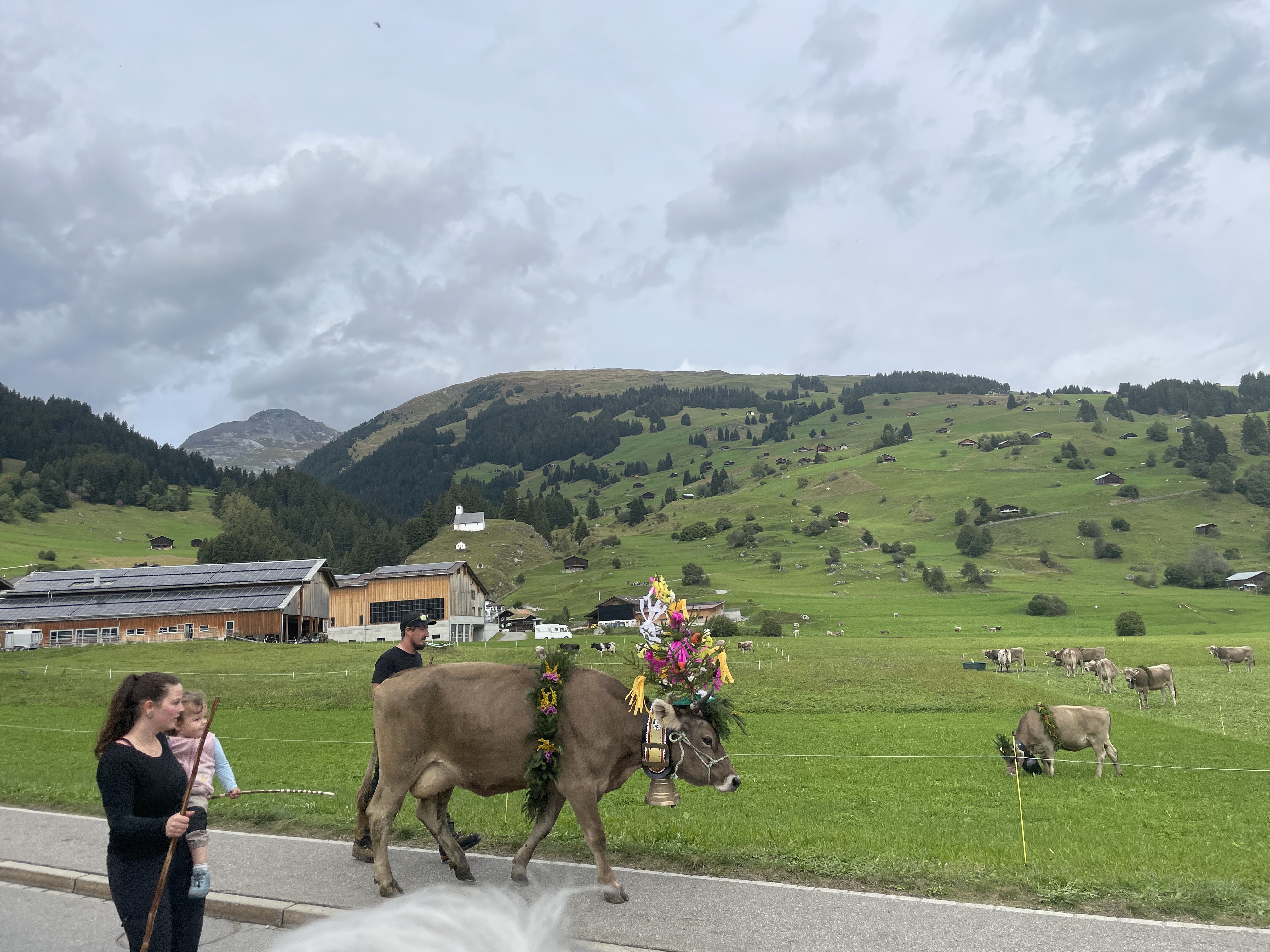
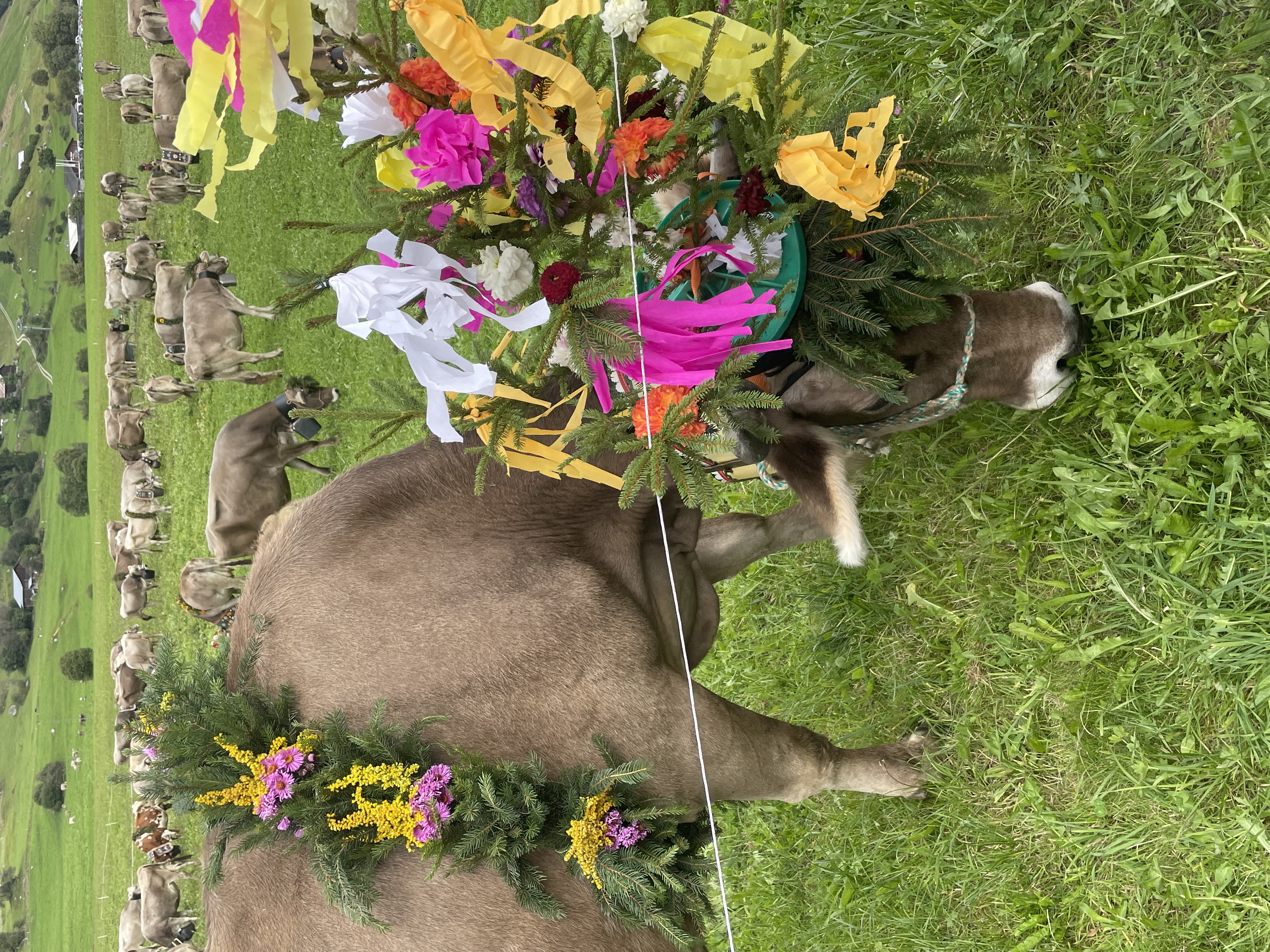
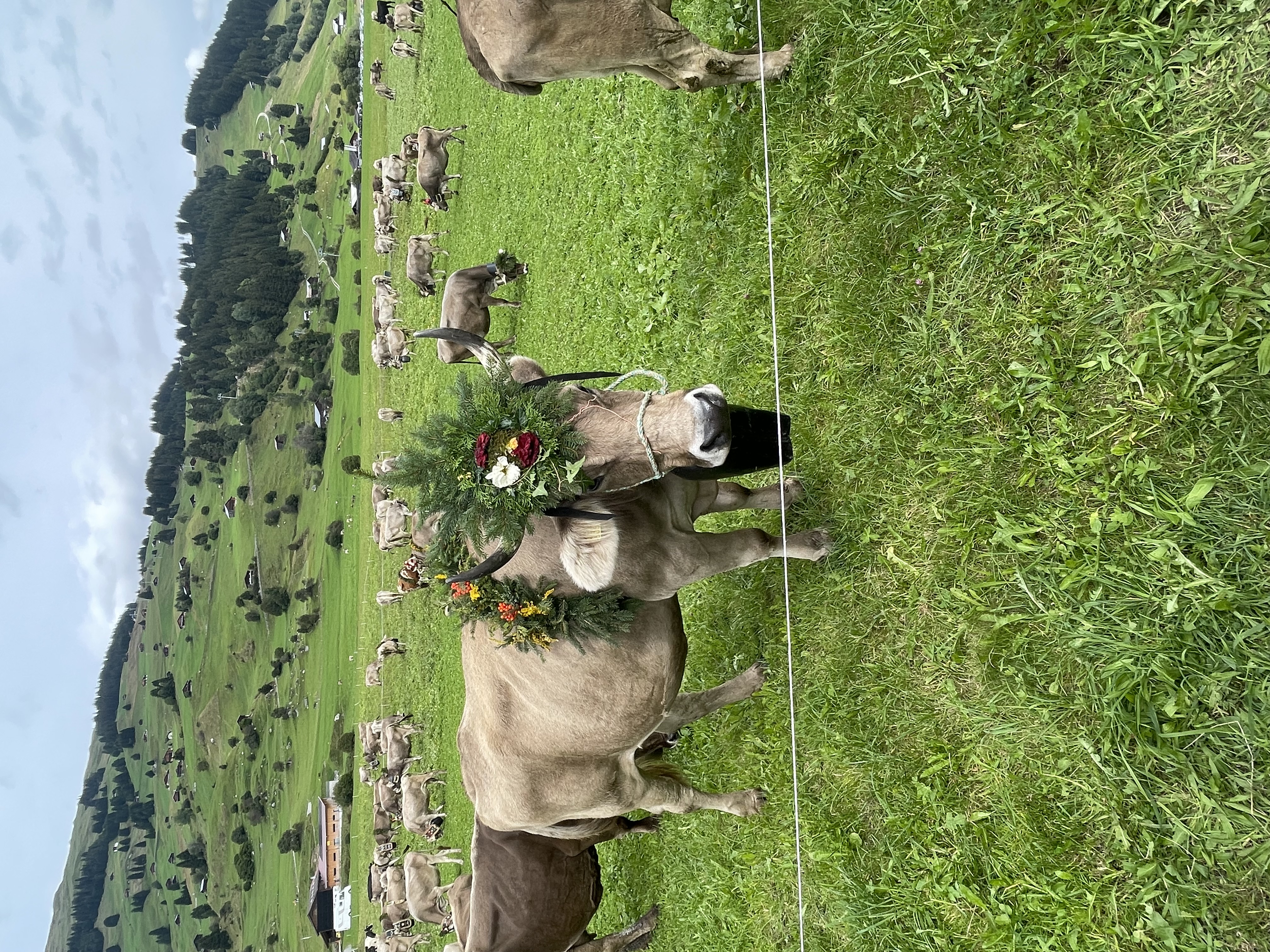
<p>In Brigels, high in Graubünden, I woke one autumn morning to crisp air tugging at my skin, the smell of dew on grass, and the distant tolling of cowbells. I laced my shoes and ran into the hills, feet pressing into loamy earth, mist rising from valleys, granite cliffs bending the path of light.</p>

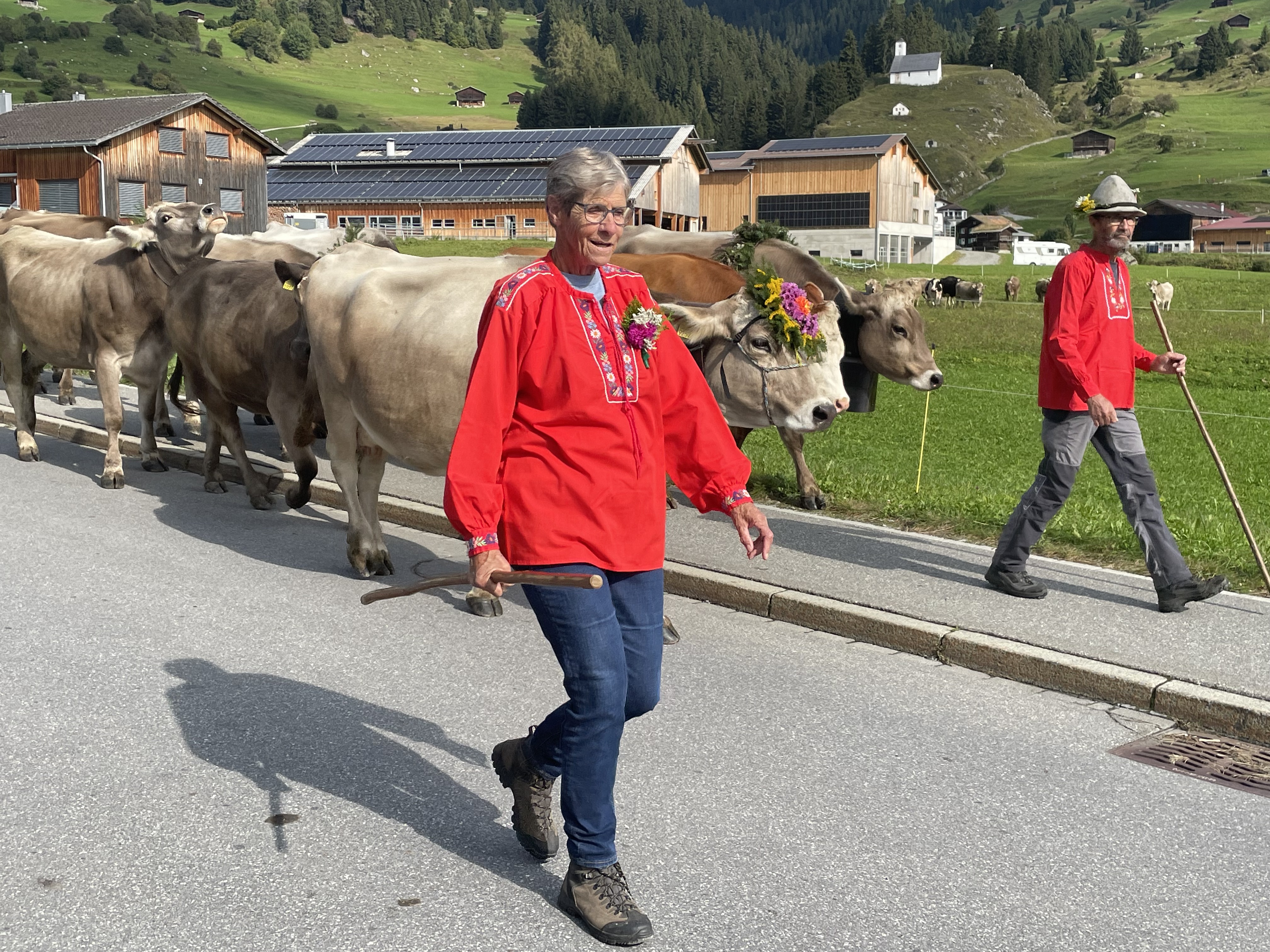
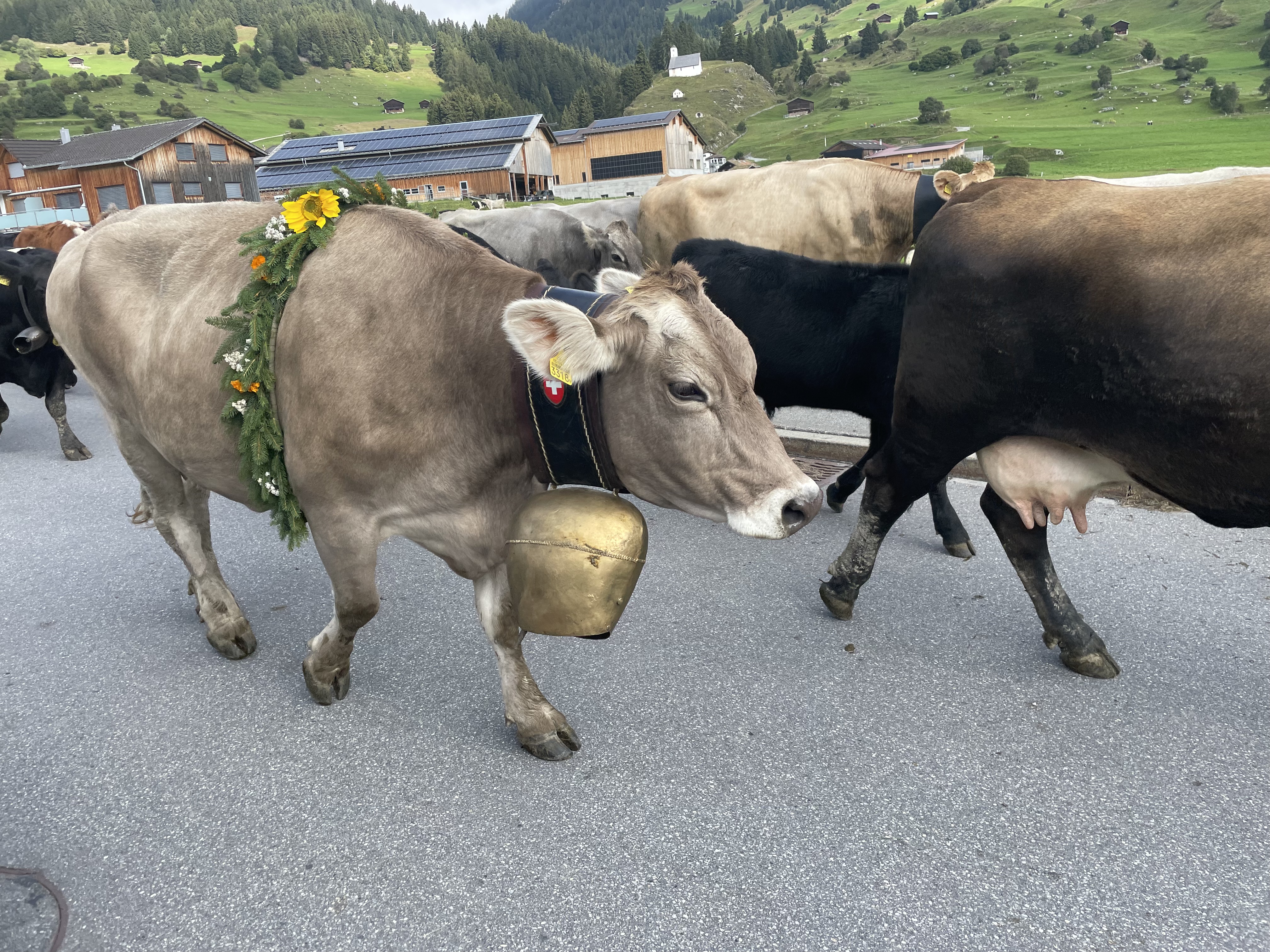
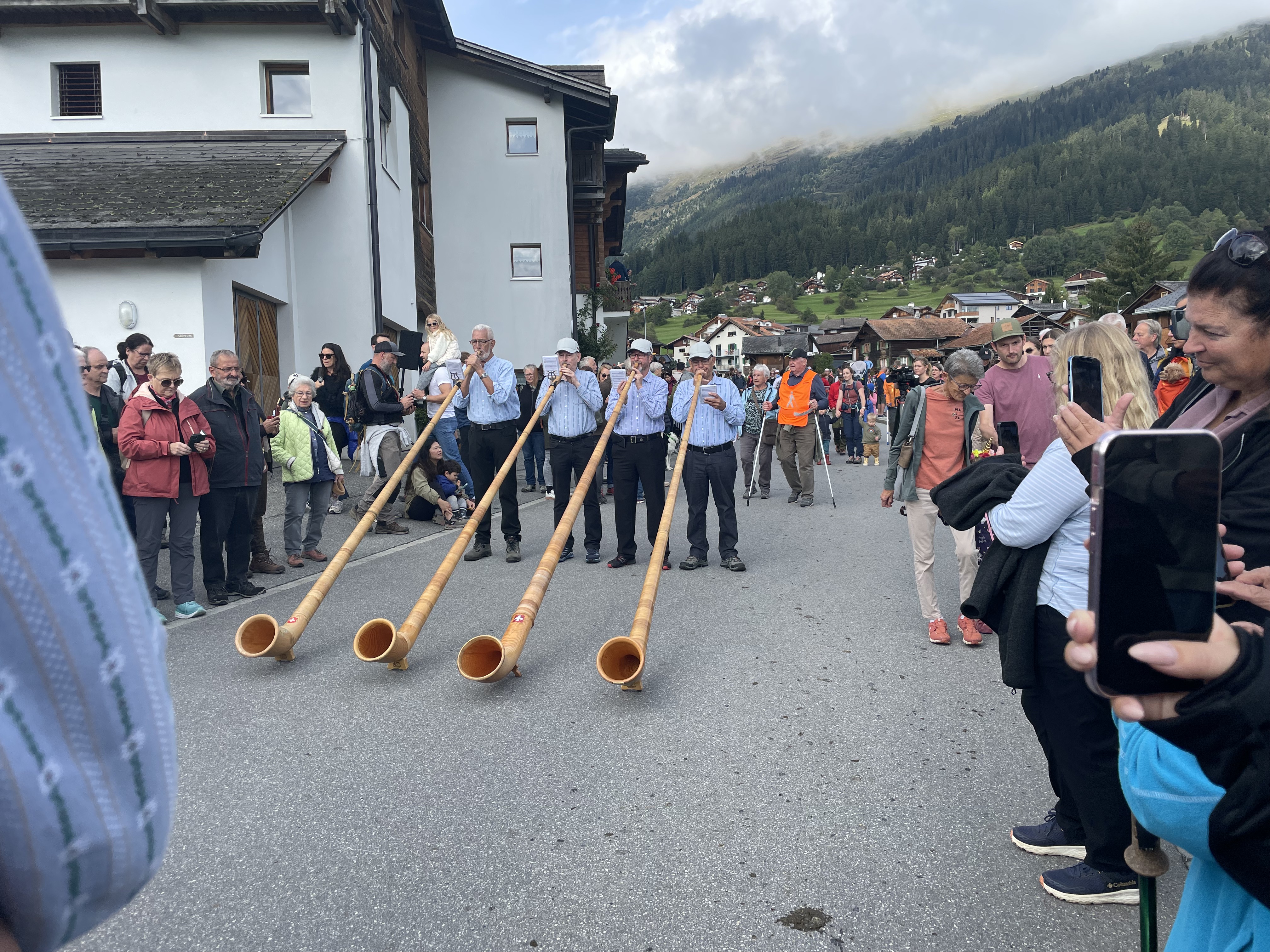
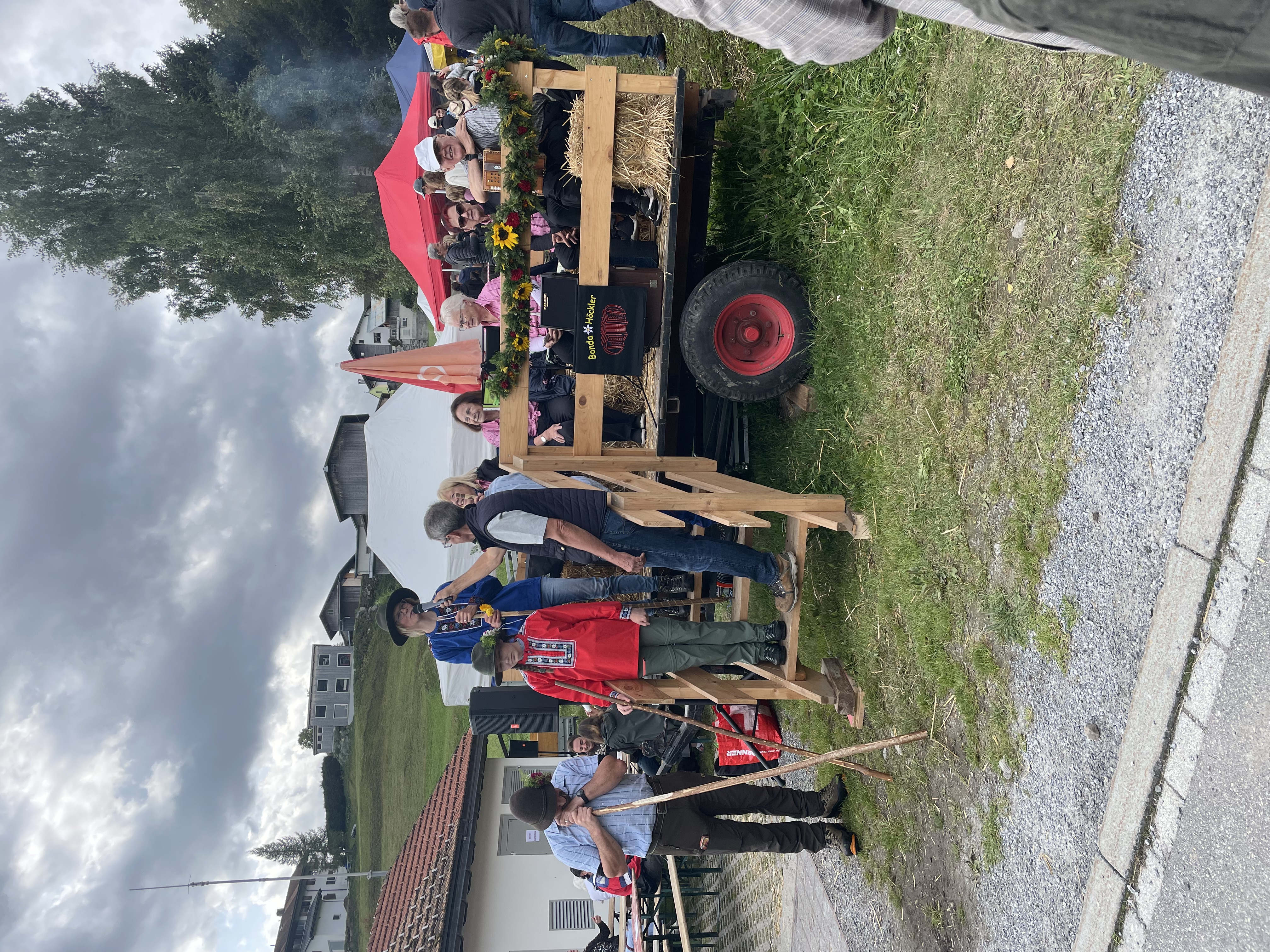
<p>By midmorning, the mountains stirred with life. Nearly six hundred cows began their descent from summer pastures: the Scargada, the ceremonial homecoming. Adorned with garlands and heavy bells, they moved hoof by hoof, led by farmers whose families had walked these paths for generations. Villagers gathered in Plaun Rueun to welcome them, children perched on walls, elders leaning on sticks, all waiting for the sound of bells to roll into town. When it came deep, resonant, layered across the valley, I stopped mid-run and simply listened, letting the sound fill me.</p>

<div style="display: flex; justify-content: center; gap: 20px; margin: 20px 0; max-width: 600px;">
  <figure style="margin: 0; line-height: 1.2; width: 100%;">
    <img src="/assets/images/swissblog3/IMG_2594.jpeg" alt="IMG 2594" style="width: 100%; margin-bottom: 2px;" />
  </figure>
</div>

<div style="display: flex; justify-content: center; gap: 20px; margin: 20px 0; max-width: 600px;">
  <figure style="margin: 0; line-height: 1.2; width: 45%;">
    <img src="/assets/images/swissblog3/IMG_2616.jpeg" alt="IMG 2616" style="width: 100%; margin-bottom: 2px;" />
  </figure>
  <figure style="margin: 0; line-height: 1.2; width: 45%;">
    <img src="/assets/images/swissblog3/IMG_2634.jpeg" alt="IMG 2634" style="width: 100%; margin-bottom: 2px;" />
  </figure>
</div>

<div style="display: flex; justify-content: center; gap: 20px; margin: 20px 0; max-width: 600px;">
  <figure style="margin: 0; line-height: 1.2; width: 45%;">
    <img src="/assets/images/swissblog3/IMG_2640.jpeg" alt="IMG 2640" style="width: 100%; margin-bottom: 2px;" />
  </figure>
  <figure style="margin: 0; line-height: 1.2; width: 45%;">
    <img src="/assets/images/swissblog3/IMG_2691.jpeg" alt="IMG 2691" style="width: 100%; margin-bottom: 2px;" />
  </figure>
</div>

<div style="display: flex; justify-content: center; gap: 20px; margin: 20px 0; max-width: 600px;">
  <figure style="margin: 0; line-height: 1.2; width: 45%;">
    <img src="/assets/images/swissblog3/IMG_2696.jpeg" alt="IMG 2696" style="width: 100%; margin-bottom: 2px;" />
  </figure>
  <figure style="margin: 0; line-height: 1.2; width: 45%;">
    <img src="/assets/images/swissblog3/IMG_2719.jpeg" alt="IMG 2719" style="width: 100%; margin-bottom: 2px;" />
  </figure>
</div>

<div style="display: flex; justify-content: center; gap: 20px; margin: 20px 0; max-width: 600px;">
  <figure style="margin: 0; line-height: 1.2; width: 45%;">
    <img src="/assets/images/swissblog3/IMG_2737.jpeg" alt="IMG 2737" style="width: 100%; margin-bottom: 2px;" />
  </figure>
  <figure style="margin: 0; line-height: 1.2; width: 45%;">
    <img src="/assets/images/swissblog3/IMG_2805.jpeg" alt="IMG 2805" style="width: 100%; margin-bottom: 2px;" />
  </figure>
</div>

<div style="display: flex; justify-content: center; gap: 20px; margin: 20px 0; max-width: 600px;">
  <figure style="margin: 0; line-height: 1.2; width: 100%;">
    <img src="/assets/images/swissblog3/IMG_2815.jpeg" alt="IMG 2815" style="width: 100%; margin-bottom: 2px;" />
  </figure>
</div>

<h3 id="sorënberg-and-the-ridge">Sorënberg and the Ridge</h3>

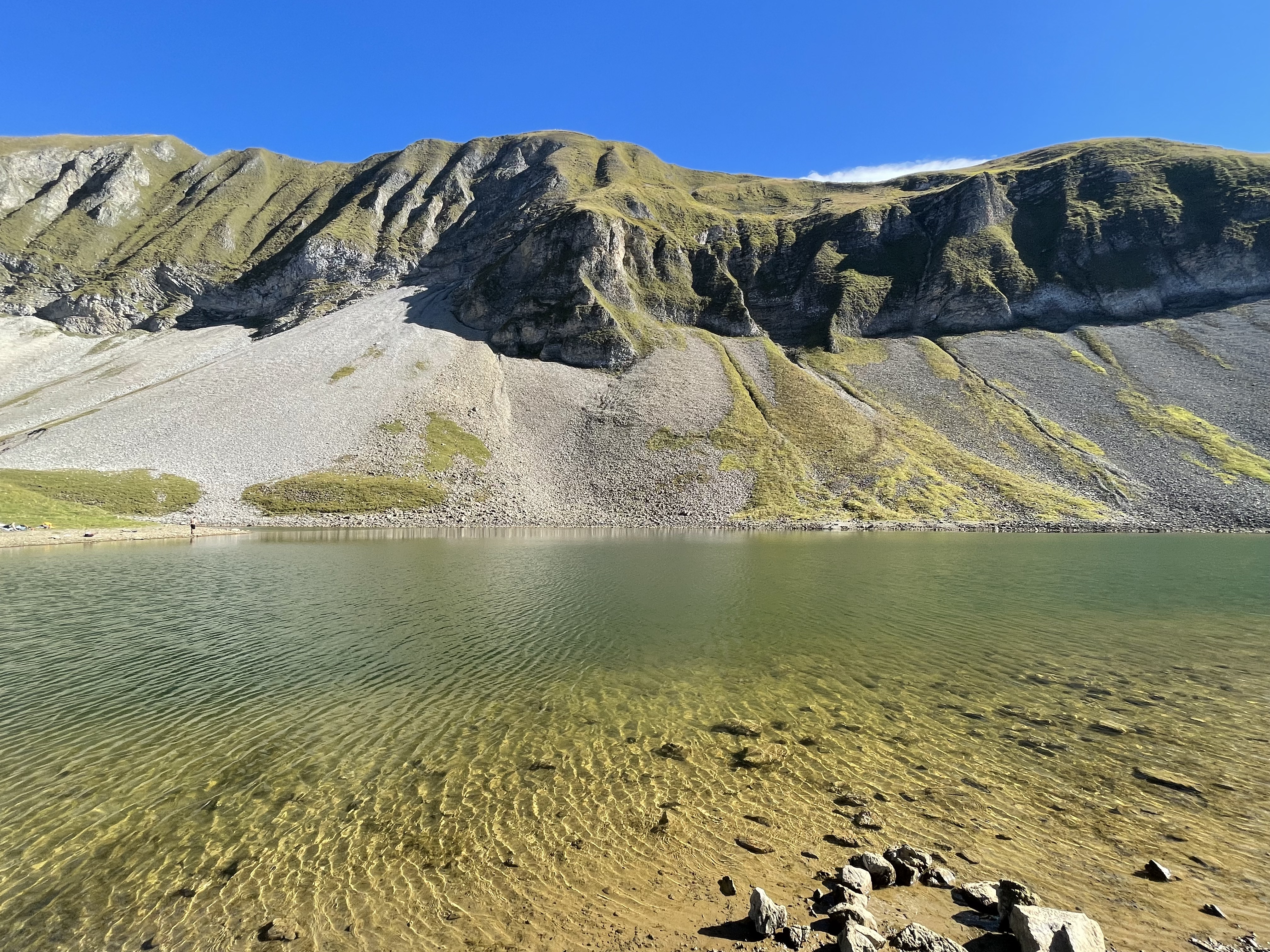
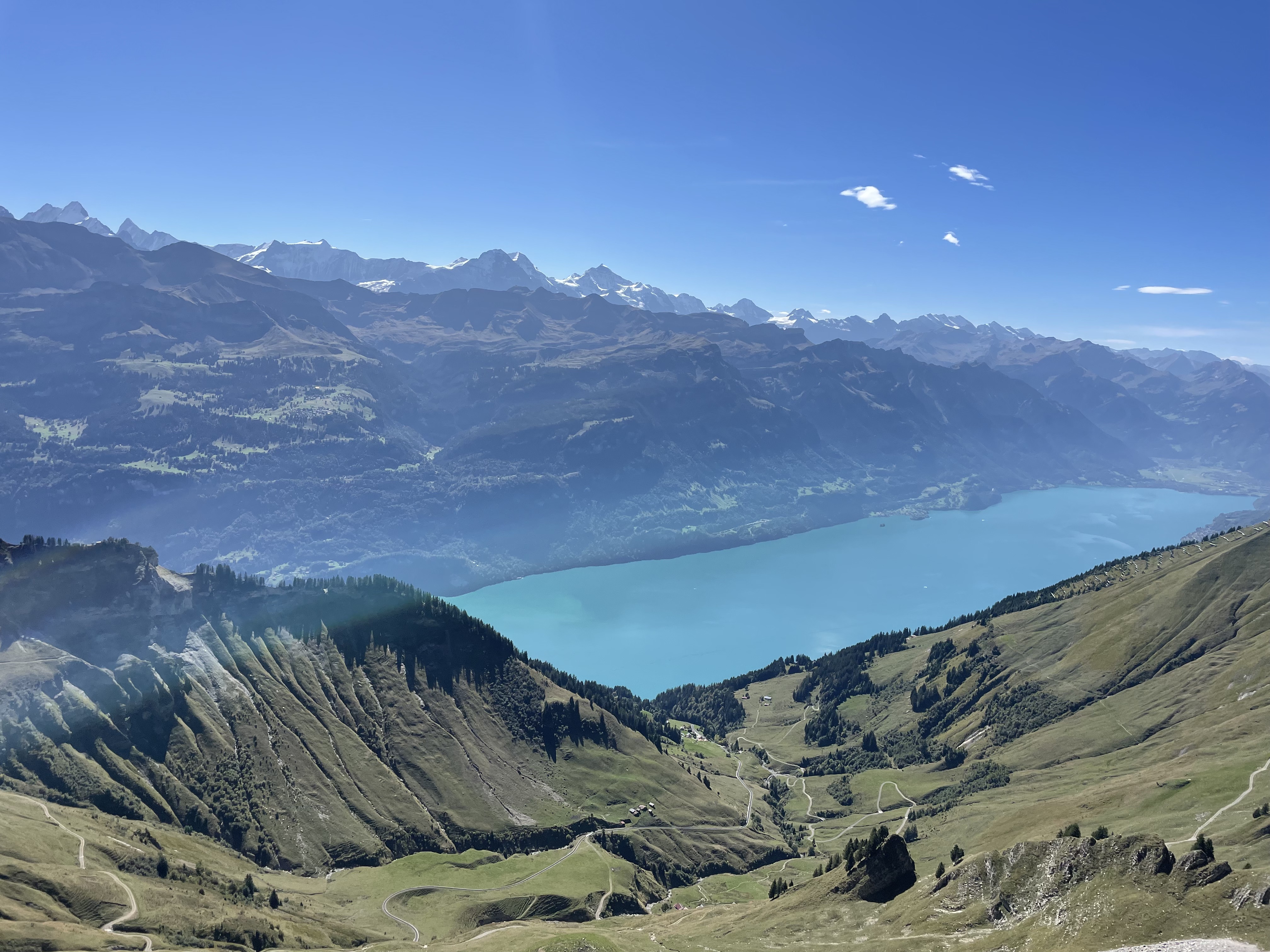
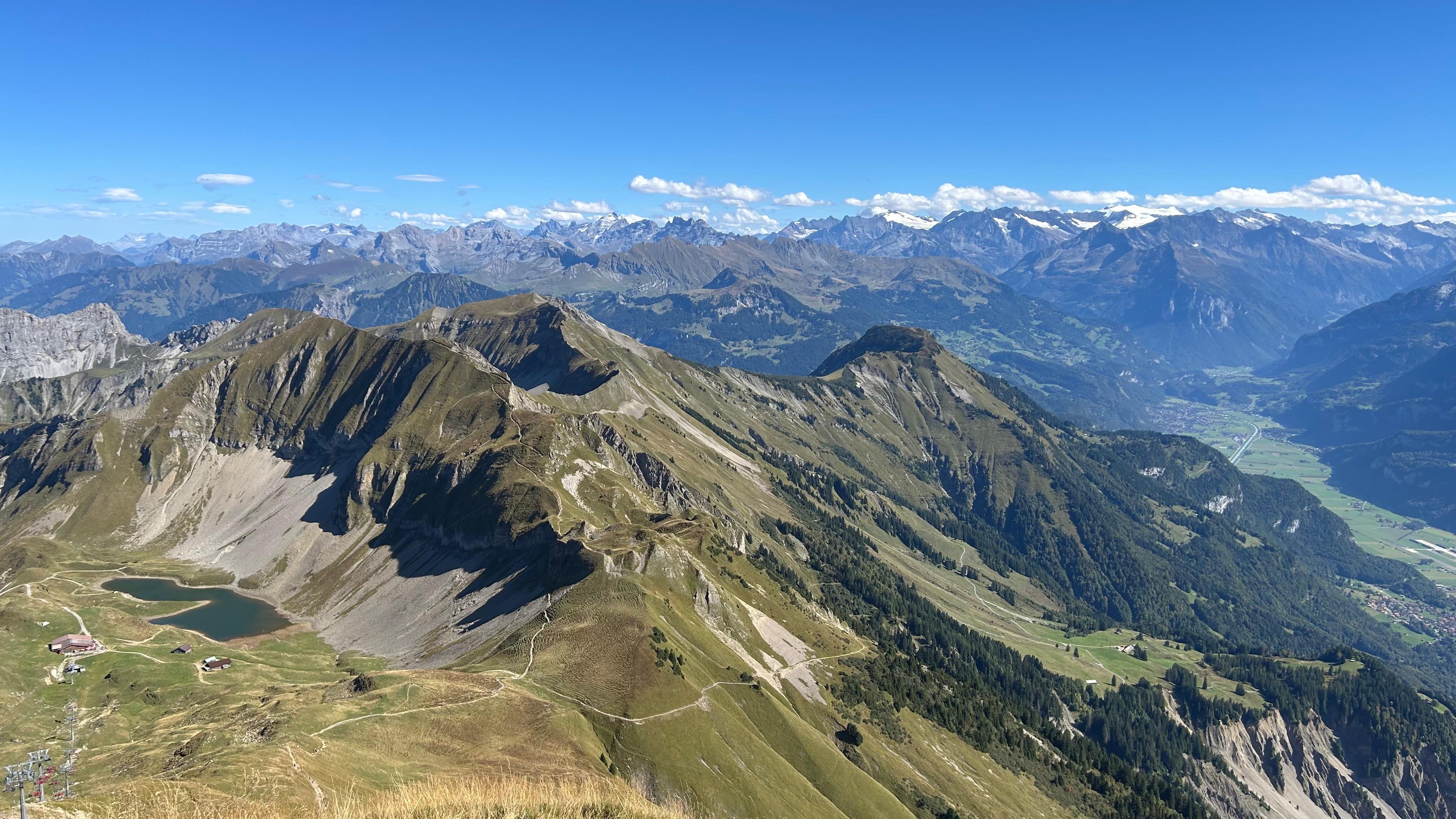
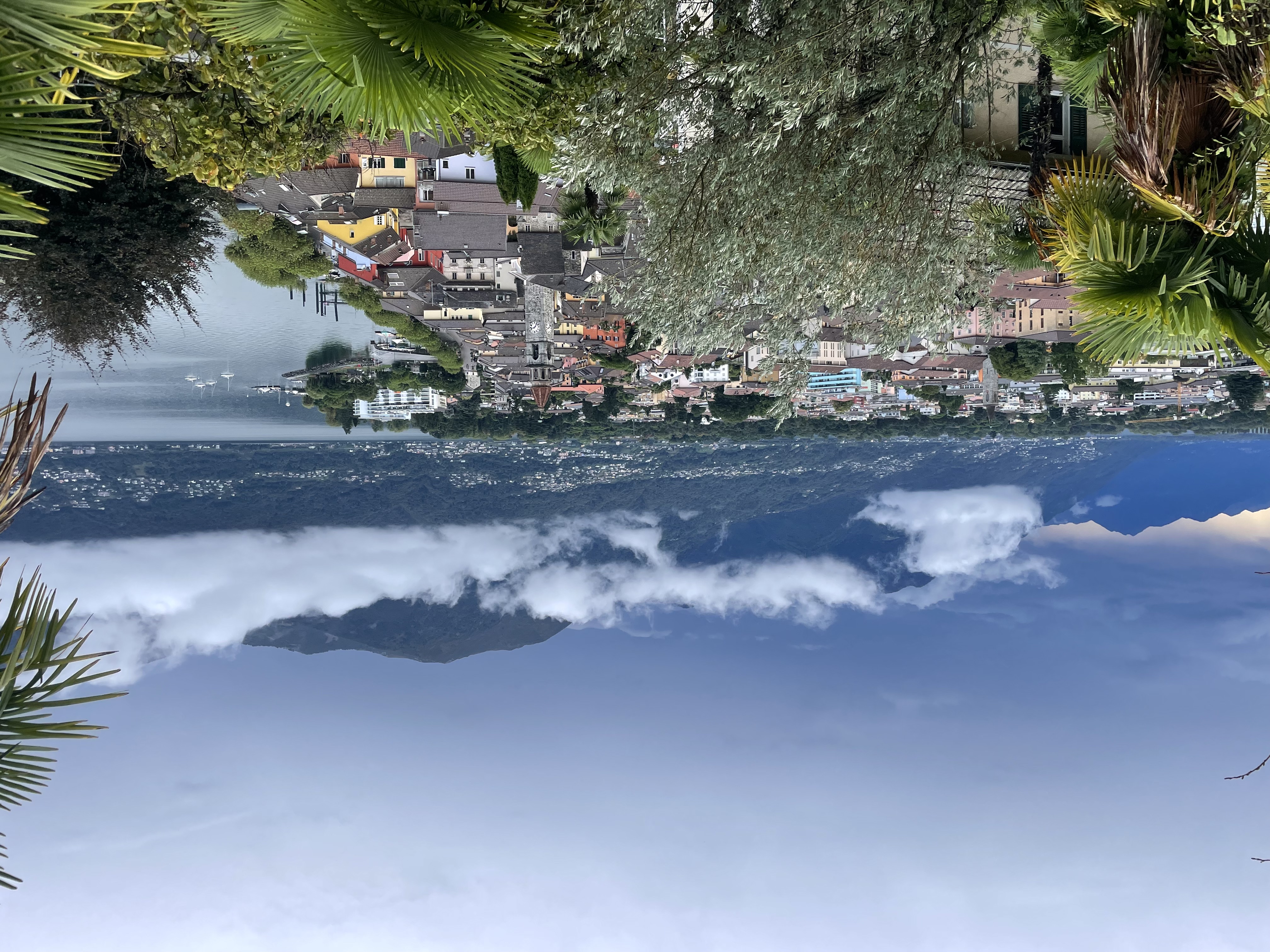
<p>Later, my path carried me westward to Sorënberg, a mountain village tucked deep in the Entlebuch UNESCO Biosphere. Wooden chalets leaned into the slopes, balconies crowded with geraniums, the air thick with pine and woodsmoke. It was quieter here, more sheltered than Brigels. Mist hung low in valleys, and streams cut silver seams through dark forests. Walking in Sorënberg felt slower, more intimate, a place where silence had weight. Running trails here was like moving through a painting of greens and greys, punctuated by cowbells and the smell of woodsmoke.</p>

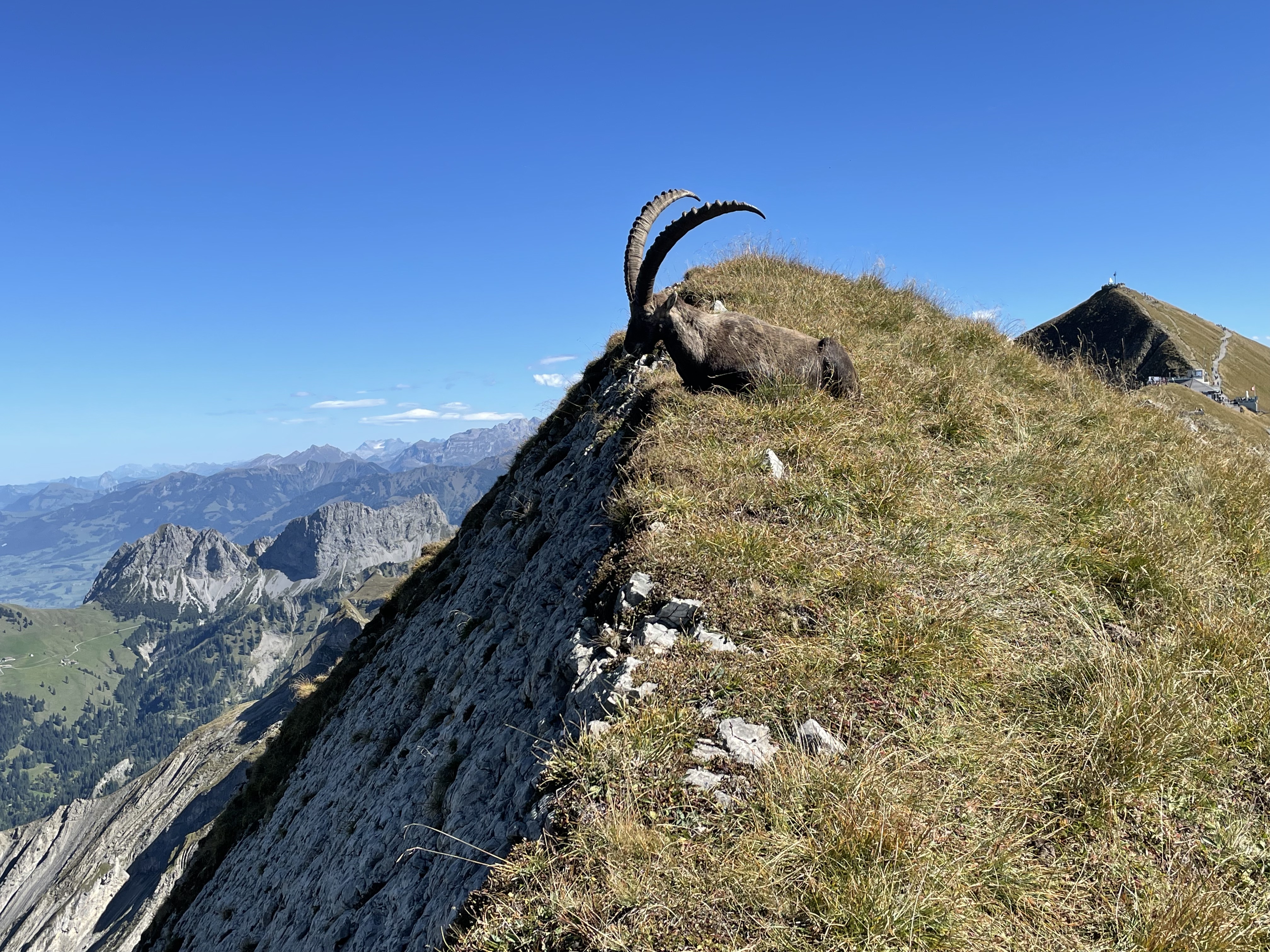
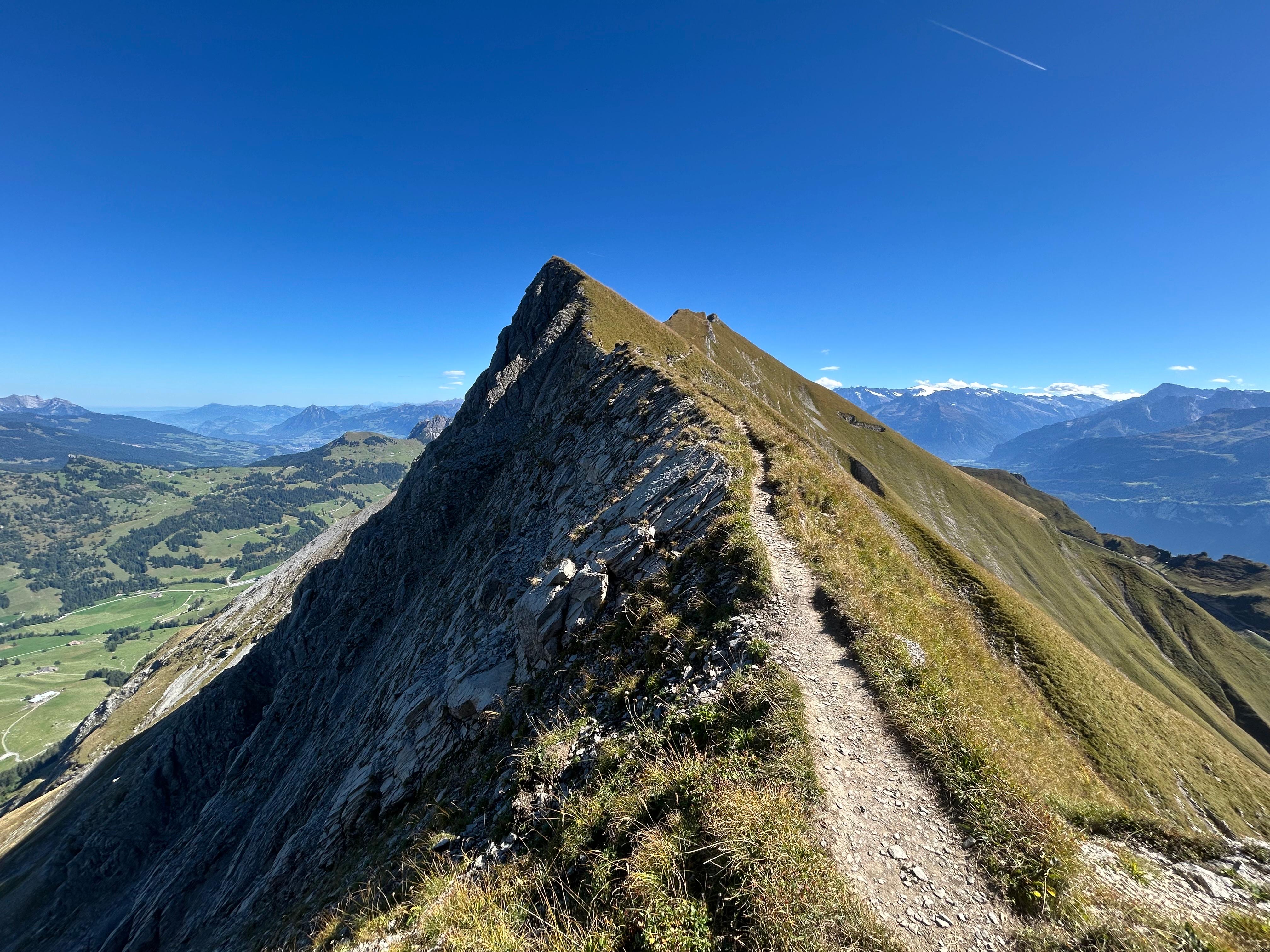
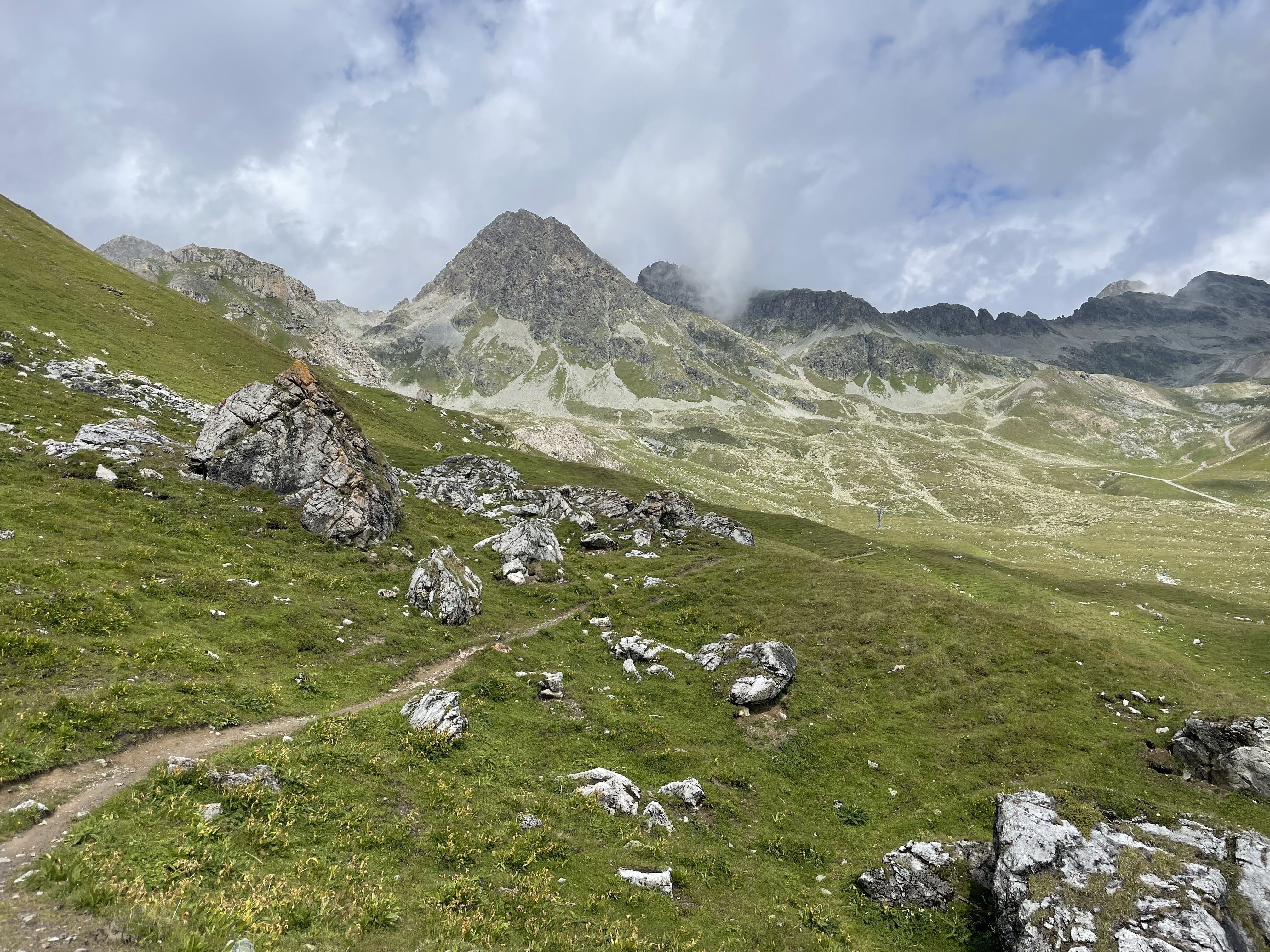
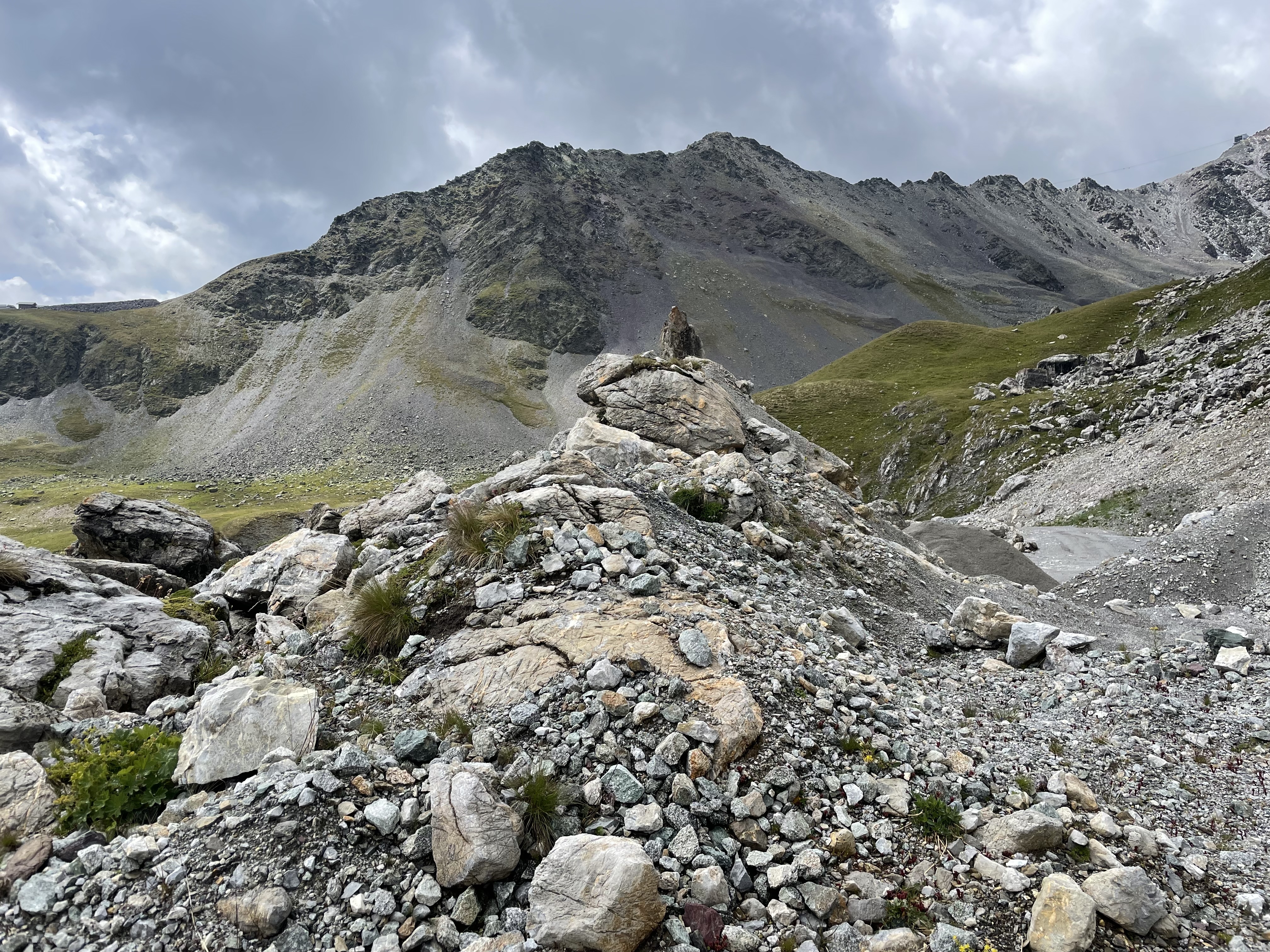
<p>From the village I climbed higher, until the land rose into a ridge that stretched wide and sharp against the sky. The ascent pulled at my lungs, but then the world opened: forests sloping into shadow, meadows streaked with streams, distant peaks blurred by cloud. The trail was narrow, a ribbon of earth suspended between two drops, and each step required balance, awareness, care.</p>

<p>Up there, with wind pressing against me and faint cowbells drifting from far below, the ridge felt like more than a path. It was a metaphor for energy transitions, for life in academia, for the precarious balance of resilience. Walking it was to practice steadiness, to learn how to carry uncertainty while still moving forward.</p>

<div style="display: flex; justify-content: center; gap: 20px; margin: 20px 0; max-width: 600px;">
  <figure style="margin: 0; line-height: 1.2; width: 100%;">
    <img src="/assets/images/swissblog3/hikr6.jpeg" alt="Hike 6 scenery" style="width: 100%; margin-bottom: 2px;" />
  </figure>
</div>

<div style="display: flex; justify-content: center; gap: 20px; margin: 20px 0; max-width: 600px;">
  <figure style="margin: 0; line-height: 1.2; width: 45%;">
    <img src="/assets/images/swissblog3/hike5.jpeg" alt="Hike 5 scenery" style="width: 100%; margin-bottom: 2px;" />
  </figure>
  <figure style="margin: 0; line-height: 1.2; width: 45%;">
    <img src="/assets/images/swissblog3/hike4.jpeg" alt="Hike 4 scenery" style="width: 100%; margin-bottom: 2px;" />
  </figure>
</div>

<div style="display: flex; justify-content: center; gap: 20px; margin: 20px 0; max-width: 600px;">
  <figure style="margin: 0; line-height: 1.2; width: 45%;">
    <img src="/assets/images/swissblog3/hike1.jpeg" alt="Hike 3 scenery" style="width: 100%; margin-bottom: 2px;" />
  </figure>
  <figure style="margin: 0; line-height: 1.2; width: 45%;">
    <img src="/assets/images/swissblog3/hike2.JPG" alt="Hike 2 scenery" style="width: 100%; margin-bottom: 2px;" />
  </figure>
</div>

<div style="display: flex; justify-content: center; gap: 20px; margin: 20px 0; max-width: 600px;">
  <figure style="margin: 0; line-height: 1.2; width: 100%;">
    <img src="/assets/images/swissblog3/hike3.jpeg" alt="Hike 1 scenery" style="width: 100%; margin-bottom: 2px;" />
  </figure>
</div>

<h3 id="bellinzonas-castles">Bellinzona’s Castles</h3>

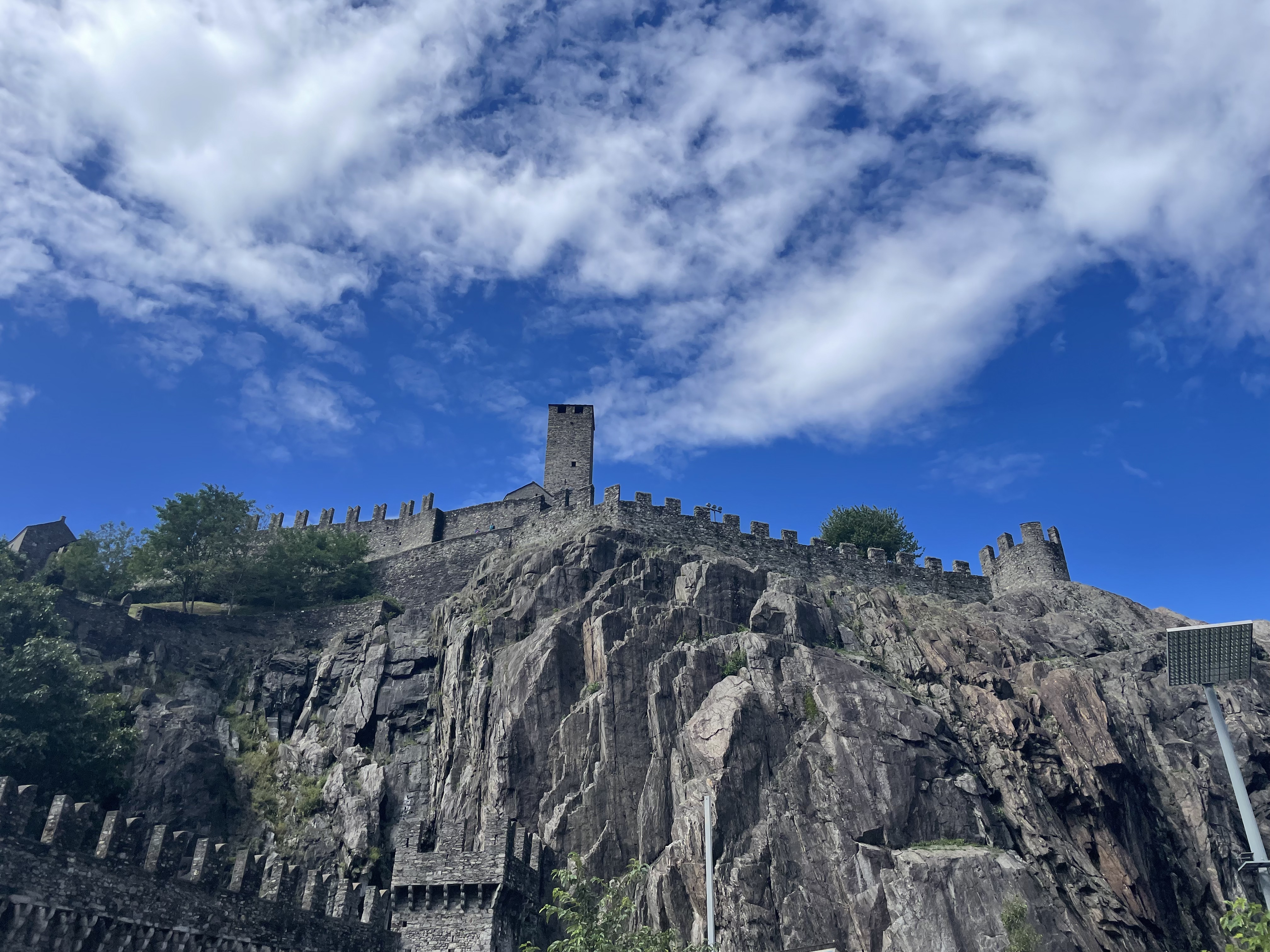
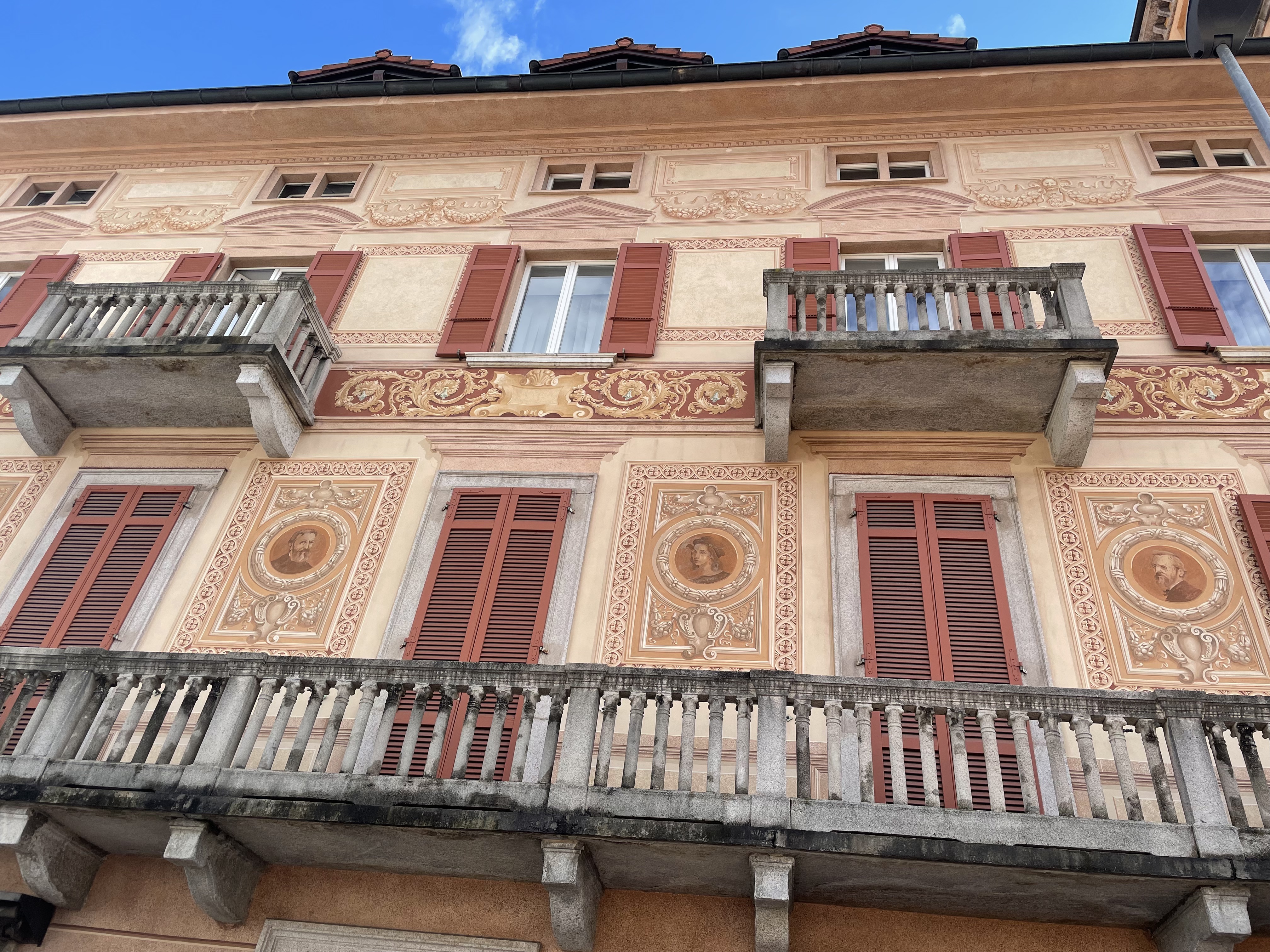
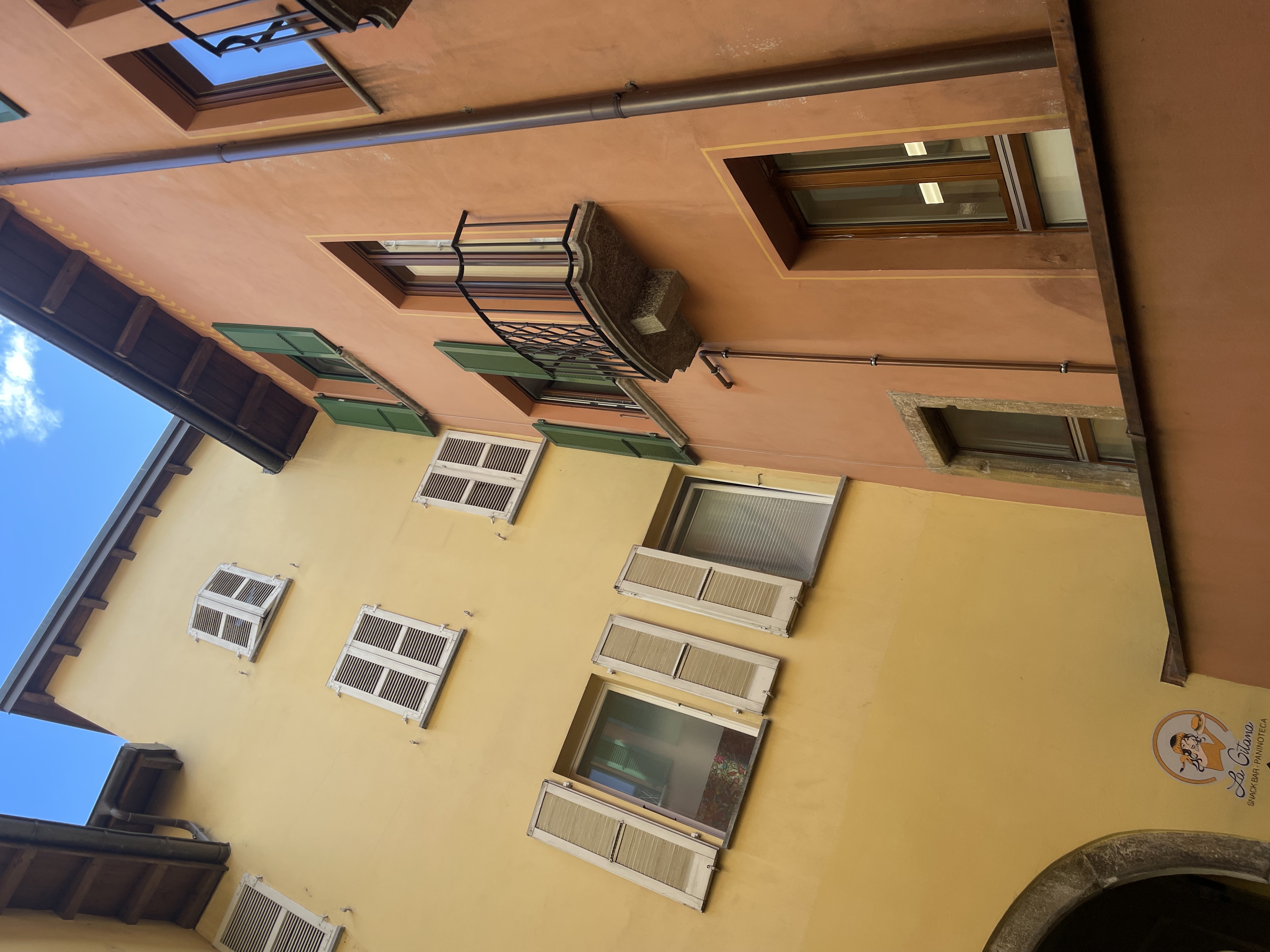
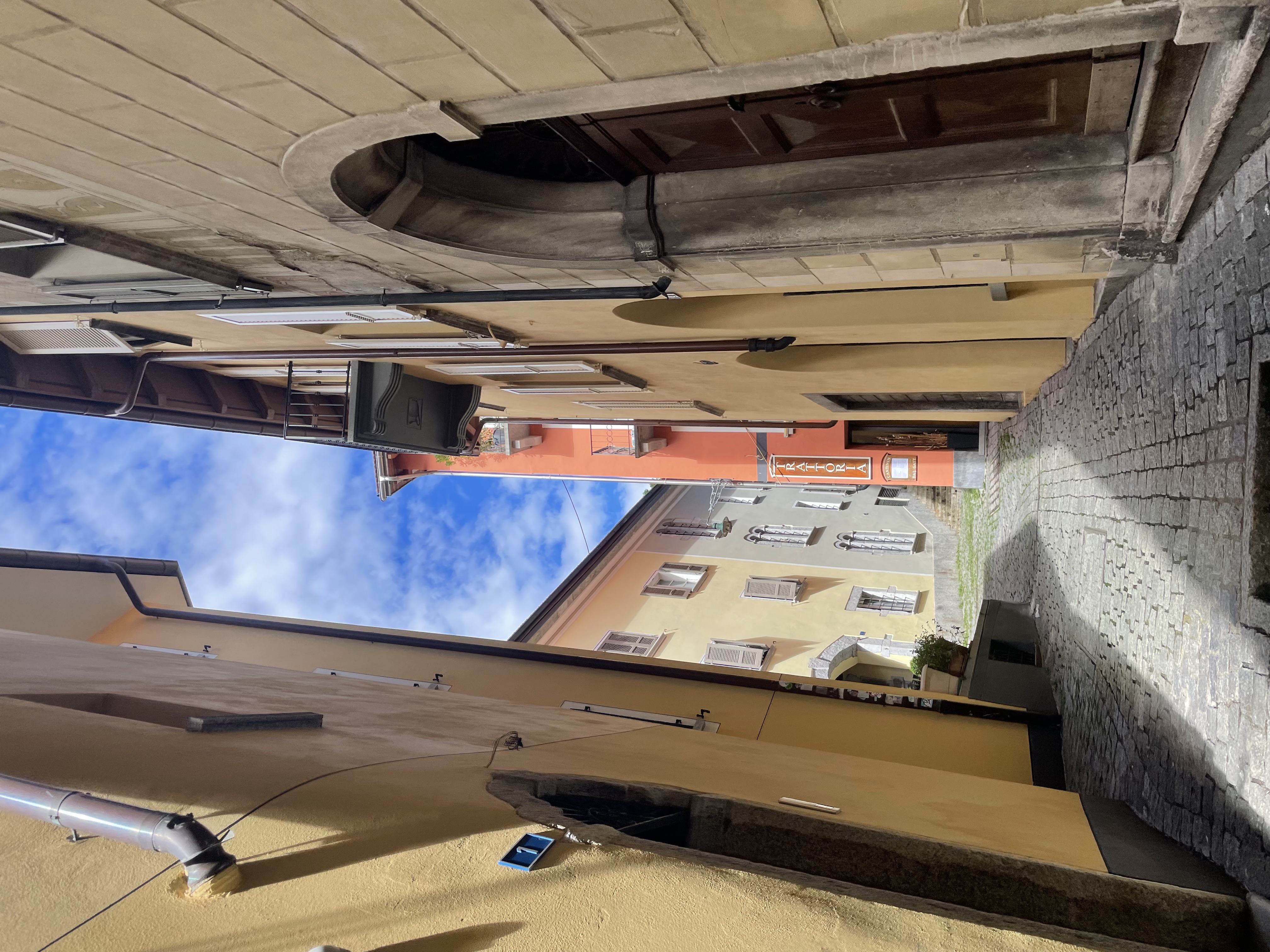
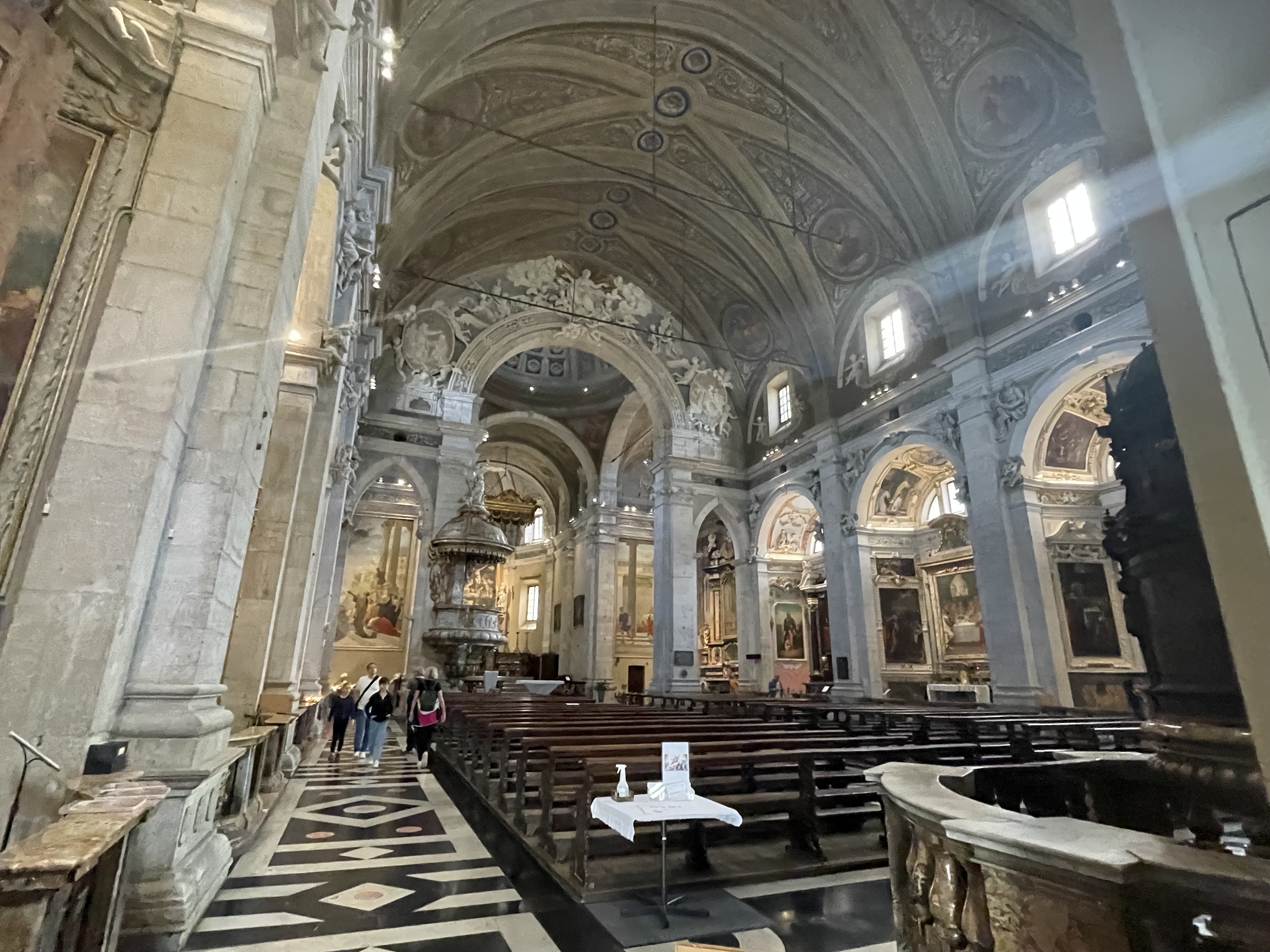
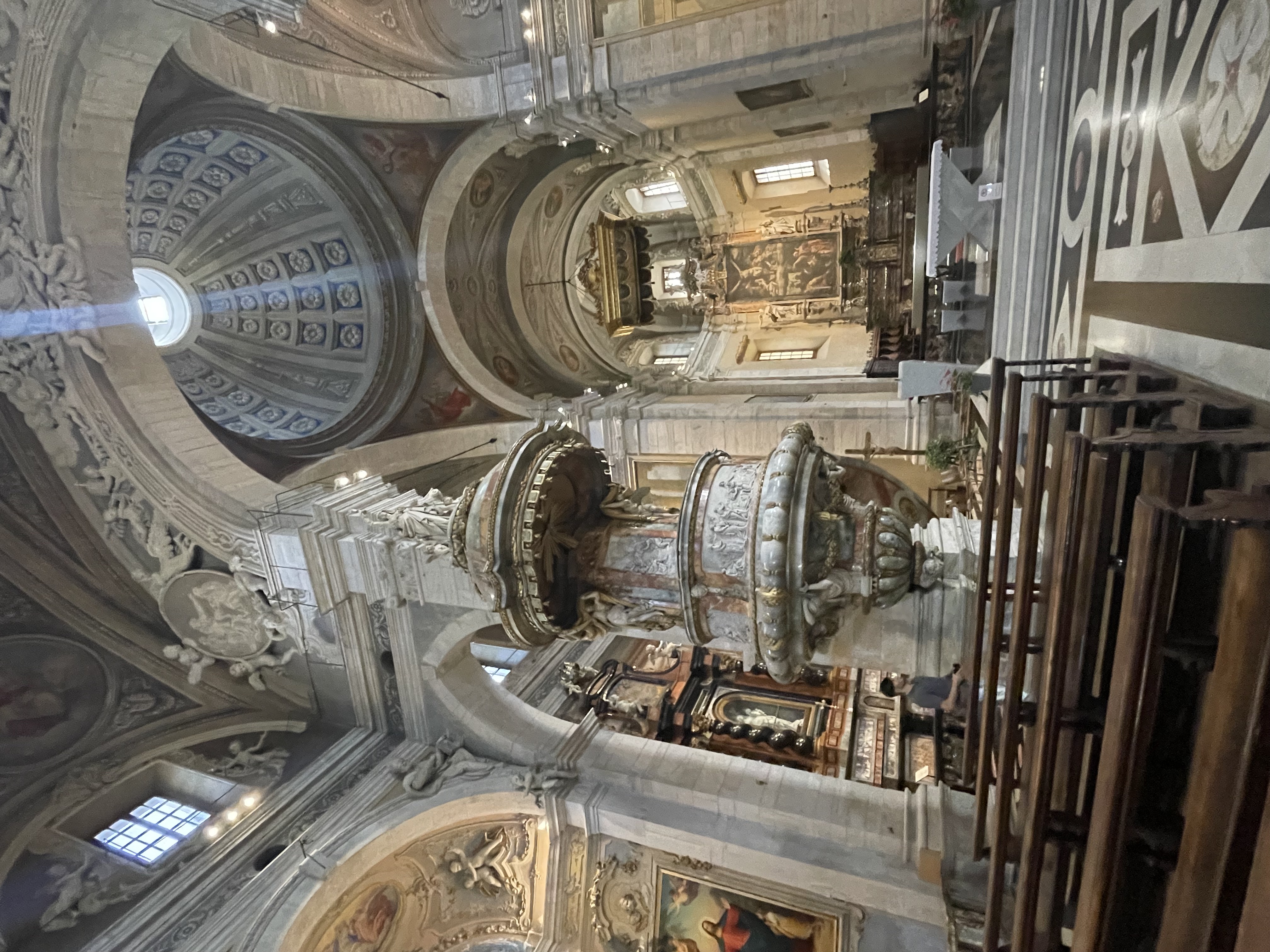
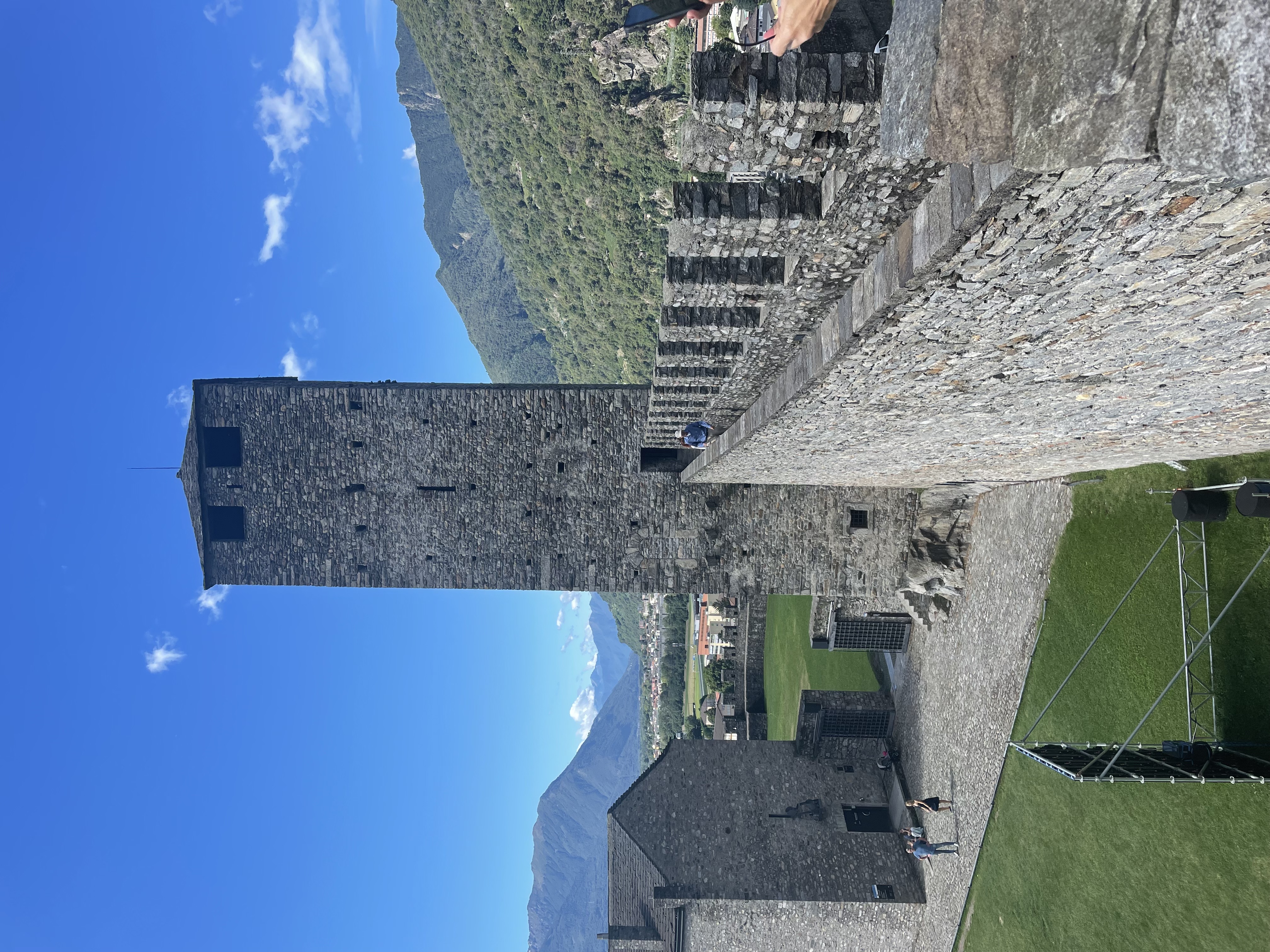
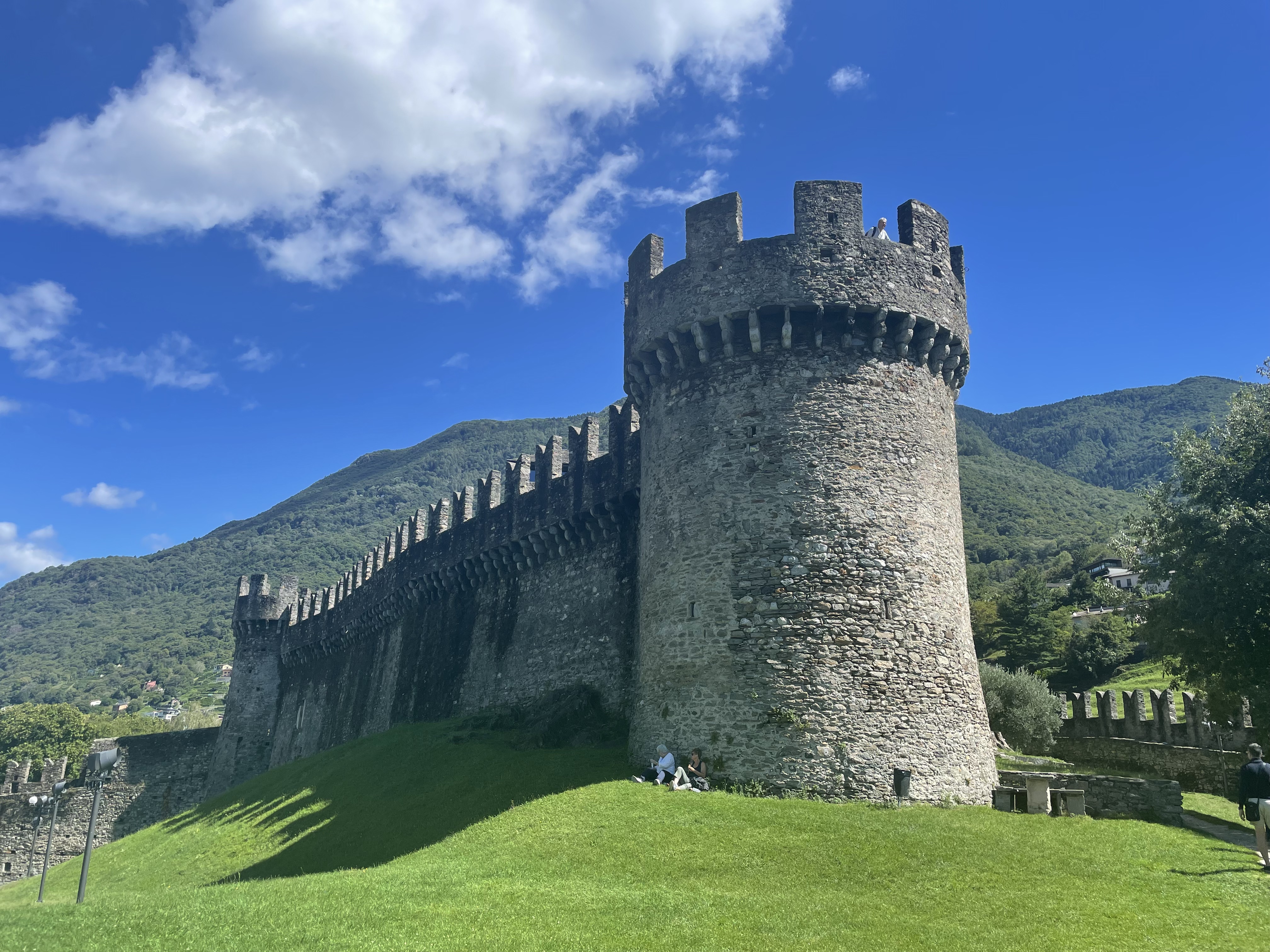
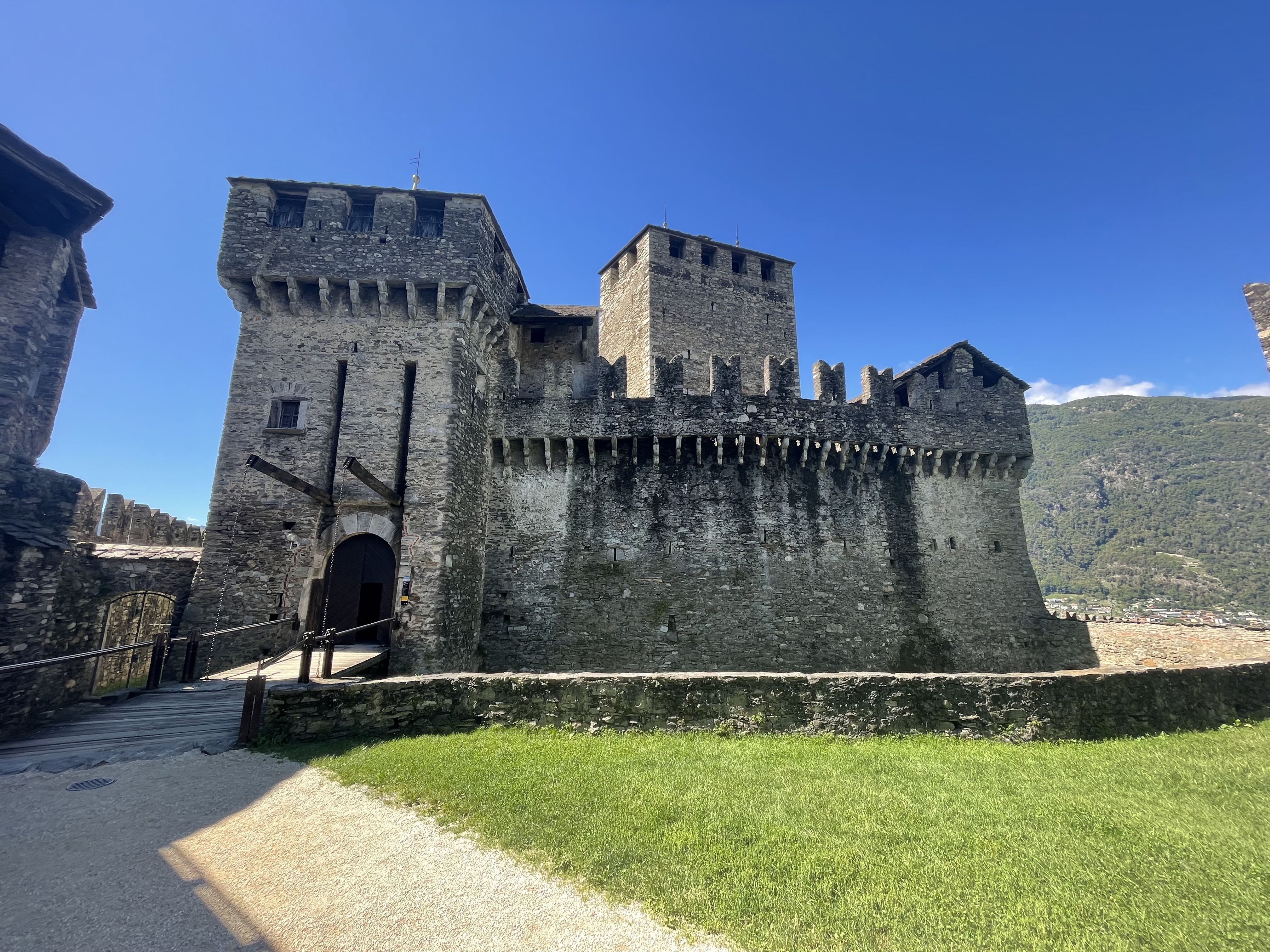
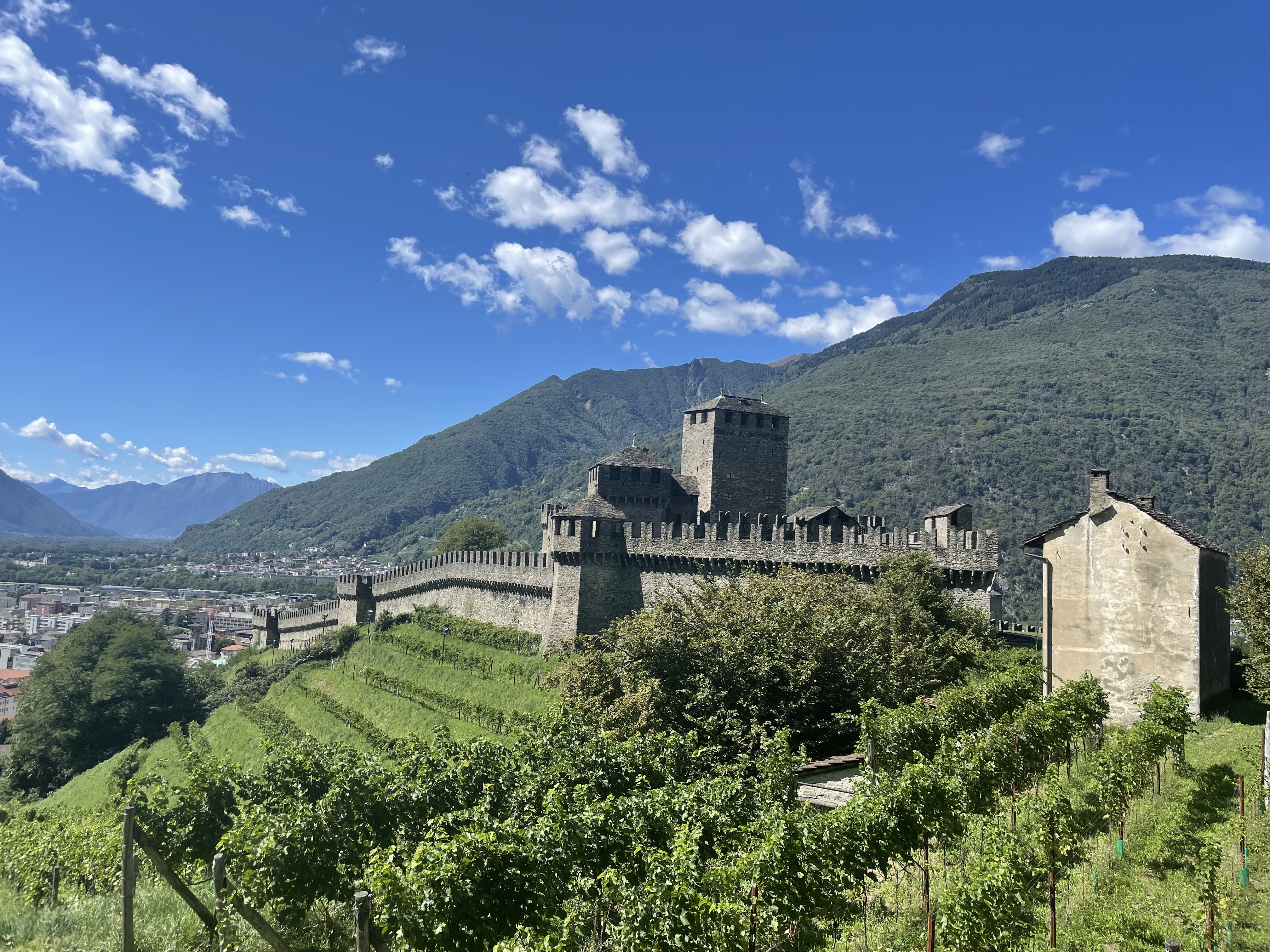
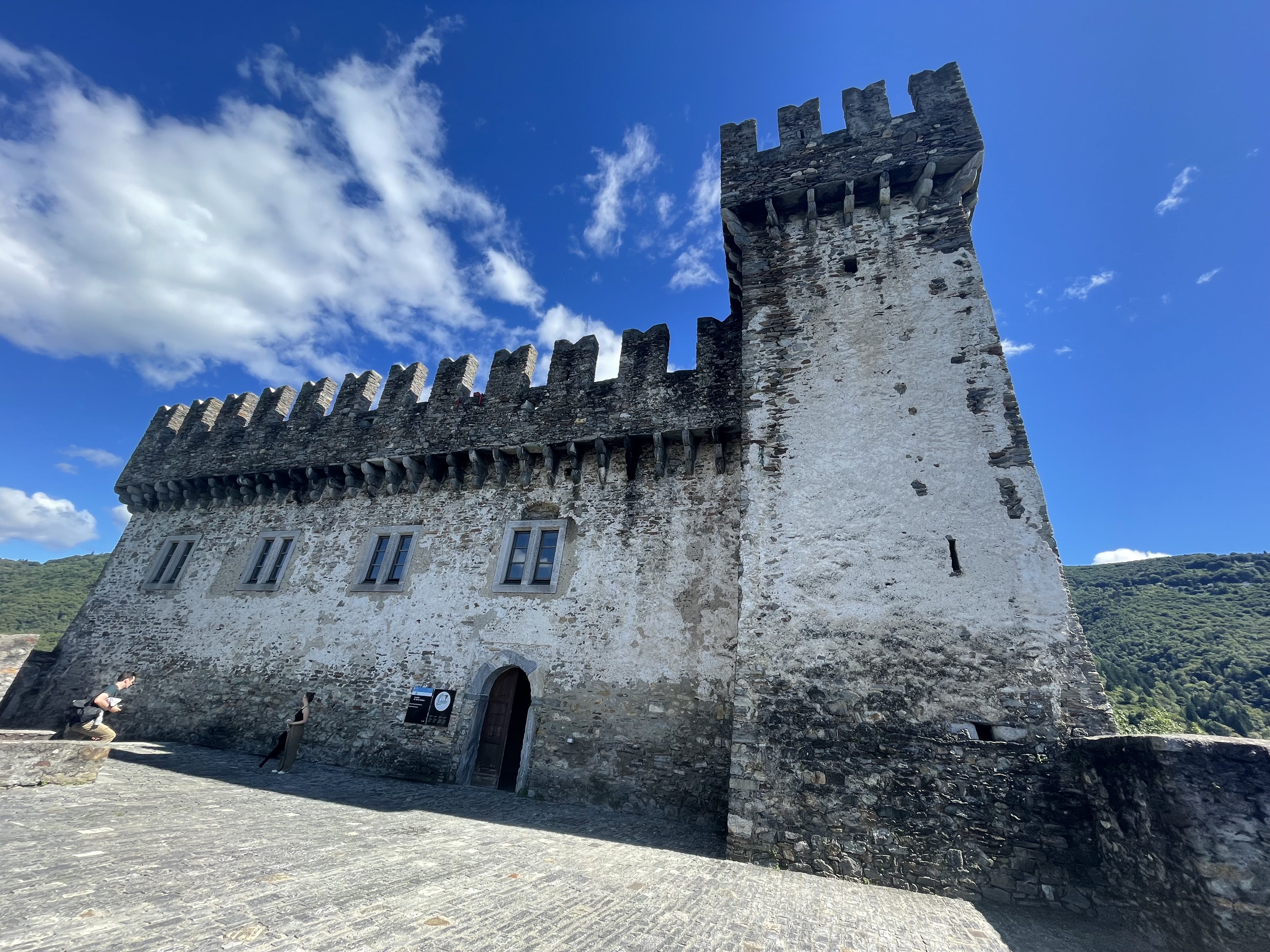
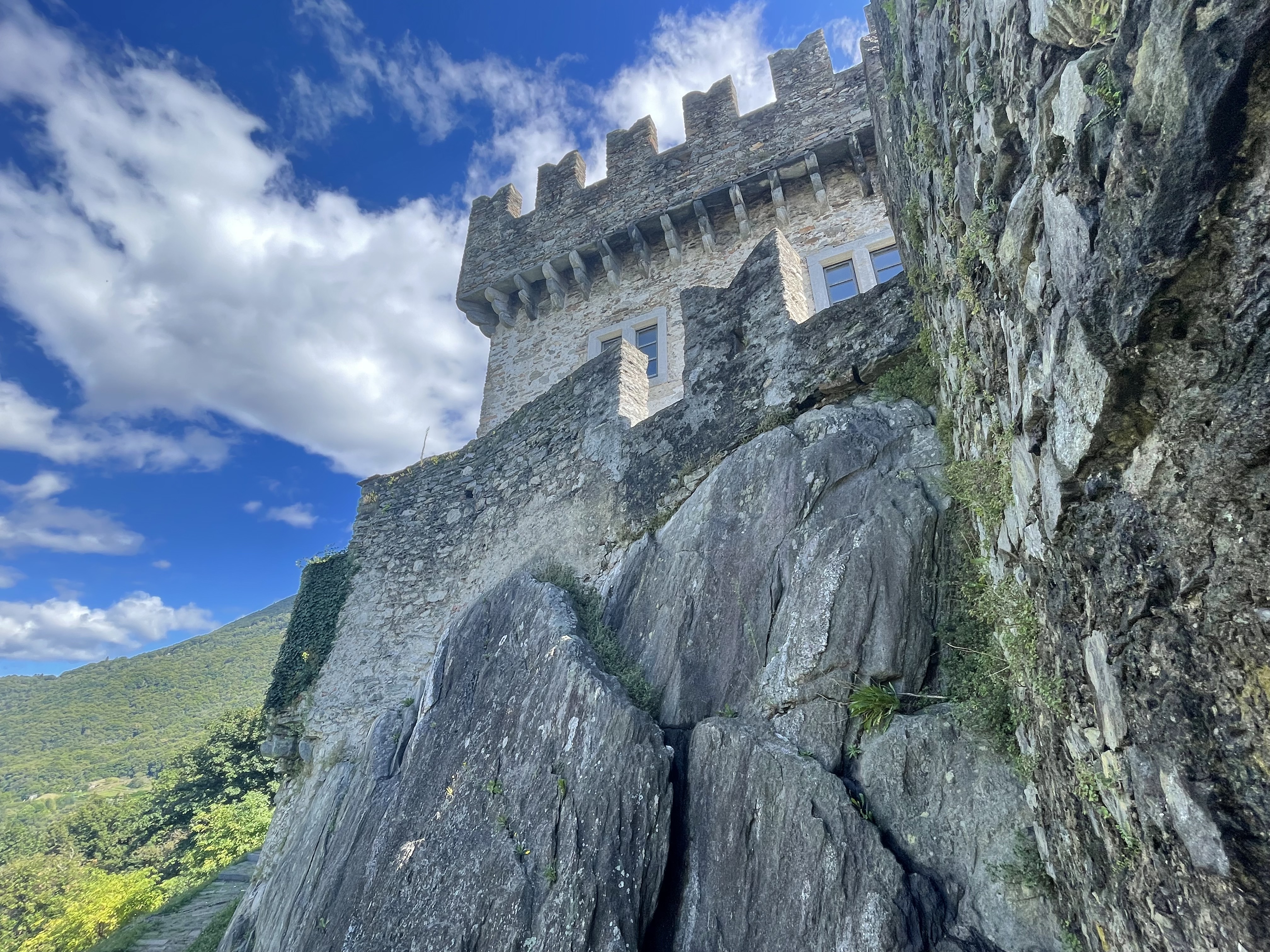
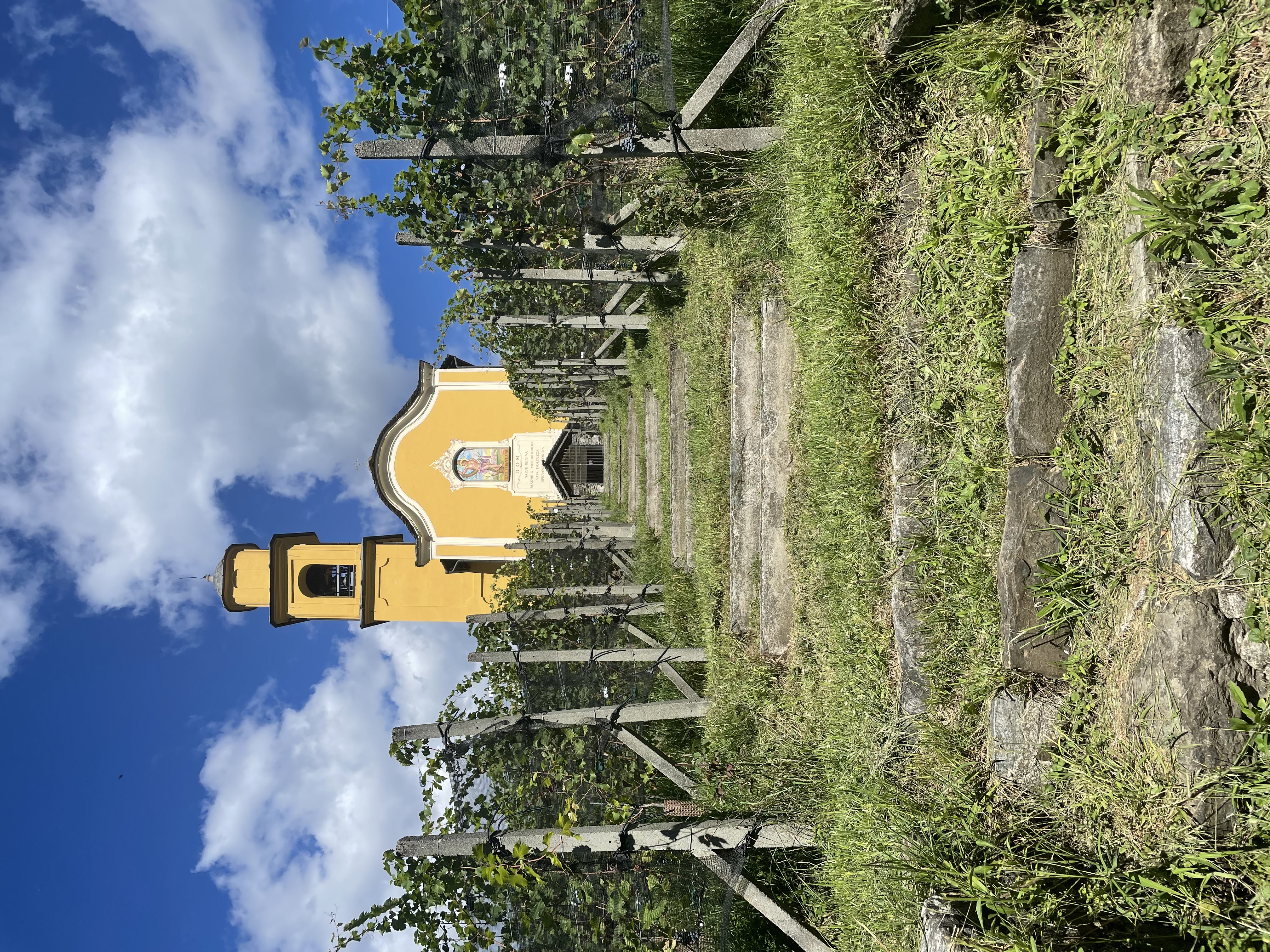
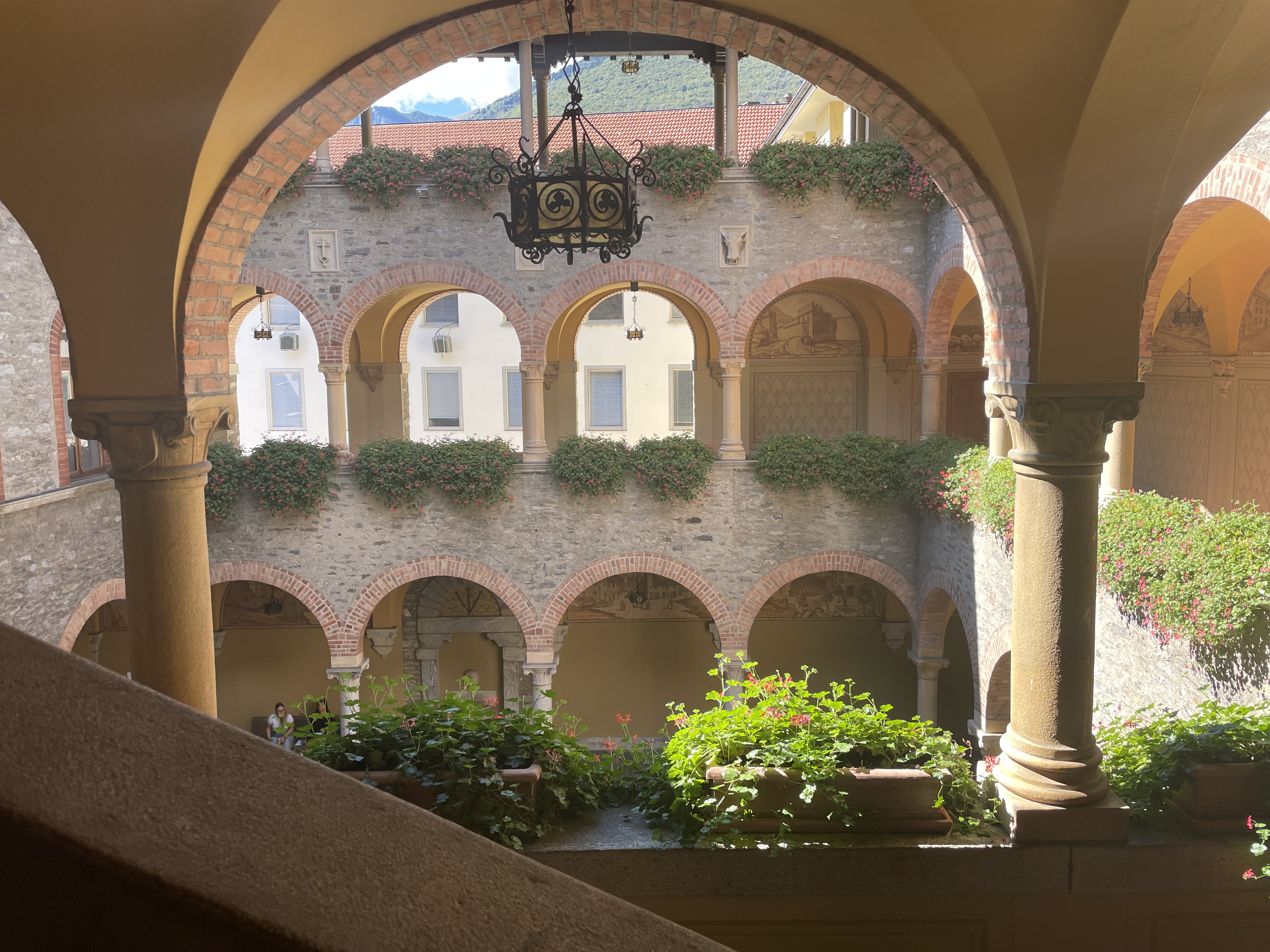
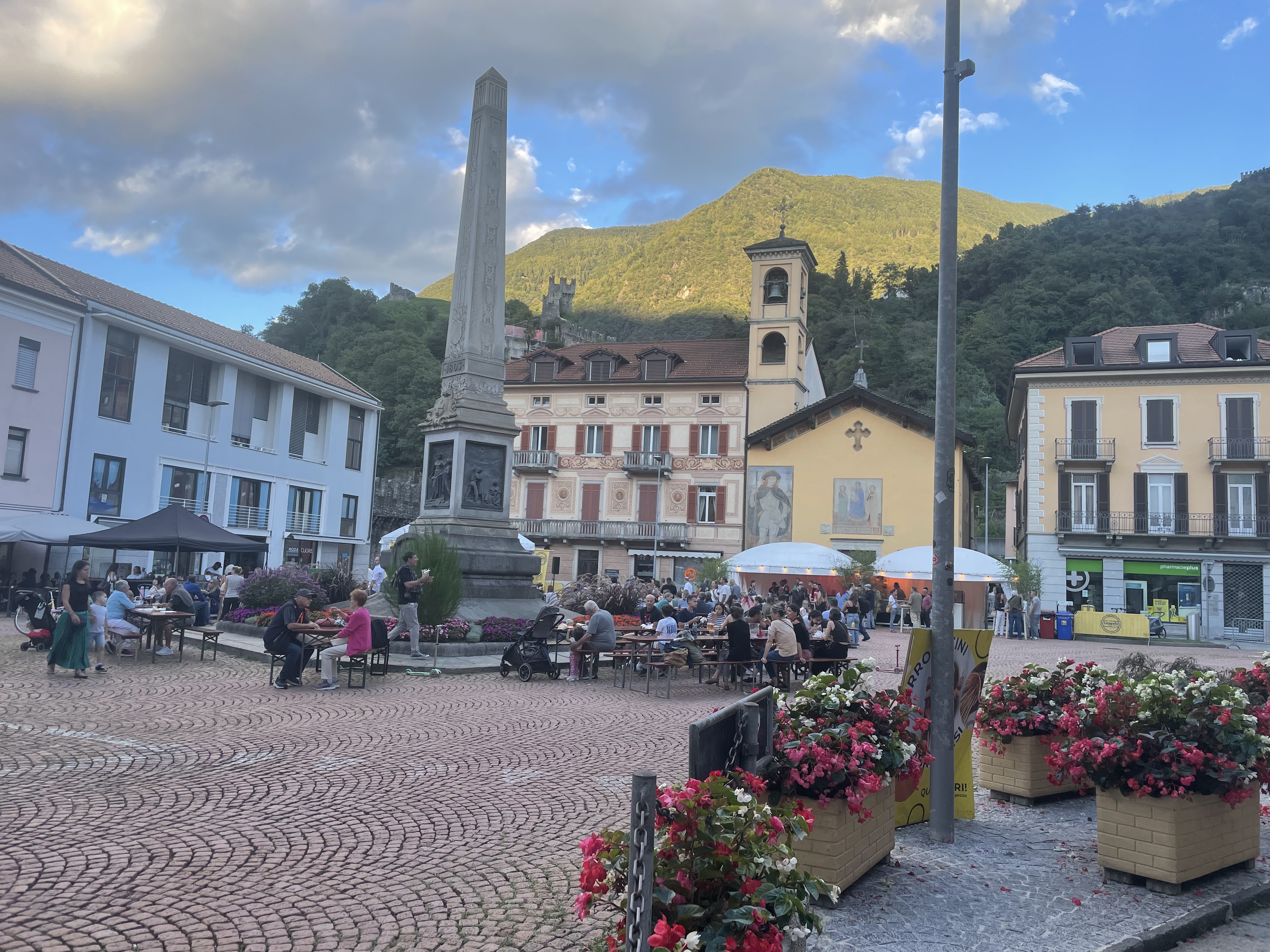
<p>Further south, I stopped in Bellinzona, where three medieval castles, Castelgrande, Montebello, and Sasso Corbaro, rise like stone guardians above the valley floor. Their walls curl across ridges, stitched into the landscape as if the earth itself once demanded fortification.</p>

<p>Climbing their towers, I felt time stretch: centuries of conflict and defense distilled into thick stone, now standing as quiet heritage. From the ramparts, tiled roofs and winding streets spread below, the Ticino river shimmering in the distance. The castles whispered lessons about resilience: how societies guard what matters, how endurance is built.</p>

<div style="display: flex; justify-content: center; gap: 20px; margin: 20px 0; max-width: 600px;">
  <figure style="margin: 0; line-height: 1.2; width: 100%;">
    <img src="/assets/images/swissblog3/IMG_2321.jpeg" alt="IMG 2321" style="width: 100%; margin-bottom: 2px;" />
  </figure>
</div>

<div style="display: flex; justify-content: center; gap: 20px; margin: 20px 0; max-width: 600px;">
  <figure style="margin: 0; line-height: 1.2; width: 45%;">
    <img src="/assets/images/swissblog3/IMG_2274.jpeg" alt="IMG 2274" style="width: 100%; margin-bottom: 2px;" />
  </figure>
  <figure style="margin: 0; line-height: 1.2; width: 45%;">
    <img src="/assets/images/swissblog3/IMG_2283.jpeg" alt="IMG 2283" style="width: 100%; margin-bottom: 2px;" />
  </figure>
</div>

<div style="display: flex; justify-content: center; gap: 20px; margin: 20px 0; max-width: 600px;">
  <figure style="margin: 0; line-height: 1.2; width: 45%;">
    <img src="/assets/images/swissblog3/IMG_2289.jpeg" alt="IMG 2289" style="width: 100%; margin-bottom: 2px;" />
  </figure>
  <figure style="margin: 0; line-height: 1.2; width: 45%;">
    <img src="/assets/images/swissblog3/IMG_2301.jpeg" alt="IMG 2301" style="width: 100%; margin-bottom: 2px;" />
  </figure>
</div>

<div style="display: flex; justify-content: center; gap: 20px; margin: 20px 0; max-width: 600px;">
  <figure style="margin: 0; line-height: 1.2; width: 45%;">
    <img src="/assets/images/swissblog3/IMG_2304.jpeg" alt="IMG 2304" style="width: 100%; margin-bottom: 2px;" />
  </figure>
  <figure style="margin: 0; line-height: 1.2; width: 45%;">
    <img src="/assets/images/swissblog3/IMG_2348.jpeg" alt="IMG 2348" style="width: 100%; margin-bottom: 2px;" />
  </figure>
</div>

<div style="display: flex; justify-content: center; gap: 20px; margin: 20px 0; max-width: 600px;">
  <figure style="margin: 0; line-height: 1.2; width: 45%;">
    <img src="/assets/images/swissblog3/IMG_2390.jpeg" alt="IMG 2390" style="width: 100%; margin-bottom: 2px;" />
  </figure>
  <figure style="margin: 0; line-height: 1.2; width: 45%;">
    <img src="/assets/images/swissblog3/IMG_2396.jpeg" alt="IMG 2396" style="width: 100%; margin-bottom: 2px;" />
  </figure>
</div>

<div style="display: flex; justify-content: center; gap: 20px; margin: 20px 0; max-width: 600px;">
  <figure style="margin: 0; line-height: 1.2; width: 45%;">
    <img src="/assets/images/swissblog3/IMG_2399.jpeg" alt="IMG 2399" style="width: 100%; margin-bottom: 2px;" />
  </figure>
  <figure style="margin: 0; line-height: 1.2; width: 45%;">
    <img src="/assets/images/swissblog3/IMG_2406.jpeg" alt="IMG 2406" style="width: 100%; margin-bottom: 2px;" />
  </figure>
</div>

<div style="display: flex; justify-content: center; gap: 20px; margin: 20px 0; max-width: 600px;">
  <figure style="margin: 0; line-height: 1.2; width: 45%;">
    <img src="/assets/images/swissblog3/IMG_2415.jpeg" alt="IMG 2415" style="width: 100%; margin-bottom: 2px;" />
  </figure>
  <figure style="margin: 0; line-height: 1.2; width: 45%;">
    <img src="/assets/images/swissblog3/IMG_2423.jpeg" alt="IMG 2423" style="width: 100%; margin-bottom: 2px;" />
  </figure>
</div>

<div style="display: flex; justify-content: center; gap: 20px; margin: 20px 0; max-width: 600px;">
  <figure style="margin: 0; line-height: 1.2; width: 45%;">
    <img src="/assets/images/swissblog3/IMG_2447.jpeg" alt="IMG 2447" style="width: 100%; margin-bottom: 2px;" />
  </figure>
  <figure style="margin: 0; line-height: 1.2; width: 45%;">
    <img src="/assets/images/swissblog3/IMG_2464.jpeg" alt="IMG 2464" style="width: 100%; margin-bottom: 2px;" />
  </figure>
</div>

<h3 id="running-while-the-world-moves">Running While the World Moves</h3>

<p>From Brigels to Sorënberg to Bellinzona, I carried a rhythm: running trails, pausing at thresholds, listening for echoes of endurance. By the time I arrived in Ascona, I was ready to shift inward.</p>

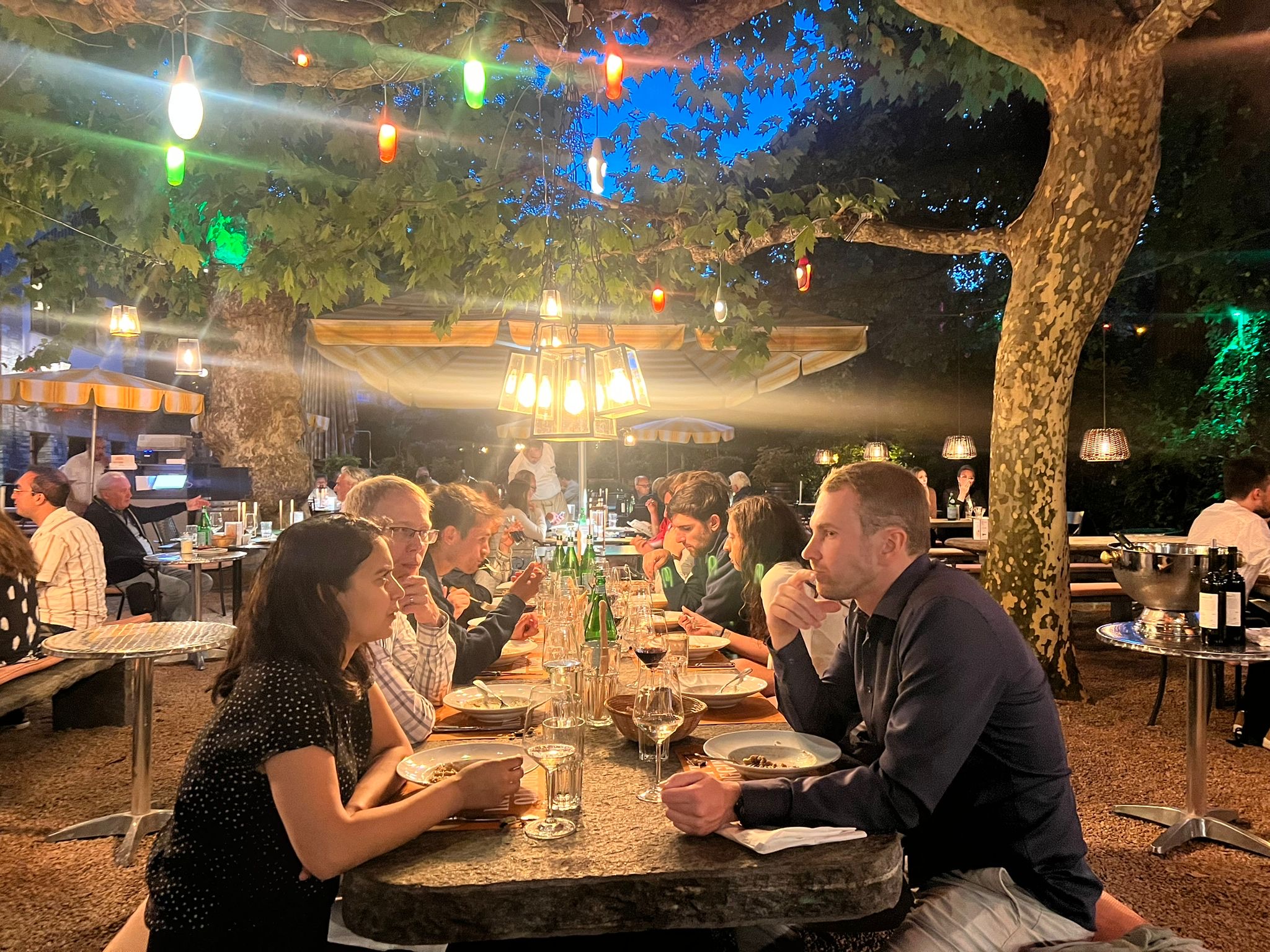
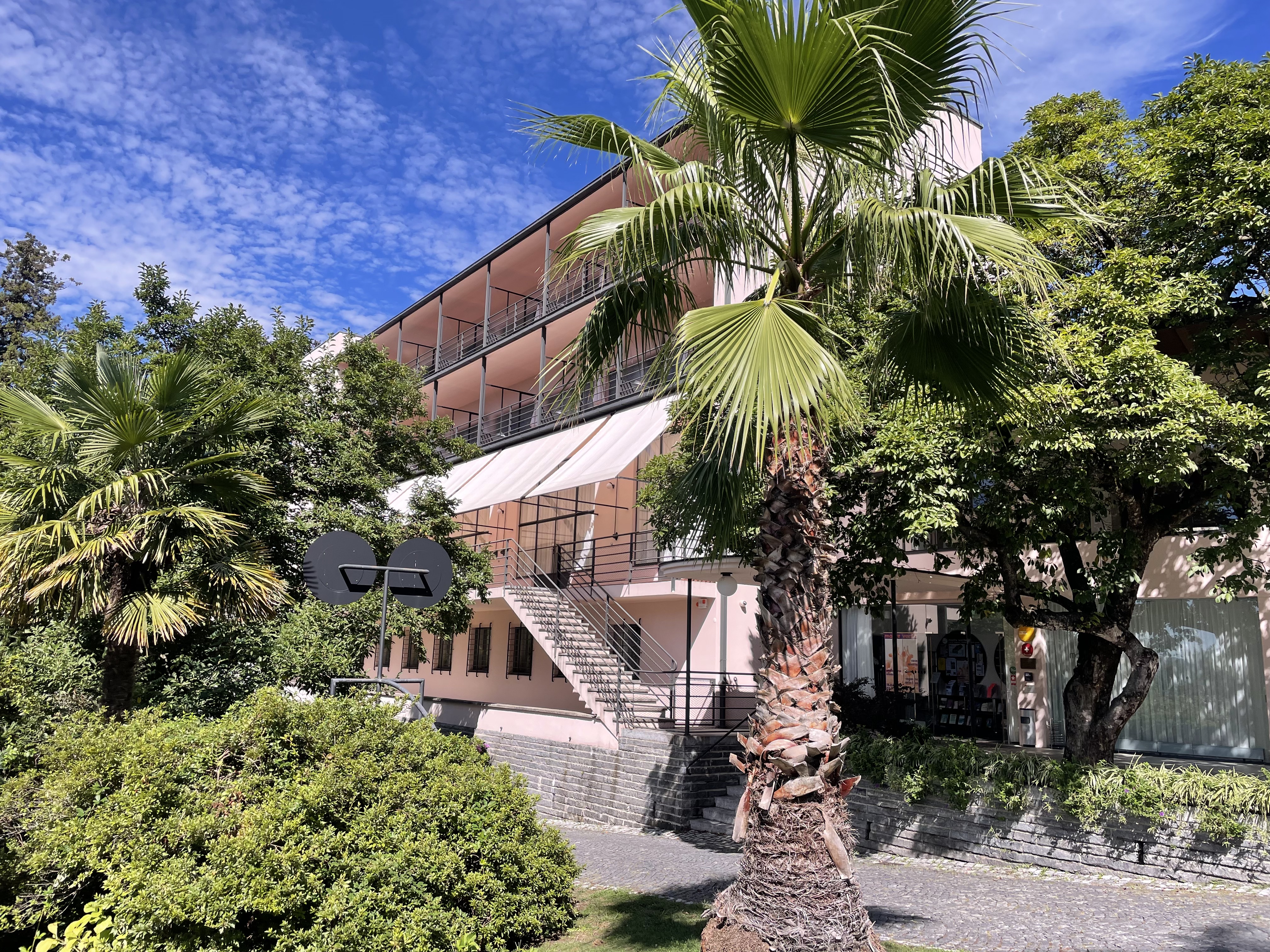
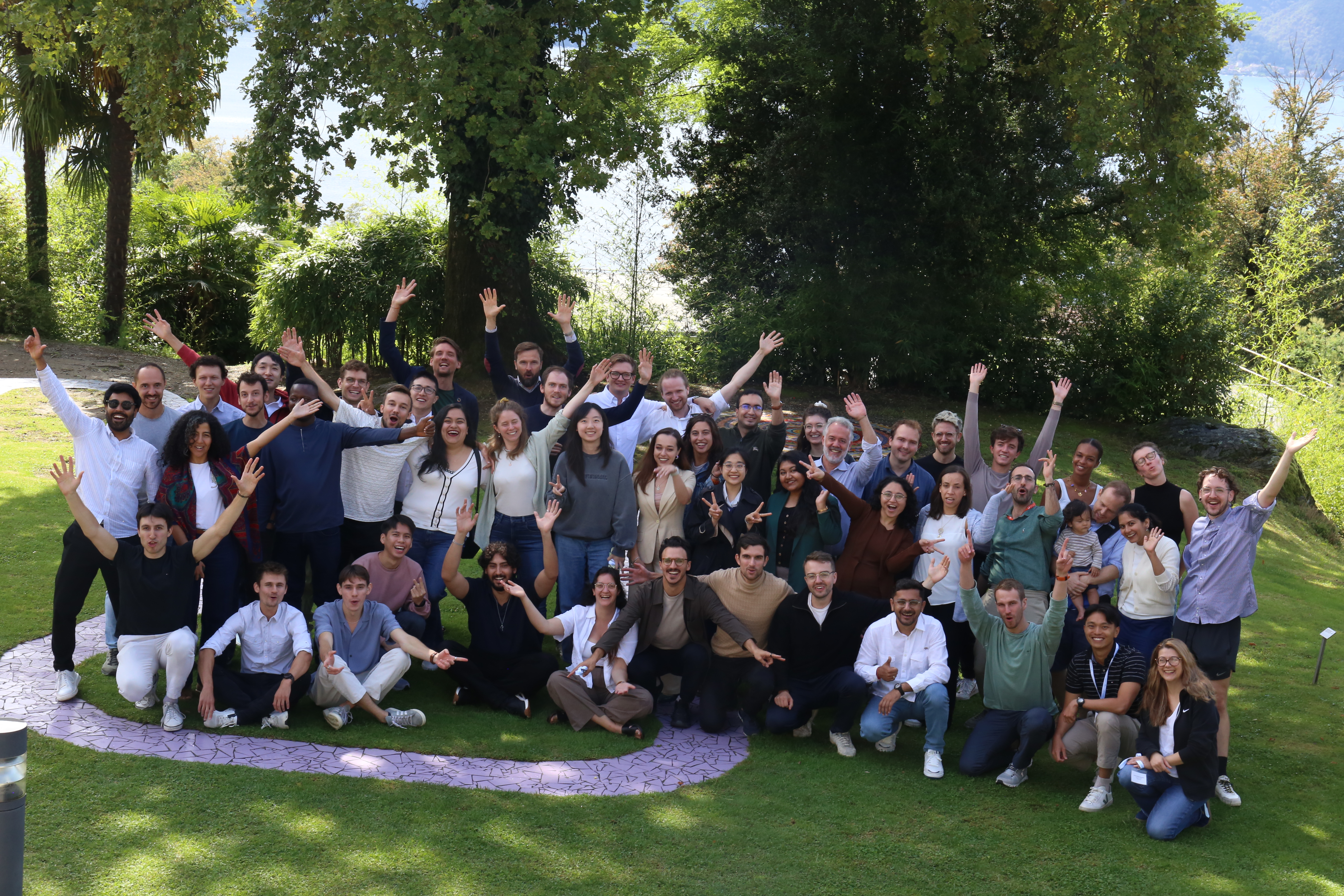
<p>There, at Monte Verità, I joined the ETH Energy Science Center Summer School Navigating the Energy Transition in an Insecure World.</p>

<p>We gathered as early-stage researchers: engineers, social scientists, policy thinkers. Over lectures, workshops, and long debates over coffee, we asked questions that felt both urgent and immense: How do we secure energy in a world of climate chaos and geopolitical fissures? What systems, what technologies, what policies, what ethics will get us there? We were surrounded by ideas, by urgency, by the possibility that thinking together might make a difference.</p>

<div style="display: flex; justify-content: center; gap: 20px; margin: 20px 0; max-width: 600px;">
  <figure style="margin: 0; line-height: 1.2; width: 100%;">
    <img src="/assets/images/swissblog3/51b6d0b2-5579-43fa-9a09-78a9e34f7617.jpeg" alt="IMG 1" style="width: 100%; margin-bottom: 2px;" />
  </figure>
</div>

<div style="display: flex; justify-content: center; gap: 20px; margin: 20px 0; max-width: 600px;">
  <figure style="margin: 0; line-height: 1.2; width: 45%;">
    <img src="/assets/images/swissblog3/IMG_2476.jpeg" alt="IMG 2476" style="width: 100%; margin-bottom: 2px;" />
  </figure>
  <figure style="margin: 0; line-height: 1.2; width: 45%;">
    <img src="/assets/images/swissblog3/IMG_2495.jpeg" alt="IMG 2495" style="width: 100%; margin-bottom: 2px;" />
  </figure>
</div>

<div style="display: flex; justify-content: center; gap: 20px; margin: 20px 0; max-width: 600px;">
  <figure style="margin: 0; line-height: 1.2; width: 45%;">
    <img src="/assets/images/swissblog3/IMG_2522.jpeg" alt="IMG 2498" style="width: 100%; margin-bottom: 2px;" />
  </figure>
  <figure style="margin: 0; line-height: 1.2; width: 45%;">
    <img src="/assets/images/swissblog3/IMG_2508.jpeg" alt="IMG 2508" style="width: 100%; margin-bottom: 2px;" />
  </figure>
</div>

<div style="display: flex; justify-content: center; gap: 20px; margin: 20px 0; max-width: 600px;">
  <figure style="margin: 0; line-height: 1.2; width: 45%;">
    <img src="/assets/images/swissblog3/IMG_2516.jpeg" alt="IMG 2516" style="width: 100%; margin-bottom: 2px;" />
  </figure>
  <figure style="margin: 0; line-height: 1.2; width: 45%;">
    <img src="/assets/images/swissblog3/IMG_2498.jpeg" alt="IMG 2522" style="width: 100%; margin-bottom: 2px;" />
  </figure>
</div>

<div style="display: flex; justify-content: center; gap: 20px; margin: 20px 0; max-width: 600px;">
  <figure style="margin: 0; line-height: 1.2; width: 100%;">
    <img src="/assets/images/swissblog3/EnergySummerSchool2025_108.JPG" alt="Energy Summer School 2025" style="width: 100%; margin-bottom: 2px;" />
  </figure>
</div>

<h3 id="where-worlds-mirror">Where Worlds Mirror</h3>

<p>There is something I realized, watching the cows descend in Brigels, walking the quiet streets of Sorënberg, balancing along its ridge, standing on the walls of Bellinzona, and sitting in seminars about transitions and resilience: all of them deal with passage, endurance, and thresholds.</p>

<p>The cows descend after summer, after grazing, after exposure, after being high above. Their descent is necessary, cyclical, expected, even joyous in ritual.</p>

<p>Sorënberg, quiet in its biosphere reserve, showed me how landscapes themselves pace resilience: slow growth, steady rhythms, the humility of living within limits.</p>

<p>The ridge above Sorënberg taught me balance: the precarious act of walking a line between valleys, like navigating between futures.</p>

<p>The castles of Bellinzona speak of centuries of guarding and adaptation: fortifications that once divided now endure as heritage, reminders of resilience in uncertain times.</p>

<p>In Ascona, we spoke of energy systems that must descend too: from high emission, resource-wasting modes to lower carbon, more distributed, more equitable forms.</p>

<p>And within myself, I too crossed a threshold: passing my PhD comprehensive exam, the slow ascent of years of study giving way to a new stage of research, uncertainty, and creation.</p>

<p>The bells of Brigels, the silence of Sorënberg, the ridge winds above it, the walls of Bellinzona, the voices in Ascona, the stillness after reading my exam results — they all rang with the same clarity: a transition had occurred.</p>

<h3 id="lessons-from-hills-villages-ridges-castles-lecture-halls-and-the-exam-room">Lessons from Hills, Villages, Ridges, Castles, Lecture Halls, and the Exam Room</h3>

<p>Running through Brigels taught me to notice small things: the way light breaks through pine needles, the pattern of hoofprints in soft earth, the shift in temperature when crossing a ridge. Sorënberg taught me patience: how quiet places teach resilience without spectacle. Its ridge taught me balance, the art of holding two perspectives at once. Bellinzona taught me that resilience is built stone by stone, wall by wall, often invisibly until the test comes. In Ascona, I learned to notice system patterns: how policy dialogues shape what counts as secure energy; how innovation is not just technology but institutions and trust; how resilience requires humility as much as design. And in the quiet aftermath of my exam, I learned that milestones are less a peak than a doorway: you walk through, carrying both pride and responsibility.</p>

<p>I came away believing that transitions — whether of cows returning from alpine heights, villages resting in silence, ridges demanding balance, castles standing guard across centuries, energy systems shifting toward the future, or PhD students moving deeper into their work — must be rooted in landscape, in people, in rhythm. That you can’t force them; you can’t speed them up without breaking something. That descent without ceremony is impoverished, and ascent without purpose is hollow.</p>

<h3 id="looking-ahead">Looking Ahead</h3>

<p>Now I sit again in London, my time here already fleeting. The rush of the city will soon carry me elsewhere, but I hold in me the clang of cowbells, the hush of Sorënberg forests, the wind of its ridge, the weight of stone walls, and equations of energy policy in my notebook. Switzerland lingers even here, in the heart of London’s tempo, reminding me that transitions — whether of cows, castles, energy systems, or PhDs — move with rhythm, ceremony, and patience, no matter the city around you. Stories from London and an Oct. full of travels are yet to come…</p>

<p>Cheerio,</p>
<ul>
  <li>Jasmine</li>
</ul>]]></content><author><name>Jasmine</name></author><summary type="html"><![CDATA[Hiya, from across the pond!]]></summary></entry><entry><title type="html">Power, Peaks, and a Pioneering Spirit</title><link href="https://jasminegarland.github.io/TMB" rel="alternate" type="text/html" title="Power, Peaks, and a Pioneering Spirit" /><published>2025-08-26T03:00:00+00:00</published><updated>2025-08-26T03:00:00+00:00</updated><id>https://jasminegarland.github.io/TMB</id><content type="html" xml:base="https://jasminegarland.github.io/TMB"><![CDATA[<p>Grüezi! Bonjour! Ciao!</p>

<p>These are the voices that drift along the <strong>Tour du Mont Blanc</strong>, where trails cross borders as easily as greetings. The past few weeks have been all-encompassing—long days in the lab with the <strong>Speed2Zero project</strong>, followed by longer days in the mountains. Slowly, Switzerland is beginning to feel like a home woven from both science and summits, a place balanced between research and ridgelines, equations and endurance.</p>

<p>Shall we begin?</p>

<h3 id="understanding-and-preparing-the-swiss-electricity-system-for-climate-extremes">Understanding and Preparing the Swiss Electricity System for Climate Extremes</h3>

<p>Switzerland’s electricity system is often hailed as one of the cleanest, most reliable, and most interconnected in Europe. But beneath the surface of this alpine energy success story lies a grid that is increasingly being tested—not just by the push toward decarbonization, but by the deepening effects of climate change.</p>

<p>This post explores how the Swiss electricity grid works, the technical complexities of its hydropower-reliant portfolio, and how my research is helping to prepare for a future where extreme weather events may become the norm. For readers curious about how energy, climate, and policy intersect in a small but central European country, read on.</p>

<hr />

<h2 id="the-backbone-of-swiss-electricity-hydropower">The Backbone of Swiss Electricity: Hydropower</h2>

<p>Switzerland generates about <strong>55–60% of its electricity from hydropower</strong>, leveraging its mountainous terrain and glacially-fed rivers. There are two main types of hydro plants:</p>

<ul>
  <li><strong>Run-of-river plants</strong> produce electricity as water flows through them, with little or no storage capacity.</li>
  <li><strong>Reservoir-based hydropower</strong> stores water in alpine lakes (often at altitudes above 1,000 meters), allowing flexible dispatch to meet peak demand or provide reserve capacity.</li>
</ul>

<p>Switzerland also operates a small number of <strong>pumped storage hydropower plants</strong>, which act like giant batteries. During periods of excess electricity (e.g., solar overproduction), water is pumped uphill to a reservoir. When demand spikes, that water is released back down to generate power. Major facilities include the Linth-Limmern and Grande Dixence systems.</p>

<p>Additionally, the country maintains <strong>strategic hydropower reserves</strong>, where select alpine reservoirs are held back to be dispatched only during emergency shortfalls. These reserves—around 500 GWh—are critical for winter reliability and grid security.</p>

<hr />

<h2 id="grid-connectivity-and-imports">Grid Connectivity and Imports</h2>

<p>Switzerland is not part of the European Union, but it plays a vital role in the <strong>Continental European synchronous grid</strong>, acting as a key transit country for power flows between France, Germany, and Italy. With over 40 interconnection points, the Swiss grid is among the most tightly integrated in Europe.</p>

<ul>
  <li>In <strong>winter</strong>, Switzerland is a <strong>net importer</strong> of electricity—typically around 5 TWh annually—relying on <strong>nuclear and imports</strong> from France and Germany.</li>
  <li>In <strong>summer</strong>, it often <strong>exports excess hydropower</strong> or stores imported surplus energy using pumped hydro.</li>
</ul>

<p>Swissgrid, the national transmission operator, ensures this delicate balance with real-time monitoring, forecasting tools, and contractual arrangements with European neighbors. However, Switzerland’s exclusion from the EU electricity market agreement since 2021 adds legal uncertainty to long-term import reliability.</p>

<hr />

<h2 id="the-20222023-energy-crisis-a-wake-up-call">The 2022–2023 Energy Crisis: A Wake-Up Call</h2>

<p>During the drought of 2022, Switzerland experienced:</p>

<ul>
  <li><strong>Record low reservoir levels</strong> due to snowpack melt and prolonged dry periods.</li>
  <li><strong>Nuclear outages in France</strong> and reduced German exports due to the Russia-Ukraine war.</li>
  <li><strong>Worries about winter blackouts</strong>, leading the Swiss government to activate emergency measures, including the installation of backup gas turbines and contracts with large industrial consumers for demand reductions.</li>
</ul>

<p>The Swiss Federal Office of Energy (SFOE) published a <strong>Winter Energy Reserve Plan</strong>, which included:</p>

<ul>
  <li>Activation of <strong>strategic hydropower reserves</strong> (roughly 500 GWh held in alpine lakes).</li>
  <li>Creation of <strong>infrastructure for gas-based emergency generation</strong>.</li>
  <li>Negotiations with neighboring countries for emergency capacity.</li>
  <li>Incentives for voluntary electricity savings across residential and industrial sectors.</li>
</ul>

<p>This situation underscored how even robust systems can be vulnerable to compound climate and geopolitical shocks. It also sparked renewed interest in enhancing resilience without compromising environmental goals.</p>

<hr />

<h2 id="a-grid-under-climate-pressure">A Grid Under Climate Pressure</h2>

<p>Looking ahead, <strong>climate change poses systemic challenges</strong>:</p>

<ul>
  <li><strong>Glacier retreat</strong> and shifting precipitation could reduce annual water inflows and alter seasonal availability.</li>
  <li><strong>Heatwaves and droughts</strong> strain generation, increase cooling loads, and reduce river flow for hydro plants.</li>
  <li><strong>Persistent cloud cover and calm wind conditions</strong> (“dunkelflaute”) reduce renewable availability.</li>
  <li><strong>Public resistance</strong> to new transmission infrastructure and pumped storage limits capacity expansion.</li>
</ul>

<p>Moreover, Switzerland’s decentralized energy governance, with strong cantonal autonomy, means that infrastructure planning must align with both technical needs and local social acceptance.</p>

<p>Despite these risks, <strong>most energy models still use average climate inputs</strong> or optimistic scenarios. This creates blind spots in long-term planning and fails to capture the full spectrum of plausible disruptions.</p>

<hr />

<h2 id="my-research-climate-resilience-stress-testing-for-the-swiss-grid">My Research: Climate Resilience Stress Testing for the Swiss Grid</h2>

<p>My work at ETH Zurich focuses on evaluating how the Swiss electricity system would perform under a set of <strong>physically plausible climate extreme scenarios</strong>, using high-resolution meteorological data and power system models:</p>

<ol>
  <li><strong>Multi-year droughts</strong> with below-average reservoir inflows and low hydropower generation.</li>
  <li><strong>Extreme cold spells</strong> with surging winter heating demand and reduced imports.</li>
  <li><strong>Compound events</strong>—such as simultaneous heatwaves, wildfire smoke reducing solar output, and geopolitical supply disruptions.</li>
</ol>

<p>Through scenario-based modeling, I analyze:</p>

<ul>
  <li><strong>Power flow feasibility</strong> and potential transmission bottlenecks.</li>
  <li><strong>Role of pumped storage</strong> and fast-ramping generation in system balancing.</li>
  <li><strong>Risk of supply shortfalls</strong> and the effectiveness of hydropower reserves.</li>
  <li><strong>Tradeoffs between ecological conservation and dispatch optimization</strong>.</li>
</ul>

<p>My goal is to design <strong>stress-test frameworks</strong> that power system planners can use to prepare for tail-risk events—those that are low-probability but high-impact. These frameworks blend climate science, operational modeling, and system optimization to improve decision-making under deep uncertainty.</p>

<hr />

<h2 id="the-other-peaks-running-into-the-mountains">The Other Peaks: Running Into the Mountains</h2>

<p>Research has kept me close to screens and simulation models, but Switzerland has a way of pulling you outdoors. The same mountains that define its energy system have also defined my time here.</p>

<h2 id="part-ii-motion-in-the-mountains">Part II: Motion in the Mountains</h2>

<p>If the lab gives me clarity of thought, the mountains give me clarity of being. They have become the second half of my time in Switzerland—where ideas leave the page and are tested against rock, snow, and air.</p>

<p>Swiss National Day is celebrated on Aug. 1st, which commemorates the Federal Charter of 1291. To celebrate the long weekend, I rode the train to St. Moritz, which has hosted the Winter Olympics twice. Here, I laced my running shoes alone and set out running into the Engadin valley and up in the nearby mountains, I did not get to many photos given the rain, but it was a grounding experience. The rain fell light and steady all weekend, misting the larches and softening the trail until it felt like I was moving through a watercolor painting. Then one day, this mist I wore like a cloak turned to hail and lightening. While being caught in a lightening storm in the alps was not something I planned, I took cover in a nearby rufugee, until the storm passed. Then set out again with a little more adrenline fueling this run! Overall, solitude had its own rhythm there: footsteps against wet earth, breath visible in the cool air, the sharp quiet broken only by the bell of a distant cow.</p>

<div style="display: flex; justify-content: center; gap: 20px; margin: 20px 0; max-width: 600px;">
  <figure style="margin: 0; line-height: 1.2; width: 100%;">
    <img src="/assets/images/swissblog2/mortiz.jpg" alt="St. Moritz landscape" style="width: 100%; margin-bottom: 2px;" />
    <figcaption style="font-size: 0.55em; text-align: center; color: #666; margin-top: 2px;">
      St. Moritz running trails
    </figcaption>
  </figure>
</div>
<div style="display: flex; justify-content: center; gap: 20px; margin: 20px 0; max-width: 600px;">
  <figure style="margin: 0; line-height: 1.2; width: 45%;">
    <img src="/assets/images/swissblog2/mortiz2.jpg" alt="running trails" style="width: 100%; margin-bottom: 2px;" />
    <figcaption style="font-size: 0.55em; text-align: center; color: #666; margin-top: 2px;">
      Mountain running
    </figcaption>
  </figure>
  <figure style="margin: 0; line-height: 1.2; width: 45%;">
    <img src="/assets/images/swissblog2/mortiz3.jpg" alt="Alpine scenery" style="width: 100%; margin-bottom: 2px;" />
    <figcaption style="font-size: 0.55em; text-align: center; color: #666; margin-top: 2px;">
      Alpine views
    </figcaption>
  </figure>
</div>
<div style="display: flex; justify-content: center; gap: 20px; margin: 20px 0; max-width: 600px;">
  <figure style="margin: 0; line-height: 1.2; width: 100%;">
    <img src="/assets/images/swissblog2/mortiz4.jpg" alt="trail running" style="width: 100%; margin-bottom: 2px;" />
    <figcaption style="font-size: 0.55em; text-align: center; color: #666; margin-top: 2px;">
      Trail running in the mist
    </figcaption>
  </figure>
</div>

<p>Later, the Power Systems Lab came together for a mountain weekend to do Spitzmeilen. These days were stitched with laughter, hikes, and long dinners where stories carried into the night. It reminded me that research communities are not only about ideas, but also about the bonds that form in wild, shared places. A lab of indiviudals from Switzerland, the U.S., India, Costa Rica, Germany, Italy, and France, drastically different lives but with more commonalities than differences.</p>

<div style="display: flex; justify-content: center; gap: 20px; margin: 20px 0; max-width: 600px;">
  <figure style="margin: 0; line-height: 1.2; width: 100%;">
    <img src="/assets/images/swissblog2/psl_grouppic.jpeg" alt="Power Systems Lab group" style="width: 100%; margin-bottom: 2px;" />
    <figcaption style="font-size: 0.55em; text-align: center; color: #666; margin-top: 2px;">
      Power Systems Lab Hiking Weekend
    </figcaption>
  </figure>
</div>

<p>The <strong>Tour du Mont Blanc</strong> was another test entirely. Over a few days I circled the white crown of the Alps, passing from Switzerland to Italy to France and back again. Nearly 170 kilometers and 10,000 meters of climbing: a pilgrimage of switchbacks, wildflowers, and morning light spilling down glacier valleys. Each day, the mountain demanded humility—through weather that shifted in an instant, through the power of long climbs, and through the awe of landscapes so vast they seemed to press time itself outward. Completeing TMB was something I had aspired to do for a long time, so that will be a highlight from my summer!</p>

<div style="display: grid; grid-template-columns: repeat(3, 1fr); gap: 10px; max-width: 900px; margin: 20px auto;">
  <figure style="margin: 0; line-height: 1.2;">
    <img src="/assets/images/swissblog2/tmb_self.jpeg" alt="TMB selfie" style="width: 100%; margin-bottom: 2px;" />
    <figcaption style="font-size: 0.55em; text-align: center; color: #666;">TMB adventure</figcaption>
  </figure>
  <figure style="margin: 0; line-height: 1.2;">
    <img src="/assets/images/swissblog2/tmb.jpeg" alt="Tour du Mont Blanc" style="width: 100%; margin-bottom: 2px;" />
    <figcaption style="font-size: 0.55em; text-align: center; color: #666;">Alpine trails</figcaption>
  </figure>
  <figure style="margin: 0; line-height: 1.2;">
    <img src="/assets/images/swissblog2/tmb2.jpeg" alt="Mountain scenery" style="width: 100%; margin-bottom: 2px;" />
    <figcaption style="font-size: 0.55em; text-align: center; color: #666;">Mountain vistas</figcaption>
  </figure>
  <figure style="margin: 0; line-height: 1.2;">
    <img src="/assets/images/swissblog2/tmb3.jpeg" alt="Alpine landscape" style="width: 100%; margin-bottom: 2px;" />
    <figcaption style="font-size: 0.55em; text-align: center; color: #666;">Alpine beauty</figcaption>
  </figure>
  <figure style="margin: 0; line-height: 1.2;">
    <img src="/assets/images/swissblog2/tmb4.jpeg" alt="TMB trail" style="width: 100%; margin-bottom: 2px;" />
    <figcaption style="font-size: 0.55em; text-align: center; color: #666;">Trail moments</figcaption>
  </figure>
  <figure style="margin: 0; line-height: 1.2;">
    <img src="/assets/images/swissblog2/tmb5.jpeg" alt="Mountain peaks" style="width: 100%; margin-bottom: 2px;" />
    <figcaption style="font-size: 0.55em; text-align: center; color: #666;">Peak views</figcaption>
  </figure>
  <figure style="margin: 0; line-height: 1.2;">
    <img src="/assets/images/swissblog2/tmb6.jpeg" alt="Alpine trail" style="width: 100%; margin-bottom: 2px;" />
    <figcaption style="font-size: 0.55em; text-align: center; color: #666;">Taking it in!</figcaption>
  </figure>
  <figure style="margin: 0; line-height: 1.2;">
    <img src="/assets/images/swissblog2/tmb7.jpeg" alt="Mountain views" style="width: 100%; margin-bottom: 2px;" />
    <figcaption style="font-size: 0.55em; text-align: center; color: #666;">Scenic views</figcaption>
  </figure>
  <figure style="margin: 0; line-height: 1.2;">
    <img src="/assets/images/swissblog2/tmb8.jpeg" alt="TMB scenery" style="width: 100%; margin-bottom: 2px;" />
    <figcaption style="font-size: 0.55em; text-align: center; color: #666;">Trail scenery</figcaption>
  </figure>
  <figure style="margin: 0; line-height: 1.2;">
    <img src="/assets/images/swissblog2/tmb9.jpeg" alt="Alpine hiking" style="width: 100%; margin-bottom: 2px;" />
    <figcaption style="font-size: 0.55em; text-align: center; color: #666;">Alpine Adventure</figcaption>
  </figure>
  <figure style="margin: 0; line-height: 1.2;">
    <img src="/assets/images/swissblog2/tmb10.jpeg" alt="Mountain landscape" style="width: 100%; margin-bottom: 2px;" />
    <figcaption style="font-size: 0.55em; text-align: center; color: #666;">Mountain landscapes</figcaption>
  </figure>
  <figure style="margin: 0; line-height: 1.2;">
    <img src="/assets/images/swissblog2/tmb11.jpeg" alt="TMB adventure" style="width: 100%; margin-bottom: 2px;" />
    <figcaption style="font-size: 0.55em; text-align: center; color: #666;">Adventure moments</figcaption>
  </figure>
  <figure style="margin: 0; line-height: 1.2;">
    <img src="/assets/images/swissblog2/tmb12.jpeg" alt="Alpine views" style="width: 100%; margin-bottom: 2px;" />
    <figcaption style="font-size: 0.55em; text-align: center; color: #666;">Stunning views</figcaption>
  </figure>
  <figure style="margin: 0; line-height: 1.2;">
    <img src="/assets/images/swissblog2/tmb13.jpeg" alt="Mountain trail" style="width: 100%; margin-bottom: 2px;" />
    <figcaption style="font-size: 0.55em; text-align: center; color: #666;">Trail highlights</figcaption>
  </figure>
  <figure style="margin: 0; line-height: 1.2;">
    <img src="/assets/images/swissblog2/tmb14.jpeg" alt="TMB completion" style="width: 100%; margin-bottom: 2px;" />
    <figcaption style="font-size: 0.55em; text-align: center; color: #666;">Journey complete</figcaption>
  </figure>
</div>

<p>Just a few short days after TMB came the Matterhorn 50k, where I lined up beneath the shadow of one of the most iconic peaks in Europe. The race wound through ridges and moraine, lungs straining in the thin air while the pyramidal giant stood always in view. Every summit was hard-earned (approximately 11k ft of elevation gain and equal loss), every descent wild and fast, and in the end I crossed the finish line with a body emptied but a spirit sharpened.</p>

<div style="display: grid; grid-template-columns: repeat(3, 1fr); gap: 10px; max-width: 900px; margin: 20px auto;">
  <figure style="margin: 0; line-height: 1.2;">
    <img src="/assets/images/swissblog2/541310845.jpg" alt="Matterhorn race" style="width: 100%; margin-bottom: 2px;" />
    <figcaption style="font-size: 0.55em; text-align: center; color: #666;">Race day</figcaption>
  </figure>
  <figure style="margin: 0; line-height: 1.2;">
    <img src="/assets/images/swissblog2/541310839.jpg" alt="Mountain running" style="width: 100%; margin-bottom: 2px;" />
    <figcaption style="font-size: 0.55em; text-align: center; color: #666;">Mountain trails</figcaption>
  </figure>
  <figure style="margin: 0; line-height: 1.2;">
    <img src="/assets/images/swissblog2/541290306.jpg" alt="Alpine racing" style="width: 100%; margin-bottom: 2px;" />
    <figcaption style="font-size: 0.55em; text-align: center; color: #666;">Alpine racing</figcaption>
  </figure>
  <figure style="margin: 0; line-height: 1.2;">
    <img src="/assets/images/swissblog2/541248112.jpg" alt="Trail running" style="width: 100%; margin-bottom: 2px;" />
    <figcaption style="font-size: 0.55em; text-align: center; color: #666;">Trail running</figcaption>
  </figure>
  <figure style="margin: 0; line-height: 1.2;">
    <img src="/assets/images/swissblog2/541236195.jpg" alt="Feeling the 11k of Vert!" style="width: 100%; margin-bottom: 2px;" />
    <figcaption style="font-size: 0.55em; text-align: center; color: #666;">Matterhorn views</figcaption>
  </figure>
  <figure style="margin: 0; line-height: 1.2;">
    <img src="/assets/images/swissblog2/541222941.jpg" alt="Racing terrain" style="width: 100%; margin-bottom: 2px;" />
    <figcaption style="font-size: 0.55em; text-align: center; color: #666;">Racing terrain</figcaption>
  </figure>
  <figure style="margin: 0; line-height: 1.2;">
    <img src="/assets/images/swissblog2/541218350.jpg" alt="Mountain challenge" style="width: 100%; margin-bottom: 2px;" />
    <figcaption style="font-size: 0.55em; text-align: center; color: #666;">Race Views</figcaption>
  </figure>
  <figure style="margin: 0; line-height: 1.2;">
    <img src="/assets/images/swissblog2/541207803.jpg" alt="High altitude" style="width: 100%; margin-bottom: 2px;" />
    <figcaption style="font-size: 0.55em; text-align: center; color: #666;">High altitude</figcaption>
  </figure>
  <figure style="margin: 0; line-height: 1.2;">
    <img src="/assets/images/swissblog2/541203123.jpg" alt="Views" style="width: 100%; margin-bottom: 2px;" />
    <figcaption style="font-size: 0.55em; text-align: center; color: #666;">Ultra running</figcaption>
  </figure>
  <figure style="margin: 0; line-height: 1.2;">
    <img src="/assets/images/swissblog2/541190469.jpg" alt="Finish line" style="width: 100%; margin-bottom: 2px;" />
    <figcaption style="font-size: 0.55em; text-align: center; color: #666;">Views</figcaption>
  </figure>
  <figure style="margin: 0; line-height: 1.2;">
    <img src="/assets/images/swissblog2/541189964.jpg" alt="Race completion" style="width: 100%; margin-bottom: 2px;" />
    <figcaption style="font-size: 0.55em; text-align: center; color: #666;">Race Action</figcaption>
  </figure>
</div>
<div style="display: flex; justify-content: center; gap: 20px; margin: 20px 0; max-width: 600px;">
  <figure style="margin: 0; line-height: 1.2; width: 100%;">
    <img src="/assets/images/swissblog2/541189232.jpg" alt="The Matterhorn peak" style="width: 100%; margin-bottom: 2px;" />
    <figcaption style="font-size: 0.55em; text-align: center; color: #666; margin-top: 2px;">
      The Matterhorn!
    </figcaption>
  </figure>
</div>

<p>And perhaps the most unexpected flight of all, the day after my 50k, was paragliding with my labmates Rebecca and Pulkit. We ran down a green slope until the fabric lifted, and suddenly the earth fell away. The valley opened beneath us, rivers flashing silver and fields spread like a quilt. For a few minutes, there was no weight at all—only wind, lift, and laughter that seemed to scatter into the sky itself. Paragliding was on a list of things I wanted to do before leaving Boulder, but unfortunately never got around to doing it! I have been skydiving before and paragliding seemed like a more sustainable and connected way to explore.</p>

<div style="display: flex; justify-content: center; gap: 20px; margin: 20px 0; max-width: 600px;">
  <figure style="margin: 0; line-height: 1.2; width: 45%;">
    <img src="/assets/images/swissblog2/GOPR7783.JPG" alt="View from ETH" style="width: 100%; margin-bottom: 2px;" />
    <figcaption style="font-size: 0.55em; text-align: center; color: #666; margin-top: 2px;">
      Preparing for Paragliding
    </figcaption>
  </figure>
  <figure style="margin: 0; line-height: 1.2; width: 45%;">
    <img src="/assets/images/swissblog2/GOPR7785.JPG" alt="Train tracks from bridge" style="width: 100%; margin-bottom: 2px;" />
    <figcaption style="font-size: 0.55em; text-align: center; color: #666; margin-top: 2px;">
      Paragliding Views
    </figcaption>
  </figure>
</div>
<div style="display: flex; justify-content: center; gap: 20px; margin: 20px 0; max-width: 600px;">
  <figure style="margin: 0; line-height: 1.2; width: 45%;">
    <img src="/assets/images/swissblog2/GOPR7800.JPG" alt="Paragliding view" style="width: 100%; margin-bottom: 2px;" />
    <figcaption style="font-size: 0.55em; text-align: center; color: #666; margin-top: 2px;">
      In Action!
    </figcaption>
  </figure>
</div>

<iframe width="560" height="315" src="https://www.youtube.com/embed/aqDrSr7QfQA" title="YouTube video player" frameborder="0" allow="accelerometer; autoplay; clipboard-write; encrypted-media; gyroscope; picture-in-picture; web-share" referrerpolicy="strict-origin-when-cross-origin" allowfullscreen=""></iframe>

<p>These moments in motion, from the solitude of a rainy run to the shared wonder of flight, are what balance the long hours of technical study. They remind me that resilience is not only about systems but also about people—their bodies, their bonds, their willingness to keep moving forward no matter how steep the climb.</p>

<hr />

<h2 id="why-this-matters">Why This Matters</h2>

<p>Switzerland’s energy transition must navigate a narrow path:</p>

<ul>
  <li>Ensure <strong>reliability</strong> in a more volatile climate.</li>
  <li>Preserve <strong>environmental values</strong> in sensitive alpine landscapes.</li>
  <li>Maintain <strong>public trust</strong> in a time of infrastructure hesitancy.</li>
</ul>

<p>Only by embedding <strong>climate extremes into grid planning</strong>, and evaluating their technical and policy implications, can Switzerland lead Europe toward a secure, sustainable, and resilient electricity future.</p>

<p>This work embodies a <strong>pioneering spirit</strong>, not just maintaining grid reliability, but reimagining it through the lens of resilience, ecology, and equity. The same spirit that drives me into the high mountains is what drives this research: to seek out the limits, to prepare for uncertainty, and to find strength in adaptation.</p>

<p>I sign off having just completed a lunch swim in the lake with my dear friend and labmate Pulkit, properly tired but excited for more adventures to come!</p>

<hr />

<p>If you’d like to explore more:</p>
<ul>
  <li>My labmate Jara and I are hiring a Masters Thesis Student: <a href="https://ethz.ch/content/dam/ethz/special-interest/itet/institute-eeh/power-systems-dam/documents/Student-Projects/HS2026/Near_Term_Solutions_for_Long_Term_Energy.pdf">Masters Thesis Posting</a></li>
  <li><a href="https://www.bfe.admin.ch/bfe/en/home/policy/energy-strategy-2050.html/">Swiss Federal Office of Energy – 2050 Strategy</a></li>
  <li><a href="https://www.swissgrid.ch/en/home/operation/grid-data.html">Swissgrid Data Portal</a></li>
</ul>

<p>Until next time.</p>

<p>-Jasmine</p>]]></content><author><name>Jasmine</name></author><summary type="html"><![CDATA[Grüezi! Bonjour! Ciao!]]></summary></entry><entry><title type="html">From Heather to Heights: Ireland to the Alps</title><link href="https://jasminegarland.github.io/zurich" rel="alternate" type="text/html" title="From Heather to Heights: Ireland to the Alps" /><published>2025-07-31T03:00:00+00:00</published><updated>2025-07-31T03:00:00+00:00</updated><id>https://jasminegarland.github.io/zurich</id><content type="html" xml:base="https://jasminegarland.github.io/zurich"><![CDATA[<h1 id="from-heather-to-heights-ireland-to-the-alps">From Heather to Heights: Ireland to the Alps</h1>

<h2 id="moss-and-music-irelands-wild-warmth">Moss and Music: Ireland’s Wild Warmth</h2>
<p>I arrived in Ireland beneath a sky brushed with silver clouds, the light shifting quietly over soft hills that have held their secrets for centuries. In Kilnary, I wandered along winding trails bordered by ancient stone walls, moss heavy and thick with time. The air was crisp with peat and salt, carrying the calm steadiness of the land itself. Sheep grazed lazily like scattered thoughts, and the earth beneath my feet felt both solid and alive.</p>

<p>In Galway, music spilled from doorways and street corners — raw fiddles, wailing pipes, laughter that tangled in the evening air. Pubs glowed like hearths against the chill, and I found myself lingering just to listen, to let the melodies wrap around me like a warm shawl. Over thick slices of brown bread and sharp, tangy cheese, I felt the city’s heart beat steady and wild all at once.</p>

<div style="display: flex; justify-content: center; gap: 20px; margin: 20px 0; max-width: 600px;">
  <!-- First image with caption -->
  <figure style="margin: 0; line-height: 1.2; width: 100%;">
    <img src="/assets/images/ireland/IMG_1119.jpeg" alt="running" style="width: 100%; margin-bottom: 2px;" />
    <figcaption style="font-size: 0.55em; text-align: center; color: #666; margin-top: 2px;">
      Running the Mountains of Kilnary - no views the entire time!
    </figcaption>
  </figure>

  <!-- Second image with caption -->
  <figure style="margin: 0; line-height: 1.2; width: 100%;">
    <img src="/assets/images/ireland/IMG_1153.jpeg" alt="Galway" style="width: 100%; margin-bottom: 2px;" />
    <figcaption style="font-size: 0.55em; text-align: center; color: #666; margin-top: 2px;">
      Exploring Galway
    </figcaption>
  </figure>
</div>

<h2 id="stones-and-salt-air-the-aran-islands--cliffs-of-moher">Stones and Salt Air: The Aran Islands &amp; Cliffs of Moher</h2>
<p>The Aran Islands offered a different kind of magic. On Inis Mór, I pedaled past weathered forts and endless stone fences, the Atlantic’s breath fierce and unrelenting on my face. The island’s isolation wasn’t loneliness, it was a space to breathe deeper, to remember the weight of the world as it shifted around me. The sea stretched infinite in every direction, a wild, living thing I could neither tame nor turn from.</p>

<div style="display: flex; justify-content: center; gap: 20px; margin: 20px 0; max-width: 600px;">
  <!-- First image with caption -->
  <figure style="margin: 0; line-height: 1.2; width: 100%;">
    <img src="/assets/images/ireland/IMG_1238.jpeg" alt="running" style="width: 100%; margin-bottom: 2px;" />
    <figcaption style="font-size: 0.55em; text-align: center; color: #666; margin-top: 2px;">
      Old Castles of Aran
    </figcaption>
  </figure>

  <!-- Second image with caption -->
  <figure style="margin: 0; line-height: 1.2; width: 100%;">
    <img src="/assets/images/ireland/IMG_1232.jpeg" alt="Galway" style="width: 100%; margin-bottom: 2px;" />
    <figcaption style="font-size: 0.55em; text-align: center; color: #666; margin-top: 2px;">
    Stone walls in Aran
    </figcaption>
  </figure>
</div>

<div style="display: flex; justify-content: center; gap: 20px; margin: 20px 0; max-width: 600px;">
  <!-- Single image with caption -->
  <figure style="margin: 0; line-height: 1.2; width: 100%;">
    <img src="/assets/images/ireland/IMG_1221.jpeg" alt="Mountains meet sea" style="width: 100%; margin-bottom: 2px;" />
    <figcaption style="font-size: 0.55em; text-align: center; color: #666; margin-top: 2px;">
      Shipwreck on the Islands
    </figcaption>
  </figure>
</div>

<p>At the Cliffs of Moher, I stood on the edge where earth falls into sky and sea, wind tugging at my jacket like an old friend trying to pull me back. The cliffs dropped sheer and endless, sharp and raw against the roar of waves below. Above, seabirds traced invisible currents, their wings catching the wild air with effortless grace. The moment was loud, cold, and beautiful — fierce in its quiet way.</p>

<div style="display: flex; justify-content: center; gap: 20px; margin: 20px 0; max-width: 600px;">
  <!-- First image with caption -->
  <figure style="margin: 0; line-height: 1.2; width: 100%;">
    <img src="/assets/images/ireland/IMG_1262.jpeg" alt="running" style="width: 100%; margin-bottom: 2px;" />
    <figcaption style="font-size: 0.55em; text-align: center; color: #666; margin-top: 2px;">
      Cliffs of Moher
    </figcaption>
  </figure>

  <!-- Second image with caption -->
  <figure style="margin: 0; line-height: 1.2; width: 100%;">
    <img src="/assets/images/ireland/IMG_1266.jpeg" alt="Galway" style="width: 100%; margin-bottom: 2px;" />
    <figcaption style="font-size: 0.55em; text-align: center; color: #666; margin-top: 2px;">
      Cliffs of Moher
    </figcaption>
  </figure>
</div>

<h2 id="sunstruck-cities-zurich-in-a-heatwave">Sunstruck Cities: Zurich in a Heatwave</h2>
<p>Switzerland greeted me with a different light — cool, clear, and steady — but caught in an unusual heatwave. The early July sun poured down in relentless waves, a strange warmth for Zurich that made the city shimmer in a haze. The streets moved more slowly, softened by the heat, as if even the stone and glass had to pause and catch their breath. I hadn’t expected it, but it made the cool river all the more inviting.</p>

<p>July is typically the warmest month in the Northern Hemisphere, but this heat was exceptional. Western Europe was under the grip of a high-pressure system, trapping dry air from northern Africa and pushing temperatures far above seasonal norms. The result: soaring heat, drought in some countries, surging pollution, wildfire risk, and a public health toll. MeteoSwiss issued amber alerts across much of the country. The heatwave — part of a broader climate crisis — caused 2,300 deaths across 12 cities, with 1,500 directly attributed to the heat within Europe. The intensity reached from North America to North Africa, the Middle East, and Central Asia — a global reminder of a changing climate, etched into daily life.</p>

<h2 id="stone-and-water-zurichs-timeless-charm">Stone and Water: Zurich’s Timeless Charm</h2>
<p>Zurich’s clean streets and trams moved with quiet confidence, a city perfectly at ease with itself. In Old Town, I traced painted facades along cobbled lanes, watching sunlight scatter on the Limmat River. I couldn’t resist its pull — slipping into the cold current for a swim, the water wrapping around me like a crisp reminder of summer’s fleeting sweetness. Above, the Zytglogge clock tower stood in silent vigil, marking time with elegant precision — hours that felt both urgent and eternal.</p>

<div style="display: flex; justify-content: center; gap: 20px; margin: 20px 0; max-width: 600px;">
  <!-- First image with caption -->
  <figure style="margin: 0; line-height: 1.2; width: 100%;">
    <img src="/assets/images/ireland/IMG_1334.jpeg" alt="running" style="width: 100%; margin-bottom: 2px;" />
    <figcaption style="font-size: 0.55em; text-align: center; color: #666; margin-top: 2px;">
      View from ETH
    </figcaption>
  </figure>

  <!-- Second image with caption -->
  <figure style="margin: 0; line-height: 1.2; width: 100%;">
    <img src="/assets/images/ireland/IMG_1323.jpeg" alt="Galway" style="width: 100%; margin-bottom: 2px;" />
    <figcaption style="font-size: 0.55em; text-align: center; color: #666; margin-top: 2px;">
    Train Tracks from my Favorite Bridge in the City Center
    </figcaption>
  </figure>
</div>

<div style="display: flex; justify-content: center; gap: 20px; margin: 20px 0; max-width: 600px;">
  <!-- Single image with caption -->
  <figure style="margin: 0; line-height: 1.2; width: 100%;">
    <img src="/assets/images/ireland/IMG_1387.jpeg" alt="Mountains meet sea" style="width: 100%; margin-bottom: 2px;" />
    <figcaption style="font-size: 0.55em; text-align: center; color: #666; margin-top: 2px;">
      Old Town Zürich
    </figcaption>
  </figure>
</div>

<div style="display: flex; justify-content: center; gap: 20px; margin: 20px 0; max-width: 600px;">
  <!-- Single image with caption -->
  <figure style="margin: 0; line-height: 1.2; width: 100%;">
    <img src="/assets/images/ireland/IMG_1317.jpeg" alt="Mountains meet sea" style="width: 100%; margin-bottom: 2px;" />
    <figcaption style="font-size: 0.55em; text-align: center; color: #666; margin-top: 2px;">
      Old Town Zürich from my Favorite Park in the City Center
    </figcaption>
  </figure>
</div>

<h2 id="mirror-lakes-and-mountain-castles-lucerne--thun">Mirror Lakes and Mountain Castles: Lucerne &amp; Thun</h2>
<p>Day trips carried me deeper into this alpine world. Lucerne welcomed me with its wooden bridge and a lake that mirrored the shifting sky — blues and grays and golden clouds that stilled the breath. In Thun, I wandered narrow alleys and climbed castle walls, stone steeped in centuries of stories. The lakes here weren’t just beautiful — they felt precise and deliberate, framed by mountains that leaned in close enough to whisper.</p>

<div style="display: flex; justify-content: center; gap: 20px; margin: 20px 0; max-width: 600px;">
  <!-- Single image with caption -->
  <figure style="margin: 0; line-height: 1.2; width: 100%;">
    <img src="/assets/images/ireland/IMG_1625.jpeg" alt="Mountains meet sea" style="width: 100%; margin-bottom: 2px;" />
    <figcaption style="font-size: 0.55em; text-align: center; color: #666; margin-top: 2px;">
    Thun
    </figcaption>
  </figure>
</div>

<div style="display: flex; justify-content: center; gap: 20px; margin: 20px 0; max-width: 600px;">
  <!-- Single image with caption -->
  <figure style="margin: 0; line-height: 1.2; width: 100%;">
    <img src="/assets/images/ireland/IMG_1626.jpeg" alt="Mountains meet sea" style="width: 100%; margin-bottom: 2px;" />
    <figcaption style="font-size: 0.55em; text-align: center; color: #666; margin-top: 2px;">
    Thun
    </figcaption>
  </figure>
</div>

<div style="display: flex; justify-content: center; gap: 20px; margin: 20px 0; max-width: 600px;">
  <!-- First image with caption -->
  <figure style="margin: 0; line-height: 1.2; width: 100%;">
    <img src="/assets/images/ireland/IMG_1439.jpeg" alt="running" style="width: 100%; margin-bottom: 2px;" />
    <figcaption style="font-size: 0.55em; text-align: center; color: #666; margin-top: 2px;">
      Lucerne
    </figcaption>
  </figure>

  <!-- Second image with caption -->
  <figure style="margin: 0; line-height: 1.2; width: 100%;">
    <img src="/assets/images/ireland/IMG_1417.jpeg" alt="Galway" style="width: 100%; margin-bottom: 2px;" />
    <figcaption style="font-size: 0.55em; text-align: center; color: #666; margin-top: 2px;">
    Lucerne
    </figcaption>
  </figure>
</div>

<h2 id="granite-and-gold-into-the-alps">Granite and Gold: Into the Alps</h2>
<p>And then the mountains.<br />
A moment that I have longed for, I stepped onto trails that rose past treeline into a world carved from granite and ice. Some days, the sun lit the peaks like molten gold; on others, mist rolled in without warning, soft and eerie, a quiet reminder of the wild’s unpredictability. My first taste of the Swiss Alps — excitement and a longing to return.</p>

<div style="display: grid; grid-template-columns: repeat(3, 1fr); gap: 10px; max-width: 900px; margin: 20px auto;">
  <figure style="margin: 0; line-height: 1.2;">
    <img src="/assets/images/ireland/IMG_1501.jpeg" alt="Mountains meet sea" style="width: 100%; margin-bottom: 2px;" />
    <figcaption style="font-size: 0.55em; text-align: center; color: #666;"> </figcaption>
  </figure>
  <figure style="margin: 0; line-height: 1.2;">
    <img src="/assets/images/ireland/IMG_1499.jpeg" alt="Mountains meet sea" style="width: 100%; margin-bottom: 2px;" />
    <figcaption style="font-size: 0.55em; text-align: center; color: #666;"> </figcaption>
  </figure>
  <figure style="margin: 0; line-height: 1.2;">
    <img src="/assets/images/ireland/IMG_1590.jpeg" alt="Mountains meet sea" style="width: 100%; margin-bottom: 2px;" />
    <figcaption style="font-size: 0.55em; text-align: center; color: #666;"> </figcaption>
  </figure>
  <figure style="margin: 0; line-height: 1.2;">
    <img src="/assets/images/ireland/IMG_1523.jpeg" alt="Mountains meet sea" style="width: 100%; margin-bottom: 2px;" />
    <figcaption style="font-size: 0.55em; text-align: center; color: #666;"> </figcaption>
  </figure>
  <figure style="margin: 0; line-height: 1.2;">
    <img src="/assets/images/ireland/IMG_1514.jpeg" alt="Mountains meet sea" style="width: 100%; margin-bottom: 2px;" />
    <figcaption style="font-size: 0.55em; text-align: center; color: #666;"> </figcaption>
  </figure>
  <figure style="margin: 0; line-height: 1.2;">
    <img src="/assets/images/ireland/IMG_1509.jpeg" alt="Thun" style="width: 100%; margin-bottom: 2px;" />
    <figcaption style="font-size: 0.55em; text-align: center; color: #666;"></figcaption>
  </figure>
  <figure style="margin: 0; line-height: 1.2;">
    <img src="/assets/images/ireland/IMG_1574.jpeg" alt="Thun" style="width: 100%; margin-bottom: 2px;" />
    <figcaption style="font-size: 0.55em; text-align: center; color: #666;"></figcaption>
  </figure>
  <figure style="margin: 0; line-height: 1.2;">
    <img src="/assets/images/ireland/IMG_1581.jpeg" alt="Thun" style="width: 100%; margin-bottom: 2px;" />
    <figcaption style="font-size: 0.55em; text-align: center; color: #666;"></figcaption>
  </figure>
    <figure style="margin: 0; line-height: 1.2;">
    <img src="/assets/images/ireland/IMG_1530.jpeg" alt="Thun" style="width: 100%; margin-bottom: 2px;" />
    <figcaption style="font-size: 0.55em; text-align: center; color: #666;"></figcaption>
  </figure>
  <!-- Optional: Add 3 more figures to complete the grid -->
</div>

<div style="display: flex; justify-content: center; gap: 20px; margin: 20px 0; max-width: 600px;">
  <!-- Single image with caption -->
  <figure style="margin: 0; line-height: 1.2; width: 100%;">
    <img src="/assets/images/ireland/IMG_1558.jpeg" alt="Mountains meet sea" style="width: 100%; margin-bottom: 2px;" />
    <figcaption style="font-size: 0.55em; text-align: center; color: #666; margin-top: 2px;">
    I love cows! (They are one of my favorite animals)
    </figcaption>
  </figure>
</div>

<div style="display: flex; justify-content: center; gap: 20px; margin: 20px 0; max-width: 600px;">
  <!-- Single image with caption -->
  <figure style="margin: 0; line-height: 1.2; width: 100%;">
    <img src="/assets/images/ireland/IMG_1601.jpeg" alt="Mountains meet sea" style="width: 100%; margin-bottom: 2px;" />
    <figcaption style="font-size: 0.55em; text-align: center; color: #666; margin-top: 2px;">
    </figcaption>
  </figure>
</div>

<h2 id="power-and-place-life-at-eth-zurich">Power and Place: Life at ETH Zurich</h2>
<p>Now, I find myself at ETH Zurich, in the Power Systems Lab — a place where questions about energy, resilience, and the future take shape. From the lab’s windows, the city unfolds toward the peaks, a living reminder that even the most technical work is rooted deeply in place — in weather, in landscape, in human lives.</p>

<p>Here, I’ve been welcomed into one of the most vibrant and generous work environments I’ve ever known. Each day brings something new — thoughtful conversations over coffee, laughter at lunch, the shared rhythm of ideas and experiments. I attended my first European dissertation defense (congrats, Dr. Milos Katanic!). These defenses are full-day celebrations, my favorite part being the whimsical, custom hat your labmates make to reflect your PhD journey. Milos, from Serbia, was joined by his warm and generous family, who shared traditional Serbian food and homemade rakija — a memorable and fiery experience.</p>

<p>I’ve also joined the [Speed2Zero][https://speed2zero.ethz.ch/en/] project as part of the <em>Climate Scenarios, Compound Events, and Impacts on Climate-Resilient Energy Systems</em> research team. It’s meaningful work, exploring the edges of our energy future while rooted in collaboration, rigor, and hope. More on this in the next blog! Other exciting news, is that this Fall I will be heading to Malta to present my work about AI and weather-induced power outages.</p>

<h2 id="in-between-the-lines-what-im-learning">In Between the Lines: What I’m Learning</h2>

<p>I came to study power, but I’m learning about balance: between motion and stillness, certainty and mystery, the old and the new. Between the wildness of Ireland’s hills and the precise calm of Swiss peaks, between the music that fills Galway’s streets and the quiet hum of machines shaping our future.</p>

<p>Posting this from a train, heading back into the Alps for another weekend of running and exploration. This first month has felt like something of a whirlwind, but with the chaos of migration meetings and settling into a new place slowly easing, I’ve begun to feel genuinely excited each day. Whether it’s a long day at ETH with labmates I’ve already grown close to, evening runs through the forests of Zürich, or weekend trips to mountain villages (which will always bring me a deep sense of joy), I feel incredibly fortunate to be here.</p>

<p>And through it all, the world keeps turning, patient, unyielding, and endlessly beautiful.</p>

<hr />]]></content><author><name>Jasmine</name></author><summary type="html"><![CDATA[From Heather to Heights: Ireland to the Alps]]></summary></entry><entry><title type="html">The Land Still Breathing: Iceland in Motion</title><link href="https://jasminegarland.github.io/Iceland" rel="alternate" type="text/html" title="The Land Still Breathing: Iceland in Motion" /><published>2025-06-27T09:00:00+00:00</published><updated>2025-06-27T09:00:00+00:00</updated><id>https://jasminegarland.github.io/Iceland</id><content type="html" xml:base="https://jasminegarland.github.io/Iceland"><![CDATA[<h3 id="halló-og-velkomin-til-lands-elds-og-íss">Halló og velkomin til lands elds og íss</h3>

<p><em>I arrived in Reykjavík alone, the weight from Norway still folded quietly inside me.</em> The city’s sharp wind and narrow streets felt like stepping into a story—playful and alive, layered with history and the hum of something waiting beneath the surface._</p>

<h2 id="reykjavík-beginnings-and-contrasts">Reykjavík: Beginnings and Contrasts</h2>

<p>My first day in the city was a study in contrasts. After wandering the streets under a gray sky, I visited the <strong>Þjóðminjasafn Íslands</strong>—the National Museum of Iceland. Inside, time folded over itself—ancient artifacts and modern stories blending into one. From Viking swords and wooden longhouses to delicate tapestries and everyday objects, the museum told the island’s story with quiet reverence. It struck me how this land had been shaped by people who knew how to hold both <strong>hardship</strong> and <strong>hope</strong> at once.</p>

<p>Later, I sought out the hot springs just beyond the city. In those steaming pools, where earth and sky blurred and the wind carried whispers of distant glaciers, the warmth seeped deep, thawing threads I hadn’t known were still taut.</p>

<div style="display: flex; justify-content: center; gap: 20px; margin: 20px 0; max-width: 600px;">
  <!-- First image with caption -->
  <figure style="margin: 0; line-height: 1.2; width: 100%;">
    <img src="/assets/images/iceland/IMG_0877.jpeg" alt="peaks" style="width: 100%; margin-bottom: 2px;" />
    <figcaption style="font-size: 0.55em; text-align: center; color: #666; margin-top: 2px;">
      Roadside stop to the hot springs
    </figcaption>
  </figure>

  <!-- Second image with caption -->
  <figure style="margin: 0; line-height: 1.2; width: 100%;">
    <img src="/assets/images/iceland/IMG_0806.jpeg" alt="sky view" style="width: 100%; margin-bottom: 2px;" />
    <figcaption style="font-size: 0.55em; text-align: center; color: #666; margin-top: 2px;">
      Exploring the city
    </figcaption>
  </figure>
</div>

<h2 id="into-the-highlands">Into the Highlands</h2>

<p>The next day, Kyle joined me—a friend of mine for many years from CU Boulder.</p>

<p>We backpacked the <strong>Laugavegur</strong>, carrying our days on our backs through rainbow-streaked rhyolite mountains, moss-soft valleys, and steaming, sulfur-stung earth. Some moments, fog rose from lava fields like breath; other moments, the sun split open the sky and the world turned to gold and silence.</p>

<p>There’s something ancient about backpacking—as if your body starts to remember things your mind forgot.</p>

<p><em>But this ancient beauty is growing precarious.</em></p>

<p>The icefields we walked beneath have thinned. Some rivers we crossed now run faster, swollen with <strong>jökullbráðnun</strong>—glacial melt. Patches of snow that once lingered through summer had vanished by early July. Even as I marveled at the clarity of the air, the stillness of remote valleys, I knew the silence held a warning:</p>

<p><strong>Ísland er að hlýna.</strong> Iceland is warming—faster than most of the planet.</p>

<div style="display: flex; justify-content: center; gap: 20px; margin: 20px 0; max-width: 600px;">
  <!-- First image with caption -->
  <figure style="margin: 0; line-height: 1.2; width: 100%;">
    <img src="/assets/images/iceland/IMG_4463.jpeg" alt="peaks" style="width: 100%; margin-bottom: 2px;" />
    <figcaption style="font-size: 0.55em; text-align: center; color: #666; margin-top: 2px;">
      
    </figcaption>
  </figure>

  <!-- Second image with caption -->
  <figure style="margin: 0; line-height: 1.2; width: 100%;">
    <img src="/assets/images/iceland/IMG_4486.jpeg" alt="sky view" style="width: 100%; margin-bottom: 2px;" />
    <figcaption style="font-size: 0.55em; text-align: center; color: #666; margin-top: 2px;">
      
    </figcaption>
  </figure>
</div>

<div style="display: flex; justify-content: center; gap: 20px; margin: 20px 0; max-width: 600px;">
  <!-- Single image with caption -->
  <figure style="margin: 0; line-height: 1.2; width: 100%;">
    <img src="/assets/images/iceland/IMG_4424.jpeg" alt="Mountains meet sea" style="width: 100%; margin-bottom: 2px;" />
    <figcaption style="font-size: 0.55em; text-align: center; color: #666; margin-top: 2px;">
      
    </figcaption>
  </figure>
</div>

<div style="display: flex; justify-content: center; gap: 20px; margin: 20px 0; max-width: 600px;">
  <!-- First image with caption -->
  <figure style="margin: 0; line-height: 1.2; width: 100%;">
    <img src="/assets/images/iceland/IMG_4472.jpeg" alt="peaks" style="width: 100%; margin-bottom: 2px;" />
    <figcaption style="font-size: 0.55em; text-align: center; color: #666; margin-top: 2px;">
      
    </figcaption>
  </figure>

  <!-- Second image with caption -->
  <figure style="margin: 0; line-height: 1.2; width: 100%;">
    <img src="/assets/images/iceland/IMG_4453.jpeg" alt="sky view" style="width: 100%; margin-bottom: 2px;" />
    <figcaption style="font-size: 0.55em; text-align: center; color: #666; margin-top: 2px;">
    
    </figcaption>
  </figure>
</div>

<div style="display: flex; justify-content: center; gap: 20px; margin: 20px 0; max-width: 600px;">
  <!-- Single image with caption -->
  <figure style="margin: 0; line-height: 1.2; width: 100%;">
    <img src="/assets/images/iceland/IMG_4496.jpeg" alt="Mountains meet sea" style="width: 100%; margin-bottom: 2px;" />
    <figcaption style="font-size: 0.55em; text-align: center; color: #666; margin-top: 2px;">
      
    </figcaption>
  </figure>
</div>

<div style="display: flex; justify-content: center; gap: 20px; margin: 20px 0; max-width: 600px;">
  <!-- Single image with caption -->
  <figure style="margin: 0; line-height: 1.2; width: 100%;">
    <img src="/assets/images/iceland/IMG_4460.jpeg" alt="Mountains meet sea" style="width: 100%; margin-bottom: 2px;" />
    <figcaption style="font-size: 0.55em; text-align: center; color: #666; margin-top: 2px;">
      
    </figcaption>
  </figure>
</div>

<h2 id="van-life-and-vanishing-edges">Van Life and Vanishing Edges</h2>

<p>After the trail, the van became our home—a steel cocoon rattling around the island’s wild edge. We traced the coast like a fingertip over a map, watching the land shape-shift around us: fjords folding into mountains, cliffs dissolving into black sand, the sea always just at the edge of hearing.</p>

<p>We hiked to the <strong>Horn in Hornafjörður</strong>, where the glacier leans into the ocean like a sleeping giant made of light. But even this giant is shrinking. Local signs tell you how much the ice has receded in just the last decade. These measurements don’t lie—every year, the line moves higher.</p>

<p>We walked on beaches the color of ash and watched puffins skim the sky like flying commas—though we later learned their colonies have struggled, the ocean warming faster than their food can adapt.</p>

<p>Even wonder has its undercurrent of grief.</p>

<div style="display: flex; justify-content: center; gap: 20px; margin: 20px 0; max-width: 600px;">
  <!-- First image with caption -->
  <figure style="margin: 0; line-height: 1.2; width: 100%;">
    <img src="/assets/images/iceland/puffin.jpeg" alt="peaks" style="width: 100%; margin-bottom: 2px;" />
    <figcaption style="font-size: 0.55em; text-align: center; color: #666; margin-top: 2px;">
      Puffins!
    </figcaption>
  </figure>

  <!-- Second image with caption -->
  <figure style="margin: 0; line-height: 1.2; width: 100%;">
    <img src="/assets/images/iceland/ice.jpeg" alt="sky view" style="width: 100%; margin-bottom: 2px;" />
    <figcaption style="font-size: 0.55em; text-align: center; color: #666; margin-top: 2px;">
      Hornafjörður Glaciers
    </figcaption>
  </figure>
</div>

<div style="display: flex; justify-content: center; gap: 20px; margin: 20px 0; max-width: 600px;">
  <!-- Single image with caption -->
  <figure style="margin: 0; line-height: 1.2; width: 100%;">
    <img src="/assets/images/iceland/IMG_0909.jpeg" alt="Mountains meet sea" style="width: 100%; margin-bottom: 2px;" />
    <figcaption style="font-size: 0.55em; text-align: center; color: #666; margin-top: 2px;">
      
    </figcaption>
  </figure>
</div>

<h2 id="the-quiet-places">The Quiet Places</h2>

<p>We wandered <strong>Fljótsdalshérað</strong>, where the land stretches wide and green, and sat quiet in hot springs tucked into hills like secrets. In <strong>Skútustaðahreppur</strong>, we climbed ancient craters and watched the wind dance across the lake, all shimmer and hush. Some days the wind blew strange—hot and dry from inland, carrying dust where it once carried rain.</p>

<p>At <strong>Fosshóll</strong>, waterfalls spilled like silver thread from the cliffs. We didn’t talk much there—just stood and listened, the way you do when something speaks a language older than your own.</p>

<div style="display: flex; justify-content: center; gap: 20px; margin: 20px 0; max-width: 600px;">
  <!-- First image with caption -->
  <figure style="margin: 0; line-height: 1.2; width: 100%;">
    <img src="/assets/images/iceland/IMG_4568.jpeg" alt="peaks" style="width: 100%; margin-bottom: 2px;" />
    <figcaption style="font-size: 0.55em; text-align: center; color: #666; margin-top: 2px;">
      
    </figcaption>
  </figure>

  <!-- Second image with caption -->
  <figure style="margin: 0; line-height: 1.2; width: 100%;">
    <img src="/assets/images/iceland/IMG_4552.jpeg" alt="sky view" style="width: 100%; margin-bottom: 2px;" />
    <figcaption style="font-size: 0.55em; text-align: center; color: #666; margin-top: 2px;">
      
    </figcaption>
  </figure>
</div>

<div style="display: flex; justify-content: center; gap: 20px; margin: 20px 0; max-width: 600px;">
  <!-- Single image with caption -->
  <figure style="margin: 0; line-height: 1.2; width: 100%;">
    <img src="/assets/images/iceland/IMG_4544.jpeg" alt="Mountains meet sea" style="width: 100%; margin-bottom: 2px;" />
    <figcaption style="font-size: 0.55em; text-align: center; color: #666; margin-top: 2px;">
      
    </figcaption>
  </figure>
</div>

<div style="display: flex; justify-content: center; gap: 20px; margin: 20px 0; max-width: 600px;">
  <!-- First image with caption -->
  <figure style="margin: 0; line-height: 1.2; width: 100%;">
    <img src="/assets/images/iceland/IMG_4555.jpeg" alt="peaks" style="width: 100%; margin-bottom: 2px;" />
    <figcaption style="font-size: 0.55em; text-align: center; color: #666; margin-top: 2px;">
      
    </figcaption>
  </figure>

  <!-- Second image with caption -->
  <figure style="margin: 0; line-height: 1.2; width: 100%;">
    <img src="/assets/images/iceland/IMG_4503.jpeg" alt="sky view" style="width: 100%; margin-bottom: 2px;" />
    <figcaption style="font-size: 0.55em; text-align: center; color: #666; margin-top: 2px;">
      
    </figcaption>
  </figure>
</div>
<h2 id="heat-beneath-the-moss">Heat Beneath the Moss</h2>

<p>We stopped at a <strong>geothermal plant museum</strong>—an intersection of wilderness and design that felt strangely reverent. Beneath Iceland’s moss-covered skin, the tectonic plates breathe heat into the ground, and engineers have learned to catch it. Water is drawn from deep within the earth, superheated, spun into electricity, and then returned to its source.</p>

<p>A closed loop. Clean. Quiet. Beautiful in its simplicity.</p>

<p>Geothermal power heats homes, sidewalks, and greenhouses. In Iceland, sustainability doesn’t feel aspirational; it’s woven into the rhythm of living.</p>

<p>And yet the land is changing. Glaciers like <strong>Vatnajökull</strong> are retreating. <strong>Freðmýrar</strong> (permafrost) is melting. The roads buckle from thaw, ecosystems shift. Weather patterns stutter between extremes—<strong>flóð</strong>, <strong>þurrkar</strong>, <strong>óvenjulegur vindur</strong> (floods, droughts, freak winds). What once was frozen is now fragile.</p>

<p>This place sits on a fault line—literal and existential—and still, it leans forward with curiosity and care.</p>
<div style="display: flex; justify-content: center; gap: 20px; margin: 20px 0; max-width: 600px;">
  <!-- Single image with caption -->
  <figure style="margin: 0; line-height: 1.2; width: 100%;">
    <img src="/assets/images/iceland/geothermalplant.jpeg" alt="Mountains meet sea" style="width: 100%; margin-bottom: 2px;" />
    <figcaption style="font-size: 0.55em; text-align: center; color: #666; margin-top: 2px;">
     
    </figcaption>
  </figure>
</div>
<h2 id="hidden-people-living-land">Hidden People, Living Land</h2>

<p>But the stories here are older than the science. In moss-covered lava fields and roadside boulders, people still leave offerings for the <strong>huldufólk</strong>—the hidden people. Icelandic elves, they say, live in rocks and cliffs, unseen but fiercely protective. Roads have been rerouted to respect their dwellings.</p>

<p>Whether you believe in them isn’t the point—the reverence is real. The land here is alive.</p>

<p>Just as we listened to the earth hiss quietly beneath us, it often felt as if the ground was breathing. I remember one geothermal valley where steam rose from the earth like a ghost’s sigh. Another day, we climbed a crater rim and watched shadows stretch long across the water.</p>

<p><strong>Ísland hreyfist alltaf.</strong> Iceland never sits still.</p>

<p>Even its stillness is movement. Even its silence is speaking.</p>

<div style="display: flex; justify-content: center; gap: 20px; margin: 20px 0; max-width: 600px;">
  <!-- First image with caption -->
  <figure style="margin: 0; line-height: 1.2; width: 100%;">
    <img src="/assets/images/iceland/IMG_4577.jpeg" alt="peaks" style="width: 100%; margin-bottom: 2px;" />
    <figcaption style="font-size: 0.55em; text-align: center; color: #666; margin-top: 2px;">
     
    </figcaption>
  </figure>

  <!-- Second image with caption -->
  <figure style="margin: 0; line-height: 1.2; width: 100%;">
    <img src="/assets/images/iceland/IMG_0954.jpeg" alt="sky view" style="width: 100%; margin-bottom: 2px;" />
    <figcaption style="font-size: 0.55em; text-align: center; color: #666; margin-top: 2px;">
      
    </figcaption>
  </figure>
</div>

<div style="display: flex; justify-content: center; gap: 20px; margin: 20px 0; max-width: 600px;">
  <!-- Single image with caption -->
  <figure style="margin: 0; line-height: 1.2; width: 100%;">
    <img src="/assets/images/iceland/IMG_0944.jpeg" alt="Mountains meet sea" style="width: 100%; margin-bottom: 2px;" />
    <figcaption style="font-size: 0.55em; text-align: center; color: #666; margin-top: 2px;">
      
    </figcaption>
  </figure>
</div>

<div style="display: flex; justify-content: center; gap: 20px; margin: 20px 0; max-width: 600px;">
  <!-- First image with caption -->
  <figure style="margin: 0; line-height: 1.2; width: 100%;">
    <img src="/assets/images/iceland/IMG_0937.jpeg" alt="peaks" style="width: 100%; margin-bottom: 2px;" />
    <figcaption style="font-size: 0.55em; text-align: center; color: #666; margin-top: 2px;">
      
    </figcaption>
  </figure>

  <!-- Second image with caption -->
  <figure style="margin: 0; line-height: 1.2; width: 100%;">
    <img src="/assets/images/iceland/IMG_4595.jpeg" alt="sky view" style="width: 100%; margin-bottom: 2px;" />
    <figcaption style="font-size: 0.55em; text-align: center; color: #666; margin-top: 2px;">
       
    </figcaption>
  </figure>
</div>

<h2 id="what-remains">What Remains</h2>

<p>Iceland, a rugged land of fire and ice, brought a soft recalibration. A learning to live without clenching.</p>

<p>The laugh of a friend beside me in the van, the smell of sulfur and coffee, the hush of moss underfoot—these were the things that mattered.</p>

<p>There’s something steady in having someone to share the vastness with—not to fill it, but to walk through it beside you. The kind that makes space for joy.</p>

<p>Maybe that’s what Iceland offered me: proof that the world can be wild and kind at once. That you can carry ache and still taste wonder. That some landscapes don’t ask you to let go, but simply invite you to keep going.</p>

<hr />

<p><em>Ó, Guð vors lands! Ó, lands vors guð!</em><br />
<em>Vér lofum þitt heilaga, heilaga nafn!</em><br />
<em>Úr sólkerfum himna hvar sólgyllt er ský,</em><br />
<em>sem himinstjarna skín yfir lönd og höf.</em><br />
<em>Vér bugumst með lotningu, ljómandi guð,</em><br />
<em>með ljósi og friði sem frá þér hljóm.</em></p>

<p><em>(O, God of our land! O, our land’s God!</em><br />
<em>We praise thy holy, holy name!</em><br />
<em>From the solar systems of the heavens,</em><br />
<em>where golden clouds glow,</em><br />
<em>like a star above land and sea you shine.</em><br />
<em>We bow in reverence, O radiant God,</em><br />
<em>with light and peace that flows from you.)</em></p>

<blockquote>
  <p>Written in 1874 by Matthías Jochumsson and set to music by Sveinbjörn Sveinbjörnsson, this poem is both a prayer and a patriotic hymn. Its reverent tone reflects the Icelandic spirit — humble before nature, devoted to peace, and proud of its place beneath the northern skies. Though a national anthem, <em>“Ó, Guð</em></p>
</blockquote>

<p>-Jasmine</p>]]></content><author><name>Jasmine</name></author><summary type="html"><![CDATA[Halló og velkomin til lands elds og íss]]></summary></entry><entry><title type="html">Between Stone and Sea: A Journey Through Norway’s Living Myths</title><link href="https://jasminegarland.github.io/Norway" rel="alternate" type="text/html" title="Between Stone and Sea: A Journey Through Norway’s Living Myths" /><published>2025-06-11T05:00:00+00:00</published><updated>2025-06-11T05:00:00+00:00</updated><id>https://jasminegarland.github.io/Norway</id><content type="html" xml:base="https://jasminegarland.github.io/Norway"><![CDATA[<h3 id="hei-hei-fra-landet-der-trollene-hviler-i-fjellet-og-vinden-hvisker-gamle-sanger">Hei hei, fra landet der trollene hviler i fjellet og vinden hvisker gamle sanger.</h3>

<p>After writing about Amsterdam — its bikes, water, and careful resilience — I thought Norway might come with clarity. Or at least light. But it arrived not with joy but with silence.</p>

<p>I landed with plans that had fallen apart at the last minute. Cities only made it louder. Oslo and Bergen passed in a blur of <em>brostein</em>, <em>kalde måltider</em>, <em>og altfor mye himmel</em>.</p>

<h2 id="the-sculptures-of-grief">The Sculptures of Grief</h2>

<p>In Oslo, I wandered through Vigelandsparken, where granite and bronze bodies rise from the grass in postures of reaching, collapsing, and clinging. The park — the largest sculpture park in the world created by a single artist — is the life’s work of Gustav Vigeland. Between 1924 and 1943, he carved over 200 human forms into permanence, each one wrestling with love, conflict, birth, aging, and loss. The centerpiece, <em>Monolitten</em>, a tower of entwined figures climbing endlessly upward, said everything I couldn’t. These weren’t idealized bodies — they were raw, tender, and weighty. Grief among them didn’t feel out of place. It felt understood.</p>

<p>Running in the forests around Oslo, I felt the pulse of ancient stories beneath my feet. The legend of the <em>Huldra</em> — a beautiful, mysterious forest spirit with a hidden tail — seemed to watch from the shadows. She is said to enchant travelers but also warn them: respect the wild, or risk losing yourself to it. In those woods, where light filters softly through towering trees, the <em>Huldra</em> felt less like myth and more like a reminder of the deep, living power of nature — something I’m learning to honor, especially as the world around us changes.</p>

<div style="display: flex; justify-content: center; gap: 20px; margin: 20px 0; max-width: 600px;">
  <!-- First image with caption -->
  <figure style="margin: 0; line-height: 1.2; width: 130%;">
    <img src="/assets/images/norway/IMG_0344.jpeg" alt="Monolitten" style="width: 100%; margin-bottom: 2px;" />
    <figcaption style="font-size: 0.55em; text-align: center; color: #666; margin-top: 2px;">
      The Monolitten in Vigelandsparken
    </figcaption>
  </figure>
  
  <!-- Second image with caption -->
  <figure style="margin: 0; line-height: 1.2; width: 130%;">
    <img src="/assets/images/norway/IMG_0409.jpeg" alt="Oslo Forest" style="width: 100%; margin-bottom: 2px;" />
    <figcaption style="font-size: 0.55em; text-align: center; color: #666; margin-top: 2px;">
      Run in the Forest
    </figcaption>
  </figure>
</div>

<h2 id="where-earth-meets-sky">Where Earth Meets Sky</h2>

<p>Then I moved west — to the fjords, where the earth has been carved open by time and ice.</p>

<p>In Norvøya, I watched the clouds fall into the water, low and slow like breath returning to the body. Everything there feels ancient and echoing. The air smells like salt and rock and something older than language. The silence isn’t empty — it hums. Åndalsnes was gentler than I expected. It’s a place where mountains fall into rivers and fjords curl around the town like folded hands. I ran the Romsdalseggen and among the mountains, with a surprise visit from local goats who felt like guides.</p>

<p>The fjords themselves feel like a testament to ancient engineering — nature’s own masterwork shaped over millennia by ice and water, carving deep channels and towering cliffs with relentless precision. It’s a reminder of how forces, both visible and invisible, sculpt our world, much like the grids and circuits I study in my work back home. Standing there, amidst stone and sea, I see the parallel: whether human or natural, engineering is a story of resilience and adaptation, of creating paths through complexity and uncertainty.</p>

<div style="display: flex; justify-content: center; gap: 20px; margin: 20px 0; max-width: 600px;">
  <!-- First image with caption -->
  <figure style="margin: 0; line-height: 1.2; width: 65%;">
    <img src="/assets/images/norway/IMG_0558.jpeg" alt="Norvøya" style="width: 100%; margin-bottom: 2px;" />
    <figcaption style="font-size: 0.55em; text-align: center; color: #666; margin-top: 2px;">
     Local farm animals on runs is always a fun treat       
    </figcaption>
  </figure>

  <!-- Second image with caption -->
  <figure style="margin: 0; line-height: 1.2; width: 65%;">
    <img src="/assets/images/norway/IMG_0522.jpeg" alt="Troll Face" style="width: 100%; margin-bottom: 2px;" />
    <figcaption style="font-size: 0.55em; text-align: center; color: #666; margin-top: 2px;">
      The face of a troll frozen in the mountains
    </figcaption>
  </figure>
</div>

<div style="display: flex; justify-content: center; gap: 20px; margin: 20px 0; max-width: 600px;">
 <!-- First image with caption -->
<figure style="margin: 0; line-height: 1.2; width: 65%;">
<img src="/assets/images/norway/IMG_0463.jpeg" alt="goats" style="width: 100%; margin-bottom: 2px;" />
<figcaption style="font-size: 0.55em; text-align: center; color: #666; margin-top: 2px;">
 Norvøya from up high
</figcaption>
</figure>

 <!-- Second image with caption -->
<figure style="margin: 0; line-height: 1.2; width: 100%;">
<img src="/assets/images/norway/IMG_0546.jpeg" alt="second photo" style="width: 100%; margin-bottom: 2px;" />
<figcaption style="font-size: 0.55em; text-align: center; color: #666; margin-top: 2px;">
 Stillness in the mountains
</figcaption>
</figure>
</div>

<h2 id="energy-and-contradiction">Energy and Contradiction</h2>

<p>And here, Norway’s relationship to energy systems is also written into the landscape. <em>Vannkraftverk</em> — hydropower stations — nestled deep in the mountains harness the force of falling water, clean, quiet, and powerful, a kind of modern echo of the glaciers that carved this place. Transmission lines stretch across fjords like thin veins, pulsing with renewable electricity that powers much of the country. It made me think of the future we’re trying to build — one where energy flows in harmony with nature, not in opposition to it.</p>

<p>But the story is more complicated. Norway is also one of Europe’s largest exporters of <em>naturgass</em> — natural gas, much of it drawn from the continental shelf in the North Sea. The revenue supports many of the country’s social programs, even as the emissions fuel warming elsewhere. It’s a paradox I couldn’t ignore — standing in a place so shaped by deep time and slow forces, while knowing that fossil fuels still stitch together the fabric of modern life. The natural gas industry, vast and powerful, is a reminder of how intertwined our energy systems remain with the old ways, even as the world around us pushes for change. It’s not something I support — the climate crisis demands urgent transitions — but it’s part of the story here, part of the silence and the reckoning.</p>

<h2 id="the-spine-of-ancient-creatures">The Spine of Ancient Creatures</h2>

<p>Then I came north.</p>

<p>The Lofoten Islands rise from the sea like the spines of some sleeping creature. Jagged and indifferent, they don’t try to soothe you. They just exist — ancient and wild — and somehow, that steadiness makes room for all the feelings I’d tried to outrun.</p>

<p>The <em>norrøne sagaer</em> whispers through these lands, where the lines between myth and reality blur like twilight. Trolls — not the mischievous caricatures of children’s stories, but vast, primeval beings of stone and shadow — are said to haunt these mountains and forests. According to old tales, trolls shun the sun’s light, turning instantly to stone if caught by dawn. Many believe the jagged peaks themselves are trolls frozen mid-stride, petrified by the morning sun as punishment or fate. In centuries past, these stories served as warnings and lessons: respect the wilderness, honor the old ways, and fear the untamed. The trolls embody the raw forces of nature — powerful, inscrutable, and eternal.</p>

<p>Shaped by ice and ocean, glaciers carved the islands during the last Ice Age, their valleys smoothed and gouged, their cliffs split by frost and time. What you see today — the sharp silhouettes, the hidden beaches, the fjords tucked between mountains — is nature’s slow and brutal poetry. It’s hard not to think of all this when I run— the way the rocks lean like shoulders, the way shadows stretch long and crooked in the low Arctic light. There’s something comforting about it: Something ancient. Something still standing.</p>

<div style="display: flex; justify-content: center; gap: 20px; margin: 20px 0; max-width: 600px;">
  <!-- First image with caption -->
  <figure style="margin: 0; line-height: 1.2; width: 100%;">
    <img src="/assets/images/norway/IMG_0622.jpeg" alt="peaks" style="width: 100%; margin-bottom: 2px;" />
    <figcaption style="font-size: 0.55em; text-align: center; color: #666; margin-top: 2px;">
      Endless beauty in Lofoten
    </figcaption>
  </figure>

  <!-- Second image with caption -->
  <figure style="margin: 0; line-height: 1.2; width: 100%;">
    <img src="/assets/images/norway/IMG_0714.jpeg" alt="sky view" style="width: 100%; margin-bottom: 2px;" />
    <figcaption style="font-size: 0.55em; text-align: center; color: #666; margin-top: 2px;">
      Mountains meet sea 
    </figcaption>
  </figure>
</div>

<div style="display: flex; justify-content: center; gap: 20px; margin: 20px 0; max-width: 600px;">
  <!-- Single image with caption -->
  <figure style="margin: 0; line-height: 1.2; width: 100%;">
    <img src="/assets/images/norway/IMG_0698.jpeg" alt="Mountains meet sea" style="width: 100%; margin-bottom: 2px;" />
    <figcaption style="font-size: 0.55em; text-align: center; color: #666; margin-top: 2px;">
      Running ridges
    </figcaption>
  </figure>
</div>

<h2 id="layers-of-memory">Layers of Memory</h2>

<p>But this land holds more than a myth. I didn’t learn as much as I should have about <em>samisk historie</em> before coming. But once here, the silence made me listen differently. And I began to understand that this place isn’t empty. It’s layered — with presence, resistance, and memory. The Sámi people — the Indigenous caretakers of this northern land, whose presence stretches back thousands of years. They have lived in relationship with the rhythms of reindeer, wind, and snow long before any borders carved up Scandinavia. The Sámi believe in a land alive with spirits — where mountains remember, and rivers carry songs. Their <em>joik</em>, a haunting, melodic form of singing, doesn’t describe a person or place but evokes it — as if calling the soul of a memory into being. Being here, in this place of slow light and old stone, I feel the truth of that: that places have spirits, and some of them are still singing.</p>

<h2 id="connections-in-the-wild">Connections in the Wild</h2>

<p>On the ferry to Lofoten, I met three friends from Oregon. We discussed trail running and climate change, as they also had careers related to sustainability. There’s something sacred in those small, unexpected conversations — when people show up just enough to remind you that you’re still here. Still human. In Reine, we went to the only pub, where a curious mix of Viking music and American country played as live music rang through the whole town until 2 am. Later in the week, we had a fire by the beach where we joined friends from France around a bonfire — celebrating one of their birthdays. The warmth of the fire, the crackle of the flames, and the rough voices singing old songs somehow made the islands soften, if only for a moment.</p>

<p>On one excursion, I met two women on the trail — strangers until we weren’t. We traded stories and snacks, laughter slipping easily between us. They gave me a ride back to the place I was staying, and we exchanged information. Hitchhiking around the islands felt like stepping into a story — the kindness of strangers, the rhythm of small roads winding between wild landscapes, the unpredictability of the journey itself. Each ride was a thread weaving me deeper into the fabric of this place.</p>

<iframe width="460" height="215" src="https://www.youtube.com/embed/1isAsOgWfvg" title="YouTube video player" frameborder="0" allow="accelerometer; autoplay; clipboard-write; encrypted-media; gyroscope; picture-in-picture; web-share" referrerpolicy="strict-origin-when-cross-origin" allowfullscreen=""></iframe>

<p>It was near these fjords that I saw a family of <em>spekkhoggere</em> (Orcas) slicing through the water — their sleek black bodies breaking the surface with effortless grace. Watching them move so powerfully and freely was like witnessing a secret pulse of this wild place, a reminder of life thriving beneath the stillness.</p>

<iframe width="360" height="115" src="https://www.youtube.com/embed/EqirOm16vrg" title="YouTube video player" frameborder="0" allow="accelerometer; autoplay; clipboard-write; encrypted-media; gyroscope; picture-in-picture; web-share" referrerpolicy="strict-origin-when-cross-origin" allowfullscreen=""></iframe>

<h2 id="under-the-midnight-sun">Under the Midnight Sun</h2>

<p>I kayaked under the <em>midnattssol</em> (midnight sun)— pale gold light spreading across the fjord like silk. The silence was vast, the water like glass, and for a few moments, I was just arms and breath and movement. And it was enough.</p>

<p>At one pause, we pulled ashore on a stretch of sun-warmed rock. Our guide reached into the sea and offered us two kinds of seaweed — one called <em>havets druer</em>, which burst like tiny bubbles between my teeth — fresh, clean, almost playful. The other was dark and earthy, with the richness of a forest floor, something deep and truffle-like that lingered at the back of the tongue. I tasted them both slowly, as if they might tell me something. And maybe they did. That the sea gives us both sharpness and softness. That even the strange things, the ones we aren’t used to, can still nourish us.</p>

<div style="display: flex; justify-content: center; gap: 20px; margin: 20px 0; max-width: 600px;">
  <!-- First image with caption -->
  <figure style="margin: 0; line-height: 1.2; width: 45%;">
    <img src="/assets/images/norway/IMG_0863.jpeg" alt="Midnight Sun" style="width: 100%; margin-bottom: 2px;" />
    <figcaption style="font-size: 0.55em; text-align: center; color: #666; margin-top: 2px;">
      Midnight sun kayaking
    </figcaption>
  </figure>

  <!-- Second image with caption -->
  <figure style="margin: 0; line-height: 1.2; width: 45%;">
    <img src="/assets/images/norway/IMG_0775.jpeg" alt="More Kayaking" style="width: 100%; margin-bottom: 2px;" />
    <figcaption style="font-size: 0.55em; text-align: center; color: #666; margin-top: 2px;">
      More Kayaking
    </figcaption>
  </figure>
</div>

<h2 id="a-changing-land">A Changing Land</h2>

<p>I went for a longer paddle the next day — to a national park only reachable by boat. I talked with the kayaking guide about how life has been changing there. Climate change is reshaping even places as remote and rugged as Lofoten. The islands, once defined by their sharp seasonal rhythms, are now experiencing warmer winters, reduced snowfall, and shifts in marine ecosystems that have sustained communities here for generations. <em>Torsk</em> — cod, the backbone of the local fishing economy and culture — are migrating farther north as ocean temperatures rise, disrupting centuries-old fishing patterns. Glaciers on nearby peaks continue to shrink, and the thawing of permafrost destabilizes mountain slopes once thought immovable. Even the midnight sun, once a symbol of Arctic constancy, now arrives with a quieter urgency — a reminder that even the most ancient landscapes are not immune to human-caused change.</p>

<p>This turned into an 8-hour trip and was mostly fueled by <em>Kvikk Lunsj</em> — literally “Quick Lunch” — the Norwegian version of a Kit-Kat bar. There was <em>brunost</em> too, sweet and strange. While drinking <em>Solbærtoddy</em> (warm, sweet blackcurrant juice mixed with hot water) with the kayaking crew, I thought to myself — “<em>Det er et godt øyeblikk</em>” — Northern Norwegians say this when something small and beautiful catches their breath. It means, “This is a nice moment.”</p>

<div style="display: flex; justify-content: center; gap: 20px; margin: 20px 0; max-width: 600px;">
  <!-- First image with caption -->
  <figure style="margin: 0; line-height: 1.2; width: 120%;">
    <img src="/assets/images/norway/IMG_0760.jpeg" alt="Norvøya" style="width: 100%; margin-bottom: 2px;" />
    <figcaption style="font-size: 0.55em; text-align: center; color: #666; margin-top: 2px;">
     Group hike on the remote island     
    </figcaption>
  </figure>

  <!-- Second image with caption -->
  <figure style="margin: 0; line-height: 1.2; width: 120%;">
    <img src="/assets/images/norway/IMG_0759.jpeg" alt="Whale Vertebrae" style="width: 100%; margin-bottom: 2px;" />
    <figcaption style="font-size: 0.55em; text-align: center; color: #666; margin-top: 2px;">
      A whale vertebrae on the island
    </figcaption>
  </figure>
</div>

<h2 id="departure">Departure</h2>

<p>Tomorrow, I leave Norway.<br />
This wasn’t the trip I planned.<br />
But maybe trolls never planned to become mountains, either.<br />
Now, I’m setting off to a rugged land of fire and ice, where an old friend waits — ready for whatever stories await us there.</p>

<hr />

<p><em>Máttaráhkká, eatnigiella bártni,</em><br />
<em>Gávnnat mu vuodjiluvvon,</em><br />
<em>Juoigat mu sielu, ja gávnnat mu eallin.</em><br />
<em>Álddagat mu beaivvi, ja duolvaid mu earádallat.</em><br />
<em>Lea ollu maid diehtit, mu birra, ja mu gaskkas.</em></p>

<p><em>(Mother Earth, child of the language,</em><br />
<em>Grant me understanding,</em><br />
<em>Cleanse my soul, and grant me life.</em><br />
<em>Guide my days, and the paths of my footsteps.</em><br />
<em>There is much to know, about me, and around me.)</em></p>

<blockquote>
  <p>Sámi prayers and <em>joiks</em> (traditional songs) are not just religious expressions but ways to call upon the spirits of the land, honor ancestors, and maintain a sense of identity and resilience in the face of colonization, forced assimilation, and cultural erasure. The prayer shared — invoking <em>Máttaráhkká</em>, a powerful goddess and protector in Sámi mythology — reflects this profound connection. <em>Máttaráhkká</em> is often regarded as the “Mother Earth” figure.</p>
</blockquote>

<p>—<em>Jasmine</em></p>]]></content><author><name>Jasmine</name></author><summary type="html"><![CDATA[Hei hei, fra landet der trollene hviler i fjellet og vinden hvisker gamle sanger.]]></summary></entry><entry><title type="html">Water, Wind, and Wonder: A Few Days in the Netherlands</title><link href="https://jasminegarland.github.io/Amstrdam" rel="alternate" type="text/html" title="Water, Wind, and Wonder: A Few Days in the Netherlands" /><published>2025-05-30T01:00:00+00:00</published><updated>2025-05-30T01:00:00+00:00</updated><id>https://jasminegarland.github.io/Amstrdam</id><content type="html" xml:base="https://jasminegarland.github.io/Amstrdam"><![CDATA[<h3 id="goedemorgen-wie-goed-doet-goed-ontmoet">Goedemorgen! Wie goed doet, goed ontmoet.</h3>

<p>To begin my year in Europe, I made my first stop in the Netherlands — a country that doesn’t just coexist with water but choreographs its movements. My visit was more than a picturesque layover; it was an introduction to a place where ingenuity, community, and landscape are tightly interwoven.</p>

<h3 id="living-with-water-amsterdams-engineered-beauty">Living with Water: Amsterdam’s Engineered Beauty</h3>
<p>One of the first things you learn about the Netherlands is that it is, in many ways, a manufactured country. Much of the land lies below sea level, held in place by centuries of innovation: canals, polders, dikes, and dams. The Dutch don’t just live by the water — they live with it.
This ingenuity was on full display during a morning <em>rondvaart</em> (canal cruise) through Amsterdam, where early light revealed the quiet functionality of the city’s layout. I happened to be aboard the <em>Jonckvrouw</em> (“Royal Lady”) — the same boat once ridden by King Willem-Alexander and Princess Beatrix during SAIL Amsterdam, a five-day maritime celebration held every five years. The canals aren’t just postcard material; they’re an essential part of an engineered system designed to control flooding, facilitate trade, and support urban life.
The city itself rests on wooden piles driven deep into marshy ground — a quiet testament to human tenacity. Amsterdam’s architectural beauty is layered atop this infrastructure: rows of leaning grachtenhuizen (canal houses), narrow and tall to avoid historic property taxes once levied by width. There’s elegance, but also efficiency — a design that reflects a society used to working in harmony with its environment.</p>

<iframe width="560" height="315" src="https://www.youtube.com/embed/sXS0fPK-Azk?si=Qii4PvWDYcH8kk5b" title="YouTube video player" frameborder="0" allow="accelerometer; autoplay; clipboard-write; encrypted-media; gyroscope; picture-in-picture; web-share" referrerpolicy="strict-origin-when-cross-origin" allowfullscreen=""></iframe>

<p>I wandered through the Jordaan district, where cobblestone streets and leafy canals host a mix of indie boutiques, galleries, and cozy corners. One of my favorite moments was a quiet afternoon in a traditional bruin café — Café ’t Papeneiland, which gained global fame after Bill Clinton visited for its appeltaart. Built in 1642, the building has always housed a small pub and living quarters. Legend has it that a secret Catholic church was once accessible via a tunnel starting in the café, during a time when Catholicism was banned. Bruin cafés — known for their dark wood interiors and tobacco-stained walls — began in the 19th century, when families opened parts of their homes as bars to earn extra income. Here, over strong coffee and apple pie, I watched locals pass by, and time seemed to slow, with history humming beneath everyday conversation.</p>

<h3 id="art-identity-and-the-rijksmuseum">Art, Identity, and the Rijksmuseum</h3>
<p>The Dutch are exceptional observers — of light, of detail, of daily life. Nowhere is this clearer than in the Rijksmuseum, where Rembrandt’s The Night Watch and Vermeer’s The Milkmaid seem to suspend time through precision and emotion. Dutch art doesn’t shout. It notices. It honors quiet dignity — a servant pouring milk, a merchant gazing through a window — and <em>elevates the ordinary to the sublime</em>.
Even the museum’s layout reflects Dutch sensibilities: open, accessible, unpretentious, yet deeply curated. It’s a place where history breathes easily alongside beauty.</p>

<div style="display: flex; justify-content: center; gap: 20px; margin: 20px 0; max-width: 600px;">
  <!-- First image with caption -->
  <figure style="margin: 0; line-height: 1.2; width: 45%;">
    <img src="assets/images/ned_blog/window.jpeg" alt="Rijksmuseum Architecture" style="width: 100%; margin-bottom: 2px;" />
    <figcaption style="font-size: 0.55em; text-align: center; color: #666; margin-top: 2px;">
      Architecture of the Rijksmuseum
    </figcaption>
  </figure>
  
  <!-- Second image with caption -->
  <figure style="margin: 0; line-height: 1.2; width: 45%;">
    <img src="assets/images/ned_blog/church.jpeg" alt="Amsterdam Church" style="width: 100%; margin-bottom: 2px;" />
    <figcaption style="font-size: 0.55em; text-align: center; color: #666; margin-top: 2px;">
      No building is allowed to be built taller than this church in old Amsterdam.
    </figcaption>
  </figure>
</div>

<div style="display: flex; justify-content: space-between; margin: -29px 0px 30px 70px; width: 100%; max-width: 900px;">
  <!-- First image with caption -->
  <figure style="margin: 0; line-height: 1.2; width: 90%;">
    <img src="assets/images/ned_blog/canal.jpeg" alt="windmills" style="width: 100%; margin-bottom: 2px;" />
    <figcaption style="font-size: 0.55em; text-align: center; color: #666; margin-top: 2px;">
 Jordaan District trolls
    </figcaption>
  </figure>
</div>
<h3 id="from-windmills-to-clogs-countryside-encounters">From Windmills to Clogs: Countryside Encounters</h3>
<p>Outside the city, the northern countryside offered a different, yet equally captivating, glimpse into Dutch life. In Zaanse Schans, traditional windmills still turn beside the water, once used to pump land dry or grind grain. I visited a workshop where artisans carve klompen (wooden clogs) by hand — practical footwear that once allowed farmers to navigate marshy terrain. Today, they’re mostly symbolic, but their origins speak to a culture built around function and resilience.
In Edam, I watched a traditional cheese-making demonstration and tasted young, creamy wheels as well as aged, complex varieties. The pride in preserving these foodways was palpable — a reminder that cuisine, like infrastructure, can serve as both heritage and adaptation.
In Volendam, fishing boats bobbed in the harbor, and I sampled freshly smoked eel with onions and pickles — gerookte paling — a rich, salty dish served with quiet reverence for the sea and its seasons. Not far away, on the former island of Marken, houses are still painted zeewiergroen (seaweed green) — a practical color once used to protect wood from salt and storms. Marken is now connected to the mainland by a causeway — another example of the Netherlands’ enduring ability to reshape its geography.</p>

<!-- First row: Two images -->
<div style="display: flex; justify-content: center; gap: 20px; margin: 20px 0; max-width: 800px;">
  <!-- First image with caption -->
  <figure style="margin: 0; line-height: 1.2; width: 55%;">
    <img src="assets/images/ned_blog/windmills.jpeg" alt="windmills" style="width: 100%; margin-bottom: 2px;" />
    <figcaption style="font-size: 0.55em; text-align: center; color: #666; margin-top: 2px;">
      Dutch windmills in Zaanse Schans
    </figcaption>
  </figure>
  
  <!-- Second image with caption -->
  <figure style="margin: 0; line-height: 1.2; width: 45%;">
    <img src="assets/images/ned_blog/clogs.jpeg" alt="Traditional wooden clogs" style="width: 100%; margin-bottom: 2px;" />
    <figcaption style="font-size: 0.55em; text-align: center; color: #666; margin-top: 2px;">
      Trying on traditional wooden clogs
    </figcaption>
  </figure>
</div>

<!-- Second row: One image centered -->
<div style="display: flex; justify-content: center; margin: 20px 0; max-width: 900px;">
  <!-- Third image with caption -->
  <figure style="margin: 0; line-height: 1.2; width: 100%;">
    <img src="assets/images/ned_blog/greenhouses.jpeg" alt="Green homes in Marken" style="width: 100%; margin-bottom: 2px;" />
    <figcaption style="font-size: 0.55em; text-align: center; color: #666; margin-top: 2px;">
      Green homes in Marken
    </figcaption>
  </figure>
</div>

<h3 id="tulips-and-taste-a-country-in-full-bloom">Tulips and Taste: A Country in Full Bloom</h3>
<p>Although I missed the peak of tulip season, tulpen were everywhere: painted on bikes, sold in street markets, tucked into shop windows. Their legacy — from 17th-century tulip mania to modern global exports — mirrors the Dutch themselves: pragmatic, playful, and grounded in care.
That same spirit shows up in Dutch cuisine. While it may not dominate global headlines, it’s rich in comfort and history. I tried warm stroopwafels (thin waffles filled with caramel syrup), originally born of frugality in 18th-century Gouda, where bakers combined leftover crumbs into waffle dough and sandwiched them with spiced syrup. At Lanskroon — a 110-year-old family-run café — I tasted a traditional version that stayed true to its roots.
I also sampled bitterballen (crispy, savory meat snacks) and traditional appeltaart — tender apples laced with cinnamon beneath a buttery crust, topped with whipped cream. At open-air cheese markets, wheels were stacked like artifacts, vendors dressed in traditional clothing, offering samples with pride. It felt like both a culinary experience and a celebration of place.</p>

<div style="display: flex; justify-content: space-between; margin: -29px 0px 30px 70px; width: 500%; max-width: 900px;">
  <!-- First image with caption -->
  <figure style="margin: 0; line-height: 1.2; width: 32%;">
    <img src="assets/images/ned_blog/apple.jpeg" alt="windmills" style="width: 100%; margin-bottom: 2px;" />
    <figcaption style="font-size: 0.55em; text-align: center; color: #666; margin-top: 2px;">
 Café ’t Papeneilands appeltaart
    </figcaption>
  </figure>

 <!-- Second image with caption -->
  <figure style="margin: 0; line-height: 1.2; width: 32%;">
    <img src="assets/images/ned_blog/bitterballen.jpeg" alt="Grand Canyon" style="width: 95%; margin-bottom: 2px;" />
    <figcaption style="font-size: 0.55em; text-align: center; color: #666; margin-top: 2px;">
 Café ’t Papeneilands bitterballen
    </figcaption>
  </figure>
  
 <!-- Third image with caption -->
  <figure style="margin: 0; line-height: 1.2; width: 32%;">
    <img src="assets/images/ned_blog/waffles.jpeg" alt="Highlands" style="width: 100%; margin-bottom: 2px;" />
    <figcaption style="font-size: 0.55em; text-align: center; color: #666; margin-top: 2px;">
 Lanskroon stroopwafel and Amsterdams papltje
    </figcaption>
  </figure>
</div>

<h3 id="shared-stories-and-new-friendships">Shared Stories and New Friendships</h3>
<p>While in Amsterdam, I stayed at a hostel near Vondelpark, a green oasis filled with runners, artists, and families on bikes. The hostel added its own dimension of discovery — I met travelers from Wales, New Zealand, and Honduras. Over instant coffee and shared maps, we traded stories and bonded over mutual curiosity. The conversations were brief but bright, and reminded me how easily new connections can bloom on unfamiliar soil.</p>

<h3 id="lessons-from-a-low-country">Lessons from a Low Country</h3>
<p>As someone who studies climate resilience and infrastructure systems, this trip felt like a living case study. The Netherlands isn’t just adapting to its environment — it’s shaping a relationship with it. Water is both threat and partner. History informs design. Technical expertise, environmental harmony, and cultural heritage are deeply intertwined here.
From its waterways to its windmills, from its museums to its markets, the Netherlands is a living example of systems thinking at scale — beautiful, functional, and enduring. I felt inspired not just by what I saw, but by how it was made — and by the sense that <em>a society committed to adapting can also be deeply committed to thriving.</em></p>

<p>Yet even in all its brilliance, I sometimes felt a little out of place — a mountain soul wandering a flat, engineered landscape. I missed the pull of elevation, the quiet solidity of peaks on the horizon. Still, there was something grounding in being in a country that thinks in centuries and designs for futures it may never see.
As I continue my journey, I carry these lessons with me — about how people and place shape one another. Ahead lies a different kind of geography — one that might feel a bit more like home.</p>

<p><small>“<em>Denkend aan Holland <br />
zie ik breede rivieren <br />
traag door oneindig <br />
laagland gaan, <br />
rijen ondenkbaar <br />
ijle populieren <br />
als hooge pluimen <br />
aan den einder staan; <br />
en in de geweldige <br />
ruimte verzonken <br />
de boerderijen <br />
verspreid door het land, <br />
boomgroepen, dorpen, <br />
geknotte torens, <br />
kerken en olmen <br />
in een grootsch verband. <br />
de lucht hangt er laag <br />
en de zon wordt er langzaam <br />
in grijze veelkleurige <br />
dampen gesmoord, <br />
en in alle gewesten <br />
wordt de stem van het water <br />
met zijn eeuwige rampen <br />
gevreesd en gehoord.</em>” <br />
Herinnering aan Holland, Hendrik Marsman 1936 (<a href="http://www.vlinder-01.dds.nl/cdr/poetry/memory_of_holland.htm">Translation</a>)<small></small></small></p>

<p>Onward and upward, Tot ziens!</p>

<p>— Jasmine</p>]]></content><author><name>Jasmine</name></author><summary type="html"><![CDATA[Goedemorgen! Wie goed doet, goed ontmoet.]]></summary></entry></feed>